
Explore interior trends, AI design insights, styling guides and real transformations
Art Deco Interiors: The Timeless Allure of Geometry and Glamour
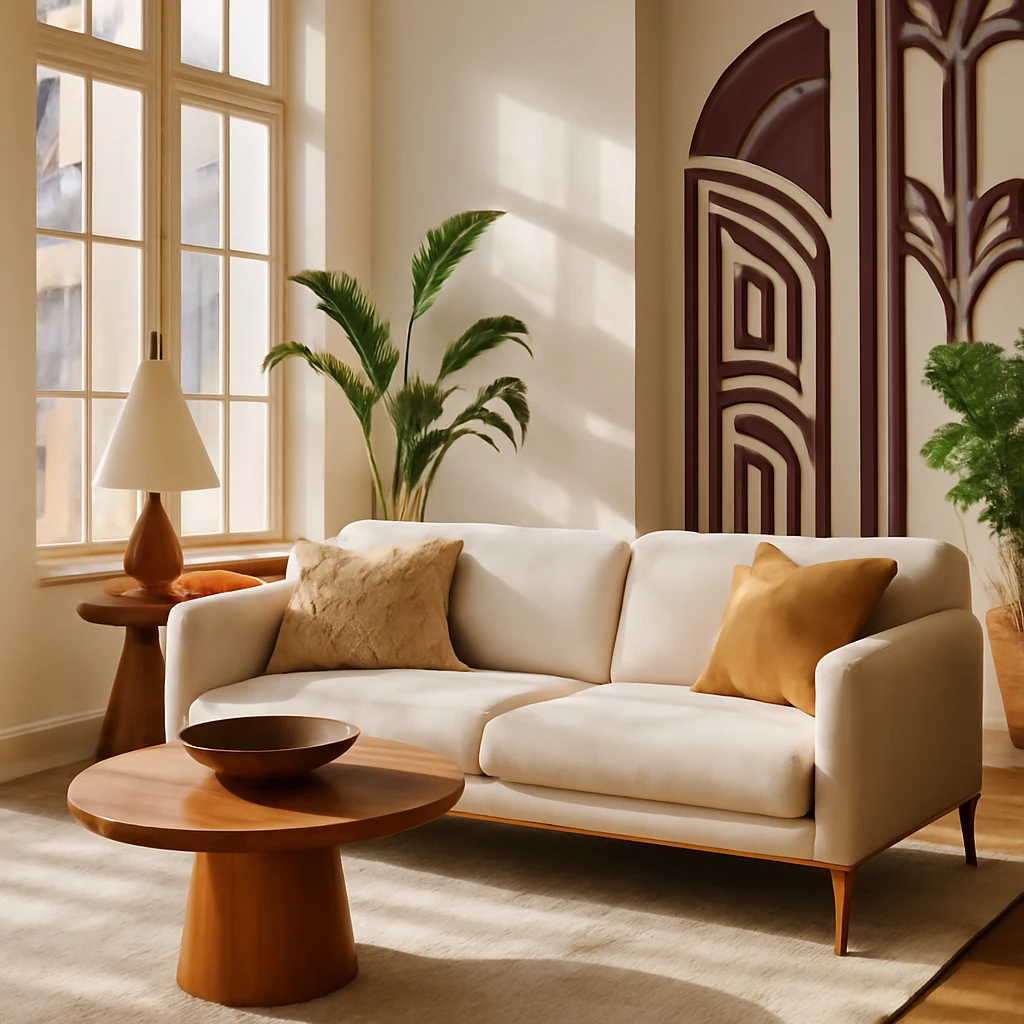
Introduction to Art Deco interiors
Art Deco remains one of the most enduring design languages across Europe, renowned for its confident geometry, sumptuous materials and refined yet daring elegance. It emerged in the early 20th century as a response to rapid modernisation, embracing machine aesthetics while celebrating luxury craftsmanship. Today, Art Deco sits comfortably within contemporary homes, from city apartments in historic centres to new builds with heritage-inspired detailing. The result is a style that feels glamorous without being loud, precise in its proportions, and rich in texture and finish.
In seeking to understand Art Deco for a European context, it helps to recognise three through-lines: a love of symmetrical order, a fascination with geometric forms, and a willingness to blend influences from Modernism, Neoclassicism, and exotic motifs. A well-executed Art Deco interior balances restraint and drama, ensuring that luxury materials and sculptural shapes do not overwhelm living spaces. It is a design language that rewards careful composition, well-considered scale, and expert artisan finishes.
History of the style
The Art Deco movement crystallised in the first half of the 20th century, drawing inspiration from European modernity and the glamour of commercial art. In centres such as Paris, London and Milan, designers and manufacturers explored new materials, bold patterns and streamlined silhouettes. Public exhibitions and pavilions showcased textiles, furniture, ceramics and lighting that fused artistry with industry. While the style reached a wide audience, its essence remained the pursuit of crafted luxury accessible to a rising middle class in many European capitals.
European interiors adapted Art Deco across decades, translating the bold language of the 1920s and 1930s into more restrained, everyday applications. In city apartments with compact floor plans, the emphasis shifted to clever zoning, reflective surfaces and elegant detailing rather than sheer scale. In grand townhouses and villas, the approach could be more expansive, with sculptural columns, decorative plasterwork and statement lighting acting as focal points. The result is a versatile style that continues to feel modern, contemporary and distinctly European.
Key characteristics of Art Deco
Art Deco interiors are defined by a dialogue between geometry and luxury. They often juxtapose clear, architectural forms with plush, tactile finishes and metallic accents. Designs embrace symmetry, but also allow for moments of ornament and graphic pattern. The style draws on a wide repertoire of influences, from ancient civilisations to modern industry, resulting in spaces that feel cohesive yet visually exciting.
Notable characteristics include the following:
- symmetry as a governing principle for layouts and furniture placement;
- geometric motifs across surfaces, textiles and architectural detailing;
- a respectful use of glamorous materials such as lacquer, marble, brass, bronze and glass;
- a propensity for curved and linear forms, including chevrons, zigzags and sunburst motifs;
- a restrained but richly textured palette with metallic accents;
- an emphasis on craft, with attention to proportion, finish and any matched pairs or sets.
In practice, European Art Deco spaces often combine subdued, sophisticated colour with high-gloss surfaces and tactile textiles. The result is interior drama that remains practical for everyday living, whether in a compact city flat or a generously proportioned home.
Zoning and spatial thinking
Open-plan living is common in many contemporary European homes, but Art Deco zoning offers a way to define areas without breaking the overall flow. The goal is to delineate functions with architectural precision rather than heavy partitions, preserving sightlines while creating intimate nooks and displays. Light, materiality and reflectivity play a crucial role in creating depth and volume within a space.
Partitions and screens
Where partitions are required, glass elements offer a refined solution. Toned glass screens or mirrored panels introduce an element of discovery, as rooms reveal themselves beyond the reflective surface. These screens can be freestanding or built-in, and they often feature precise, architectural detailing that echoes the surrounding furniture and millwork. This approach keeps spaces feeling airy while preserving a sense of order and hierarchy.
Columns and architectural features
Columns can be a dramatic design feature in larger reception rooms or entrance halls. In small-to-medium European homes, faux columns or pilasters can reference classical antecedents while maintaining a modern feel. When treated with marquetry, mosaic trims or subtle lighting, column features become focal points that anchor a room without overpowering it.
Ceiling treatments
Ceilings in Art Deco spaces range from pristine flat canvases to more elaborate forms such as shallow cornices, decorative mouldings or shallow domes. A single, well-lit ceiling can become a luxe stage for a statement chandelier, while a soffit with hidden LEDs can highlight architectural drama around a feature wall or alcove. In European homes with period ceilings, careful restoration or compatible contemporary plasterwork can fuse the old with the new seamlessly.
Materials and finishes
Art Deco offers three stylistic directions that can guide material choices in a European context: contemporary or modern Deco, classic Deco, and historic or revival interpretations. Subtle variations in texture and finish can signal each direction while maintaining a cohesive overall effect.
Textiles and surfaces
Textiles in Art Deco interiors should convey luxury without heaviness. Velvet and silk in rich tones pair with lamber, tasselled trimmings or geometric weave patterns. For drapery, consider layered treatments that combine a light, airy sheer with a heavier, structured lining or damask that adds depth when drawn. Upholstery tends to be dense and comfortable, with generous seat cushions and tailored seams that reinforce a sense of architectural order.
Materials to consider
- natural leather skins in restrained palettes for accents or furniture details;
- lustrous fabrics such as velvet, satin or brocade for sofas and cushions;
- metals including brass, bronze, chromed steel and aluminium for fittings and frames;
- glossy surfaces like lacquer and high-polish stone or engineered stone for table tops and work surfaces;
- decorative mirrors and glass in varied shapes to multiply light and create visual depth;
- exotic veneers or richly grained woods for bold furniture pieces that read as sculptural.
Wood and stone selections are deliberate. Dark, richly grained woods paired with pale stone or white lacquer create a palette that is both classic and contemporary. When budget and space allow, a few high-impact pieces with intricate finish will anchor a room while leaving room for lighter, more understated surroundings.
Ceiling and wall finishes
Ceilings are typically smooth or subtly textured, finished in white or a very light shade to maximise reflected light. Walls may be finished with silk or metallic wallpaper, plaster with a gentle sheen, or paneling that imitates a lightweight, refined luxury. When using wall panels, consider pairing them with mirrors or metal trim to reinforce the geometric, decorative language of Art Deco.
Colour palette and mood
Art Deco thrives on contrast and refinement. A classic European interpretation often begins with a monochrome backbone of black and white, then introduces metallic notes and jewel-toned accents. The palette typically includes deep charcoal, ivory and cream, with accents of bronze, gold, brass or pewter. Rich blues, emerald greens, deep purples and warm copper tones are common if you want a more opulent mood. In practice, it is wise to keep walls in a calmer, neutral undertone and let furniture, lighting and decorative elements deliver the drama.
Another useful strategy is to employ a restrained, central colour on large surfaces, with highly saturated accents on a few selected pieces. This helps the room read as elegant and cohesive rather than busy or chaotic, which is essential when merging multiple influences within a modern European home.
Furniture and detailing
Art Deco furniture reads like sculpture. It is characterised by bold geometry, elegant silhouette lines and a sense of permanence. Wood pieces are often heavily figured and finely finished, sometimes lacquered in black or white for dramatic contrast. Metal hardware - handles, brackets and legs - tends to be slim yet strong, occasionally featuring geometric detailing that echoes the surrounding surfaces.
Upholstery combines luxury fabrics with crisp tailoring. Velvet, suede and high-quality leather are common, with cushions that feature sharp edges or subtly rounded corners. Wood elements are frequently left in high-gloss finishes or treated with a dark lacquer to emphasise the natural grain while preserving an air of sophistication. Glass and mirrored surfaces, when used judiciously, capture light and add a contemporary edge to a classic language.
Lighting as a guiding principle
Lighting is central to Art Deco, not merely a source of illumination but a narrative device. A grand central chandelier often becomes the room’s heart, with cascading elements that communicate movement and sparkle. Layered lighting - ambient, task and accent - ensures a space can shift from formal to intimate with ease. In European interiors, it is common to pair a statement fixture with smaller, sculptural lamps and wall sconces that mirror the central motif or material palette.
Where possible, select lighting with geometric or architectural character. Faceted glass, stepped profiles, and metal-work with clean lines reinforce the architectural logic of the space. The interplay of warm light with reflective surfaces such as mirrors or polished stone enhances depth and ambience, a hallmark of well executed Art Deco interiors.
Decorative elements and accessories
Decor in Art Deco is an exercise in confident restraint. Thoughtful placement and a small number of iconic pieces can make a bigger impact than a crowded display. The following categories are typical and effective within European settings:
Mirrors
Mirrors are essential to the Art Deco vocabulary. Large framed mirrors, often with bold borders or sunburst motifs, help multiply light and visually expand space. Mixed mirror shapes - rectangular, circular and irregular - can be used in a curated arrangement that feels intentional rather than decorative for decoration’s sake.
Paintings and graphics
Art in Deco interiors tends toward bold, graphic imagery or stylised natural themes. Large-scale works with strong composition, angular lines, or simplified forms work particularly well. When multiple works are used, ensure they share a tonal or thematic thread to keep the arrangement cohesive.
Vases, sculptures and accessories
Vases, statues and architectural objects in metal, marble or ceramic can punctuate a room with sculptural presence. When displaying several pieces, group them in threes for balance and rhythm. The aim is to create small focal points that catch the eye without creating visual noise.
Metal accents and detailing
Metal is not merely a hardware finish in Art Deco, it is a design gesture. Consider metal-framed furniture, trim on cabinetry, or metal-inlay details that echo the geometric language of the room. Subtle use of metal can unify different material types, reinforcing a consistent Deco mood across a space.
Room-by-room ideas for a European home
Art Deco can adapt to a range of rooms, from compact city flats to more generous family homes. The following practical ideas help translate Deco principles into liveable European environments.
Kitchen
The Deco kitchen leans into polished surfaces and architectural detailing. Wall and floor cladding in natural stone or stone-look tiles creates a grounded, premium feel. For practicality, pair lighter wall tiling with a darker work zone, allowing the countertop and units to become the visual anchor. Metal detailing on door pulls, lighting fixtures and cabinet edges emphasises the chassis of the room. Consider a feature panel in a lighter shade or marble veneer behind the cooking area to add depth without overwhelming the space.
Windows in kitchens can benefit from a light treatment with laminated glass or frosted panels to maintain privacy while preserving the clean lines. A practical yet decorative ceiling fixture or a slim linear pendant can provide essential task lighting and reinforce the room’s geometry.
Living room
In living rooms, aim for a balanced blend of bold structure and tactile comfort. A large sofa with a strong silhouette in velvet or leather, paired with sculptural chairs and a low coffee table, creates a focal arrangement. The furniture should speak in a unified language - angled edges, mirrored surfaces or black lacquered wood can anchor the space. Use a premium rug with a geometric motif to ground seating and add warmth. Wall finishes may be smooth plaster or fabric panels with subtle sheen, with a display of a few statement artworks or mirrors that reflect light and architecture.
Lighting should include a grand chandelier or a trio of dramatic pendants, complemented by floor lamps that cast soft pools of light. Soft cushions and throws in jewel tones or metallic threads add depth without clutter, ensuring the room remains inviting and refined.
Bedroom
Bedrooms in Art Deco style benefit from bold yet calming tones. Opt for a carved or lacquered bed frame with a high headboard, complemented by bedside tables with metal detailing. Upholstery in velvet or lamour-y fabrics and geometric-patterned textiles create a cohesive mood. Pair with woven or silk drapes that drape in crisp folds, adding luxury and privacy. In smaller spaces, opt for built-in storage with a streamlined silhouette to maintain clean lines and airiness.
Hallway and entrance
The entrance is a prime location to set the Deco tone. A console table with a metal frame, a framed mirror, and a couple of lighting accents can create a strong first impression. Hall walls can feature shallow panelling, lacquered panels or a statement wallpaper with a restrained geometric motif. A tiled floor or a polished stone path, continuing into the living spaces, can unify the approach across the home.
Bathroom
Art Deco bathrooms lean into glamour through materials like marble-look surfaces, high-gloss tiles and chrome fittings. A freestanding bath or sculptural basin can serve as a focal point. Consider a monochrome tile scheme with metallic trims to echo the era’s elegance, ensuring practical layout and good ventilation. Lighting should be substantial enough for grooming tasks and layered to create atmosphere for relaxation.
Nursery or children's space
In spaces for children, the Deco approach is about safety and soft luxury. Round-edged furniture, warm timber tones and textiles with playful yet geometric patterns provide a cosy, refined environment. Keep corners padded and choose tactile fabrics that are durable and easy to clean. The goal is to introduce Deco detail without overwhelming or overpowering a child’s daily activities.
Practical design tips for success
Adopting Art Deco in a European setting requires a thoughtful balance between bold detailing and everyday practicality. Here are tips to help achieve a cohesive, elegant Deco interior:
- start with a restrained base palette and use gemstone accents or metallic highlights to bring in the Deco drama;
- prioritise quality over quantity when selecting decorative pieces, a few large, well-made items will have greater impact than many smaller fillers;
- emphasise symmetry in furniture arrangements and lighting layouts to reinforce a sense of order;
- choose high-gloss or reflective surfaces for key elements to amplify light and create depth;
- avoid over-matching everything, allow a few bold motifs to be repeated across different materials for cohesion;
- work with experienced artisans for custom pieces or finishes to ensure authentic proportion and detailing;
- consider scale carefully in smaller rooms, oversized items can overwhelm, while modest pieces can feel refined and timeless in a compact plan.
Working with a professional designer
Realising Art Deco in a European home often benefits from the guidance of a professional designer. The right designer can translate the era’s language into a practical, comfortable, and up-to-date home. They will help curate a balanced palette, select suitable materials, and oversee details such as scale, proportion, finishes and lighting layering. The risk of over-embellishment is real, but with a clear brief and disciplined approach, Deco can read as elegant restraint rather than exuberant ornament.
Conclusion: a timeless European language
Art Deco interiors offer a timeless promise: glamour rooted in craft, sophistication grounded in geometry, and a design logic that endures beyond passing fads. In Europe, where heritage spaces meet contemporary living, Deco can feel both nostalgic and newly minted. By combining symmetrical layouts, quality materials, thoughtful details and considered lighting, a modern home can embody the spirit of Art Deco while fulfilling the practical needs of daily life. The result is a space that communicates confidence, refinement and a subtle celebration of the good things in design: proportion, texture and light.
You may also like these articles
 Kitchen Design
Scandi Kitchens: Light, Function and Nordic Calm Across Europe
Bright, minimal Scandinavian kitchens for European homes.
Interior Design
Loft living in Europe: crafting an industrial-inspired home
Open plans, exposed finishes and bold textures define European loft living.
 Trends
Wallpapers for the Living Room in 2025: Nine Trends, Materials and Practical Ideas
Nine wallpaper trends shaping European living rooms in 2025