
Explore interior trends, AI design insights, styling guides and real transformations
How to Design a 12 m2 Bedroom: Five Layouts for European Homes
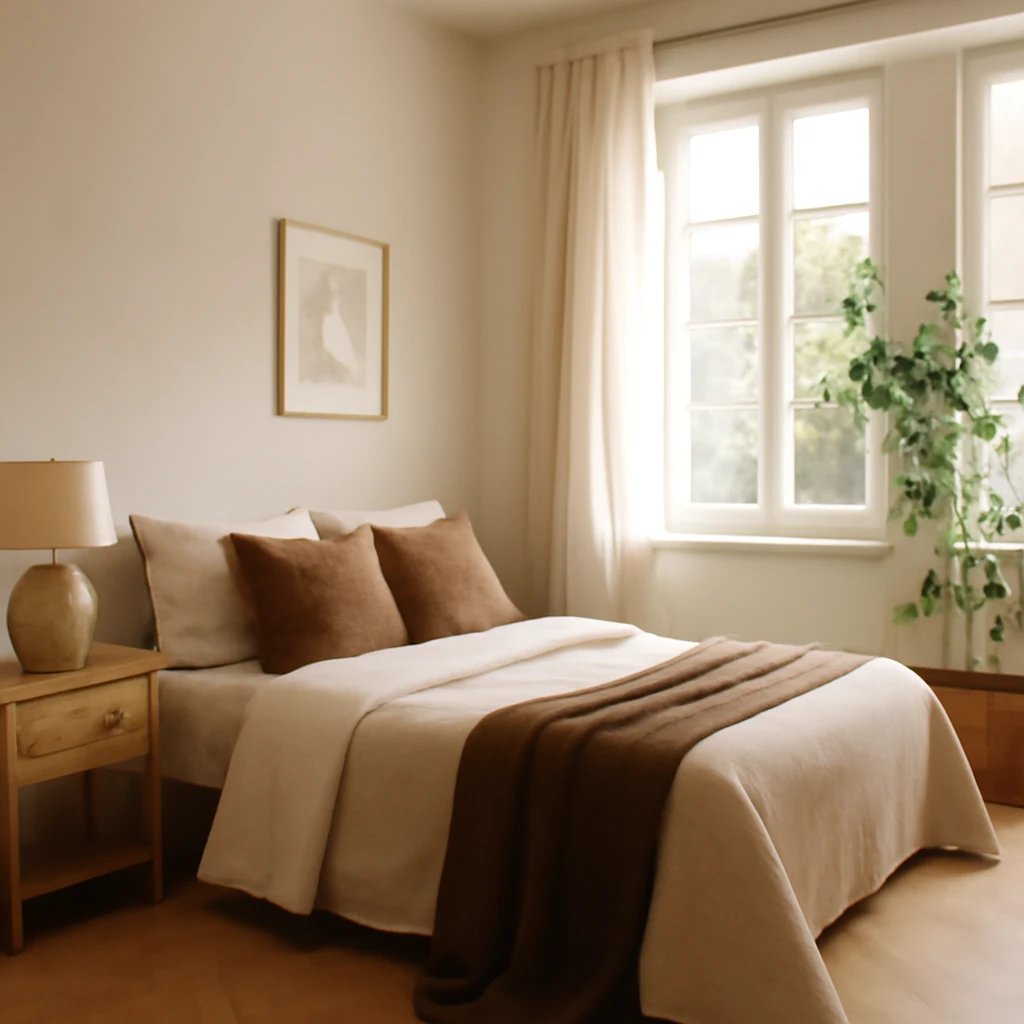
Introduction: Making the most of 12 sq m
Across European cities, bedrooms measuring around 12 sq m are a common reality. Designing them well means balancing sleep comfort, clever storage, and a compact work or vanity zone. This guide translates the principles used in larger rooms into efficient layouts for tight spaces, focusing on proportion, natural light, materials and finishes, and tasteful detailing that elevate daily life rather than overwhelm the room.
Rules for small bedrooms
Practical rules start with a plan and evolve through careful consideration of circulation, storage, and flexibility. In European flats the aim is to maximise floor area while ensuring the room remains calm and easy to use. The minimum essential furniture includes a bed, a well organised storage system, a dressing or makeup area, and a compact workspace if needed. In most layouts a built-in wardrobe along a short wall is a powerful move to free floor space and create a seamless silhouette. When planning, think about entry sequence, traffic flow, and how the room might adapt to changing needs over time.
- Plan around a central anchor, typically the bed, and arrange secondary pieces at a comfortable distance from the door and from each other.
- For square rooms, treat the sleeping area as the visual centre and build the rest of the composition outwards from this point.
- In rectangular plans, create distinct zones for sleeping, storage and, if desired, a small desk or dressing area. Avoid heavy partitions that block light, use colour, finishes and furniture placement to delineate zones.
- Maximise storage by using built-in wardrobes, niches and wall-mounted units to keep floors clear.
- Consider extending usability by connecting a balcony or loggia into the living area, if possible, by improving insulation and using the space as a compact retreat or dressing corner.
Suitable styles
Several design directions perform especially well in compact European bedrooms. Here are pragmatic guidelines for each style, tailored to a 12 sq m footprint.
Scandi
Scandinavian design is a reliable choice for small rooms, combining simplicity, warmth and practicality. Core characteristics:
- Sustainable, honest materials - light timber, wool textiles, linen and natural stone.
- A bright, neutral base: whites, warm greys and soft beiges, with gentle colour accents in soft pinks, deep blues or greens.
- Unfussy furniture with clean lines and ergonomic dimensions.
- Cozy textures and layered textiles to add warmth without clutter.
Neoclassicism
Modern neoclassicism delivers timeless elegance in compact spaces. For a 12 sq m room, aim for:
- Soft, light hues that recall nature - beige, dove grey, ivory, pale blue, with restrained accents in wine, navy or emerald.
- Subtle metallic touches in hardware and lighting to evoke quiet luxury.
- Symmetry and a coherent composition centred on the bed.
- Architectural details such as mouldings or discreet plasterwork to add depth without crowding.
Contemporary
Contemporary design embraces flexibility and a mix of influences. In a small bedroom aim for:
- A calm base palette with neutral tones enriched by refined textures rather than loud colour clashes.
- Quality materials and well-made finishes that stand up to daily use.
- Purposeful furnishings where every item has a function.
Minimalism
Minimalism benefits small spaces, showing that restraint can feel warm and serene. Key ideas:
- Muted palettes, often monochrome, with an emphasis on texture to create depth.
- Clean lines, understated forms and concealed storage to reduce visual clutter.
- Thoughtful lighting and tactile surfaces - wood, stone, metal, textiles with a gentle sheen.
- Minimal decor, each piece should earn its place.
Provence
For a romantic, sunlit mood with a soft country feel, Provence-inspired bedrooms work well in compact spaces when used with restraint:
- Soft, natural tones - sand, ivory, powder blue, sage, lavender.
- Delicate prints on textiles and wallpaper - tiny florals, fine stripes or small checks.
- Gentle, curved furniture silhouettes and light, breathable fabrics.
- Natural textures and fresh flowers to create a calm, welcoming retreat.
Colour palette
Colour in the bedroom is a personal story. When space is limited, choose a base you love and build depth with texture rather than saturation. Guidelines include:
- Light colours visually expand the room and reflect daylight, increasing perceived space.
- Deeper tones can create intimate zones when used on a feature wall or in textiles, but should be balanced with lighter elements.
- Apply a 60/30/10 rule: 60% primary colour, 30% secondary, 10% accent to maintain cohesion.
- Consider light exposure: north-facing spaces benefit from warmer neutrals, bright sun can handle cooler, more sophisticated shades.
- Update mood easily with textiles and small furniture, avoiding large-scale alterations.
Layout and furniture for a 12 sq m bedroom
Having chosen a style and palette, plan how to place essential pieces. The objective is to fit sleep, storage and, if needed, a small desk or vanity without sacrificing comfort.
Begin with the bed as the anchor, then organise around it. For square rooms, identify a central focal point and arrange other furniture in relation to this anchor. In rectangular rooms, zone the space to define sleeping, storage and a possible workspace while preserving natural light. Practical steps:
- Decide bed placement: opposite the door, along a side wall, or with the headboard to a window, depending on room geometry and daily routines.
- If the room is square, treat the sleeping area as the visual centre and plan other furniture outward from this point.
- In longer rooms, create distinct zones: a compact wardrobe area, a dressing or seating zone, and a small desk if required. Avoid heavy partitions, use colour, finishes and furniture arrangement to delineate zones.
- Wardrobes typically run along the shorter wall in an elongated room to visually correct proportion. A wardrobe can also be positioned beside the bed for easy access.
- Additional storage can be tailored to lifestyle: a tall chest, wall-mounted bookcase, or customised drawers for hobbies and daily necessities.
- If there is access to a balcony or loggia that can be insulated, treat it as an extension of the living space - ideal for a small salon, home office or dressing area.
Ergonomics matter as much as aesthetics. A well-equipped bedroom should be comfortable to use daily, not just well laid out on paper. Practical considerations include:
- Leave at least 50 cm clear around the bed on all sides to allow easy movement.
- Provide a comfortable clearance between the bed and any desk or seating area - about 90 cm helps to avoid cramped circulation.
- Ensure doors and drawers can open fully without obstruction.
- Prefer compact, multi-functional furniture that can adapt to changing needs over time.
Storage, materials and finishes
Intelligent storage is as important as the finish in small European bedrooms. Strategies to maximise space without compromising warmth or style include:
- Built-in wardrobes along one wall, potentially with mirrored or glazed fronts to add depth and reflect light.
- Under-bed drawers or lift-up mechanisms to utilise space beneath the mattress.
- Floating shelves and wall-mounted storage to keep floors clear.
- Lightweight, high-quality materials - engineered wood, veneered panels, fabric-covered surfaces - for durability and a sense of airiness.
- Soft textiles in natural fibres (cotton, wool, linen) to add warmth without heaviness.
Lighting and atmosphere
Lighting in a 12 sq m bedroom should be layered and adaptable, supporting both rest and productivity. A thoughtful plan includes:
- Ambient lighting that evenly lights the room without glare, a ceiling fixture with a warm colour temperature works well.
- Task lighting near the bed for reading and near the makeup or desk area for work.
- Accent lighting to highlight architectural details or create mood without adding clutter.
- Smart or dimmable options to adjust brightness throughout the day and night.
Materials, textures and sustainability
Material choice affects warmth, acoustics and longevity. In small spaces, a restrained texture palette reads as richness. Consider:
- Natural woods with clear finishes to keep surroundings airy.
- Textiles that add warmth: wool throws, linen bedding, cotton curtains.
- Stone or ceramic surfaces for tactile durability in high-use zones (bedside tops, vanity surfaces).
- Metallic accents in lighting and hardware for a subtle, refined touch.
Practical projects: turning constraints into opportunities
European urban apartments often demand clever design to maximise function. Consider two conceptual plans for a 12 sq m footprint that balance practicality with style.
Plan A: Square room with a calm, light base
In this approach, the bed sits on a central wall, flanked by slim nightstands, a compact wardrobe runs on the opposite wall. The scheme relies on pale finishes, a light timber floor and a single accent wall in a deep charcoal or petrol blue to introduce depth without weight. A small seating corner near a window offers a view-friendly retreat that preserves daylight. The makeup area is a compact table with a mirror, tucked along an adjacent wall to allow free movement around the bed and wardrobe.
Plan B: Rectangular room with defined zones
The bed occupies the longer wall, with a wardrobe at one end and a work zone near the window. A low, long dresser opposite the bed can discreetly hold a TV or screen, while a balcony edge seating area creates an inviting daylight-filled corner. The palette remains cohesive, using a neutral base with a restrained accent colour to enrich texture and mood rather than overpower the space.
Finishing touches and personalisation
Small bedrooms thrive on personality expressed through textiles, lighting and careful detailing. Finishing touches can elevate a 12 sq m sanctuary without creating clutter:
- Invest in high-quality bedding in a colour you love, patterns should be used sparingly to avoid visual noise.
- Introduce one or two standout textures (a chunky knit, a velvet headboard, a wool rug) to add depth.
- Incorporate greenery that is easy to care for indoors, a tall plant by the window or a trailing plant on a shelf softens the space.
- Use mirrors strategically to reflect light and extend the sense of space, but avoid overdoing reflective surfaces that create busyness.
Final thoughts
Designing a 12 sq m bedroom across Europe requires a balance of comfort, function and refined styling. By selecting a cohesive style, a thoughtful colour palette, efficient storage and layered lighting, small spaces can feel serene, practical and even luxurious. The aim is to curate a calm, well-organised sanctuary that supports rest and daily routines, rather than a crowded box.
You may also like these articles
 Renovation
The Smart Sequence: Renovating European Homes with Design-First Planning
Plan, build, finish: the ultimate European renovation guide.
Colour & Materials
Grey as the New Neutral: Mastering European Interiors with Colour and Texture
Grey as the new neutral: elevate European interiors with mindful colour pairings.
Tips & How-To
Light Kitchens Across Europe: Colour, Texture and Style
Bright, easy-to-maintain kitchens across Europe: tips on colour, texture and lighting.