
Explore interior trends, AI design insights, styling guides and real transformations
Baroque Interiors for Modern Europe: Luxury, Restraint and Statement Details
Introduction
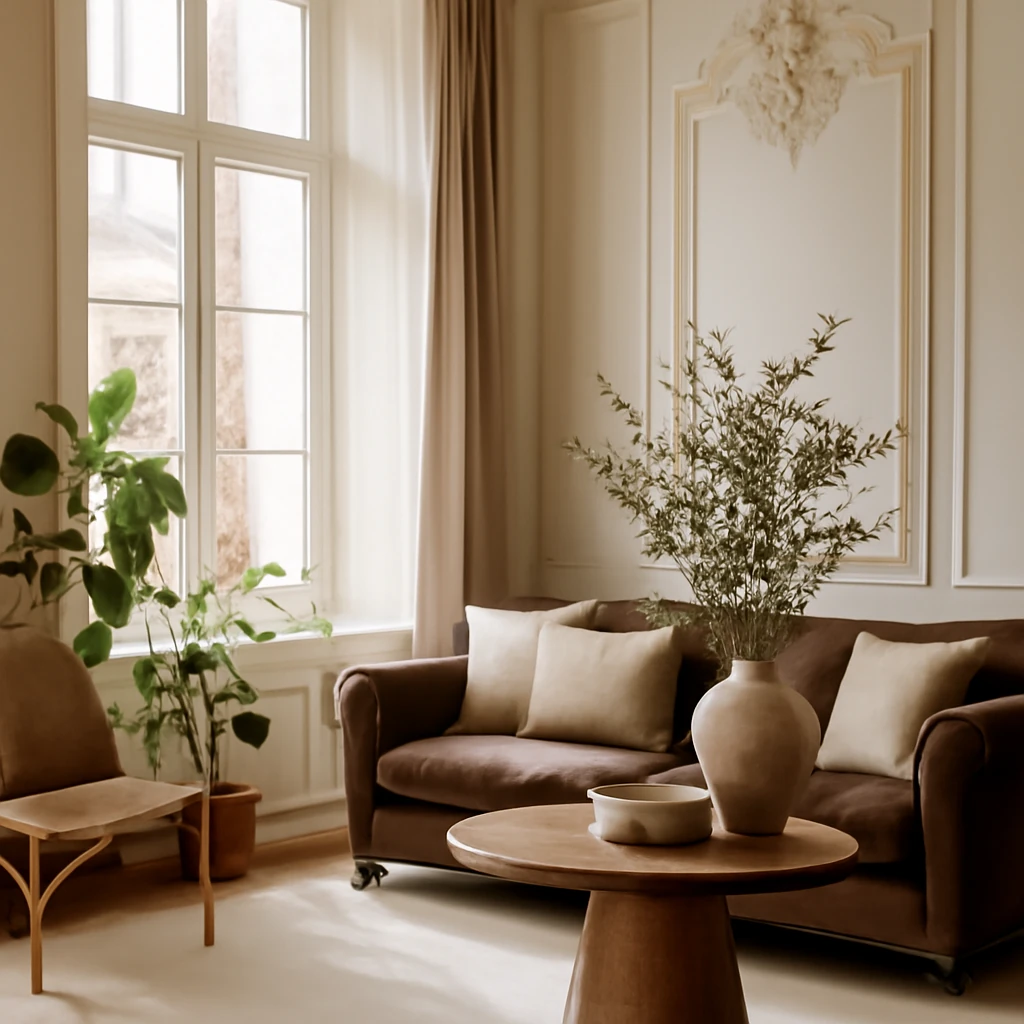
Baroque interiors are instantly recognisable for their theatre, drama and sense of monumentality. In today’s European homes, the Baroque aesthetic is often interpreted with restraint, balancing grandeur with practical living. The aim is not to imitate palatial ornament but to convey a spirit of opulence through craftsmanship, material quality, and clever layering of light. When well executed, Baroque-inspired spaces feel timeless, comfortable and highly European in their approach to proportion, texture and ambience.
This article explores how to translate Baroque principles into contemporary interiors across European contexts - from traditional townhouses to compact urban apartments - emphasising materials, colour, finishes, lighting, furniture and decor that create a coherent sense of luxury without overwhelm.
What defines Baroque interior design today
- Elegant textiles and sumptuous surfaces that read as luxurious rather than flashy.
- Deep, saturated colours paired with bright highlights or neutral backdrops.
- Extensive gilding or metallic accents used sparingly to frame architecture, mirrors and artwork.
- Curved forms and flowing lines that soften spaces and create a sense of movement.
- Play of light and shadow achieved through layered lighting, mirrors and reflective surfaces.
In modern European interiors, Baroque is less about opulence for opulence’s sake and more about a curated play of proportions, hand-crafted details and a sophisticated colour and material language. The most successful projects reconcile Baroque drama with the discipline of contemporary living - one striking feature complemented by quiet moments of calm.
Key materials
Material selection is at the heart of a Baroque-inspired space. The look derives depth and tactility from natural substrates and refined finishes. European design sensibilities favour hospitality-grade materials that endure and age well, while allowing for contemporary practicality.
Timber and veneers
Wood remains foundational. Rich timbers such as walnut, dark-stained oak or cherry offer natural warmth and tonal depth. Use timber with traditional joints, visible grain, and hand-finished surfaces. Where space or budget is limited, substitute with high-quality full-grain veneers or stained alternatives that retain a sense of heft without overwhelming a room.
Textiles and wall finishes
Damask, velvet, brocade and silk-twill provide the tactile richness associated with Baroque interiors. Consider wall coverings in textile or treated plaster that reference the era’s grand textures, but in a scale appropriate to modern rooms. Textured wallpapers with subtle damask motifs can deliver the same sense of depth with less physical weight than heavy canvases.
Metallic accents
Gold, brass or bronze details are used to frame mirrors, picture mouldings and furniture hardware. In contemporary spaces, gilt can be applied as a restrained highlight - in picture frames, lamp bases, or a single console - so the effect remains elegant rather than overwhelming. For sustainability, seek carefully plated finishes or responsibly sourced metal with a patina that evolves with time.
Plaster and decorative plasterwork
Plaster fine details - cornices, rosettes and mouldings - are classic Baroque signals. Modern reinterpretations employ lightweight plaster alternatives or paintable plasterboard with moulded profiles to achieve comparable rhythm and shadow play without excessive weight or cost.
Colour and contrast
Baroque colour schemes hinge on depth, contrast and a well-considered hierarchy. Intense tones - ruby red, emerald green, royal blue or charcoal - anchor the scheme, while white, ivory or warm neutrals serve as relief to prevent the space from feeling heavy.
Practical rules for European homes:
- Start with a neutral backdrop (walls and ceilings) in ivory, warm white or soft greige to let the furniture and textiles shine.
- Introduce colour in selected pieces - a statement sofa, a pair of chairs, a rug or a set of curtains - to avoid visual fatigue.
- Reserve gilt and metallics for accents rather than covering large surface areas.
- Balance brightness with inkier tones to create depth and perception of space, particularly in compact rooms.
In practice, you might pair a pale wall with a deeply coloured sofa and richly patterned upholstery. Alternatively, dark walls can host light, carved wood and gilded frames to create a theatre-like stage for art and mirrors. Each room becomes a theatre set where light, material and colour work together to direct attention and mood.
Wall, ceiling and floor treatments
The interplay of walls, ceilings and floors is essential to a Baroque-inspired interior. The goal is to create layered surfaces that catch the eye and draw the gaze upward and around the room.
Walls
Panelled walls are a quintessential Baroque feature. In modern contexts, full panelling can be replaced with raised or recessed panels, lacquered or veneered boards, or high-quality wallpapers with a damask or scroll motif. Where architectural features exist, such as door surrounds or niches, highlight them with colour or gilded frames to emphasise rhythm and depth.
Ceiling treatment
Ceiling ornamentation - cornices, coffers or medallions - adds vertical drama. If architectural constraints limit ceiling detail, consider a decorative ceiling medallion around a statement chandelier, or a subtle painted pattern in plaster or wallpaper to mimic the Baroque rhythm without weighty costs.
Flooring
Parquet flooring in herringbone or double chessboard patterns is a natural fit for Baroque interiors. The warm tones of oak or walnut wood underpin the space’s timeless feel. For contemporary homes where hard timber is impractical, consider engineered parquet with a modestly aged finish. In areas where stone is desired, marble or limestone in large format can create a stately counterpoint to ornate furnishings. Layer with generous rugs in rich textiles to soften and ground the seating areas.
Lighting: the theatre of Baroque interiors
Lighting is the living heart of Baroque interiors. The aim is to sculpt light and shade, creating theatre-like dramatic effects while maintaining comfortable, daily usability.
- Grand centrepieces such as a ceiling chandelier with multiple tiers are traditional anchors. In modern homes, select one with a refined silhouette and a warm, flattering glow.
- Layered lighting includes wall sconces, table lamps and floor lamps in harmonious metal or ceramic finishes. The lighting should be programmable for different moods - from bright task light to intimate atmosphere.
- Mirrored surfaces or mirrors with ornate frames amplify light and create a sense of space, especially in smaller rooms or corridors.
Designers often combine a central chandelier with a constellation of wall lights to reveal the architecture’s curves and create a soft chiaroscuro effect across walls and ceilings. Energy-efficient LEDs ensure practicality without compromising warmth or golden sheen.
Furniture and upholstery
Furniture is the anchor of a Baroque-inspired interior. The ideal pieces are carved, richly upholstered and proportioned to the room’s scale. In European homes, a balanced approach - where a few statement pieces sit alongside more understated elements - often yields the most sophisticated result.
Carved timber and gilded details
Look for chairs, consoles, commodes and bed frames with hand-carved motifs and restrained gilding. The patina of aged timber or a delicately antiqued finish enhances the sense of history without appearing ostentatious.
Upholstery
Choose fabrics with depth and sheen - velvet, damask, brocade or jacquard in deep hues. The scale of pattern should be deliberate: smaller repeating motifs can feel elegant in modest rooms, while large-scale damask suits grand spaces with high ceilings.
Proportions and pairing
Baroque furniture tends to be substantial. In compact flats, contemporary adaptations can preserve the mood: select one dominant piece (a grand sofa, a carved console or an ornate headboard) and pair it with simpler, lighter forms to maintain balance. Mixing periods is permissible when the modern pieces are scaled thoughtfully and the colour palette remains cohesive.
Decor and accessories
Decor plays a crucial role in finishing a Baroque-inspired interior. The goal is to create focal points - without clutter - that celebrate craft and art.
- MIRRORS in lavish frames multiply light and echo the era’s celebration of reflection and splendour.
- Art and frames should be presented in substantial, ornate surrounds, consider a curated pair of paintings or a single large work with a gilded border.
- Clocks, vases and chests with intricate carving or inlay add texture and narrative to a room.
- Textiles such as embroidered cushions, fringed throws or tapestry panels bring warmth and tactile richness to seating areas.
In a European setting, it is wise to curate accessories as a few well‑chosen objects rather than an abundance of pieces. The aim is to create a theatre-like stage for the architecture and furniture, not a crowded cabinet of curiosities.
Living room in Baroque style
The living room is usually the stage for Baroque drama. In larger rooms, a dominant seating arrangement - comprising a substantial sofa and two or three armchairs - should face a focal feature: a grand fireplace, an anchored artwork, or a striking console with a gilded mirror above. In smaller spaces, create the illusion of grandeur by using a single statement piece, a deep-toned rug and reflective surfaces that bounce light across the room.
To maintain balance, keep window treatments substantial but elegant - rich drapery in a heavy weave, lined with a lighter inner layer. Curtains should be cut to just puddle on the floor or be slightly trimmed, so the room remains comfortable and easy to live in. A Baroque living room works best when lighting is layered: soft ambient light from a chandelier, complemented by wall sconces and a softly glowing table lamp for reading corners.
Bedrooms and dining rooms: adaptable luxury
Bedrooms and dining areas in a Baroque vocabulary can be equally refined. In bedrooms, consider a grand bed with an upholstered headboard or a canopy structure, framed by soft drapery in luxurious fabric. Pair with nightstands that feature carved detailing and a pair of table lamps in antique bronze or gilt. For dining rooms, a substantial credenza or sideboard with detailed marquetry or ormolu accents can anchor the room, while a long dining table surrounded by upholstered chairs completes the look.
In all spaces, the objective remains clear: maintain comfort and usability while preserving the drama and historic spirit that define Baroque design.
Practical steps to plan a Baroque-inspired space
- Define the scale: assess ceiling height, wall length and door openings to determine the number and size of statement pieces you can accommodate without crowding.
- Choose a restrained palette: start with neutral walls, then introduce deep, saturated colours through key textiles and furniture.
- Invest in craftsmanship: select one or two high-quality pieces with authentic or convincing detailing, rather than several mass-produced items.
- Plan lighting in layers: ensure a strong centrepiece light, plus several secondary sources for mood and function.
- Balance ornament with simplicity: pair carved wood and gilding with clean-lined contemporary furniture to avoid an overbearing effect.
- Align with architectural features: capitalise on existing mouldings, fireplaces or niches to reinforce Baroque rhythm.
- Emphasise proportion and rhythm: repeat motifs (curves, scrolls) at a measured pace to guide the eye around the room.
European context and restrained luxury
Baroque interiors in Europe are not about replicating royal apartments, they are about translating a grand language into accessible, liveable spaces. Architects and designers commonly integrate period-inspired details with contemporary practicality: renovated townhouses might feature carved door surrounds and coffered ceilings, yet pair them with streamlined storage, energy‑efficient lighting and modest furniture that keeps the home comfortable for everyday life.
Key translation strategies for European homes include:
- Scale and proportion: respect the room’s proportion. In compact flats, use a single Baroque statement and let the rest of the room remain calm and contemporary.
- Material honesty: celebrate natural materials and visible craftsmanship, avoid over‑polishing or overly glossy finishes that feel artificial.
- Lighting strategy: a well‑considered lighting plan ensures the drama of Baroque surfaces is revealed after dark without glare.
- Durability: invest in durable fabrics and finishes that age gracefully, especially in high-traffic living spaces.
In regions with rich design traditions, Baroque-inspired spaces harmonise with historic architecture - palazzos, townhouses or early grand apartments - while adapting to modern floor plans, ventilation, and building systems.
Examples of how to start a Baroque project now
For readers planning a future project, here are practical starting points that work across European contexts.
- Statement piece first: select one dramatic element - a carved sideboard, a gilded mirror or a carved bedhead - and design the room around it.
- Texture over repetition: use a curated set of textiles with varied textures in similar colour families to achieve depth without visual chaos.
- Selective gilding: apply gold leaf or gilt to a few architectural frames or furniture edges to create focal points that read as timeless.
- Art-led rooms: hang large, well-framed works that complement the room’s colour palette, allowing the artwork to guide the space’s energy.
- Reflective surfaces: mirrors and polished metals amplify light and give rooms a sense of grandeur without crowding the space.
Maintenance and care
A well-kept Baroque interior relies on careful maintenance. Wood finishes benefit from regular but light cleaning with non-abrasive products, avoiding harsh solvents on gilded areas. Fabrics should be professional-cleaned when necessary, and drapery hardware checked for smooth operation. Regular checks of lighting and electrical systems ensure both safety and the continuity of atmosphere - many Baroque spaces rely on layered lighting to preserve mood and drama after sunset.
Conclusion
Baroque interiors offer a powerful way to express a sense of history, craft and luxury within modern European homes. The secret lies in restraint: a small number of high-quality pieces, combined with careful material choices, thoughtful colour, layered lighting and a clean, balanced composition. When executed with discipline and taste, Baroque-inspired spaces feel timeless - enduringly elegant, deeply European, and perfectly suited to contemporary living.
You may also like these articles
 Kitchen Design
Mastering the U‑Shaped Kitchen: practical layouts for European homes
Maximise storage and flow with a practical U‑shaped kitchen for European homes.
Interior Design
Euro Two-Bedroom Flats: Flexible Layouts for European Living
Smart layouts and stylish zones for compact European homes.
Kitchen Design
When the sink faces the window: balancing beauty and practicality in European kitchens
Exploring the debate: should the sink sit opposite the window in European kitchens?