
Explore interior trends, AI design insights, styling guides and real transformations
Country House Interiors: Ten Styles and Practical Ideas Across Europe
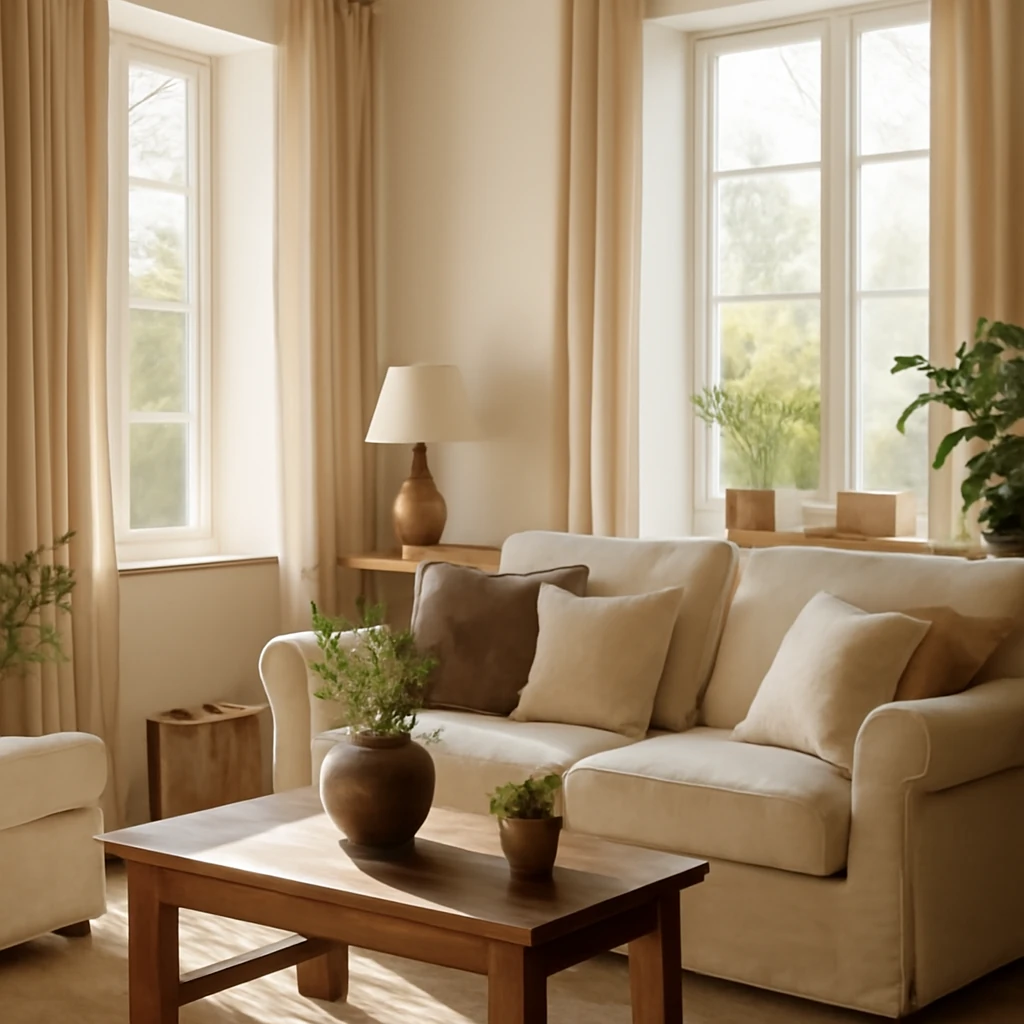
Introduction: European country-house living reimagined
Across Europe, the country house is more than a building, it is a philosophy of living that blends comfort, practicality, and a deep connection with the landscape. Whether perched beside the Baltic coast, tucked into the Alpine foothills, or nestled in a sunlit Provençal valley, a well-considered interior supports seasonal use, easy upkeep, and an atmosphere of relaxed hospitality. The aim is simple: create spaces that feel welcoming year after year, with materials and detailing that age gracefully and respond to shifting weather, daylight, and daily rhythms.
This article offers a comprehensive framework for designing a European country house interior. It covers ten styles, practical guidance on finishes and furniture, and ideas for different rooms - all adapted to European climates, building traditions, and living patterns. You will find ideas suitable for both a small cottage and a spacious countryside home, with techniques that emphasise durability, low maintenance, and a timeless, layered look.
Design framework for European country houses
Before selecting a style, establish a design framework that will guide choices across materials, colour, and furniture. The following principles help to create cohesive interiors that feel effortless and well considered, even when spaces are used only part of the year.
- Seasonality and climate: The country house must withstand humidity, temperature changes, and seasonal use. Choose materials and finishes that are robust, easy to clean, and resistant to damp and mould when necessary. In unheated or infrequently used spaces, prioritise moisture-tolerant surfaces and wipe-clean textiles.
- Zoning and flow: Even in modest footprints, plan for distinct zones - cooking and dining, lounging, sleeping, and storage. Thoughtful zoning supports daily routines, simplifies maintenance, and makes a small space feel larger.
- Unified style with room for personality: Pick a core aesthetic and layer it with textures and artefacts that tell a story. A cohesive palette and material language keep the interior calm, while curated pieces add character.
- Storage as design: Build storage into seating, alcoves, and stair enclosures. With clever cabinetry and modular systems, a country house remains organised without feeling cramped.
- Lighting strategy: Rely on a layered lighting approach - ambient, task and decorative. In older or exposed-build environments, consider energy-efficient fixtures and warm light to cultivate a cosy atmosphere after sundown.
Popular styles for European country-house interiors
Not every style suits a country house, and some require less upkeep or simpler implementation. The following ten styles offer practical routes to a warm, lived-in interior that can evolve with time and family needs.
1. Country Cottage
The country cottage look thrives on a handcrafted, imperfect charm. Think painted timber, natural textiles, check patterns, and comfortable, modular furniture that can be rearranged for gatherings. Light-coloured walls, unpolished timbers, and rugs with soft textures create a gentle, sunlit mood. The aesthetic works well with slightly aged finishes, natural stone, and traditional joinery, all arranged to emphasise coziness and accessibility.
Key materials: timber cladding or plaster with warm white or soft pastel tones, wide plank floors, linen or cotton textiles. Furniture should be sturdy but intimate - armchairs and sofas with soft cushions, an elm dining table, and a mix of wooden crates repurposed as storage or display shelves.
2. Scandinavian (Nordic) Influence
Nordic-inspired interiors bring light and air into the countryside. Clean lines, pale woods, and a restrained colour palette rooted in whites, greys and natural hues create a sense of calm. The soft, unassuming decor supports a refined but relaxed environment where textiles and plants add texture and warmth.
Practical approach: choose furniture with simple shapes, use a few high-quality textiles, and incorporate natural materials such as birch, oak, or ash. Lamps and lighting should be warm and diffuse, with a focus on functionality and comfort rather than ornament.
3. Rustic Heritage
This style nods to traditional rural architecture and long histories of craft. Expect timber beams, stone walls, aged timber floors, and antique or vintage pieces that tell a story. The palette leans earthy - ochres, deep greens, and charcoal - coordinated with natural textures such as wool, jute, and wool blends.
Pragmatic details: embrace sealed timber surfaces that resist wear, robust textiles that handle pets and children, and multi-use furniture that can be repurposed as needs change.
4. Bohemian (Boho) Country
Boho brings warmth, colour, and layered textiles into country living. Think natural fibres, handwoven baskets, macramé, embroidered textiles, and patterns inspired by markets across Europe. The effect is relaxed, eclectic, and inviting, with spaces that feel collected rather than restored.
Practical tip: combine globally sourced textiles with a calm architectural base - light walls, simple floors, and a sense of airiness to keep the space from feeling cluttered.
5. Eco-Style
Eco-style prioritises sustainability and natural materials. The emphasis is on a well-balanced fusion of timber, stone, wool, cork, and other renewable resources. The palette is earthy and muted, allowing the materials to speak for themselves. This approach suits homes set in forested or agrarian landscapes where the interior becomes an extension of the exterior environment.
Implementation notes: select locally sourced timber, cork flooring, natural oils and waxes for finishes, and climate-appropriate insulation. Integrate live plants to improve air quality and to soften the harsher aspects of the interior.
6. Provencal (French Countryside)
Provencal interiors celebrate sun-drenched lightness, soft whites, and colourful accents drawn from the Mediterranean landscape. Materials include lime-washed walls, natural stone, terra-cotta tiles, linen textiles, and decorative ceramics. The overall feel is bright, comfortable, and elegantly rustic, with a love of handmade details and floral patterns in textiles and upholstery.
Practical approach: keep large surfaces easy to clean, such as whitewashed walls and unglazed tiles, and introduce colour through soft pastels and natural textures rather than through heavy ornament.
7. Classic
Classic interiors never go out of fashion. They blend symmetry, refined colours, durable fabrics, and measured ornament. In country settings, classic elements can be integrated discreetly - a fireplace with a mantel, mouldings, traditional seating, and carefully chosen textiles that resist wear. The goal is timeless elegance that remains liveable and easy to maintain across seasons.
8. Contemporary
Contemporary country interiors mix modern materials and forms with traditional sensibilities. Neutral palettes, natural textures, and minimal yet functional furniture create a clean, refined backdrop for everyday life. Accent textiles or a single statement piece can anchor the space without overwhelming its rustic roots.
9. Eclectic
Eclectic interiors celebrate a curated mix of styles, eras, and influences. The country house is a perfect canvas for this approach because land and climate encourage a layered, lived-in look. When executed well, eclectic interiors feel intentional rather than chaotic: a quiet framework, a few standout pieces, and a cohesive colour story keep the space harmonious.
10. Vintage and Heirloom-infused
A country residence often carries family histories, which makes vintage or heirloom furnishings a natural fit. Integrating antique chairs, a grandmother’s quilt, or a family kitchen dresser can ground a modern interior in memory and meaning. Pair vintage finds with contemporary essentials to keep the space comfortable and up-to-date.
Finishing principles for country houses
Material choices and detailing determine how a country house ages. The right finishes support ease of maintenance, climate resilience, and a warm, layered aesthetic that feels authentic and comfortable year-round.
Wall finishes and ceilings
- Walls: For unheated or off-season spaces, consider wood siding, plywood with a clear finish, or plaster that can be washed or wiped down. In heated rooms, limewash, breathable paints, or mineral plasters help regulate humidity and maintain a fresh look.
- Ceilings: Exposed timber beams can be left natural or painted to match the walls. Consider tongue-and-groove panels for a traditional vibe, or a light plaster finish for a brighter interior. In damp areas, use moisture-resistant panels or treated boards.
Flooring
- Timber floors: Wide-plank boards in oak, ash, or pine bring warmth and character. Finish with hard-wax oil to enhance natural beauty and ease repair after scuffs.
- Vinyl or linoleum: Durable, easy to maintain, and available in warm tones that resemble wood or stone. A practical choice for kitchens and hallways, especially in busy households.
- Tiles: Ceramic or porcelain tiles in kitchens, bathrooms, and entrances are ideal where moisture control is critical. Choose textures that resist slip and are easy to clean.
Ceiling and insulation considerations
- In seasonal homes, ensure a reliable yet simple insulation strategy - wall insulation, roof insulation, and draft-proof windows. A well-insulated shell keeps running costs reasonable and interiors comfortable across seasons.
- Where external walls are thin, consider insulated plasterboard or timber cladding with a breathable quotient to maintain a healthy indoor climate.
Moisture management and durability
- Avoid hard-wearing materials that are difficult to maintain in damp climates. In exposed regions, select surfaces that can be wiped clean, such as painted plaster, ceramic tile, or treated timber.
- In zones prone to higher humidity, use moisture-resistant boards and finishes, and ensure good ventilation to prevent mould growth.
Furniture and textiles
- Materials: Prioritise durable, moisture-tolerant materials such as solid wood, plywood, metal, glass, and treated fabrics. Avoid fragile textiles in high-traffic areas and near openings where air flows in and out during seasonal changes.
- Textiles: Choose natural fibres with easy-care properties (washable or machine-wishable where possible). Linen, cotton, and wool blends offer texture and longevity without requiring constant upkeep.
Decor and textiles
- Texture is everything: layer wool throws, knitted cushions, jute or sisal rugs, and wicker baskets to create warmth and depth without visual clutter.
- A balanced mix of handmade and vintage pieces can add character while staying within a practical maintenance regime. Display items with personal meaning to avoid feeling cluttered.
Furniture guidelines for country living
Furnishings for a European country house should be robust, modular where possible, and adaptable to daily life and seasonal gatherings. The aim is comfortable utility - pieces that perform well at a kitchen brunch, a living-room movie night, or a post-hike resting spot on the veranda.
- Storage strategies: Use built-in shelving, storage benches, and cabinetry that integrates with architectural details. Consider furniture with concealed compartments for linens, tableware, and outdoor gear.
- Seating: A mix of sofas and easy chairs with deep seating and washable covers. For small rooms, opt for modular configurations that can be rearranged for guests or family meals.
- Dining: Choose dining furniture from coordinated sets, or mix one durable table with chairs of varied but complementary materials for a relaxed, collected look. Foldable or extendable tables are practical for seasonal use.
- Beds and bedrooms: Invest in comfortable mattresses and durable bedframes. Consider under-bed storage or a compact occasional bed for guests in smaller homes.
Materials should resist humidity and temperature fluctuations. Metal frames, powder-coated steel, treated wood, and durable laminates with anti-scratch finishes are sensible choices. Part of the charm of a country house is the impression of “lived-in” warmth, which comes from well-chosen textiles, surface patina, and curated seating arrangements that invite lingering conversations.
Decor and textiles: layering for warmth and personality
Textiles and decor are where a country-house interior truly comes to life. Let textiles convey the mood - soft neutrals for serenity, or richer hues and patterns for character. The key is balance: avoid overcrowding surfaces and maintain a calm base so decorative elements can shine without overwhelming the space.
- Choose linen or cotton drapes and throws in natural tones. Pair with wool rugs and handwoven textiles to create tactile richness.
- Use baskets, ceramic jugs, and handmade containers for storage and display. They add texture and a sense of history without requiring high maintenance.
- Incorporate plants to regulate humidity, soften edges, and bring colour indoors. Even in winter, seasonal greenery can lift a space.
- Include art and prints in simple frames to personalise the space. Keep frames and mats in a unifying palette to avoid visual noise.
- Lighting should be warm and inviting. Combine overhead fixtures with floor lamps, table lamps and candles to create cosy ambiences for evenings indoors.
Room-by-room design ideas for a country house interior
To ensure interiors feel coherent and comfortable, it helps to plan each zone with a few specific goals in mind. Below are practical ideas for common spaces in a European country house.
-
Kitchen and dining area
Work surfaces should be moisture- and stain-resistant. Consider durable materials such as stainless steel, treated timber, or ceramic tiles for backsplashes. A practical, cohesive dining zone can be created with a single long table, or a modular arrangement that can expand for gatherings. A compact, energy-efficient cooking area with practical storage hides clutter and makes daily cooking more enjoyable.
-
Living room and relaxation zone
Zone the space with rugs and lighting to create intimate seating corners. A gentle mix of upholstery textures - tweed, linen, velvet - adds depth, while a simple fireplace or a bio-ethanol feature can provide a focal point without the maintenance of a real wood fire.
-
Sleeping areas
Prioritise low-contrast, soothing colour schemes, soft textiles, and greenery to promote relaxation. Consider window treatments that can darken the room for restful sleep while still allowing daylight when desired.
-
Bathrooms and wet rooms
Use moisture-resistant materials: ceramic tile, porcelain, or high-performance laminates. Consider underfloor heating for comfort on cold mornings and durable, non-slip floor finishes. Where space is limited, employ compact fixtures and wall-hung storage to maximise floor area.
-
Outdoor connections
A country house should feel contiguous with its exterior. Use materials and colours that echo the surrounding landscape, and integrate outdoor seating, planters and a simple shade structure to extend living spaces into fresh air.
Small spaces: making the most of compact country homes
Many European country houses are compact, yet they can be incredibly comfortable and functional with smart planning. The following strategies help optimise 20–60 m² layouts without compromising warmth or usability.
- Multi-functional furniture: Use pieces that transform, like sofa beds, extendable dining tables, and storage ottomans. In a tiny kitchen, consider a fold-down work surface or wall-mounted drop leaf table.
- Built-in solutions: Custom cabinetry and niches can hide appliances, books, and linens while maintaining a clean look. Built-in seating with storage underneath can dramatically increase usable space.
- Visual expansion: Light, unified colours on walls and ceilings reflect more light. A large wall mirror or strategic reflective surfaces can visually expand the room without feeling intrusive.
- Zoning by textiles and colour: Use colour and textiles to delineate spaces rather than walls. A shifting palette or a contrasting rug can signal transition from living area to sleeping zone.
- Door strategy: Sliding or pocket doors save space and improve traffic flow. Where doors cannot be installed, use textile screens or lightweight partitions to separate areas.
In small country homes, the interior must remain practical without sacrificing charm. The aim is to create a sense of airiness through scale, proportion, and material honesty, while ensuring every square metre serves a purpose.
Planning your project: a practical roadmap
A well-planned project integrates design, budget, and schedule. The following steps offer a pragmatic approach to realising a European country-house interior that remains durable and timeless.
- Define climate and site context: Assess exposure to sun, wind, humidity, and temperature swings. This informs insulation choices, finishes, and window details, ensuring comfort across the seasons.
- Set a clear style framework: Choose a core style and allow texture and colour to tell the story. A restrained palette with natural materials is often easier to maintain over time.
- Plan for maintenance: Prioritise surfaces and fittings that are easy to clean and repair. Avoid fussy details that require frequent care in a country setting.
- Budget and phased approach: Break the project into phases: essential systems (insulation, windows, heating), then finishes, then furniture and decor. This helps manage costs while achieving a coherent result.
- Local sourcing and craft: Where possible, work with regional suppliers and craftspeople. Locally sourced timber, stone, and fabrics reduce environmental impact and deliver an authentic European character.
- Timeline and milestones: Plan for seasonal constraints, especially if you rely on summer use. Budget time for drying finishes, furniture assembly, and testing of lighting and heating systems before the full season begins.
Key considerations for European country-house projects
While design preferences vary, a successful European country-house interior shares several practical considerations. These include climate-aware detailing, easy-clean surfaces, and a layered approach to texture and light that supports both daily life and seasonal entertaining.
- Durability: Prioritise robust materials that age gracefully. Natural timber, stone, and ceramic finishes can stand up to regular use and environmental fluctuations.
- Maintenance: Choose finishes with low maintenance requirements where possible. Avoid high-gloss surfaces in high-traffic zones if you want to reduce cleaning time.
- Comfort and health: Good ventilation, humidity control, and air quality are essential. Materials should be breathable, with finishes that minimise the potential for mould in damp climates.
- Timeless palette: Neutrals with gentle colour accents tend to endure. A limited but flexible palette makes future updates easier and less costly.
- Connection to the exterior: Large windows, light-permeable curtains, and outdoor-access seating integrate interiors with the surrounding landscape and encourage outdoor living during milder months.
Conclusion: a European country-house interior as a living archive
A well-designed country house interior grows with you. It balances rustic authenticity with contemporary comfort, and it ages with grace as materials patinate and new memories accumulate. By combining durable finishes, modular furniture, and the right amount of ornament, you create a space that feels personal, practical, and perfectly suited to European summers and winters alike. The result is not just a beautiful room, it is a living archive of family life, landscape, and craftsmanship that invites everyone to settle in, relax, and stay a little longer.
You may also like these articles
 Renovation
Designer vs Contractor: clarifying roles for seamless European renovations
Guidance on aligning design vision with build realities across Europe.
Tips & How-To
Dressing a Sofa with Throws: A Modern European Guide
Master the art of layering throws on sofas for chic European interiors.
Tips & How-To
Banishing bathroom mould: a practical guide for European homes
Three proven methods to banish bathroom mould—and prevent its return.