
Explore interior trends, AI design insights, styling guides and real transformations
Dressing a Sofa with Throws: A Modern European Guide
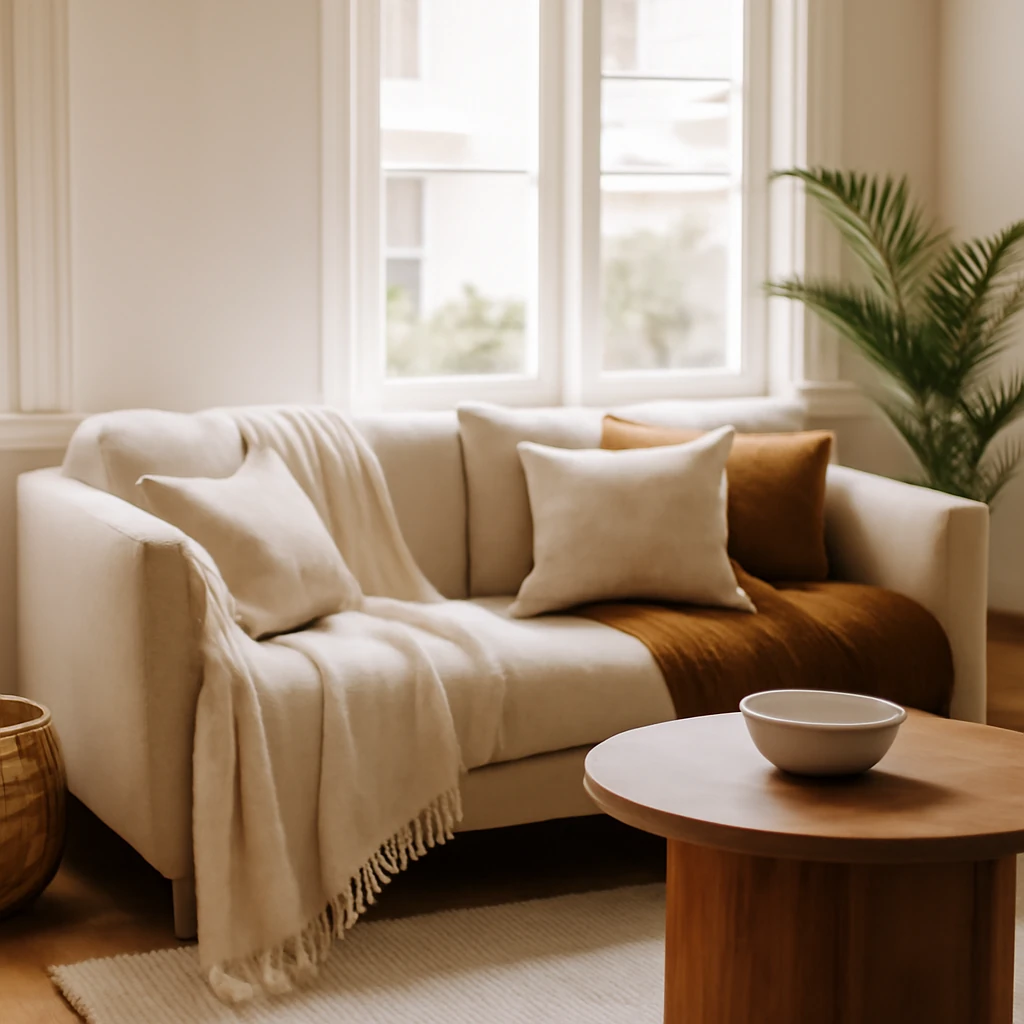
Dressing a Sofa with Throws: A Modern European Guide
A well-chosen throw can do more than decorate a sofa. It adds practicality, soft texture and warmth, while helping to unify a colour scheme in contemporary European interiors. In recent years, the approach to decorative textiles has shifted away from the over-stuffed, uniform look of twenty years ago. Today, the emphasis is on layered textures, subtle contrasts and thoughtful placement. Whether you live in a compact city apartment or a generous family home, there are reliable principles to follow when selecting and positioning throws that feel intentional rather than incidental.
In this guide, we explore how to choose the right decorative textiles, how to adapt them to different room functions, and how to create cohesive layers that enhance comfort without creating visual clutter. The aim is to help you craft a versatile, durable styling solution that remains elegant through changing seasons and trends.
Why cover soft furnishings?
Decorative textiles remain a fundamental element of interior design for several reasons. They protect upholstery from wear, dirt and pet hair, they enable longer life for sofas and chairs, and they provide an opportunity to tie colours, textures and finishes across a space. The ideal approach to a throw is multi-functional: it should protect when needed, add warmth in colder months, and contribute to the room’s overall aesthetic without dominating it. A well-considered arrangement can elevate a seating area, making it feel inviting and well curated.
- Consider the room’s purpose, the presence of children and pets, and how frequently the furniture is used.
- Choose fabrics that harmonise with the sofa’s upholstery and nearby textiles such as cushions and rugs.
- Balance cushions, throws and other textiles to create depth rather than a cluttered surface.
- Layer textures and tones to introduce warmth and tactility, particularly in rooms that feel cold or hard in daylight.
Variants of decorative textiles
In contemporary interiors, designers typically use several textile types, often combining them to achieve a balanced look. The main options include classic covers, slipcovers and traditional throws, each with its own stylistic and functional strengths.
Classic throw - usually a rectangular textile in a range of sizes. Smaller throws may cover only part of the upholstery, while larger ones create a generous drape that conceals the furniture’s silhouette for a neater look. Classic throws are ideal for quick updates and seasonal changes.
Slipcover - a tailored cover that follows the sofa’s form and is secured around the perimeter. It offers maximum protection for fabric, guarding against spills and wear. The downside is a uniform, potentially one-note appearance, for a more personalised aesthetic, many clients opt for custom-made slipcovers in fabrics and colours that reflect the room’s design language.
Throw - a popular solution for modern living rooms. Used as a partial decor element, a throw can accent a seat back, arm, or the front edge of a cushion. It’s easy to change with the seasons or to refresh a scheme without committing to a full cover. Layered throws can create a dynamic focal point while keeping the seating comfortable and accessible.
Which fabric to choose
Material choice is fundamental. It affects how the throw looks, how long it lasts, and how easy it is to maintain. For everyday use, both natural and blended fibres offer practical options. Consider how a textile wears, how it feels to touch, and how it performs with machine washing and drying.
- cotton and linen - natural, breathable textures with an honest, earthy feel. They drape well but are prone to creasing and may shrink with frequent washing.
- microfibre and polyester - convenient for busy households, resisting stains and fading. They tend to feel synthetic, so consider the room’s texture balance when choosing.
- wool and acrylic knits - offer depth and warmth, with excellent insulation. These are best used as decorative accents or in-season pieces due to care requirements.
- leather and faux leather upholstery - opt for denser, slightly textured knits or cotton blends that stay in place and don’t slide easily against slick surfaces.
Natural fur throws convey luxury and tactile richness but can accumulate dust and require careful maintenance. In many European homes, faux fur or plush synthetic textures provide a similar aesthetic with easier care. For everyday use, many people opt for a cosy knit or brushed cotton that breathes, feels premium, and stands up to regular washing. A practical rule is to choose textiles that balance aesthetic appeal with ease of cleaning and resistance to pet hair and pilling.
Sizes
Size choice depends on the sofa type and how fully you wish to wrap the seating. The following are common guidelines for standard European configurations:
- for standard straight sofas, 200 × 220 cm or 220 × 240 cm typically provides adequate coverage and a graceful drift over the edges.
- for compact two-seaters, a 150 × 200 cm throw is usually sufficient to add warmth without overwhelming the piece.
- for corner or modular sofas, 230 × 250 cm or larger can cover seating areas more comprehensively, or consider a two-piece solution that allows targeted protection for the seat and the back.
The aim is to avoid a fabric that looks “stretched” or forms heavy folds. If using multiple pieces, ensure the layers sit naturally and don’t hinder sitting comfort.
As an alternative to a mid-sized slipcover, a bright, decorative topper can prolong the life of the seating by shielding the most-used areas while allowing the original upholstery to show in the more discreet parts of the piece.
Which throw for the room: living room, children’s space, balcony or terrace
The living room calls for textiles that unify the space and hold up to everyday use. In contemporary interiors, understated solid colours with a subtle texture are popular, paired with fewer, well-chosen cushions. For families, blends that resist staining and are easy to wash - such as cotton blends and synthetic fibres - tend to perform best. In children’s spaces, hypoallergenic fabrics, machine-washable weaves and durable quilting offer practicality and safety. Avoid long loops or high-pile textures that harbour dust and are difficult to clean. For outdoor areas, select sun- and fade-resistant fabrics with quick-dry properties and textures that mimic natural fibres while offering resistance to weather. Consider draping techniques that prevent wind from catching lightweight textiles while keeping the overall look purposeful and stylish.
- In a living room, a single neutral throw or a pair of complementary shades can anchor the seating group while leaving room for colour in cushions and a rug.
- In a children’s space, choose durable, machine-washable fabrics in light hearted colours, with geometric or friendly patterns that minimise visual noise.
- For balconies or terraces, look for outdoor-ready fabrics with UV resistance and moisture management. A textured weave can read as tactile and premium even when used in an exposed setting.
General tips: how to layer and place
- To keep interiors looking modern, avoid covering the entire surface of upholstery. Layer only part of the back and seat to preserve the sofa’s essential silhouette.
- Use multiple layers to create depth. A main throw, plus a couple of decorative blankets and a handful of cushions, can yield a rich, multi-dimensional effect.
- Mix textures and tones deliberately. Pair a smooth fabric with a knitted piece, or contrast a wool throw with a cotton cover. Keep colours within a single palette or opt for considered contrasts rather than random clashes.
- A touch of relaxed asymmetry often looks more inviting than perfect symmetry. A casually draped throw over one arm or the back of the sofa can feel purposeful rather than accidental.
- Balance is key. On a large sofa, two or three throws and several cushions tend to look appropriate, avoid overcrowding the seating area with textiles that impede seating comfort.
- If the upholstery is slippery, secure the textile with a non-slip underlay or use larger cushions to anchor the fabric while providing cushioning support.
In a contemporary setting, well-chosen textiles become more than decorative items, they are a tactile signal of comfort and a functional layer that protects and defines space. With a coherent approach to texture, colour and scale, a simple throw can transform a sofa into a focal point that both pleases the eye and enhances daily life.
How to dress a sofa beautifully - practical styling patterns
Below are common styling patterns that work well in European homes. They offer flexibility for many sofa shapes and room styles, from minimal urban apartments to more traditional living spaces. They focus on easy-to-implement ideas you can adapt to your own textiles and furniture.
Patchwork and mixed textiles
A throw made from multiple fabric panels creates a rich, artisanal feel. Layer it over a solid-colour sofa to emphasise its colour, or let it grant presence to a neutral piece. Drape it loosely with a gentle fold along the edge for a relaxed, cosy vibe. When using patchwork, aim for textiles that share a common undertone - this keeps the look cohesive rather than chaotic.
The idea is to blend colours and textures in a deliberate way that anchors the sofa within the room’s palette, rather than creating a collage of disparate elements.
Two pieces from a single collection
For those who prefer a tidy, contemporary aesthetic, pairing two throws from the same collection in complementary colours or textures can achieve harmony without sameness. Place one across the back of the sofa and one across the seat, allowing small overlaps and soft creases to contribute visual interest rather than rigidity. This approach is especially effective on larger pieces where a single throw may feel inadequate.
Maintain cohesion by selecting textiles that share a subtle motif or yarn type - this reinforces a curated, thoughtful look.
Contrasting yet cohesive pieces
Using throws in contrasting colours from the same palette can create depth while ensuring the sofa remains the focal point. Think a muted olive sofa with a terracotta throw and a charcoal cushion, or a warm taupe sofa paired with a pale blue accent.
Some directional guidance: avoid overloading the space with too many competing colours. Instead, choose one dominant shade and introduce one or two accent tones to create a layered, dynamic composition.
Contrasts can be powerful when controlled, the aim is to add interest without visually exhausting the eye.
Checks and patterns
A checked or plaid throw can inject energy into a calm room. Use diagonally placed checks on a corner of the sofa to create movement, while keeping the rest of the textiles quiet. If you have patterned upholstery, opt for a solid or very subtle textured throw to prevent visual noise.
Patterned textiles work best when they anchor the room’s palette and amplify the sofa’s presence rather than fight with the upholstery.
Folded and collapsed arrangements
Sometimes the simplest approach is the most effective. A dense, folded throw placed across the seat edge or a small stack of two throws at the sofa’s end can delineate zones within an open-plan living area. A lightly draped throw over the arm can extend the space’s proportion and soften hard edges.
Modest draping and careful stacking offer flexibility for quick mood changes without full re-styling.
Color pairings: harmonious combinations
Colour is the most immediate way to define a room’s tone. The right throw can either reinforce the sofa’s upholstery or act as a surprising highlight. Here are guidance points to help you select textiles that work well in modern European interiors.
In light tones
- For classic sofas, consider checks or subtle textures in deeper neutral shades to create contrast and depth without overpowering the fabric.
- In Scandinavian-inspired schemes, chunky knits in soft greys, stone, orbone white radiate calm and warmth while keeping the space bright.
- In boho-inspired rooms, light throws with delicate geometric motifs can brighten the space while maintaining a relaxed vibe.
In dark tones
Dark-hued sofas are robust backdrops for lighter throws and vibrant cushions. Pairing dark upholstery with lighter neutrals - creams, oat, sand - creates a striking yet balanced contrast. For dramatic rooms, a deep green, navy or charcoal throw can unify the palette while allowing accent colours in cushions to pop.
- Avoid overly glossy or slick fabrics in very dark schemes, which can read as cold if not offset by texture and warmth.
- In contemporary spaces, combine a textured dark throw with lighter cushions to add dimension.
Pastels
Pastels can soften a room and are especially effective in small spaces or rooms with a lot of natural light. Think soft pinks, powder blues, muted greens and pale yellows, always balancing with neutral furniture to prevent colour fatigue.
- Pastels pair well with warm neutrals like ecru or taupe, creating a gentle, welcoming atmosphere.
- When using pastels on a large sofa, integrate a few neutral cushions to keep the space anchored.
Monochrome and tonal ensembles
One-colour schemes with varying textures are inherently sophisticated. An olive or grey-green palette can feel contemporary and restful when textures range from smooth wool to chunky knits. A well-chosen monochrome approach relies on subtle differences in weave, sheen and light reflection to keep the look interesting.
- For tonal styling, keep the main sofa textile quiet and introduce depth with a layered mix of textiles in slightly different shades of the same colour.
- In living rooms with architectural light, a tonal approach can read as serene and refined while still offering tactile richness.
Pattern-rich textiles with calm upholstery
If the sofa fabric itself features a bold print, choose a plain or softly textured throw in a shade drawn from the print’s palette. If the upholstery is plain, introducing a throw with a more pronounced pattern can act as a designed focal point. The key is containment: one strong pattern paired with calmer pieces keeps the composition coherent.
Check-list: how to neatly cover a sofa with a throw
- Decide the function of the throw - is it mainly to protect, to decorate, or to provide extra warmth?
- Choose the size based on the sofa type and how much coverage you want on the seat and back.
- Select the material for comfort, durability and ease of care, bearing in mind household needs and pets.
- Coordinate colours and textures with existing textiles such as cushions and rugs.
- Consider the placement - a traditional centre alignment, asymmetrical draping, or a casual, relaxed fold can all work well depending on the room’s personality.
- Use layering to create depth - experiment with two or three throws in complementary shades or textures.
- Fix or secure the textile if needed - non-slip underlays or placing folds under cushions can help prevent movement.
- Keep the look balanced - avoid stacking too many textiles on a single seating piece, which can reduce seating comfort.
- Maintain practicality - follow care guidelines and choose fabrics that wear well in your environment.
In a contemporary European living space, the goal is a thoughtful balance between practicality and aesthetics. The right combination of texture, colour and scale can transform a sofa into a warm, inviting hub that remains stylish across seasons.
FAQ
How do I prevent a throw from slipping off the sofa?
Choose textiles with a bit of weight or texture. For smooth fabrics, use a non-slip underlay or tuck the edges beneath cushions and the seat. If using a larger throw, ensure it extends well beyond the edges to maintain a secure hold when seated.
What fabrics are best for households with children or pets?
Look for machine-washable materials with good stain resistance and durability. Cotton blends, performance textiles and microfibre fabrics hold colour well and tolerate frequent laundering. Avoid very loose knits that snag easily or plush fabrics that attract lint and pet hair excessively.
What size should I choose for a corner sofa?
Corner configurations benefit from a larger throw that covers the main seating area and the backrest. A two-piece approach can be practical: one larger throw for the main section and a smaller piece for the ottoman or side extension. Measure the seating depth and width to determine the most functional dimensions for your space.
Conclusion
A well-chosen throw is a versatile, affordable way to refresh a sofa and refine a living space. By considering room function, fabric performance, size and texture, and by applying a thoughtful system of layering and colour pairing, you can create a sophisticated, comfortable environment that remains adaptable as tastes evolve. The modern European home benefits from textile strategies that are flexible, durable and deliberately curated - not merely decorative accessories, but essential elements of daily living.
“Layering textiles in a considered, tactile way is the simplest route to warmth and character in contemporary interiors.”
You may also like these articles
 Colour & Materials
Emerald Green Interiors: Mastering Emerald Across Europe
Luxurious emerald tones for European homes: room-by-room styling.
Tips & How-To
Mirror Frame DIY: A Beginner's Guide for European Homes
Two reliable methods to craft a custom mirror frame for European homes.
Interior Design
A sunlit Provençal-inspired home: warmth, light and crafted charm
A sunlit, Provence-inspired family home blending light, colour and handmade details.