
Explore interior trends, AI design insights, styling guides and real transformations
Minimalism in European Interiors: A Timeless Guide to Calm, Textured Spaces
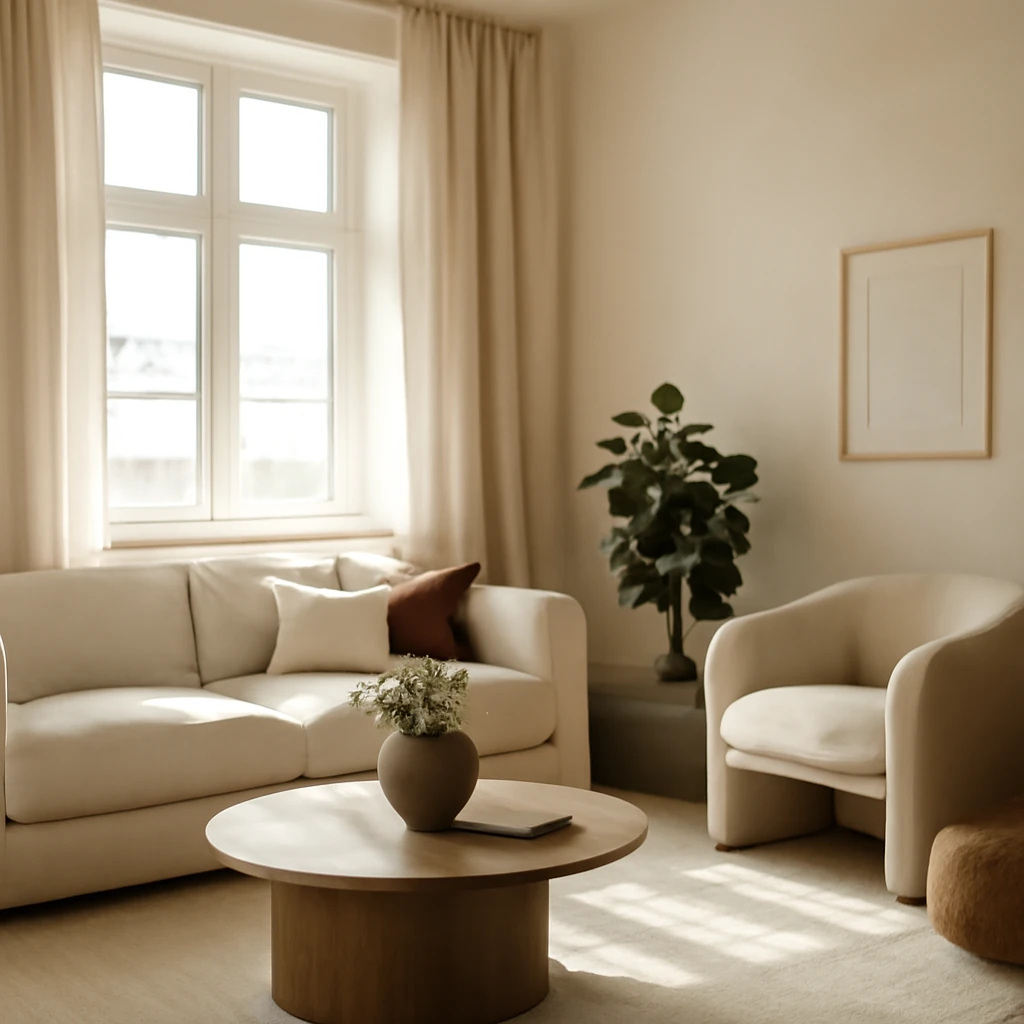
Minimalism in interior design: an enduring, functional approach
Minimalism in interior design is a philosophy of simplicity expressed through pared‑back forms, restrained detailing and a focus on function. In European homes it translates into neutral colour palettes, clear lines and the honest use of natural materials. The aim is not austerity for its own sake, but a sense of calm, order and timelessness that supports everyday living. Minimalism rejects clutter and frivolous ornament, inviting spaces where every element has a clear purpose and a lasting value.
What this article covers
- History of the style
- Why minimalism remains popular today
- Five reasons to embrace minimalism in 2025
- Finishes and surfaces
- Lighting strategy
- Furniture selection
- Colour for a laconic interior
- Decor and textiles: adding texture
- Variants of minimalism in the European context
- Guided approach to finishing a minimalist flat
History of minimalism
Minimalism in its modern form emerged in the early to mid‑20th century as European architects and designers began to move away from ornate historicism. The impulse was to create spaces defined by utility, clarity of form and an uncompromising honesty of materials. In architecture, pioneers of the movement championed clean volumes and open plans that maximise daylight and versatility of use. In interiors, the emphasis shifted to open, uncluttered environments where walls, ceilings and floors form a quiet backdrop for living.
Key milestones include the shift toward architectural minimalism by European practitioners of the interwar and post‑war periods, followed by a broader adoption in late 20th‑ and early 21st‑century urban homes. The style has since evolved, absorbing influences from various European approaches while maintaining its core principles: simplicity, restraint and a deliberate reduction of superfluous elements.
Why minimalism is popular today
The appeal of minimalism in contemporary European living lies in its practicality and serenity. In crowded cities, homes range from compact flats to generous lofts, yet all benefit from ordered spaces that are easy to maintain. A minimal aesthetic reduces visual noise, which in turn lowers stress and supports focused activities - whether studying, working from home, or simply relaxing. For many, a minimalist approach also offers a durable, future‑proof foundation: high‑quality materials and well‑executed craftsmanship outlive fleeting trends and resist wear and tear better than frequently updated décors.
Beyond personal taste, minimalism is wellsuited to evolving European lifestyles. Open plans, modular furniture and adaptable storage help maximise small spaces, while larger apartments can feel refined and expansive through disciplined restraint. In both scenarios, the result is a space that ages gracefully rather than becoming tired or over‑styled.
Five reasons to pay attention to minimalism in 2025
- Clarity and focus: With fewer visual distractions, daily routines feel calmer, enabling better concentration for work, study or creativity.
- Versatility across spaces: Minimalist principles fit city flats, maisonettes and contemporary family homes alike, each benefiting from a tailored approach to scale and proportion.
- Efficiency and order: Multi‑purpose furniture and thoughtful storage reduce clutter, making maintenance and cleaning simpler in busy households.
- Longevity and value: Quality materials and timeless design components resist obsolescence, supporting lower lifecycle costs and a smaller environmental footprint.
- Emotional calm: A restrained palette and tactile materials foster comfort and a sense of sanctuary, particularly valuable in the European urban rhythm.
In 2025, many homeowners are choosing a refined, humane interpretation of minimalism - one that embraces warmth, texture and subtle character without compromising the essential clarity of the design.
Finishes in minimalism
The finishing scheme in a minimalist home should nurture a coherent, calm background that supports daily life. Start with the ceiling: a bright white or a softly warm white creates the sense of height and openness. An alternative is a modern concrete ceiling finished with a smooth skim coat for a contemporary edge.
Walls typically remain neutral - white, off‑white or light grey - so that the light can bounce and spaces feel airy. For a touch of texture without visual noise, consider natural materials such as lime plaster, trowelled plaster or light concrete finishes. These textures add depth and warmth while preserving the restrained aesthetic.
Doors are often pared back to conceal hardware and become part of the wall surface. Hidden or flush doors enhance the uninterrupted lines of a minimalist interior. When selecting flooring, opt for materials that are durable and uniform in tone: solid wood, engineered wood, large‑format porcelain stoneware or polished concrete are common choices. Avoid busy patterns, instead, choose neutral tones and subtle grain that ages gracefully.
Lighting
In minimalist design, lighting is both a practical tool and a design statement. Prioritise natural light as the foundation of the interior, large windows, light curtains and unobstructed views help spaces feel expansive. When artificial lighting is required, use soft, diffuse sources that carve out gentle ambiences rather than uniform glare. Wall sconces, recessed ceiling lights and slim linear pendants in geometric forms work well in minimalist schemes.
Strategic lighting allows specific zones to glow - an architectural feature, a reading chair, a desk - while keeping the overall scene quiet and uncluttered. In living rooms and bedrooms, layered lighting with dimmers creates versatility for work, relaxation and social gatherings.
Choosing furniture
In minimalist interiors, less is more but quality is non‑negotiable. Prioritise well‑made pieces with clean lines and honest finishes. A small number of essential items in high quality will age better and retain their utility. Cheap, disposable furniture undermines the timelessness of the space and may quickly look tired.
For European homes, this often translates into a restrained palette of materials such as timber, stone, wool and linen. Pair warm, natural textures with cooler, modern surfaces to achieve balance. When selecting seating, look for comfort,耐久性 and a silhouette that will remain elegant for years. Storage should be integrated and discreet: wardrobes with flush doors, built‑in cabinetry or floating shelves that keep floors clear and the room legible.
Colour for a minimalist interior
A calm colour base is essential. The standard minimalist palette tends toward neutrals - white, beige, taupe, soft greys - providing a versatile backdrop for furniture and art. A light base enlarges perceptual space and complements daylight variability across European latitudes. Equally, a restrained palette can accommodate warm accents to prevent the environment from feeling chilly.
To prevent the space from feeling sterile, introduce depth with earthy earth tones and subtle colour play. Consider warm browns, terracotta, sage greens, sea‑terry blues or mossy hues as accents. The rule is simple: stick to a narrow palette, ideally no more than three dominant colours, and deploy colour through textiles, artworks and a few sculptural objects rather than across walls and large surfaces.
For those seeking a touch of interior character, carefully selected materials - exposed brick, natural stone, timber veneers - can add warmth without compromising the minimalist credo.
Decor: removing excess
Decor in a minimalist home must be purposeful. The objective is a space that looks clean, feels calm and still communicates personality. Seek items that serve multiple functions or possess a refined, understated detail that adds interest without shouting for attention.
In the living area, living greenery is welcome but should be restrained. Opt for simple, architectural plants in clear vessels on a small stand of metal or stone. Framed artworks should be kept minimal: consider graphic, abstract or avant‑garde pieces with generous negative space. Avoid ornate, busy imagery, instead choose works that complement the geometry and quietude of the surrounding architecture.
Textiles: adding texture
Texture is the secret to warmth in minimalism. A mix of fabrics with different weights creates depth without clutter. In bedrooms, select a single accent fabric - perhaps a throw or cushion - with one or two complementary tones. A soft, long‑pile rug adds tactile comfort underfoot and grounds seating areas. For other spaces, choose smooth and textured textiles in harmonious hues to create a layered but cohesive appearance.
High‑quality textiles - natural fibres like wool, cotton, linen and silk - contribute immediacy and tactility, elevating the overall sensory experience even in rooms that are visually restrained. Avoid cheap, synthetically driven fabrics, which diminish the perceived quality of the space.
Variants of minimalism in the interior
Minimalism has branched into several recognised European variants, each adding nuance while retaining the essential philosophy of simplicity and function:
- Scandinavian minimalism: the most approachable form, it emphasises warmth, daylight and natural materials. The palette remains light and airy, with a focus on comfort and uncluttered functionality.
- Japanese minimalism: influenced by traditional crafts, it centres on restraint, meticulous arrangement of spaces and tactile richness. The look is serene, with careful attention to textures and the rhythm of the room.
- French minimalism: characterised by elegant restraint and refined details. White or pale walls, soft neutrals and a touch of classical refinement - books, sculpture or mantels - can be integrated in a controlled, tasteful way.
Each variant has distinct fingerprints, but all share the vocabulary of geometry, proportion and a disciplined approach to decoration. The modern European home often blends influences to suit climate, culture and the architectural language of the building.
How to make a minimalist apartment warm and inviting?
Warmth in a minimalist apartment comes from texture, materiality and a thoughtful distribution of light. Start by layering textures: a linen wall treatment or warm plaster on one wall can soften a room without breaking its clean lines. In living spaces, a soft wool rug under a seating area, and a cosy throw or two on a quiet sofa, add tactile richness that invites lingering. In bedrooms, a tactile throw, a plush mattress cover or a softly textured headboard can transform the space into a sanctuary while maintaining simplicity.
Introduce a limited number of textures and hues in varying intensities to avoid a flat appearance. The aim is to curate a small set of reliable materials and let their interplay create the atmosphere you want. A well‑chosen piece of furniture - such as a timber bed frame or a stone‑top console - can anchor the room while adding warmth through natural materiality.
In contemporary European homes, the balance between light and warmth is essential. Avoid over‑sterile environments by ensuring that daylight is complemented by warm artificial lighting and textures that softly absorb light rather than reflect it with harsh glare.
Addressing common questions about modern minimalism
What are the defining characteristics of modern minimalism in interior design?
Modern minimalism prioritises simple lines, restrained colour and the use of natural materials. Surfaces are uncluttered, storage is well planned to hide clutter, lighting is understated yet effective. The aim is a space that feels orderly, serene and functional, with every element contributing to a sense of calm and clarity.
Can minimalism be paired with other design styles?
Absolutely. Minimalism is highly adaptable. It pairs well with Nordic influences for warmth and tactility, or with neoclassical elements for a refined contrast - think a sculptural sofa with clean walls and a restrained palette. In urban lofts, minimalist principles can balance the rawness of brick or industrial hardware by introducing softer textiles and lighter timber finishes. The key is ensuring that any added character remains measured and purposeful.
How does modern minimalism differ from contemporary design?
Contemporary design tends to be looser and more eclectic, often embracing a broader palette and a wider array of textures and patterns. Minimalism, by contrast, is more disciplined: a restrained palette, cleaner lines and a deliberate reduction of decorative elements. Contemporary spaces may evolve with trends, while minimalist interiors strive for timelessness and longevity.
What are the pitfalls to avoid when designing a minimalist home?
Avoid mixing overly busy ethnic patterns, vintage pieces with ostentatious detailing, or a proliferation of metallic and mirrored surfaces. These can undermine the quiet logic of a minimalist scheme. For those unsure where to start, consult a design professional who can help craft a coherent plan that respects proportion, light and material quality.
How universally suited is minimalism for different European dwelling types?
Compact city flats benefit from space‑maximising layouts, concealed storage and a restrained palette that amplifies daylight. Maisonettes and larger apartments gain depth from subtle contrasts in texture and well‑placed focal points, while new build and retrofit projects can use minimalist principles to accentuate architectural features such as double‑height spaces or expansive glazing. Across all types, the approach remains flexible enough to adapt to climate, light and personal routine.
How to design a bedroom in a minimalist style?
A minimalist bedroom should feel calm and uncluttered. Start with a simple bed frame in a natural timber or upholstered in a neutral fabric. Keep bedside tables minimal and integrate storage into the design - under‑bed drawers, a slim wardrobe with flush doors. Choose soft lighting, such as warm‑white LEDs with dimmers, and add textiles that offer tactility: a wool duvet cover, a cotton throw and a low‑pile rug. If colour is desired, limit it to one or two gentle accent tones used sparingly across cushions or a single feature wall. The room should promote restful sleep, with a sense of order that supports daily rejuvenation.
You may also like these articles
 Kitchen Design
Kitchen design for timber-built homes: warmth, zoning and sustainable finishes across Europe
Timber homes deserve warm, efficient kitchens with thoughtful zoning.
Small Spaces
A 49 m² European Home: Neoclassical Calm, Clever Zoning and Hidden Storage
Clever zoning transforms a 49 m² European apartment into warm, functional living.
Bathroom Design
Five design concepts for European bathrooms: partitions, niches and tile patterns
Five stylish bathroom ideas blending light, texture and clever zoning.