
Explore interior trends, AI design insights, styling guides and real transformations
Small Spaces, Big Style: European Solutions for Compact Rooms
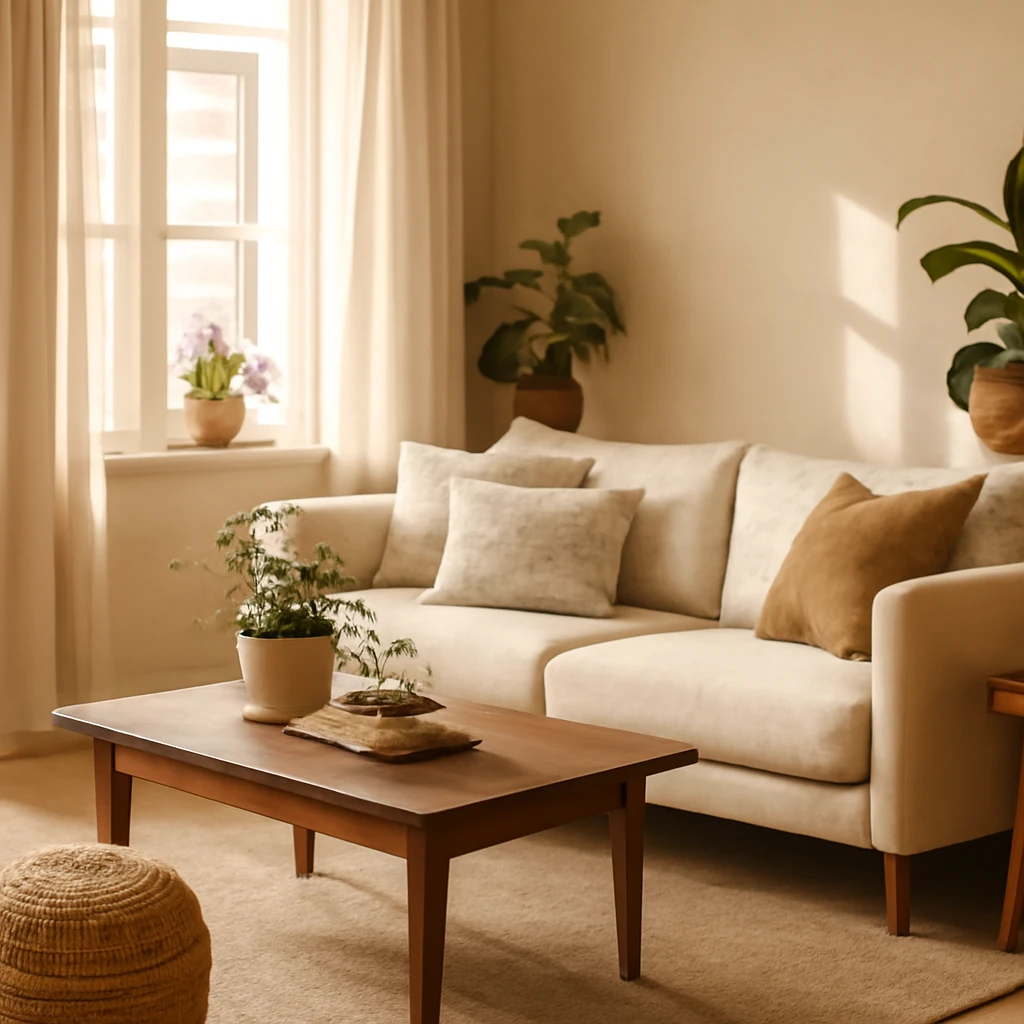
Introduction: the art of designing small rooms in Europe
Across many European cities, compact flats and compact rooms are part of everyday life. Far from being a limitation, a small space offers a canvas for thoughtful design, flexibility and personal expression. The most successful schemes balance proportion, light and function, converting a modest footprint into a space that feels calm, coherent and capable of adapting to changing needs. This article gathers practical strategies - based on contemporary European design practice - for shaping small rooms with confidence, from the choice of colour palettes to clever storage, lighting and furniture systems that maximise every square metre.
Unconventional ideas for small rooms
In small rooms, unusual or multi-functional pieces can create a stronger sense of space than conventional furniture. Look for solutions that hide clutter and reveal surfaces when you need them. Across European homes, built-in and modular furniture is widely used to tailor spaces precisely to the user’s needs.
Consider a bed that folds away into a wardrobe, or a bed that sits on a shallow platform and integrates with desks or shelving. A wall bed with doors, cleverly concealed behind panelled cabinetry, keeps daytime spaces open and visually uncluttered. A bed that transforms into a workstation or dining surface can elegantly separate rest from work without the visual heaviness of partitions. In children’s rooms, a single piece can serve as both a bed and a study space, freeing floor area for play.
Visually enlarging spaces: essential techniques
The primary objective in small-room design is to make zones feel larger and more coherent. Several proven methods can be applied without compromising comfort or style.
- White and mirrors remain a timeless combination for expanding perceived space. A crisp white backdrop reflects light and creates a sense of airiness, while strategically placed mirrors multiply light and depth.
- Smart zoning defines functions without enclosing the space with bulky partitions. Consider sliding panels, open shelves, or low bookcases that act as visual dividers while keeping sightlines open.
- Avoid oversized items or bulky furniture that dominates a room. Choose compact, streamlined silhouettes and scale furniture to the space rather than the room’s potential footprint.
- Light, airy window treatments filter daylight while maintaining softness in the room. Lightweight fabrics or roller blinds let in more light than heavy drapes, helping rooms feel larger.
- Abundant, well-distributed lighting is crucial. Combine ambient, task and accent lighting to erase shadows and create depth. Consider wall washers, recessed fittings or slim-line floor lamps to keep the centre clear.
- Wall coverings and optical illusions can subtly expand a room. Consider wallpapers with vertical motifs to accentuate height, or reflective finishes on selected panels to push back walls without making spaces feel busy.
In practice, the goal is to maintain a consistent colour foundation while using well-chosen accents to create focal points without overpowering the room.
Colour palette: three tones for harmony
A well-considered colour strategy is a powerful tool in small spaces. The classic approach is a three-colour scheme: a dominant colour for walls and major furniture, a secondary colour for a portion of a wall or a feature item, and a vibrant third colour applied to accessories, shelving and textiles. This triad avoids harsh contrasts while delivering personality and warmth.
For most European kitchens, living rooms and bedrooms, a light base - often white, ivory or pale grey - encourages daylight to bounce around. A slightly deeper shade can define an accent wall or a built-in surround, while a saturated hue on cushions, throws or artwork adds energy without overwhelming the space. The key is restraint: select a single bold colour and use it sparingly to avoid visual fatigue.
When planning a small room, test colour in natural daylight and across different times of day. Subtle undertones can shift dramatically under varying light, so it is worth painting large test patches before committing to a finish.
Materials and finishes for compact interiors
Finishes that reflect light and resist wear are particularly valuable in small European interiors. For walls, coloured plaster, a smooth limewash or a satin emulsion can provide a luminous base with tactility. Avoid heavy patterns on main walls, if texture is desired, consider a subtle plaster finish or a restrained wallpaper on a feature wall only.
Flooring choice influences the sense of space as much as wall colour. Light woods in diagonal or oriented grain patterns can visually lengthen a room and add warmth without weight. If budget or structural constraints limit floor replacement, a large-format tile or continuous laminate with a seamless edge can create a false sense of continuity. Ceiling treatment also plays a role: a white or pale ceiling expands the vertical dimension, while a delicate moulding or a shallow coffer can add architectural interest without shrinking the room’s crown height.
The materials you select should respond to a European standard of durability and sustainability. Choose low-emission paints, responsibly sourced timber, and surfaces that are easy to clean. In climate zones with higher humidity, ensure moisture resistance in living areas near kitchens or bathrooms, and select materials that resist wear from frequent cleaning.
Zoning and spatial organisation: practical guidance
Effective zoning is about clarity and flow. In a small room, let furniture define zones rather than erect walls between them. A light divider such as a freestanding shelf, a low cabinet or a moveable screen can create a distinct working area, a sleeping alcove or a cosy seating zone while preserving sightlines and openness.
Face seating towards a focal point (a view, a fireplace, or a feature wall) and arrange furniture along the room’s outer edges. Keeping the central area free enhances the perception of space and allows for easy movement. The aim is to foster a sense of harmony where every item has a defined role.
Ideas for small rooms by function
- Living room: In compact living rooms, opt for modular seating with a low profile. A compact sofa paired with a pair of slender armchairs can create a convivial arrangement without crowding the space. Use a single, substantial coffee table or a pair of smaller tables that can be moved aside when needed. Limit the number of large decorative objects and focus attention on one or two striking pieces, such as a sculptural lamp or a bold rug that defines the seating zone.
- Bedroom: A restful bedroom benefits from built-in wardrobes and a bed with integrated storage. Consider a platform bed with drawers or a bed tucked into a shallow alcove with shelving above. For small bedrooms, keep textiles light and minimal, a single accent colour on the headboard or pillows can create a calm focal point without visual noise.
- Work space: A dedicated work zone should feel calm and uncluttered. A slim desk with under-surface storage, paired with wall-mounted shelves, keeps the work area efficient yet unobtrusive. Choose a chair with a small footprint and ensure sufficient task lighting to reduce eye strain. If space is very tight, a wall-mounted drop-leaf desk can be a clever solution that folds away when not in use.
- Children’s room: In compact children’s rooms, combine sleep and study with thoughtful furniture that maximises storage. A bed with built-in drawers or a loft bed with a desk beneath offers both play space and practical storage. Use light walls and gentle colours, and limit the number of toys visible at once to reduce visual clutter.
Small rooms of different shapes: layout considerations
A square room is inherently the most forgiving for zoning, as it allows flexible layouts and generous options for furniture placement. When possible, use a focal element such as a statement rug or a feature wall to anchor the space, while keeping the furniture aligned with the walls to preserve walking space.
Rectangular rooms demand more careful planning. Consider placing furniture along two walls to create a clear corridor and leave the centre open. Vertical stripes or a cool-toned wallpaper on one wall can visually widen a narrow space, while mirrors on another wall reflect light and depth. Avoid lining all furniture along every wall, instead, use arrangements that form small, functional clusters resembling familiar room zones (a seating area, a sleeping nook, a work station).
In rooms with high ceilings, celebrate proportion with vertical emphasis - tall shelving, amorphous lighting arrangements, and decorative mouldings can create a sense of grandeur without imposing height overload. Conversely, low ceilings benefit from a lighter palette and lower-profile furniture to keep the space from feeling crowded. Ceiling details such as subtle paneling or recessed lighting can add interest without crowding the room.
Mobilier and finishes for small rooms: choosing carefully
In a small room, furniture should be precise, not ostentatious. Avoid oversized, ornate pieces. Opt for pieces with a slender profile, clean lines and soft edges. There is value in vertical storage: tall, slim wardrobes, open shelving that reaches the ceiling, and glass-front cabinets that reflect light. Transparent or translucent pieces - such as glass-topped tables or lucite accompaniments - help spaces feel lighter and more open.
When selecting seating, prioritise low, compact sofas, compact armchairs and nesting tables that can be rearranged as needed. For storage, integrate multi-purpose units: ottomans with hiding compartments, benches with drawers, and modular shelving that can adapt to changing needs. The centre of the room should be kept relatively free to preserve a sense of movement and openness.
Choosing a style for a small room
Style choices can translate well into small rooms when a disciplined approach is taken. The following styles each offer a distinct mood while remaining practical for limited spaces:
- Classic: Timeless combinations of restrained patterns, a white or pale ceiling, natural wood floors and modular storage arrangements. A central chandelier can anchor the room, but keep furniture scaled to the space to maintain elegance and comfort.
- Minimalism: Emphasis on simplicity, precise lines and light colours. Minimalist interiors prioritise de-cluttered surfaces, hidden storage and a restrained palette to maximise legibility and spatial calm.
- Provincial: Warmth and character, with soft colours, painted wood furniture and decorative but not fussy accessories. The aim is a lived-in atmosphere that remains uncluttered and harmonious.
- Country: Natural materials, generous textures and plenty of decorative accents. This style works well in European homes with exposed beams or painted timber floors, provided the space remains legible and not overloaded.
- Modern: Clean lines, tech-friendly materials and restrained decoration. Modern interiors in small spaces thrive on simple geometry and integrated systems, such as concealed lighting and flush cabinetry.
Window treatment: lightness and atmosphere
Windows in small rooms deserve thoughtful treatment. Choose light, translucent fabrics that diffuse daylight without obstructing the view. Roller blinds or light-textured Roman blinds offer practical light control while maintaining a streamlined appearance. Avoid heavy drapes or bulky curtains that can absorb light and weigh down the room. If privacy is essential, consider soft shading or layered treatments that can be adjusted to suit the time of day and mood.
Remember that windows are a principal source of daylight and can dramatically alter the perceived size of a room. Maximising natural light through careful window treatment often has a bigger effect than any single furniture choice.
Ceiling and lighting: creating vertical dimension
A bright ceiling is a powerful instrument in small spaces. White ceilings or very pale tints reflect more light and visually expand the room. For architectural interest, consider understated ceiling treatments - subtle mouldings, recessed lighting or a shallow coffer - rather than heavy ornamentation. Lighting plans should combine ambient, task and accent layers to sculpt depth. A single ceiling pendant may act as a focal point, while wall-mounted fixtures and under-shelf LEDs provide practical illumination without occupying floor space.
Designing a small room: a practical, step-by-step approach
- Measure accurately: Record the exact dimensions of the room, including door swings, window placements and any architectural intrusions. Create a scale plan to refer to as you design.
- Define the primary function: Decide which function dominates the space (living, sleeping, working) and where the main activity should occur.
- Establish a colour strategy: Select a calm base colour and two supporting tones. Test large patches before committing, ensuring the palette works in all lighting conditions.
- Plan storage first: Hidden storage should be central to the design. Built-in wardrobes, under-bed solutions, and wall-mounted cabinetry reduce visual clutter and maximise floor area.
- Choose modular, compact furniture: Prioritise pieces with a small footprint and multiple uses. Avoid deep sofas or bulky tables that crowd circulation.
- Incorporate flexible zones: Use movable screens, low shelves or curtains to create flexible spaces that can adapt to different activities.
- Lighting strategy: Combine three layers of light - ambient, task and accent. Place luminaires to illuminate corners and eliminate shadows that make a room feel smaller.
- Test and iterate: If possible, use 3D planning tools or cardboard cut-outs to visualise the layout before committing to purchases or installations.
Sustainability and European practicality
European interior design frequently emphasises sustainability, energy efficiency and prudent use of materials. When renovating a small room, consider long-lasting finishes, low-VOC paints and responsibly sourced timber. Look for furniture that can be repurposed or reconfigured, reducing the need for repeated replacement. A well-planned small space can be both economical and environmentally friendly, delivering comfort and longevity rather than short-lived fashion.
Practical projects: a blueprint for transformation
To illustrate how these principles translate into real rooms, imagine a modest living space that measures roughly 16–20 square metres. Start with a light base - soft grey walls, a white ceiling, and a pale wood floor. Introduce a single, restrained colour accent such as a pastel blue or sage green on the upholstery or a feature wall. Integrate built-in storage along one wall with a low, modular sofa facing a compact media console. Add a floor lamp and wall sconces to diversify lighting without bulk. A wall-mounted desk can serve as a temporary work nook when needed, while a shelving unit can be reconfigured to separate the living area from a sleeping zone when the room is used for guests.
In a small bedroom of similar scale, a platform bed with drawers beneath can eliminate the need for an extra chest of drawers. A tall wardrobe with mirrored doors can visually double the apparent size of the space, while shelves above the bed provide storage for essentials without encroaching on floor area. The aim is to create a serene, uncluttered sanctuary that can adapt to routine changes and occasional guests.
Final reflections: small spaces as possibilities
Small rooms are not a constraint but a design brief with immense potential. The European approach to small-space living combines honest material choices, modular systems, careful proportion and thoughtful lighting to craft spaces that feel bigger, more coherent and endlessly adaptable. The most successful projects are built on a clear plan, consistency of colour and finish, and a respect for the path of daylight through the room. With a disciplined approach, even the humblest footprint can become a refined, highly usable environment that reflects personal style and supports daily life.
Notes on accessibility and maintenance
In all European contexts, accessibility remains important. Choose furniture with comfortable reach and avoid excessive steps or changes in floor height inside small rooms. Storage units should be easy to use and maintain, opt for materials that resist staining and are simple to clean. Regular decluttering practices help preserve the sense of space and prevent the accumulation of everyday clutter that can quickly overwhelm a small room.
With the right strategies, a small room can exude calm, efficiency and charm. The secret lies in deliberate proportion, light, adaptable storage and a restrained, thoughtful palette that lets the space breathe while remaining deeply functional.
You may also like these articles
 Tips & How-To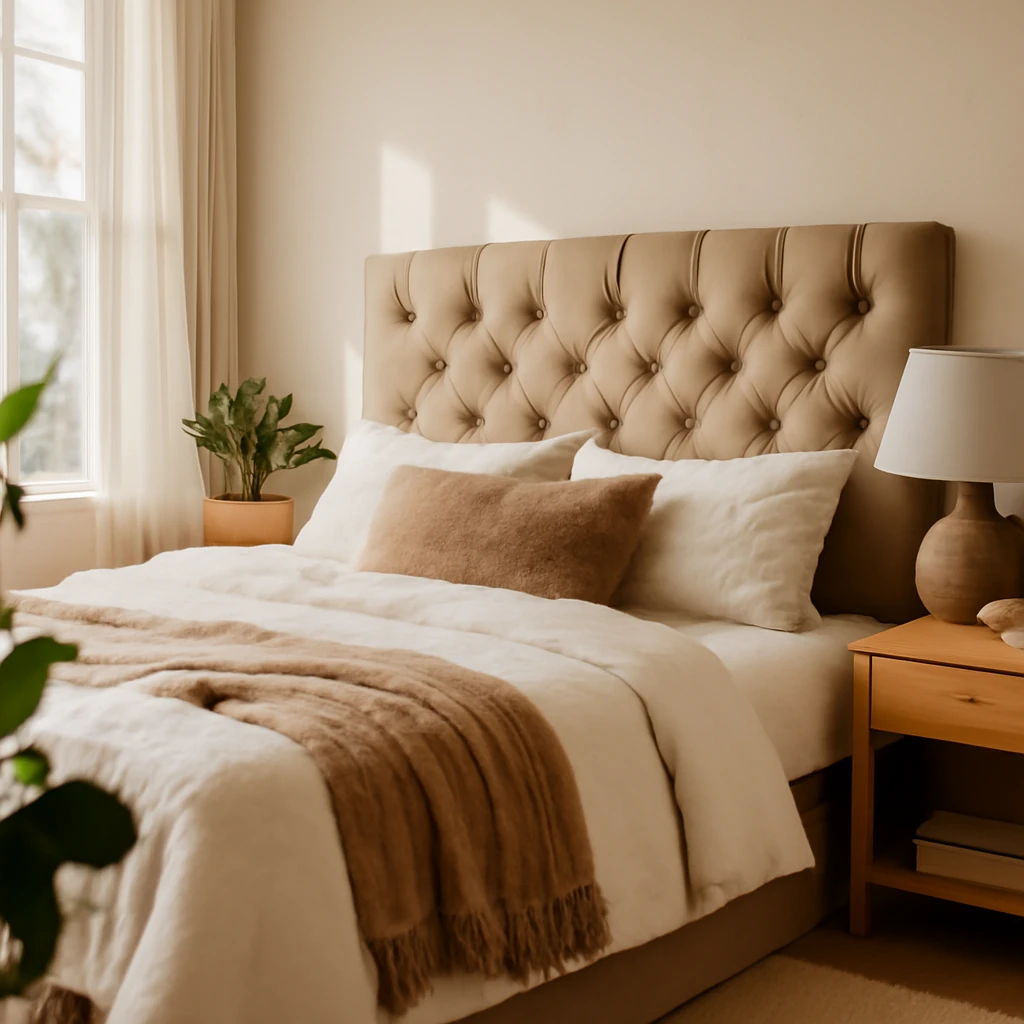
Capitonné Headboard: A DIY Guide to Luxurious Tufted Upholstery
Transform an old frame into a luxe capitonné headboard with foam, fabric and tufting.
Small Spaces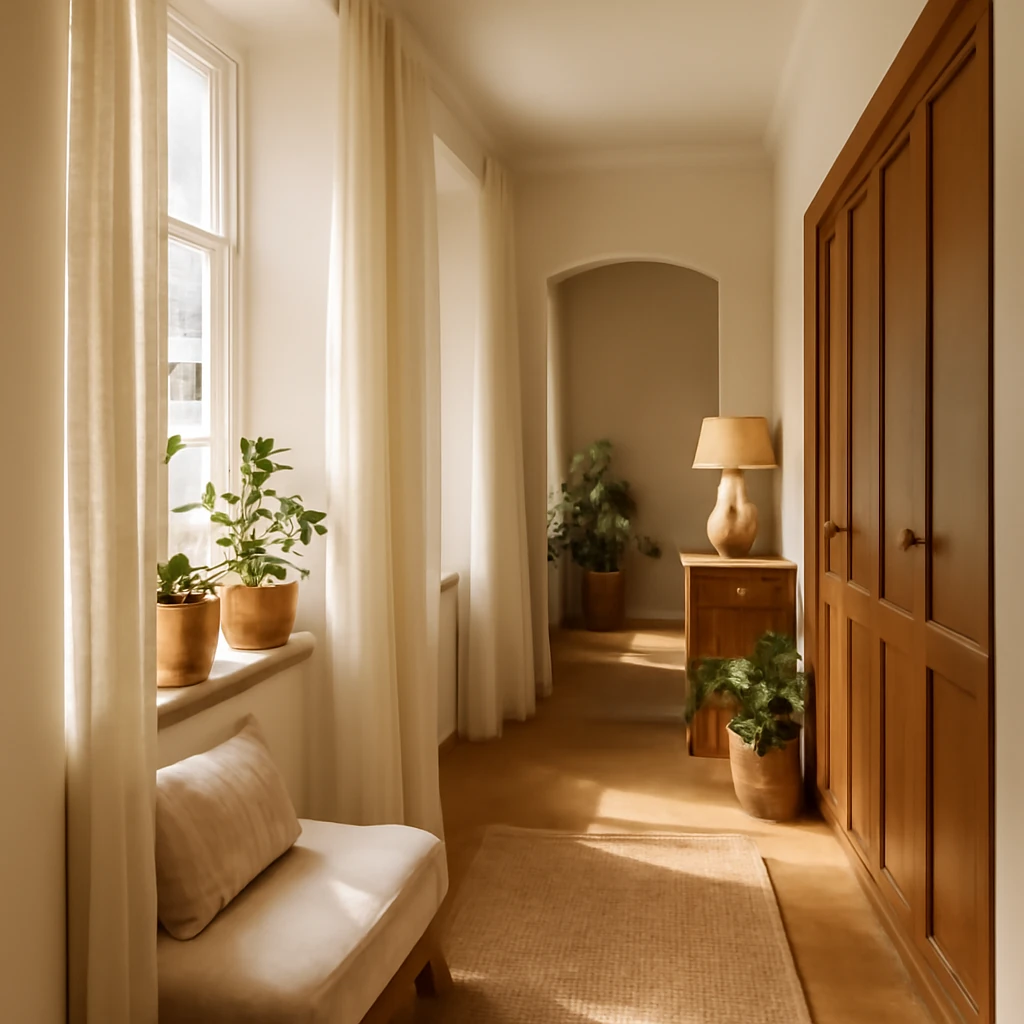
Designing a Narrow Hallway: European Strategies for Light, Storage and Flow
Smart layouts, light finishes and compact storage transform narrow halls.
Colour & Materials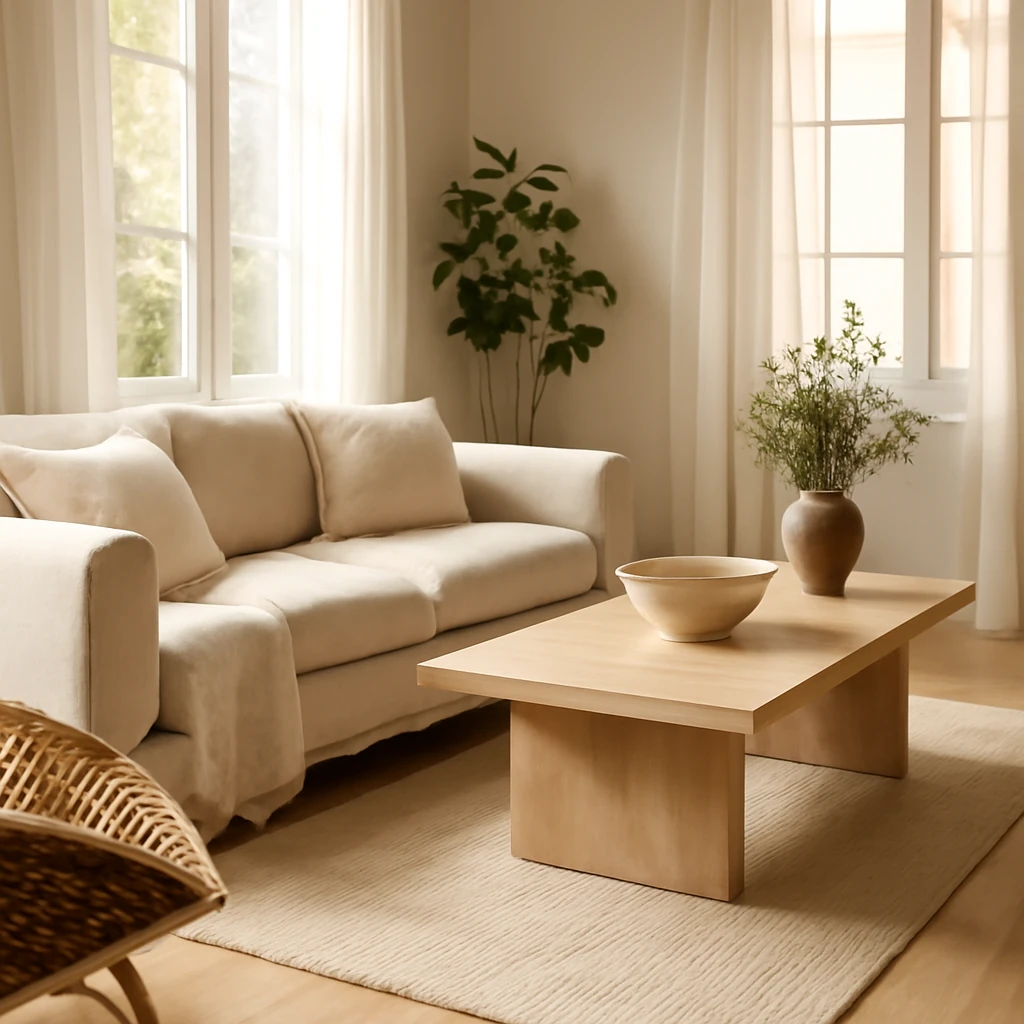
Bleached Oak: A versatile light wood for European interiors
Bleached oak transforms European spaces with light, tactile warmth for floors, walls and furniture.