
Explore interior trends, AI design insights, styling guides and real transformations
Double-height spaces: light, drama and balance for European homes
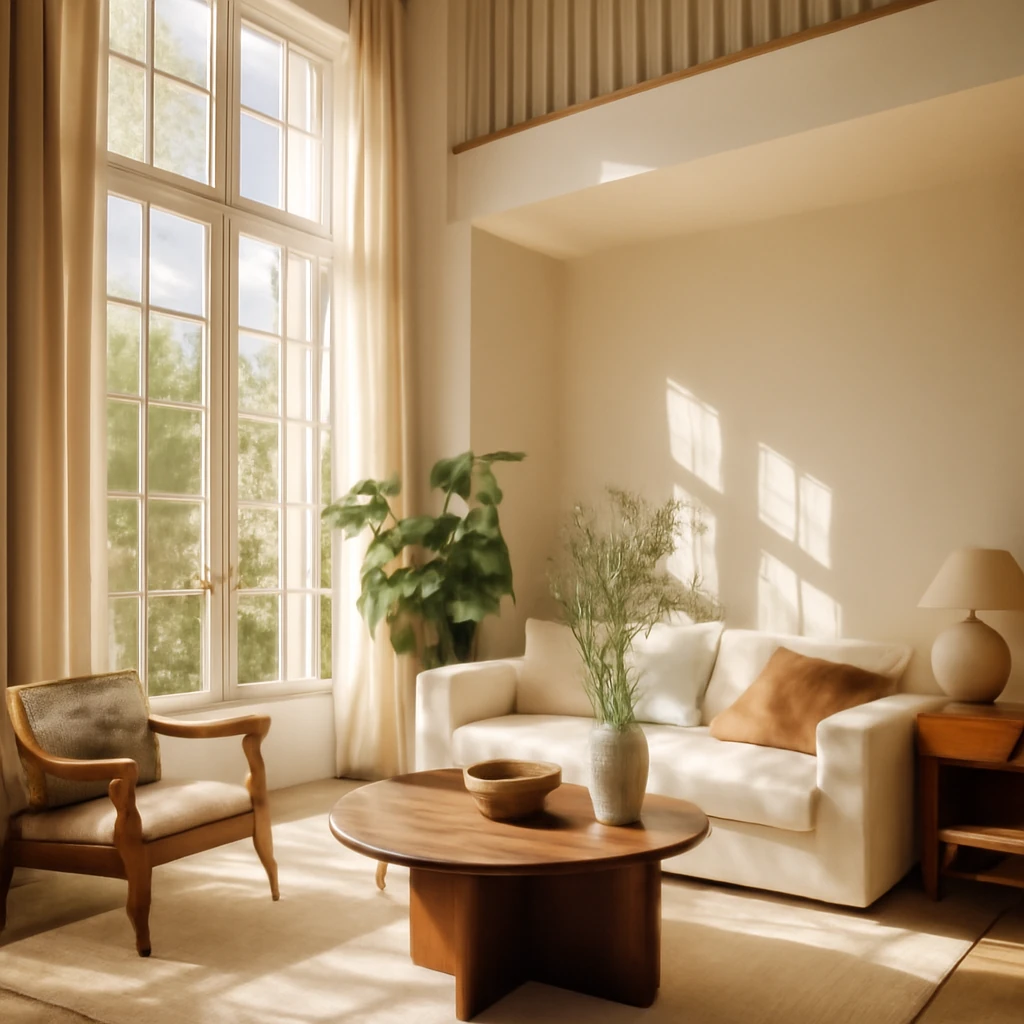
Double-height spaces in European homes
Across Europe, homeowners and designers are increasingly embracing architectural ideas that heighten drama, daylight and a sense of airiness. A double-height space - where a main living area is vertically connected to an upper gallery or mezzanine - creates a remarkable sense of volume while offering opportunities for bold interior design gestures. This article unpacks what a double-height space is, why it resonates in European contexts, and how to plan, light, furnish and maintain these dramatic interiors with practicality and lasting beauty.
What is a double-height space?
A double-height space, sometimes called a two-storey void or two-storey height in a single volume, typically places the primary living area on the ground floor with an open, uninterrupted upper level overlooking it. The upper level might house sleeping areas, a study, or a gallery, but the wall between the floors is designed to create a continuous vertical relationship rather than a conventional, enclosed floor plan. In practice, the ceiling of the ground-floor room forms part of the roof structure, and the upper balcony or gallery is bounded by a balustrade or railing that preserves sightlines between floors. Large, floor-to-ceiling or panoramic windows are common, providing abundant natural light and a direct visual connection with the outdoors.
Why double-height spaces work well in Europe
European aesthetics prize daylight, proportion, and a sense of connection to the surrounding landscape. A double-height space amplifies daylight, reduces the visual weight of a room, and creates a striking focal point within a home. In many European climates, clever glazing strategies - not only for warmth and light, but also for solar control - make these volumes efficient and comfortable. Timber beams, stone or plaster textures, and a restrained colour palette can harmonise the grandeur of height with human scale, bringing a sense of cosiness even within expansive interiors.
Advantages of double-height spaces
- Architectural drama. A two-storey volume offers a theatre-like backdrop for design ideas - from sculptural lighting to oversized art and statement furniture. The vertical emphasis can become a unifying thread across the home.
- Abundant natural light. Large windows and high openings capture daylight, creating a bright, inviting atmosphere during the day and an ever-changing canvas at dawn and dusk.
- Flexibility in zones and circulation. An upper gallery provides opportunities for a quiet reading nook, a home office, or a display of books and artefacts, while the ground floor remains open for social gathering and family life.
- Improved connection with the outdoors. The visual dialogue between interior and exterior sharpens the sense of place, particularly when glazing looks towards gardens, courtyards or city skylines.
Challenges and considerations
With drama comes responsibility. Double-height spaces demand careful planning to ensure comfort, efficiency and safety. Below are the core areas to address early in the process.
- Acoustics. The absence of a traditional ceiling can allow sound to travel more freely between levels. Plan for acoustic treatment with soft furnishings, textiles, wall panels, and a strategic layout that places bedrooms and study zones away from the living area.
- Heating, ventilation and cooling. Large glazed surfaces can create heat gain in summer and heat loss in winter. A well-considered HVAC strategy - often including layered heating via underfloor systems, efficient radiators at low levels, and controlled ventilation - keeps temperatures even and comfortable.
- Maintenance of glazing and surfaces. Panoramic or floor-to-ceiling windows require regular cleaning and protective glazing coatings. Plan access for cleaning, with durable frames and compatible seals in mind.
- Stairs and safety. A robust staircase with proper balustrades, tread depth and handrails is essential. If the upper level is a gallery, ensure sightlines are secure and child safety considerations are addressed where relevant.
- Structural implications and cost. Extra height and bridging elements may impact construction complexity and budget. Collaboration with a structural engineer early in the project ensures the design is feasible and efficient.
Planning guidelines for European homes
Thoughtful planning translates height into a coherent, liveable environment. The following guidelines help balance grandeur with practicality.
Ceiling heights and structural logic
Ground-floor living rooms in modern European homes commonly achieve ceiling heights from about 3.5 to 4.5 metres, while more ambitious two-storey volumes can reach 5 to 7 metres. When planning, consider how doors, wardrobes, and furniture will relate to the upper level. Proportions matter: overly tall furniture in a vast space can read as empty unless scaled carefully with generous floor areas and well-considered textures.
Glazing strategy and daylight management
Two-storey glazing can be paired with shading strategies - external louvers, retractable screens or interior roller shades - to manage glare and heat gain across seasons. In northern or coastal regions, larger openings maximise daylight during shorter winter days, while in southern climates, solar control becomes crucial to prevent overheating in summer.
Heating, cooling and ventilation
Plan for temperature stratification and fresh air distribution. Underfloor heating (active at ground level) combined with high-mass walls or timber cladding can stabilise temperatures. Consider mechanical ventilation with heat recovery (MVHR) to maintain air quality without sacrificing energy efficiency, especially where the upper gallery reduces natural airflow to lower levels.
Acoustic considerations
To mitigate echo and noise transfer, implement soft surfaces on walls and floors, such as timber flooring with layered rugs, fabric wall panels, and ceiling treatments that absorb mid-to-high frequencies. Strategic placement of acoustic screens or decorative partitions helps define spaces without breaking the visual openness.
Lighting design: layers for every moment
Lighting should operate on multiple layers: general illumination for everyday living, task lighting for kitchens and work zones, and decorative lighting that highlights architectural features. Because double-height spaces concentrate light differently, consider ceiling-mounted fixtures with dimming controls, wall washing to reveal textures, and floor-level lamps to anchor seating clusters.
Materials and finishes that harmonise height
To balance scale, select materials with tactful resonance. Light-coloured plaster, natural stone, timber with warm undertones, or graphite-hued metals can ground the space. Use ceiling treatments - hidden or exposed beams, for example - to add texture and warmth without visually shrinking the volume.
Furnishing and decoration strategies
With high ceilings, scale and proportion are vital. Avoid crowding, instead, curate furniture to create intimate zones within a generous space.
- Scale and placement. Large, well-proportioned sofas and dining tables set the human scale. Occupy the ground-floor zone with generous seating around a focal point such as a fireplace, TV wall, or a sculptural coffee table.
- Zoning through furniture and colour. Use rugs, bookcases, screens, or a change in material to delineate areas - living, dining, and circulation. Richer textures on the seating can anchor the space visually and acoustically.
- Vertical accents. Tall curtains, oversized mirrors, and tall plants reinforce the sense of height while drawing the eye upward and creating a more intimate feel at eye level.
- Artwork and focal points. A commanding piece on the gallery wall or a striking fireplace can serve as a vertical anchor that balances the open volume.
Practical design ideas and scenarios
Below are design concepts that illustrate how double-height spaces can function across European homes - from rural villas to urban lofts.
Concept 1: Alpine countryside villa with a library gallery
Imagine a stone-and-timber villa set against mountain scenery. The ground-floor living room spans 60–90 m² with a ceiling height of 5 m. A mezzanine gallery lines one side of the room, furnished as a library with floor-to-ceiling shelves and a comfortable reading alcove. A stone fireplace sits as a vertical focal point, with a large sofa arrangement directed towards both the hearth and the view beyond oversized glazing. Natural materials - undressed timber beams, warm stone, and soft wool textiles - create a tactile, inviting atmosphere. The upper gallery serves as a cosy study and a place for contemplation, with a slim balustrade that preserves sightlines and a distant sense of openness.
Concept 2: Urban two-storey loft with a theatre of light
In a contemporary city setting, a two-storey living room can be created within a new-build or a refurbished townhouse. A 6 m-high space with a wide stair linking the ground floor to a mezzanine offers opportunities for dramatic lighting: a slim, elongated chandelier suspended along the length of the room, paired with wall washers that reveal architectural materials. The upper gallery houses a compact home office, with a privacy screen to separate work from social zones. Large-scale glazing looks out onto a private courtyard or a cityscape, while operable skylights introduce fresh air in summer without compromising thermal performance.
Concept 3: Coastal villa with a calm, light-filled hall
Consider a coastal residence where the main living area opens to a terrace through expansive windows. Ground-floor height of 4.5 m accommodates a balcony above the living zone. A restrained palette - soft blues, pale greys and warm oak - creates the sense of air and light. A gallery above functions as an art display and reading nook, with a slim staircase and discreet storage integrated into the upper level. The result is a bright, serene environment that feels connected to the sea and sky while maintaining practical comfort for family life.
One more note on vertical design details
In practice, successful double-height interiors balance aesthetics with function. Details such as the height of the balustrade, the spacing of rails, the use of timber or metal in the stair design, and the choice of lighting fixtures all influence how the space reads at different times of day. A carefully designed two-storey volume invites daily life to unfold with a sense of theatre without feeling harsh or imposing.
FAQ: common questions about double-height spaces
-
How does a double-height space affect interior perception?
It enlarges the perceived volume of the home, making rooms feel more expansive and connected to the outdoors. The vertical axis invites the eye upward, creating a sense of grandeur that can also improve mood and daylight utilisation throughout the day.
-
Can this design be achieved in a one-storey house?
Yes, by incorporating a mezzanine or gallery that overlooks a double-height living area, even in a villa with a single-storey plan. Skylights and a carefully choreographed lighting plan can simulate the sense of openness typically associated with two-storey volumes.
-
What are the common mistakes to avoid?
Underestimating insulation and ventilation needs, over-reliance on glazing for climate control, and misjudging the scale of furniture in relation to the height of the space. It is also important to plan for acoustic control and maintenance of tall windows and high-level features.
Closing thoughts
A double-height space can elevate a home into a new realm of light, air and social possibility. The architectural appeal is substantial, but the real success lies in translating height into a balanced lived environment: a space that is generous in scale yet intimate in its daily use. With thoughtful planning - addressing structure, climate, acoustics, lighting and furniture - European homes can realise the drama of two-storey voids while maintaining warmth, practicality and comfort for everyday life.
Notes for practitioners
Architects and interior designers working on double-height projects should begin with a robust briefing: outline the intended use of the upper level, determine quiet zones from social zones, and verify how daylight shifts through the year. Engage engineers early to optimise structure and ventilation, and collaborate with specialists in acoustics and high-level cleaning to ensure the design performs as beautifully as it looks across seasons.
You may also like these articles
 Renovation
Rethinking the Bedroom: Six Principles for a Healthy, Stylish Retreat
Six practical tips to create a healthy, stylish European bedroom.
Lighting
Layered bedside lighting: reading, ambience and sleep in European bedrooms
Layered bedside lighting for reading, ambience and sleep in European bedrooms
Kitchen Design
Clever Design Strategies for a 6 m² European Kitchen
Make a 6 m² kitchen feel spacious with smart layout & finishes.