
Explore interior trends, AI design insights, styling guides and real transformations
English Style in Interiors: Five Defining Features
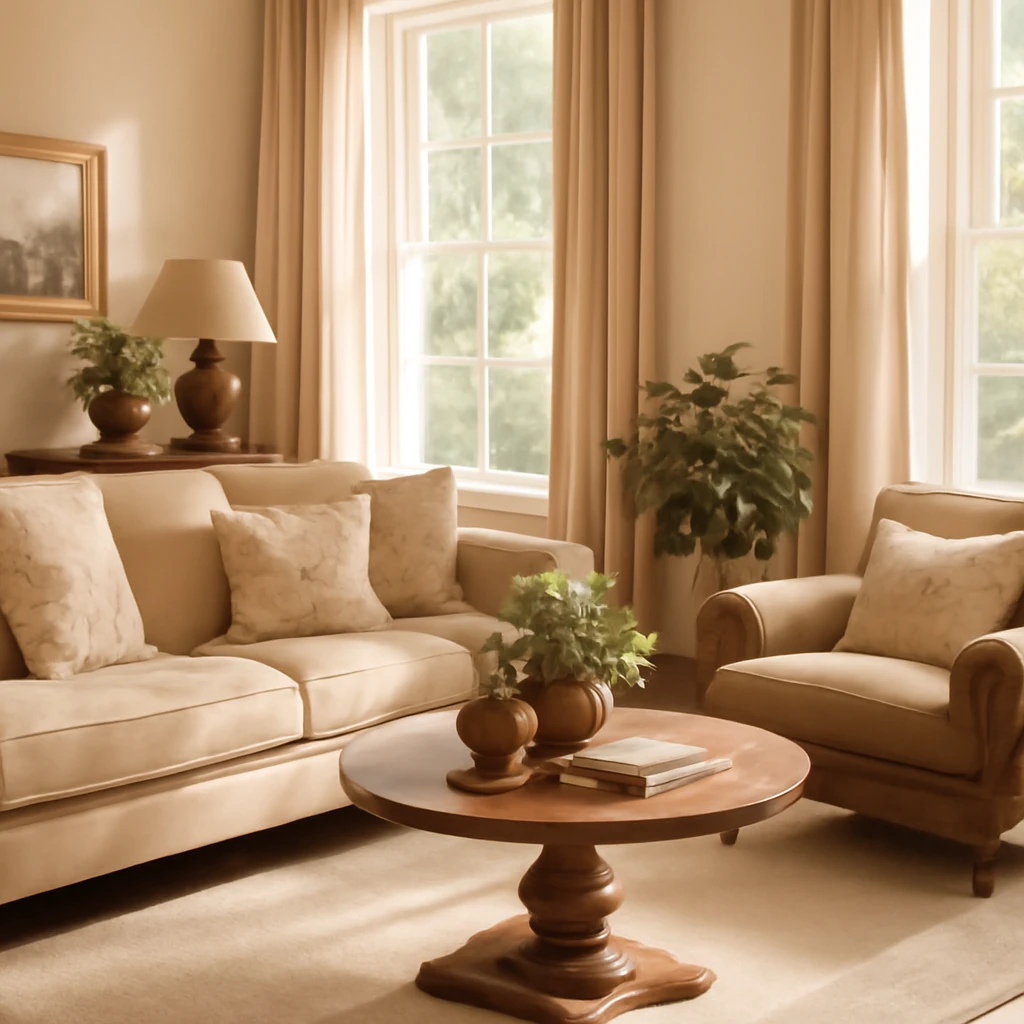
Introduction
Across Europe, the English approach to interior design has endured as a language of warmth, texture and quiet confidence. Rooted in the Georgian emphasis on balance and the Victorian devotion to comfort, this style has evolved into a refined yet approachable aesthetic that translates from grand townhouses to contemporary flats. The essence lies in the craft of materials, the poetry of proportion, and the ritual of everyday living - the very qualities that make a home feel timeless rather than trend-driven. In the following five sections, we explore defining characteristics of English-influenced interiors and show how to adapt them to diverse European contexts, from compact city apartments to generous family homes, without losing the soul of the tradition.
1. Tradition
Tradition in English-inspired interiors is practical and precise: each room has a clear purpose, and the layout supports convivial living. The kitchen is a social hub where cooking becomes a shared ritual, the bedroom is a retreat of calm, the living room gathers family and friends around comfortable furniture, a warm colour palette, and a sense of familiar hospitality. Expect pieces such as inviting armchairs, intimate coffee tables, consoles, pouffes, and a curated selection of bookcases and sideboards. A sofa arrangement around a focal point - typically a fireplace or a fireplace alternative - signals a room designed for conversation and comfort rather than spectacle.
In European contexts where floor plans vary, the principle remains the same: define function first, then select furniture that supports proportion, comfort and human scale. Heavy, explicit partitions are less common, instead, spaces are subtly defined by lighting and furniture placement. A diverse but cohesive lighting scheme - a mix of wall lamps, table lamps, and the soft glow of a fire or its modern substitute - can create the room’s mood without relying on architectural segmentation. The goal is a room that feels purposeful, intimate and easy to inhabit, with an air of understated elegance rather than rigid formality.
Practical tip: when working with smaller, European apartments, use a strong anchor piece - a substantial sofa, a carved sideboard, or a statement rug - to ground the room. Then layer lighting, textiles and soft furnishings to create depth and warmth without crowding the space.
2. The Arts and Crafts heritage
The English interior owes much to the Arts and Crafts movement, which celebrated hand-crafted finishes, natural materials and a calm, honest aesthetic. In contemporary settings, this translates to fabrics and wallpapers with botanical or nature-inspired motifs, balanced by restrained colour palettes and timber details. Florals and leaf patterns appear in upholstery, curtains and cushions, but they’re tempered by solid woods, matte paints and simple profiles that avoid visual clutter.
Pattern is used with intention. Wallpaper with floral repeats or horizontal stripes can add character without overpowering a room, and it is a practical device for creating the illusion of height in a European ceiling. Wainscoting, panelled walls, or moulded frames can emphasise craftsmanship and texture, while maintaining a humane scale in rooms of varying sizes. Windows - particularly sash or timber-framed types common across historic European cities - contribute not only light but a sense of architectural continuity with the interior decoration.
In practice, aim for a balanced dialogue between ornament and restraint. Pair a botanical textile with a solid-painted wall, or soften a busy pattern with natural fibre curtains and a leather or linen-upholstered chair. The result should feel crafted rather than decorative, with a sense that every element has a purpose and a provenance.
3. Massiveness and refinement
One of the most recognisable characteristics of English interiors is the juxtaposition of mass and refinement. Furniture sits on the edge of grandeur yet remains deeply comfortable. Classicism supplies symmetry and proportion, while rococo-inspired curves and delicate details lend lightness. A capitone or diamond-quilted finish on upholstery adds a tactile richness that makes even substantial pieces feel approachable and human.
The iconic Chesterfield sofa, with its deep buttoning, rolled arms and generous scale, acts as a statement piece capable of anchoring a living or reception room. Other furnishings - armchairs with carved legs, console tables with curvaceous silhouettes, and cabinets with subtle mouldings - should harmonise with this central anchor rather than compete with it. The aim is a cohesive hierarchy: a sculptural focal piece, well-proportioned secondary furniture, and textiles that bring warmth and softness to the scene.
Attention to detailing elevates the entire ensemble. Nailhead trim, decorative wood carving, and upholstery that demonstrates craftsmanship all contribute to an interior that reads as refined, yet lived-in. Layer fabrics such as velvet, chenille or woven wool with solid colours to create depth without visual chaos. In European homes where space and light can be at a premium, scale is essential: ensure every item is in proportion to the room’s footprint and to the other pieces around it, so the space feels generous rather than crowded.
4. Object-led interiors
In English-inspired interiors, the character of a room arises from the objects on display. The home becomes a curated cabinet of curiosities: open shelving and glass-front cabinets filled with porcelain, teapots, fine china, glassware and carefully chosen keepsakes. Libraries brim with books, while a desk or cabinet houses a well-considered selection of stationery and office pieces with a timeless vibe. Collectibles - whether inherited heirlooms, travel mementoes, hunting trophies, or artful artefacts - signal a life well lived and a history of journeys.
Display strategy matters. Paintings and prints are arranged in comfortable groupings that invite conversation, while fabrics and lighting soften the walls and create warm pockets. Tapestries or embroidered textiles can add a tactile layer that reads as both historical and modern when paired with contemporary frames or minimalist shelving. The art of display in this style balances reverence for the object with an eye for harmony, ensuring every item contributes to a broader story rather than appearing as a random collection.
European homes benefit from this approach because it blends local craft with imported influences in a balanced way. Use a few well-chosen pieces that speak to the room’s personality, rather than filling every surface. The goal is a thoughtful, story-rich environment where objects are meaningful, not merely decorative.
5. One cohesive whole
The strongest English interiors feel like one living organism rather than a patchwork of rooms. A unifying thread - often timber or wood-like finishes - runs through floors, walls, ceilings and furniture, creating a continuous rhythm that makes spaces feel connected and comfortable. Even when modern materials appear, they should sit within a warm, wooden-led palette to preserve the sense of continuity and tactility.
In contemporary European contexts, achieve unity through deliberate material selection and a restrained palette. Dark-stained floors or warm wood veneers can be extended from room to room, while textiles and metals echo across upholstery, lighting, and hardware. The resulting space exudes a calm confidence: the eye moves naturally from one element to the next, finding comfort in the quiet cadence of colour, texture and proportion.
To maintain this coherence, consider the following practical steps: define a consistent range of woods (for example, walnut, oak or stained ash), select textiles in a shared spectrum (creams, greys, warm taupes, with occasional colour accents), and pair furniture silhouettes that speak to a common lineage - whether antique, reproduction or modern. The philosophy is less about replication and more about resonance: a home that feels thoroughly English in its lineage, yet authentically European in its daylight, scale and comfort.
Conclusion: translating five defining features into European homes
Applying these principles thoughtfully allows for a highly personal interpretation of English interior style that respects regional architecture and climate. Start by defining the room’s purpose and the emotional tone you want to achieve. Choose a focal piece that embodies tradition and quality - whether a substantial sofa, a carved sideboard, or an elegantly framed fireplace surround - and build the rest of the space around it with a curated set of textiles, lighting, and objects. Use pattern sparingly, favour natural materials, and always consider proportion and light. With careful selection and layering, even compact flats can achieve a cosy, timeless ambience that feels distinctly English in spirit, while remaining perfectly at home within a European context.
You may also like these articles
 Renovation
Wall Levelling: A European Guide to Perfect Walls
Practical, step-by-step guidance on wall levelling for European homes.
Interior Design
Designing a European Country Home: Spaces, Styles and Practical Planning
Timeless ideas for cosy, practical European country homes.
Tips & How-To
Preparing for the Handover: A Comprehensive European Guide to New-Build Flats
A practical guide to inspecting and accepting a European new-build flat.