
Explore interior trends, AI design insights, styling guides and real transformations
American Style in European Interiors: A Practical Guide
Introduction
American interior design has long been associated with comfort, democratic aesthetics and a confident mix of eras. In European homes, this modern American vibe has evolved into a versatile language that blends practicality with cosmopolitan flair. The goal is to create spaces that feel generous, easy to live in and subtly dramatic without shouting for attention. The result is a design approach that can sit comfortably in a city apartment, a compact family home or a rehabilitated town house, provided the detailing is thoughtful and the materials chosen with the surrounding architecture and climate in mind.
A brief history of the American interior style
Origins and the Art Deco influence
The American interior has never been a strict imitation of one single moment. Early expressions drew from English classical forms and regional materials, then absorbed the glamour and geometry of Art Deco and the modernising energy of the mid‑century period. In Europe, this translated into a refined version of the classic American living room: comfortable seating arranged around a central hub, with refined decorative accents and a sense of spaciousness.
From ranch homes to contemporary technology
In the decades that followed, domestic planning in the United States was influenced by suburban expansion: open plans, large kitchens with central islands and a strong kitchen‑to‑dining connection. In Europe, the translation was a careful balance between openness and privacy: rooms that feel expansive yet retain intimate zones for sleeping, dressing and personal care. Today, the modern American‑inspired interior often features a curated mix of styles - industrial, traditional, mid‑century, and contemporary - integrated with smart technology and energy‑efficient systems.
From heritage to high‑tech comfort
The 21st century has seen a renewed interest in the principles of comfortable, well‑organised living: light‑flooded spaces, practical storage, robust materials and quiet luxury. In European settings, this has meant adapting the American penchant for scale and sociability to the realities of compact flats, historic façades, and local building regulations, while emphasising sustainability and local materials.
Core principles and planning for European homes
What makes the American style uniquely adaptable to European spaces is its emphasis on function, comfort and a confident but restrained aesthetic. The following principles can help tailor the look to a European context:
- Centre‑driven living: the living room often anchors the home, with a focal point such as a fireplace, media wall or a substantial sofa grouping and a surrounding seating circle that invites conversation.
- Open yet legible layouts: spaces flow into one another without heavy partitions, but sleeping and personal care areas remain clearly defined with doorways, subtle screens or architectural cues.
- Island layouts and anchored work zones: kitchens frequently feature an island or peninsular worktop that acts as a social and culinary hub, while keeping the cooking work separate from dining spaces when needed.
- Symmetry and proportion: a calm, balanced arrangement of furniture and architectural elements contributes to a timeless feel, especially in living and dining zones.
- Storage as design: clever built‑ins, loft storage and recesses help maintain an uncluttered look while accommodating family life and hobbies.
- Quality materials and approachable finishes: durable, cost‑effective materials that age well are preferred, often with a light emphasis on wood, stone and refined textiles.
Colour, materials and finish in European settings
The European interpretation of American styling tends to favour neutral bases with confident contrasts and a restrained palette that still carries warmth. A typical scheme might include white, greys, taupes and warm woods, punctuated by accents in soft blues, greens or terracotta. The effect is a room that feels spacious yet cosy, where natural light plays a central role in shaping the mood.
Key material choices include:
- Wood: light or mid‑tone timber for floors and cabinetry to create warmth without heaviness. Engineered wood or wood alternatives offer sustainability and stability for European climates.
- Stone and porcelain: porcelain tiles, engineered stone or marble accents for kitchen islands, bathroom floors or entrance zones, offering durability and ease of maintenance.
- Textiles: natural fabrics such as linen, cotton and wool in solid colours or restrained patterns provide tactile depth without visual clutter.
- Finishes: matte walls with occasional gloss or satin surfaces, coving, mouldings and archways help articulate space with subtle elegance.
Renovation and construction details
Renovating in a contemporary European home that borrows from American design requires attention to structural possibilities and local building practices. The following guidelines help translate the look while respecting climate, energy efficiency and heritage considerations.
Walls are typically finished smooth and painted in a matte or eggshell finish. Soft white or warm neutrals are common, with feature walls in a controlled palette to avoid overpowering the room. In heritage buildings, plasterwork and subtle paneling can add character while remaining compatible with modern insulation and vapour barriers.
Ceilings are commonly kept clean and light, with possible decorative plasterwork or mouldings in living areas. In kitchens and dining zones, exposed timber beams or faux beam detailing can nod to a rustic‑American influence while remaining appropriate for European interiors.
Floors favour timber or high‑quality engineered alternatives in lighter tones to enhance space and daylight. In wet areas and high‑traffic zones, durable ceramic or stone tiles are appropriate, while underfloor heating can be a valuable addition in many European homes, reinforcing comfort underfoot.
Systems should be integrated with an emphasis on comfort and energy efficiency. Insulation, ventilation, warm‑drying technologies and quiet, energy‑efficient heating contribute to a lived‑in, European‑friendly interpretation of the American style.
Furniture and layout principles
In American‑influenced interiors, furniture is typically substantial yet approachable, with clean lines and comfortable proportions. In Europe, you can achieve the same effect by selecting pieces that are robust, easy to maintain and well proportioned for the space available. Key layout ideas include:
- Central seating cluster: a generous sofa accompanied by armchairs and a coffee table forms a sociable circle around a focal point such as a hearth, media wall or feature rug.
- Shelving and storage along walls: cabinets, bookcases and wall panels maximise vertical space without disrupting openness.
- Coherent styling: a consistent design language within a room or a zone - comparable finishes, tones and silhouettes - helps unify a space that draws on multiple influences.
- Function before form: prioritise comfort and usability, decorative elements should enhance rather than obstruct daily life.
- Satellite rooms and intimate areas: while the main living area remains generous, auxiliary spaces such as a reading corner, a study nook or a compact dining alcove can offer privacy without sacrificing openness.
Lighting and the importance of daylight
Natural light is central to the American aesthetic, and European homes often benefit from generous glazing, terraces or balconies. The lighting plan combines daylight engineering with layered artificial light to create warmth and function across different zones.
- Layered lighting: combine ceiling fixtures, wall lights and table or floor lamps to sculpt space and avoid glare.
- Perimeter lighting: wall washers or subtle cove lighting along architectural features can emphasise scale and detail without overpowering the room.
- Materials that glow: bronze, brass and warm metallic finishes harmonise with natural textures and soften the overall aesthetic.
Textiles and decorative accents
Textiles carry substantial expressive weight in American‑inspired interiors. In Europe, where wardrobes are often smaller, textiles can transform a room’s personality with ease. Consider the following approach:
- Curtains and soft furnishings: choose heavier fabrics for warmth and acoustic comfort, with restrained patterns and solid neutrals to maintain a calm base.
- Rugs: use area rugs to anchor seating groups and define zones, avoid covering entire floor space, which can overwhelm a compact room.
- Art and family mementoes: curate a handful of meaningful pieces, rotate or update with seasons to keep the space vibrant without clutter.
- Greenery: indoor plants bring life, soften hard surfaces and improve air quality in European climate conditions.
American style in European spaces: room by room
The following sketches reflect how the look translates across key rooms while respecting European typologies and norms.
Living room
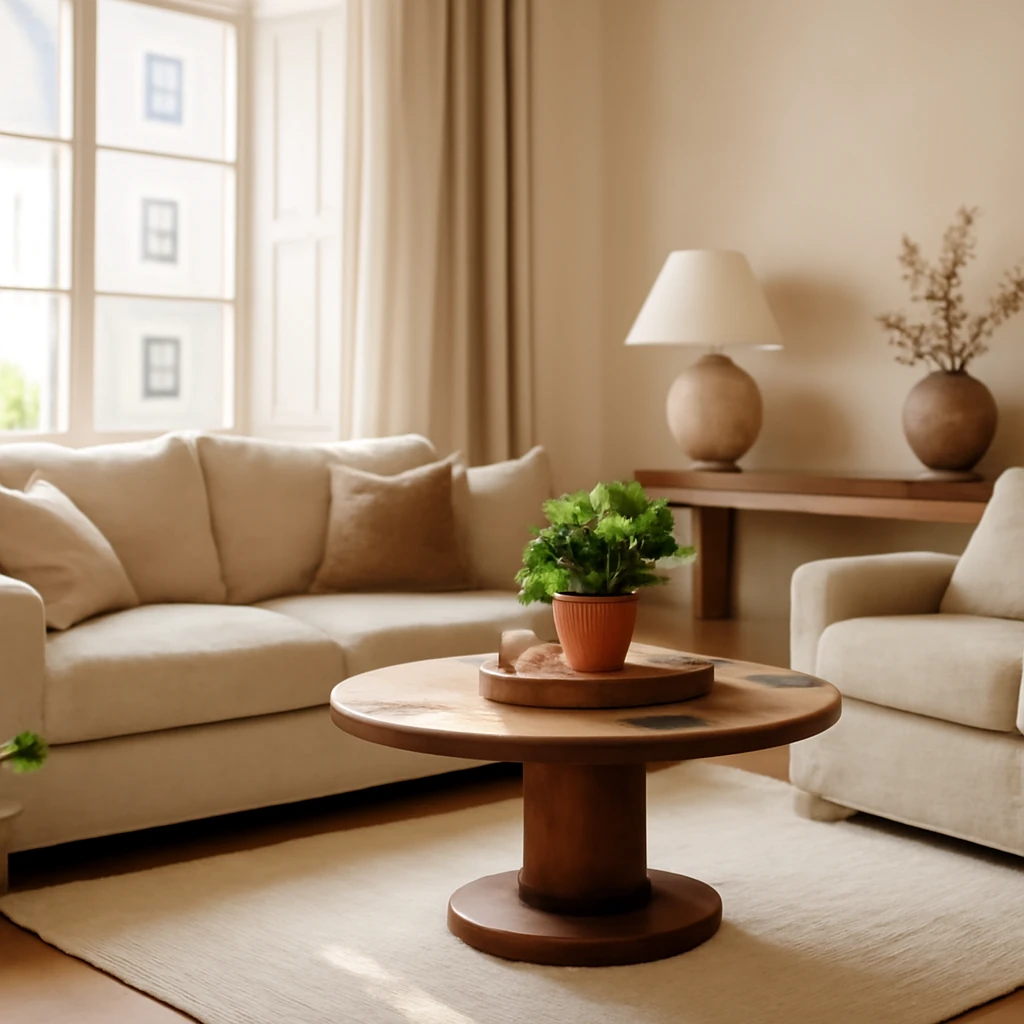
The living room remains the social cornerstone. Here the focus is on comfort, durability and a refined sense of proportion. A large, well‑built sofa forms the backbone, paired with a couple of armchairs and a substantial coffee table. A feature fireplace or a curated media wall can anchor the space. The colour palette stays neutral with one or two bold accents - perhaps a deep blue sofa or a terracotta rug - to deliver character without overpowering the room.
Entrance and hallway
Entrances in European homes are often compact, but they should feel welcoming and organised. A bench or low seating, a well‑designed coat storage system, and a mirror to visually enlarge the space are practical enhancements. Keep surfaces clear and use a wall panel or a narrow console to create a moment of arrival that is in keeping with the American ethos of generous, purposeful space.
Bedrooms
Bedrooms in American‑inspired interiors prioritise calm, lightness and a sense of retreat. Light‑coloured walls, a generous bed with layered textiles and ample storage create the sense of a private sanctuary. If space permits, a small seating area, or a window seat with cushions, adds a cosy, contemplative corner that remains compatible with European apartment layouts.
Kitchen
The kitchen is often the central social hub, with an island that doubles as a prep area and a casual dining space. In Europe, this arrangement must work with the domestic layout and energy‑efficient appliances. Cabinets reach to the ceiling where possible, features like open shelving can humanise the space, while a dedicated dining zone with a sizeable table communicates sociability and practicality.
Bathroom
Bathrooms in American‑influenced interiors tend to be roomy and bright, with good daylight and a balanced mix of textures. A window is highly desirable for natural ventilation and daylight. Finishes lean to light stone, porcelain and timber tones. Consider a separate shower cubicle and a freestanding tub if space allows, and integrate clever storage to keep the space serene and uncluttered.
Children’s room
In European contexts, children’s spaces can be expressive but should remain adaptable. A neutral base with a playful secondary scheme - such as removable wallpaper, textiles, and movable storage - lets the room evolve as a child grows while maintaining the overall design language of the home.
Home office
Even as living spaces embrace openness, a dedicated, well‑lit workspace remains essential. A compact desk, comfortable seating, and smart storage can coexist with living areas by using screens, shelving partitions or subtle colour shifts to create a sense of boundary without isolating the space.
Nuances for European houses and apartments
The European living context - historic townhouses, new flats, and multi‑storey buildings - requires thoughtful adaptation of the American aesthetic. Practical considerations include:
- Space optimisation: in city flats, furniture scale and proportion are critical. Choose modular seating, slim profile storage and multi‑functional pieces to preserve airiness.
- Balconies and terraces: outdoor spaces can emulate the social openness of American interiors. Extend the living domain with outdoor seating, durable textiles and weather‑resistant surfaces.
- Acoustic comfort: open plans can amplify sound. Use rugs, soft furnishings and acoustic panels to maintain a calm atmosphere throughout the home.
- Climatic adaptation: insulation, ventilation and heating strategies must suit local climates, materials and finishes should perform across seasons while sustaining the aesthetic.
- Heritage compatibility: when renovating historic buildings, respect existing architectural details such as cornices, architraves and floor profiles, blend them with contemporary American‑inspired elements to achieve a cohesive result.
Practical steps to begin your European American‑inspired project
If you are considering a contemporary European home with a nod to American styling, use the following 10‑step checklist to set priorities and guide decisions:
- Define a clear central zone that will anchor the living area - be it a fireplace, a media wall or a statement seating arrangement.
- Establish a dining and kitchen relationship that supports social interaction without sacrificing work or storage zones.
- Plan storage early, favouring built‑ins and wall‑mounted units to maintain openness.
- Choose a restrained colour base and use one or two bold accents to create focal points.
- Select durable materials with a European climate in mind, prioritising quality and easy maintenance.
- Design with daylight in mind: maximise window placement and use reflective surfaces to amplify natural light.
- Incorporate architectural details - archways, column cues or mouldings - to nod to the classic American language without feeling out of place.
- Blend textiles with solid shapes: textiles should add warmth and texture while preserving the space’s clean lines.
- Test the balance of scale: oversized furniture can read as luxurious, but ensure it remains practical for everyday life.
- Iterate and refine: evaluate the space for flow, comfort and adaptability as the family’s needs evolve.
Conclusion
American style in a European frame is about achieving generous, well‑organised living that respects local architectural language and climate. It is not about copying a single look, but about marrying practical comfort with a timeless, sophisticated atmosphere. By focusing on central living zones, smart storage, a restrained yet expressive colour palette and careful material selection, European homes can embrace the best of American‑inspired design while maintaining a distinctly European sense of proportion and elegance. The result is a home that feels welcoming, resilient and quietly refined - a place where everyday life, social gatherings and personal sanctuary coexist in harmony.
You may also like these articles
 Renovation
Timeline Masterclass: Planning and Speeding Up European Apartment Renovations
Practical guidance for predicting and accelerating European apartment renovations.
Interior Design
Provencal Interior Style: A Guide to Rustic Elegance Across Europe
Provencal-inspired interiors guide for European homes: tips and harmony.
Interior Design
Five chic ideas to transform a room for a birthday celebration
Elegant, practical ideas to create a birthday mood at home across Europe.