
Explore interior trends, AI design insights, styling guides and real transformations
How to split a room into two zones: 11 smart methods
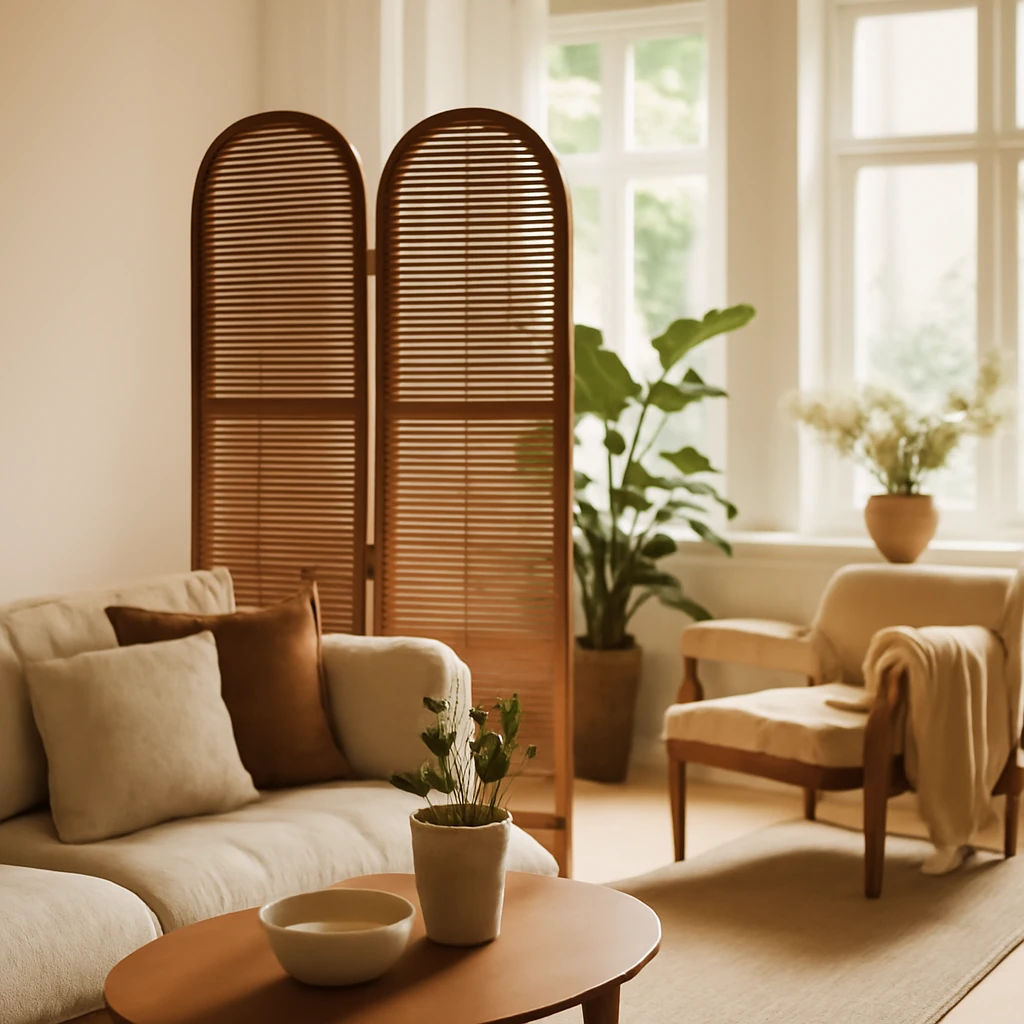
Why zoning a room matters in European homes
Across Europe, urban living often means compact, flexible spaces that must perform multiple functions. An open living area might need to function as a kitchen, dining space, and lounge, or a studio might double as a study and a sleeping area. Zoning a room is not about locking off living space, it is about guiding movement, defining purpose, and curating atmosphere. Done well, zoning enhances comfort, organisation, and visual coherence without sacrificing light and flow. Thoughtful zoning respects the room’s dimensions, natural light, and how the space is used across the day, from bright mornings in the kitchen to cosy evenings in a living corner.
In European interiors, zoning techniques range from architectural strategies like partitions and arches to lightweight textile solutions and carefully chosen finishes. The goal is to create distinct zones while preserving a sense of continuity. Whether you inhabit a chic city loft, a rural maisonette, or a compact apartment, the following 11 methods offer practical routes to two zones that feel purposeful and harmonious.
11 methods to zone a room
Partition
Delimiting a space with a partition is one of the most intuitive zoning tools. A partition can be a solid, lightweight, or decorative element that suggests a boundary without completely closing it off. In European homes, glass or frosted screens are popular for separating a dining area from a living room while preserving daylight and openness. For greater privacy, choose panels in frosted glass, etched textures, or vertical slats that allow light to pass through yet soften the division. Movable screens or sliding panels introduce flexibility: you can reconfigure zones as needs change, such as hosting guests or creating a temporary home office. When selecting materials, consider the surrounding palette and the room’s proportion. A heavy, opaque partition in a compact space risks visual heaviness, a slender or transparent option helps rooms feel larger and more breathable.
Shelving
A tall or mid-height bookcase or open shelving unit can serve as a room divider without blocking light. Shelving provides a dual function: it delineates zones while offering practical storage or display space. In small rooms, choose a light, airy framework with slim vertical supports and shallow shelves so the constructs feel less imposing. If you require more privacy between zones, incorporate closed cabinetry toward the base and keep the upper volumes open to maintain visual openness. Position shelving along a wall that carries natural daylight from a window, avoid placing it directly in the path of traffic to protect circulation.
Opening
An opening or arch within a larger space can define zones in a fluid, architectural way. Rather than a full wall, an opening invites visual continuity while signalling a change in function. In long, narrow rooms, an arched or framed opening creates a natural border between dining and living zones. Consider pairing openings with understated trim or contrasting paint on the inner edge to reinforce the boundary. If the opening is in a high-traffic area, optional sliding doors or panel systems can seal the space discretely when privacy or noise control is required. The goal is to maintain daylight and airiness while guiding the eye along the room’s length.
Niche
A built-in niche is a clever way to define a zone without extra bulk. A recessed area can house a bed in a studio, a compact desk in a work corner, or a cosy seating nook. Niches rely on depth and illumination to carve out a dedicated zone, lending a sense of sanctuary even in small footprints. Use lighting to emphasise the niche - a wall-wash or a small integrated light creates depth and prevents the space from feeling cramped. In European interiors, niches can be framed with colour or material contrasts, such as a complementary wall finish or a warm timber surround, to make the zone distinct yet cohesive with the overall design.
Curtain
Textiles offer a fast, affordable, and reversible zoning option. A heavy, opaque curtain provides privacy and can dampen sound between zones, while a light, sheer curtain splits spaces visually without shrinking the room. Curtains are particularly useful in rental apartments where structural changes are restricted. Use tracks or rails mounted near the ceiling to maximise the sense of height, and select fabrics in a colour or pattern that harmonises with the room’s palette. For a modern look, choose a curtain in a matte finish and pair it with discreet hardware that blends into the surroundings. Curtains also adapt easily to seasonal changes, giving you flexible control over light and mood.
Raised platform
A raised platform creates a clear hierarchy within a room, signalling a dedicated zone such as a sleeping area or a work corner. A platform can include integrated storage, which is a valuable feature in compact European flats where every square metre counts. The platform should have adequate clearance for comfortable movement and be high enough to feel distinct yet not so tall as to dwarf the space. Lighting integrated into the platform edge or beneath the overhang can accentuate the elevation. This approach works best in rooms with generous ceiling height or in loft-style spaces where the elevation adds architectural interest without overpowering the room’s proportion.
Colour and finishes
If structural changes are unwelcome, colour and finishes can delineate zones effectively. Use contrasting but complementary colours or textures to cue different functions. For example, apply a lighter, cooler palette in a living area and a warmer hue in a dining corner, or employ different wall finishes such as plaster, timber cladding, or decorative panels to signal a shift in use. Continuity is essential, ensure there is a unifying thread - a shared undertone, material, or accent - so the space remains cohesive rather than fragmented. In small rooms, avoid heavy patterns on multiple surfaces, instead, let colour and texture create a rhythm that guides the eye from one zone to the next.
Wall decor
Wall decor can punctuate the boundaries between zones without adding bulk. Large-scale artworks, decorative mouldings, rails, or framed panels can mark a zone transition in a subtle, sophisticated way. A bold mural or a row of artwork along a boundary line can serve as a visual divider, while mirrors strategically placed at the edge of a zone can bounce light and visually extend space. For studios and one-bedroom flats, wall decor offers a practical route to creating distinct areas when furniture alone would feel cluttered.
Furniture
Furniture arrangement is a direct and approachable method to establish zones. Orient a sofa to face a dining area, align a console and a row of chairs along a boundary, or position a low cabinet to act as a soft divider. Choose low-profile pieces that do not obstruct sightlines and ensure there is a clear path for circulation. In longer rooms, diagonal or offset furniture placements can create a sense of movement and separation without formal barriers. A well-placed bed or sofa in a corner can form a private nook of its own, especially when paired with rug boundaries and targeted lighting.
Rug
A rug is a powerful instrument for zone delimitation, especially in open-plan spaces. A rug defines a sitting area or a dining cluster, giving visual anchors to each zone. The rug should be sized to fit the group of furniture it contains - ideally with the front legs of sofas and chairs resting on the rug to unify the arrangement. Layering multiple rugs is a contemporary option that adds texture and warmth, particularly in contemporary or eclectic interiors. When selecting rugs, consider pile height, washability, and durability, as well as how the materials interact with adjacent floor finishes such as tile or engineered wood. A correctly scaled rug can make a space feel deliberate and ordered rather than ad hoc.
Lighting
Lighting is perhaps the most versatile tool for zoning. Layered lighting creates zones through amber glows, task lighting, and ambient illumination. Use floor lamps and table lamps to define a reading corner or work area, wall sconces along a boundary to accentuate the line between zones, and linear LED strips to sculpt the edges of furniture. In tight spaces, indirect lighting along the ceiling or under cabinetry can delineate zones without adding visual mass. Smart lighting strategies allow you to tailor brightness and colour temperature to each zone, enhancing function and mood throughout the day and evening.
In practice, the best zoning solution often combines several of these techniques. A European home might pair a raised bed in a shallow niche with a low bookcase as a divider, introduce a warm contrast on the walls, and finish with a carefully calibrated lighting plan. The key is to test how zones interact as you move through the space, ensuring there is enough light, clear circulation, and a sense of coherence across the interior.
Practical planning tips for European homes
Before choosing a zoning approach, consider the room’s layout, natural light, and how residents move through the space. Here are practical guidelines to help you plan effectively:
- Measure circulation paths: allow at least 90 cm of unobstructed clearance around furniture to keep the space comfortable and navigable.
- Assess daylight: position work or dining zones where natural light is strongest, while keeping sleeping zones away from direct glare or drafts.
- Prioritise accessibility: ensure that zones do not isolate functional areas. A kitchen-dining-lounge sequence should feel fluid, with easy access from one zone to another.
- Match scale to space: in compact flats, choose light, slender furniture and low partitions to preserve openness, in larger rooms, more substantial pieces can act as confident dividers.
- Plan for storage: integrate storage into zones to reduce clutter. Built-in units and closed cabinetry help maintain a tidy, calm atmosphere.
- Maintain tonal unity: a consistent colour language ties separate zones together, while a deliberate contrast marks transitions.
- Consider acoustics: soft textiles and rugs can help absorb sound where zones meet, creating a more peaceful environment.
Case studies: zoning in practice
Across Europe, designers increasingly embrace flexible, modular strategies that suit a variety of spaces - from compact studios in central districts to generous lofts with adjustable floor plans. In practice, a well-considered zoning scheme combines comfort with aesthetics, supporting daily routines while allowing for social living and occasional guests. The following overview highlights common scenarios and how zoning methods can be applied to them:
- Compact studio up to 25 m2: a niche and a raised platform paired with a curtain and a low, open shelving unit can create distinct sleeping, work, and living zones without visually closing the space.
- One-bedroom apartment 40-60 m2: a partial partition in glass or timber, with a rug anchoring the living zone and a separate dining nook defined by colour and lighting, can achieve clear boundaries while retaining openness.
- Open-plan kitchen-dining-living area 50-80 m2: a combination of shelving, wall decor and a raised platform for a compact lounge corner helps separate the social and cooking areas with warmth and depth.
- Loft or duplex with high ceilings: a podium or a raised mezzanine level can establish a private sleeping zone while expanding the lounge and study areas at ground level.
How to implement zoning without major disruption
Zoning does not always require structural work. Many European homes benefit from non-permanent or reversible interventions that can be adjusted over time. Here are practical steps to test and implement zoning gradually:
- Take a measured approach: map the room on a plan and sketch potential boundaries. Consider sightlines, traffic flow, and daylight distribution.
- Start with flexible elements: invest in a lightweight screen, a modular shelving unit, or a curtain system first. These can be reconfigured as needs evolve.
- Test furniture arrangements: experiment with the sofa, table, and chairs to reveal natural boundaries. Try different orientations and distances to see what feels most intuitive.
- Use area textures and tones: introduce a change in finish or colour to signal a zone transition. Even a single accent colour can profoundly alter perception.
- Evaluate lighting in stages: add lamps for the new zones and assess whether the light distribution supports each function, including task lighting for workspaces and warm ambience for living areas.
- Prioritise comfort and accessibility: ensure that transitions between zones are easy to navigate, especially for children, older residents, or guests with mobility needs.
Final thoughts: zoning as an ongoing design conversation
Zoning a room is a dynamic design practice rather than a one-off project. European homes often benefit from adaptable, high-quality materials and finishes that age gracefully. When you approach zoning as an ongoing conversation between space, light, and activity, you create environments that respond to changing routines, seasons, and tastes. The most successful zone strategies combine a clear sense of purpose with a light touch - allowing spaces to breathe while remaining comprehensively functional. By prioritising flexibility, tactility, and a cohesive palette, you can craft interiors that feel intentionally divided yet perfectly integrated, delivering both order and atmosphere in every room.
You may also like these articles
 Kitchen Design
Smart placement of power: expert guidance on kitchen outlets and switches for European homes
Master kitchen power layout with practical, code-conscious guidance.
Colour & Materials
Yellow as a Design Tool: Temperature, Tone and Timeless Combinations
Master yellow in European interiors with temperature, tone, and versatile pairings.
Bathroom Design
Painting Bathroom Walls: Debunking 6 Myths for European Wet Rooms
Debunking myths about painting bathroom walls in Europe.