
Explore interior trends, AI design insights, styling guides and real transformations
Greek-inspired Interiors for Modern European Homes: A Guide to Mediterranean Sophistication
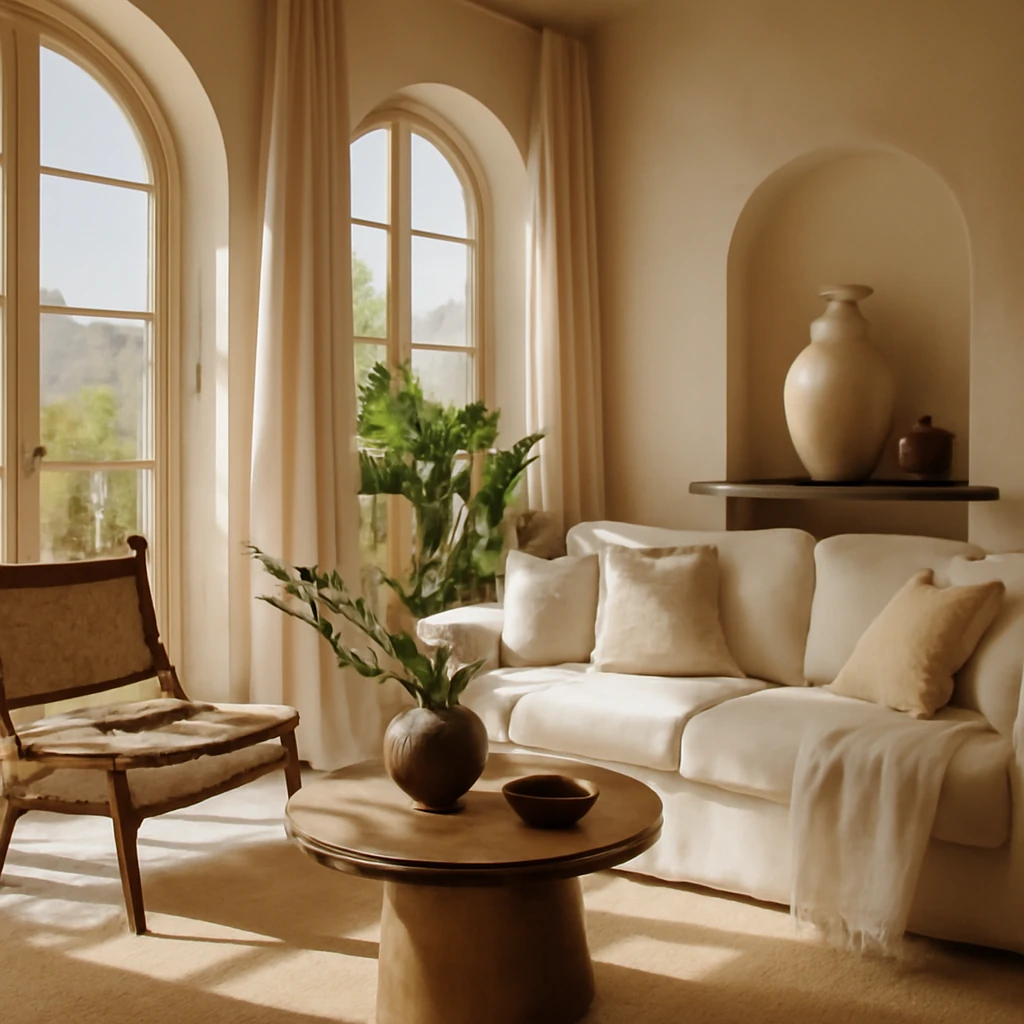
Origins and appeal
Greek-inspired interiors have long captured the imagination of design-conscious Europeans. Rooted in the classical heritage of the Aegean and Mediterranean littoral, the style emphasises accessibility, practicality and a refined elegance that never feels fussy. It translates well in both city apartments and regional homes, whether a light-filled loft with tall ceilings or a traditional villa with a generous reception hall. The hallmark is a sense of serenity achieved through restrained palettes, disciplined geometry and natural materials. A high ceiling is an invitation to breathe - think sculptural pendant lighting, exposed timbers, and plaster details that recall ancient façades. If you crave a bold yet tranquil regional character, the Greek-inspired approach offers a versatile route to bring the colours of the south indoors.
Origins and evolution
The modern Greek-inspired look draws on a long arc of architectural and decorative traditions. While its roots lie in antiquity, contemporary interiors soften the formality with lighter materials, fresher colour schemes and interior features that suit everyday living. Historically, the style blended monumental elements with intimate, human-scale touches. Classic variations leaned toward architectural grandeur, with columns and ornamentation, more contemporary interpretations prioritise clarity, airiness and tactile textures. In European homes today, the palette typically references the sea and the landscape: white surfaces as a reflective base, paired with blues, olives, ochres and the natural warmth of timber. The result is a timeless look that can feel both monumental and intimate, depending on how it is composed.
Core characteristics
Greek-inspired interiors are defined by a symbiosis of form and function. The look thrives on controlled elegance and a sense of openness, while nodding to myth, history and coastal culture. The following elements are particularly important when shaping a European interior in this spirit.
Colours
The fundamental palette is light and airy. White or pale plaster walls provide a luminous backdrop, with blue acting as the principal accent - think cornflower, navy or indigo in soft textiles, ceramics or architectural details. Additional notes include natural wood tones, straw, terracotta, olive green and herbaceous greens. The aim is to create a sunlit, breathable atmosphere that evokes salt air and clear skies, without overwhelming the space with colour. In practice, the blue may appear in soft furnishings, ceramic ware, or a painted joinery edge, while olive or terracotta accents appear in accessories or art-inspired patterns.
Shapes and layout
Historically, Greek interiors favour a cohesive, orderly composition. Modern interpretations balance elegance with practicality: open plan living areas, clear sightlines and well-defined zones. Rather than heavy ornamentation, the emphasis is on proportion, with furniture and architectural features that elongate the room visually. In spaces with lower ceilings, strategic use of vertical elements - columns or pilasters, for example - can help draw the eye upward and create a sense of height. Avoid overly bulky furniture, instead, select pieces with clean lines and comfortable, ergonomic profiles that align with everyday living.
Ornaments
Classical Greek motifs - meanders, wave-like borders, meandering patterns and olives - are used as restrained accents. Think geometric trims on textiles, subtle friezes or mouldings, and decorative pieces that read as sculptural rather than ostentatious. The ornamental language can extend to ceramics, pottery and small sculptural objects, creating a curated, museum-like calm rather than a crowded display.
Materials and finishes
Materials are chosen for tactility, durability and timeless appeal. The ideal Greek-inspired interior uses natural stone or ceramic surfaces, plaster walls with a matte finish, and timber with a warm, untreated or lightly waxed surface. When authentic materials are not feasible, design professionals turn to modern equivalents that convey weight and texture - engineered stone, porcelain slabs, and brushed bronze hardware. Cracked or crackle finishes can be employed judiciously to evoke antiquity, while remaining robust for contemporary living. The key is to strike a balance between historic suggestion and the comfort of today’s technology and cleaning requirements.
Walls
White plastered walls are a classic foundation, with textured finishes to add depth. A deliberate roughcast or limewash look can enhance authenticity, especially in spaces intended to feel sun-warmed and serene. Neutral, light walls support strong architectural features, while a single accent wall in a pale blue or stone tone can establish a quiet focal point. If using wallpaper, choose patterns with subtle geometric or scroll-like motifs that echo the meander pattern without dominating the room.
Flooring
Flooring typically combines durability with warmth. Stone or ceramic tiles in natural tones are common, and a perimeter mosaic can provide a refined detail without overwhelming the space. In modern European homes, a warm timber floor - especially oak or ash - paired with pale walls works well, while ensuring the floor finished with a matte or satin seal that reduces glare. When opting for wood, lighter finishes reflect daylight and preserve the airiness of the scheme, particularly in smaller rooms.
Ceiling
Ceilings are celebrated for their lightness and clarity. A white, matte plaster ceiling with refined mouldings or beamed timber enhances the architectural rhythm of the space. Ceiling details should be considered as a vertical extension of the room, not a counterpoint to ornament. In spaces that require a contemporary touch, minimal concealed lighting and a sculptural pendant can provide a refined focal point without clutter.
Lighting
Lighting in Greek-inspired interiors prioritises daylight and well‑considered artificial light. Large, unobstructed windows maximise natural brightness, while lighting fixtures favour clean, geometric forms in bronze, blackened metal or white to echo classical restraint. Chandeliers or pendant lights with delicate profiles can act as a centrepiece, but they should remain elegant and lightweight in feel. For smaller rooms, a well‑placed ceiling fixture complemented by wall sconces and a slender floor lamp creates layered illumination that supports the calm ambience.
Textiles
Textiles use natural fibres such as cotton, linen and jute. Fabrics are typically in solid colours or simple patterns - greek-key motifs, subtle stripes or bands of colour - that reinforce the palette without competing with the architectural language. Curtains are straightforward and functional, avoiding heavy drapery, consider light, breathable fabrics that filter daylight softly. Textiles on cushions and upholstery should be tactile, durable and easy to maintain, prioritising a lived-in comfort that suits daily European life.
Decor
Decorative elements include sculptural plants, amphora-inspired vases, and low-profile furniture arranged to emphasise air and space. Niches, pilasters, and column-inspired details can be employed sparingly to articulate zones within open spaces. Plants - both vining varieties and compact potted selections - bring a Mediterranean freshness and help softening the look. Fireplaces, mirrors with classical frames, and simple wall lighting all contribute to the sense of a curated, timeless interior that remains relevant in modern living.
Furniture and interior layout
Furniture in a Greek-inspired interior tends toward minimalism with maximum function. Pieces feature clean geometry, restrained ornament and robust construction in natural materials. Wooden cabinet fronts may be subtly aged to evoke antiquity, while metal accents in bronze or brass add a hint of refinement. Seating tends to be comfortable and unfussy, with upholstery in natural fibres such as linen or cotton rather than heavy leather or deep textures. Tables, chests and consoles often adopt a solid stone or timber base with a lighter top to balance weight and lightness in the room.
Scale matters: avoid oversized furniture that dominates the room. Instead, opt for a careful arrangement that respects the proportions of the space, preserves sightlines, and leaves room for movement. In larger reception rooms, a defined seating area around a central coffee table can be complemented by a second, more intimate seating cluster near a fireplace or window. In open-plan layouts, ensure each zone has a distinct function while maintaining a cohesive material and colour system across the whole space.
The practical benefits
Beyond its aesthetic appeal, the Greek-inspired approach offers practical advantages for European homes. The emphasis on light, natural materials and uncluttered spaces supports easy maintenance and a calmer daily rhythm. The palette is forgiving and adaptable - white walls brighten darker rooms, while blue and olive accents can be introduced in small doses to refresh the scheme without requiring major alterations. The style lends itself to diverse budgets: you can realise it with modest furnishings and strategic details, or scale up with higher-end finishes and bespoke pieces. In multi-purpose urban apartments, its clean lines help create a sense of order and openness that makes small spaces feel larger.
Because the look can be interpreted in multiple ways - from a more classical, museum-like setting to a contemporary, pared-back version - the Greek-inspired interior acts as a versatile backdrop for personal collections, art, and family life. It is possible to swap elements such as textiles, lighting or a feature wall to refresh the room without a full renovation, providing a flexible framework suitable for evolving tastes and seasonal updates.
Adapting to European living
European homes vary widely in terms of ceiling height, room proportions and heating considerations. When applying Greek-inspired design, adapt the degree of ornament and material weight to the specific context. In modern city dwellings with standard ceiling heights around 2.4 to 2.8 metres, focus on vertical cues - artful mouldings, tall doorways, slender pilasters - to create a sense of height without crowding. In coastal or southern European residences with generous ceilings, you can embrace more expansive ornamentation, larger-scale furniture, and stronger surface textures, while keeping the colour scheme restrained to preserve airiness.
In renovations, respect the building’s structure. Where original plasterwork exists, preserve it or reproduce it faithfully, where it is missing or damaged, replace with high-quality plaster or lime-based finishes. When old floors are in good condition, consider refinishing rather than replacing to maintain the historical character of the space. If new materials are required, opt for products that emulate natural textures - solid timber, stone, terracotta tiles, or ceramic options with a matte finish - so the room doesn’t feel clinical or sterile.
Practical guidance for implementation
- Start with a white canvas: establish white plaster walls as the base to create a bright, reflective environment. Keep the base surfaces uniform to maximise light and emphasize architectural features.
- Choose a restrained colour accent: a single blue shade used in textiles or ceramics grounds the space. Add olive or sand tones in small quantities to evoke the natural Mediterranean landscape.
- Incorporate natural materials: emphasise stone, ceramic, terracotta, timber and rattan. These textures reinforce the tactile, grounded feel crucial to the style.
- Use light, sculptural furniture: select pieces with clean lines and comfortable proportions. Avoid heavy, overly ornate forms that compete with the architecture.
- Layer light strategically: combine natural daylight with well‑placed fixtures - pendants, sconces and a floor lamp near seating for varied atmosphere throughout the day and evening.
- Keep ornament purposeful: employ meander borders, simple borders and subtle reliefs rather than full-scale frescoes. Let architectural features and well-chosen decor carry the historical mood.
- Plan for practical living: ensure textiles are durable and easy to clean, use shatter-resistant glass where appropriate, store clutter in well-designed cabinetry with a matte finish that blends with the walls.
Decor and accessories: dos and don’ts
When selecting decorative items, favour restraint and timelessness over trend-led pieces. A handful of classical forms - an amphora-inspired vase on a console, a wall mirror with a simple frame, a sculptural candle holder - can anchor the room without overpowering it. Plan for greenery with potted plants or trailing vines that echo the Mediterranean climate, but avoid overloading shelves and surfaces with too many objects. The goal is a refined environment that feels curated and calm, not crowded.
Case-in-point: interiours in practice (typologies)
To illustrate how Greek-inspired design translates across European contexts, consider the following typologies:
- Urban apartment corner living room: white plaster walls, a pale timber floor, a blue textile accent on a sofa throw and coordinating ceramic vases. A slender chandelier with a bronze finish anchors the seating area, while a single pilaster helps define an informal reading zone near a window.
- Coastal villa reception: daylight floods the space, so use lighter timber furniture and a restrained palette of white, blue and olive. A stone or ceramic espresso table, paired with linen upholstery and simple, bronze hardware, creates a comfortable yet refined setting.
- Country house dining area: a substantial wooden table with robust benches or chairs, complemented by a ceramic sideboard and a wall-mounted sculpture. Subtle wall texture and a muted terracotta accent can evoke the tactile warmth of traditional Greek interiors.
Conclusion: a timeless European language
The Greek-inspired interior is a compelling choice for European homes seeking a timeless, refined aesthetic that remains practical for everyday life. Its essential strengths - clarity, light, natural materials and restrained ornament - translate well across climates and building types. Whether you are renovating a historic house, refreshing an urban apartment or styling a coastal retreat, this design approach offers a coherent framework: a quiet, respectful nod to antiquity while delivering contemporary comfort and adaptability. With a measured hand - considering proportions, finishes and the integration of technology - Greek-inspired interiors can feel both majestic and welcoming, a true celebration of Mediterranean calm within the European home.
You may also like these articles
 Tips & How-To
Four DIY Faux Fireplaces: Step-by-Step Ideas for European Interiors
Four practical DIY faux fireplace ideas for cosy European homes.
Small Spaces
Smart dining table solutions for compact European kitchens
Space-saving dining table ideas for European small kitchens.
Colour & Materials
Decorative plaster: textures and finishes for European interiors
A definitive guide to decorative plaster finishes, textures and care for European homes.