
Explore interior trends, AI design insights, styling guides and real transformations
Reflecting Light and Space: Hallway Mirrors for a European Home
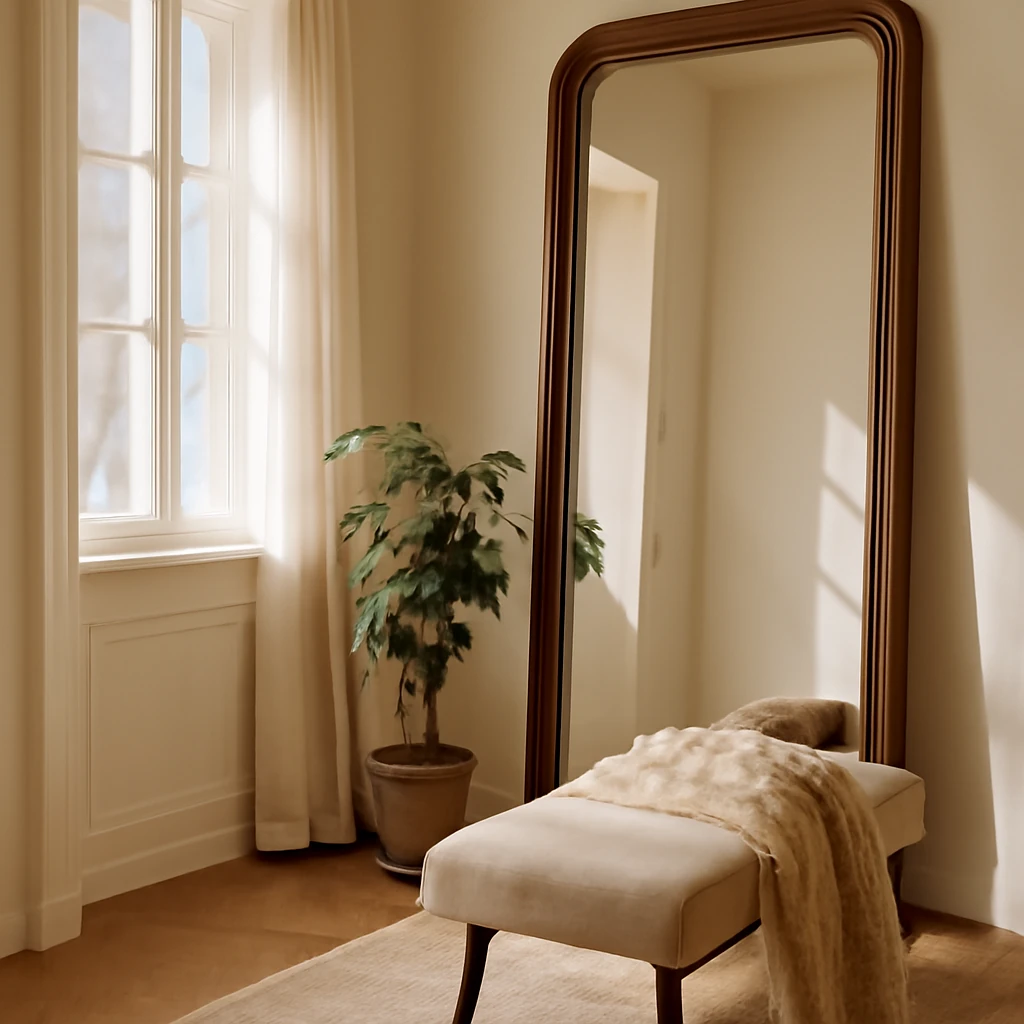
Reflecting light and space in European hallways
The hallway is a transition zone that can set the mood for an entire home. In many European urban apartments, corridors are long, narrow, or tucked behind living spaces. A thoughtfully chosen mirror not only enhances appearance but also solves real design challenges: it multiplies light, visually widens a confined area, and contributes a refined, cohesive look. This guide offers a thorough approach to selecting, placing, and caring for hallway mirrors, with a European perspective that recognises diverse apartment typologies - from compact city flats to more generous entrance halls in townhouses.
Why a mirror belongs in the hallway
A mirror in the entryway performs several functions that improve daily life and the perception of space:
- Visual expansion: mirrors reflect the surrounding architecture and interior, creating the illusion of a longer, more open room.
- Increased light: by bouncing natural and artificial light, a mirror brightens the hallway and reduces the need for additional lighting during the day.
- Decorative impact: a well-chosen mirror can reinforce the interior style, acting as a sculptural focal point or a quiet, elegant accent.
- Pre-leaving checks: large mirrors enable a full-length view, helping you confirm your outfit and appearance before you step out, which is especially valued in European cultures of dress and presentation.
Types of hallway mirrors
Freestanding mirrors
Regardless of price, freestanding mirrors bring a sense of luxury and a light-infusing presence to the hall. They suit a range of interiors - from timeless rectangular shapes with substantial frames to more sculptural forms that evoke sculpture rather than merely a reflective surface. In European homes, freestanding mirrors can anchor a narrow hallway, serve as a statement piece in a generous entrance hall, or act as a crafted counterpoint to a row of storage cabinets. When choosing, consider the proportion relative to the available floor area and the ceiling height to avoid a heavy, bottom-heavy look in a long, slender corridor.
Built-in mirrors
Built-in mirrors are commonly integrated with wardrobes or other furniture. They can be external or internal, and they maximise space by relying on the reflective surface as part of the furniture design. In living-in European flats, built-in mirrors are a practical solution where wall space is at a premium, or where the joinery can be designed to hide the mirror when not in use. They contribute to a seamless, uncluttered aesthetic and can carry the same finish as the cabinetry for a unified, cohesive feel.
Wall-mounted mirrors
Wall-mounted mirrors offer versatility without occupying floor space. They are ideal for near the entry door, dressing zones, or the end of a corridor where a reflective surface can dramatically extend the perceived depth. A tilt mechanism can allow you to see outfits and hairstyles more clearly, while a wall-hung option can be framed to echo other architectural details - whether a minimalist metal edge or a more classic wooden frame.
Mirrors with integrated lighting
Mirrors that include their own lighting provide even, shadow-free illumination for facial visibility and daily grooming. Diffused, glare-free light reduces the need for additional lamps in small hallways and can serve as a gentle night-light in darker apartments. When planning lighting for a hallway mirror, consider the light colour temperature and the direction of light to avoid unsightly reflections or uneven illumination on skin tones.
Mirrors with storage
A mirror paired with a small shelf or a drawer is exceptionally practical for storing keys, sunglasses, and small accessories. In compact European homes, where space is precious, combining a mirror with unobtrusive storage keeps the surface tidy and functional. If a dedicated storage unit is preferred, mirrors can be integrated above a console or within a modular system to maintain a balanced, uncluttered aesthetic.
Shaping the mirror language: trends and influences
Round and oval mirrors
Classic circular forms in wooden frames or with simple, pared-back edges continue to be a favourite. A round or oval mirror softens architectural lines and contributes to a calm, Nordic-inspired palette. In Scandi and boho-inspired interiors, these shapes feel especially at home, pairing well with natural materials such as light timber, linen textiles, and woven textures.
Asymmetrical mirrors
Asymmetrical shapes - irregular polygons, soft wave-like contours, or frameless silhouettes - offer a contemporary twist. They act as sculptural elements that can wake an otherwise restrained hallway, especially in modernist or minimalist interiors that lean on clean lines and negative space.
Non-standard shapes - shapes that drift away from rigid geometry, often with soft, organic edges, and sometimes frameless. In European interiors, these pieces can serve as artful focal points without overwhelming a compact space, particularly when paired with smooth, neutral walls and ample lighting.
Mirror compositions and walls
For those seeking a bold statement, a gallery-like arrangement of several mirrors of varying sizes can create a luminous feature wall. A coherent family of shapes - whether all round or all rectangular with different scales - can reflect different angles of the space, multiply daylight, and give a sense of depth to a long corridor. Such compositions work particularly well in interiors with contemporary or eclectic tendencies, where the mirrors function as artful installations rather than mere reflections.
Framed mirrors
Frames offer the opportunity to weave in architectural character. Ornate carved frames suit traditional or transitional interiors, while slim metal or brass frames pair naturally with modern, industrial, or minimalist schemes. The frame becomes a design detail in itself, and its material and finish can pull in other materials used in the hall, such as lighting fixtures, console tables, and storage hardware.
Mirrored walls
A mirrored wall, or a substantial panel of mirrors, can dramatically enlarge a space by reflecting multiple surfaces and light. If the hallway is narrow, a mirrored wall can visually delete the boundary between spaces, creating a sense of openness. When planning a mirror wall, consider access routes, door swings, and the risk of over-reflection in adjacent rooms. The result should be a graceful augmentation of space, not a dazzling overload.
Where to place a mirror in the hallway
On the floor
A large freestanding mirror placed on the floor and angled slightly can give a full-length view while introducing a sculptural presence. This option works well in wide, generous entry halls or in spaces where a vertical wall would otherwise be underutilised. In very narrow or busy hallways, floor mirrors may feel heavy or obstructive, in such cases, a tall, slender wall-mounted option can offer the same visual benefits with less footprint.
Near the doorway
Positioning a mirror near the entrance is a practical solution: a quick adjustment of hair, scarf, or coat before stepping into the home, plus the added sense of space as you enter. The key is to ensure the mirror does not impede traffic flow or block access to storage zones or the coat rack. A well-placed mirror near the door can also reflect daylight deeper into the home if the corridor receives natural light from adjacent rooms.
At the end of the corridor
Mirrors at the end of a long hallway can transform the perception of distance by reflecting light from windows or artificial sources. This placement can feel especially effective in European townhouses or city apartments where corridors stretch between living and service areas. Ensure the mirror is securely mounted and unobtrusive to keep the corridor comfortable and navigable.
On doors
Door-mounted mirrors are a clever choice for tiny spaces, where wall space is scarce. When selecting door-mounted mirrors, consider the weight and mounting hardware, and ensure the door can close fully without obstruction. This approach is common in compact flats and can be combined with a reflective panel on wardrobe doors for a cohesive look.
At the end of a corridor or along long walls
For longer hallways, a mirror run or a series of mirrors along one wall can mimic a window to the outside and illuminate the space. The effects are dramatic: you increase perceived width, heighten daylight, and create a sense of continuity across rooms. It is important to balance the arrangement with lighting and wall colour so the mirrors enhance, not overwhelm, the space.
Above a console or storage unit
Placing a mirror above a console table or a small seating area creates a practical vanity zone in the hallway. This arrangement works particularly well in European homes that prioritise refined entryways with a dedicated place for everyday items. The scale of the mirror should relate to the size of the console: a tall, slender mirror above a narrow console grounds the composition, while a wide mirror above a longer console establishes a strong horizontal anchor.
How to choose the perfect hallway mirror
By size
Size should be proportionate to the space. In a narrow passage, a tall but slim mirror can create the illusion of height without crowding the floor area. In a broader entrance hall, a larger mirror or even a mirrored wall can dramatically amplify the sense of space. A general rule is to avoid a single oversized mirror in a tiny corridor, which can overwhelm the area, instead, opt for a trio of smaller mirrors in a curated arrangement or a carefully positioned floor mirror that sits comfortably within the traffic flow.
By style
Classical - a mirror with a substantial frame, often rectangular or oval, featuring mouldings or decorative detailing. This pairings well with traditional furniture and vintage textiles, creating a sense of timeless elegance.
Modern - frameless or slim-framed mirrors with clean lines. Large, uninterrupted surfaces convey a sense of simplicity and openness that suits contemporary interiors.
Scandinavian - light timber frames or frameless designs in pale finishes. The emphasis is on function, light, and a restrained palette, which harmonises with natural materials and soft textures.
Japandi - balanced, symmetrical mirrors or pairings that reflect the quiet, orderly aesthetics of Japanese design blended with Scandinavian minimalism. Symmetry and restraint are valued here.
Eclectic and boho - lively frames and mixed materials. In these schemes, the mirror can act as a decorative element that carries colour, texture, or carving, while remaining harmonious with the rest of the room.
By material and finish
Metal frames in brass, blackened steel, or brushed nickel can introduce a refined, architectural note to modern interiors. Wood frames in light oak or walnut bring warmth and texture, while glazed, frameless mirrors provide a sense of floatiness and lightness. Consider finishes that echo other hardware in the hall - lighting fixtures, door handles, and storage units - to achieve a coherent, curated look.
By mood and context
In a high-traffic European corridor, durability and easy maintenance take precedence. Choose tempered glass for safety and choose frames with simple maintenance requirements if the hallway experiences daily wear and tear. In a more intimate or decorative entrance, an ornate frame or an art-inspired silhouette can set a welcoming tone that reflects personal taste and the home’s narrative.
Care and maintenance of hallway mirrors
- To remove fingerprints and smudges, use a window-cleaning solution and two soft microfiber cloths: one damp to wipe, the other dry to buff to a streak-free finish.
- Dust the frame and any decorative elements regularly. For frames with intricate detailing, use a soft brush to dislodge dust before wiping with a damp cloth.
- If the mirror has a frame with delicate ornamentation, avoid aggressive cleaning that could loosen joints or damage gilding, use a gentle approach and a specialised cleaner if needed.
Planning, budgeting and installation tips
Designing a hallway with a mirror starts with precise measurement and a clear sense of purpose. Here are practical steps to guide the process:
- Measure the space: record floor dimensions, wall width, ceiling height, and the width of door openings. Note any architectural features such as alcoves or radiators that may affect placement.
- Assess electrical needs: if you plan to add lighting behind or around a mirror, hire a licensed electrician to ensure safe wiring, appropriate switches, and compliant installations in accordance with local regulations.
- Plan traffic flow: reflect on how people move through the hallway. Avoid placements that hinder opening doors, accessing storage, or path clearance of at least 80 cm in walking areas.
- Match the interior language: choose a mirror that harmonises with the room’s materials, finishes and furniture, reinforcing the overall palette rather than clashing with it.
- Budget thoughtfully: mirrors span a wide price range depending on size, framing, and whether lighting or storage is included. In European markets, expect to allocate a proportionate portion of the renovation or decorating budget to achieve a high-quality result that lasts.
A practical checklist for selecting a hallway mirror
- Define the style direction: classic, modern, Scandi, Japandi, or eclectic.
- Determine the best size relative to the hallway width and length.
- Decide on a placement strategy: floor, wall-mounted, door-mounted, or a combination.
- Consider lighting: does the space receive natural light, and is additional illumination required?
- Plan for safety and maintenance: choose tempered glass where appropriate and consider the ease of cleaning the frame.
Final thoughts: integrating mirrors into European entryways
A hallway mirror is more than a functional accessory, it is a design tool that, when used thoughtfully, can transform the way light travels through a space and how people experience the home. Europeans value efficiency in small spaces, heritage architecture, and a sense of calm within busy urban living. A well-chosen mirror supports these priorities by delivering practical benefits - light, space, and quick grooming - while offering a canvas for creative expression. Whether you favour a restrained, minimalist approach or a statement-making gallery wall, the mirror should feel like a natural extension of the hall and the home it serves.
Inspired ideas by room type and hall size
For compact city apartments with narrow corridors, consider a tall, slender wall-mounted mirror or a mirror wall to visually extend the length of the space. To create a more inviting entrance in a larger home, pair a substantial freestanding mirror with a console and a small seating area. In a heritage building, a framed round mirror with a carved wood frame can harmonise with antique elements, while a sleek rectangular mirror with a metal surround complements contemporary staircases and glass screens. The key is to balance proportion, light, and texture so the mirror feels integrated rather than conspicuous.
Takeaway
Whether you are renovating a compact apartment in a bustling European capital or designing an elegant hallway in a traditional townhouse, the mirror in the entry should be a considered element that serves both form and function. Start with a clear sense of space and light, then choose a shape and finish that echo the rest of the home. Finally, plan placement with attention to traffic and safety, and always consider maintenance as part of the initial design. With the right mirror, the hallway becomes a generous, luminous welcome to the rest of the house.
You may also like these articles
 Tips & How-To
Curtains for the Kitchen: European Styles, Fabrics and Functional Tips
A practical guide to European kitchen curtain styling.
Tips & How-To
Mouldings in Interiors: Framing Space with Timeless Detail
How mouldings transform interiors—from zoning to visual height.
Bedroom
Designing a Shared Bedroom for a Boy and a Girl: Zoning, Colours and Flexible Layouts
Practical, stylish ideas for a dual-child bedroom that grows with them.