
Explore interior trends, AI design insights, styling guides and real transformations
Five chic ideas to transform a room for a birthday celebration
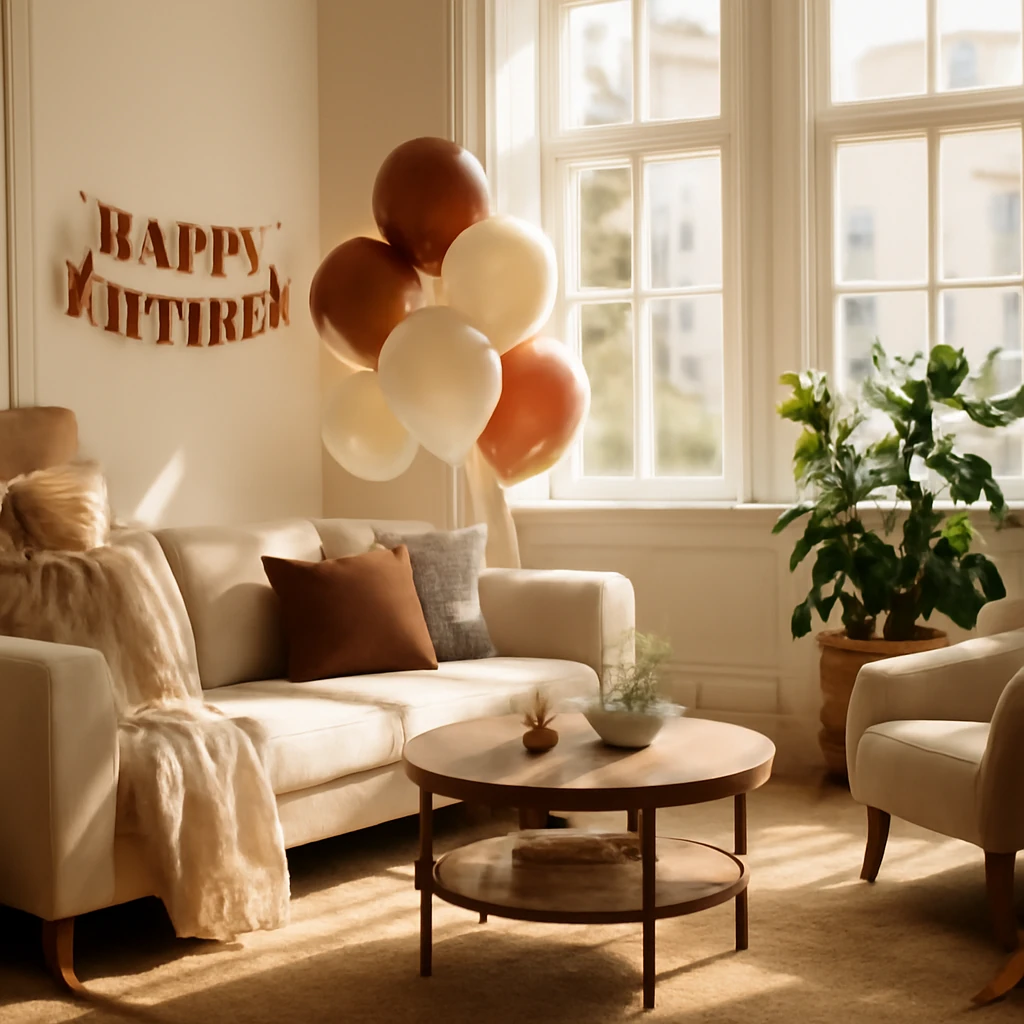
Planning the birthday room makeover
Hosting a birthday at home offers intimate, personal moments that can be enhanced through thoughtful decoration. Across Europe homes vary from compact city flats with abundant daylight to airy townhouses and open living spaces that fuse kitchen, dining and lounge areas. The decorating plan should respond to space, the honouree and the time available. A successful celebration feels effortless: the décor sets the mood without dominating the room, and it should be adaptable for everyday living before and after the party. The approach below provides five adaptable ideas plus practical decor strategies that work in rooms of widely differing sizes, from studio apartments to larger layouts with flexible open plans.
Five chic approaches to birthday room styling
Theme first: design around a central motif
A clear theme helps unify colour, textures and accessories. It does not need to be elaborate, even a single motif can govern the whole room. For children, a favourite adventure or character can be echoed with a backdrop, a few statement pieces and a coordinated palette. For adults, themes such as Nordic minimalism, art deco glamour, or a Mediterranean mood can provide a refined frame for the celebration. The goal is to create a story the honouree recognises while ensuring it remains comfortable for guests and suited to the room’s proportions.
Colour and light: a palette that breathes life
Colour profoundly shapes mood and spatial perception. A well chosen palette can make a room feel larger, warmer or more festive. In European interiors, a calm base of neutrals with well chosen accent colours often works best in living rooms and open plan spaces used for entertaining. Consider a base of pale stone, ivory or warm grey, with accents such as deep emerald, blush or ochre. Layer lighting to mimic daylight and create a cosy glow as evening approaches: pendant lamps, floor lamps and discreet wall lighting should highlight focal corners without overpowering the room. A layered lighting plan enhances comfort for dining, conversation and photography without glare.
Memory walls: photographs and personal artefacts
Personal memories add warmth and texture that generic decor cannot replicate. Create a photo wall or memory board using a string system and small frames, or print a sequence of moments and display them on corkboard or fabric backing. In shared spaces, rotate images to keep the arrangement fresh and uncluttered. For couples or small families, a curated collage can become the room’s talking point and a sincere reflection of shared journeys. Children enjoy seeing their drawings integrated into the display, turning a corner into a little gallery of creativity.
Photobooth and backdrop: a dedicated moment for photos
A designated photo backdrop remains a practical highlight of any room design. A neutral base such as a pale wall or fabric panel allows the party palette to shine. Add a few metallic accents or an understated backdrop element to give depth. The backdrop should be modular enough to reconfigure between dining and lounging zones and should be placed where guests feel welcome to pose without obstructing movement. A simple, elegant backdrop can be assembled quickly and dismantled easily after the celebration.
Multi-use decor: beauty that serves daily life after the party
Where space is precious, favour decor that can be dismantled and repurposed. Consider modular balloon clusters that store flat, paper garlands that can be saved for future uses, and 3D pieces that can double as room accessories post celebration. Textiles such as throws and table runners can be used beyond the occasion, while decorative items in natural materials like wood or ceramic add tactility that remains suitable for everyday living. Selecting reusable or long-lasting elements helps manage waste and keeps the home ready for future gatherings.
What to decorate with: balloons, garlands and more
Balloons
Balloon arrangements remain a cornerstone of birthday celebrations and now come in a broad spectrum of shapes, sizes and finishes. The contemporary approach mixes scales, avoiding uniform clusters in favour of sculptural groupings. Helium balloons can hover as focal points, while balloon arches or columns create architectural lines within the room. For compact spaces, consider a single dramatic installation rather than multiple large clusters. When inflating, use a manual pump for speed and control, and connect pieces with gentle adhesives or specialised ties to create neat, cohesive structures. A balanced mix of plain and lightly metallic balloons communicates celebration without visual overload.
Garlands and ribbons
Garlands and ribbons are cost effective and high impact. Paper garlands can be crafted in a variety of styles from simple folded bands to more decorative tassels, while fabric ribbons in satin or gossamer textures provide softness and movement. For children, bright hues and playful shapes are ideal, for adults, a restrained palette of soft metallics or muted tones can elevate the space with subtle elegance. Garlands can be hung along windows, door frames, or across a wall to create a sense of arrival and theatre without overpowering the room.
Which garlands to choose
- Illuminated garlands create a festive mood with a gentle glow and are especially effective at dusk or in rooms with limited natural light.
- Paper garlands are versatile and straightforward for DIY projects, ideal for children's parties.
- Letter banners and scripted phrases provide a clear celebration message without crowding the space.
A light fabric veil or sheer strips can drape over curtains or arched openings to soften structural lines. A few carefully chosen tassels or confetti accents can provide sparkle without visual clutter.
3D decor and origami
Three dimensional decorations add depth to a room and can be surprisingly durable when chosen in lightweight materials. Large geometric shapes, oversized numbers or abstract forms constructed from foam board, cardboard or fabric offer bold visual anchors. For smaller rooms, use a handful of well placed pieces rather than a cavernous cluster. In rooms with high ceilings, suspend decorative elements to play with vertical space and create a theatre-like effect without impeding circulation.
If you enjoy DIY, origami inspired mobiles or delicate paper decorations can be produced in a matter of hours. Choose reusable templates and store them in labelled boxes for future celebrations. In many European homes with generous ceiling heights, suspended shapes can become a striking feature that draws the eye upward and makes the room feel more expansive.
Photos and drawings
Turning personal drawings and photographs into decor adds warmth and narrative. For children, a gallery of their artwork can become a proud feature, for adults, a curated sequence of travel memories or milestones reads as a meaningful itinerary. Print photographs on lightweight paper or fabric and arrange them on a cord, twine or slim wire system to create a delicate, flexible display. If you have a larger wall or a corkboard, consider mounting a continuous strip with evenly spaced frames for a cohesive, gallery-like effect.
Photo backdrop
Establishing a dedicated photo backdrop remains a practical focal point. Use a neutral base that allows your chosen colour accents to pop. Add a few metallics or sculptural elements to inject depth, or opt for a fully themed panel that can be reconfigured for future occasions. Keep the backdrop sized to the room and at a height that allows guests to pose comfortably without obstructing movement or conversations.
Who is it for
Children
Decor for children should prioritise safety and play value. Avoid sharp edges and unstable structures, and ensure play spaces are clearly defined and free from tripping hazards. Height adjustable or movable pieces help adults supervise while maintaining space for activities. A long table with soft, non glare lighting is ideal for crafts and cake, while balloon clusters should be secured and kept away from stairs and heavy furniture. For very young children, select a few bold, engaging elements rather than an abundance of competing decorations.
Consider a multi zone layout: a craft corner with washable surfaces, a cake area with gentle lighting, and a small lounge where parents can chat. A colour-rich but neatly curated display can keep children engaged without overwhelming their senses. Reusable materials and easy storage are helpful for families who celebrate frequently or move between homes for different occasions.
- Choose decor that is easy to store and reuse for future celebrations.
Teenagers
Teenage celebrations combine energy with a desire for tasteful, non intrusive decor. A bold base colour with metallic or neutral accents can work well in bedrooms or shared living spaces. If the room doubles as a study area, keep the decor compact and non obstructive so online work or video calls are not impeded. A focused photo wall or a small backdrop can provide a meaningful focal point without compromising space for socialising or studying.
For smaller rooms, opt for modular, lightweight pieces that can be moved or folded away. A compact photobooth using a portable screen and a few props can be stored behind a door or under a bed when not in use, offering flexibility for spontaneous gatherings.
Adults
Adult celebrations lend themselves to refined, understated decoration. Neutral bases with a splash of colour or metallic accents usually read as elegant in European homes, particularly in spaces with historical features or modern architectural lines. A photo zone framed by florals or a single striking piece can anchor the room without dominating it. For dining rooms or lounges, balance festive elements with the room’s existing furniture and architectural details so the space remains convivial and comfortable for conversations and meals.
In apartments with open plan layouts, ensure the decor does not obscure passageways or hamper the flow between kitchen, dining and living areas. Aim for a cohesive look that enhances the room’s fabric rather than competing with it. A few thoughtfully arranged lighting accents and a restrained display of keepsakes can create ambience that endures beyond the event.
Practical tips for decorating European homes
- Assess the space first. Measure ceiling height, doorways and wall lengths. Where ceilings range from 2.4 to 3.2 metres, design backdrops and installations to respect proportions and maintain comfortable movement.
- Plan the layout. Determine gathering zones, cake and beverage stations, and a dedicated area for photographs. A simple floor plan helps prevent overcrowding and keeps circulation clear.
- Set a realistic budget and timeline. Allocate a modest amount for decor and schedule a couple of hours on the day for final touches. DIY elements can add personality and curb costs, while ready made pieces deliver instant effect.
- Prefer reusable materials. Textiles, metal finishes and wood elements offer longevity and sustainability. Where possible avoid single use plastics and select pieces that can be stored or repurposed for future events.
- Safety always. For homes with children, avoid small detachable parts and ensure lightweight decor is secure. Use flameless LED candles when possible and never leave candles unattended.
- Natural light and rhythm. In Europe daylight varies by season. Provide options to adjust mood with a dimmer or additional lamps so the room remains welcoming from morning through evening.
- Storage after the party. Dismantle and store components in labelled containers. Flat pack design for light structures saves space and simplifies future gatherings.
- Sustainability as default. Reuse fabric garlands, re purpose balloons if still in good condition, and incorporate living elements such as plants that can be kept afterwards as part of the daily décor.
Small spaces and flexible setups
Many European homes feature open plan zones that blend living, dining and kitchen areas. A birthday celebration can be staged within this flow by using lightweight furniture and a portable backdrop. Leverage vertical space by employing wall mounted shelves to display seasonal decor, or a freestanding screen as a temporary backdrop that can be repositioned. In rented properties, opt for non permanent solutions such as fabric drapes or removable wall decals that respect the paintwork. The objective is to create a festive moment without requiring a full scale renovation.
Seasonal considerations and climate awareness
Seasonal conditions influence material choices and comfort. In northern and central Europe, winter celebrations benefit from warmer textures and layered lighting to create a cosy ambience, while summer gatherings benefit from lighter fabrics and air movement. Consider breathable textiles such as linen and cotton for table runners and banners, and select decorative elements that can be stored easily during off seasons. A thoughtful setup will feel fresh year after year, evolving with the honouree and the room.
Textures, materials and finishes
Texture adds depth and tactility to a room. Combine soft textiles such as wool throws, linen napkins and cotton banners with harder finishes like glass, ceramic or brushed metal to achieve a balanced, tactile environment. A restrained mix of materials helps the space feel layered rather than cluttered. For floors, a cosy rug in a neutral tone can anchor the seating area and define the party zone without absorbing too much light or compressing space. Tables dressed in natural fibre runners or a simple solid colour cloth can anchor cake and drinks in a way that remains adaptable for everyday use afterward.
Lighting plans for festive ambience
Lighting is essential to mood. A layered approach combines ambient, task and accent lighting to create inviting zones. Start with a base level of warm ambient light, add task lighting for dining or activity areas, and finish with accent lighting to highlight a focal wall or a memory display. If possible, integrate dimmers so you can transition from bright socialising to intimate conversation and cake cutting. Remember that soft lighting tends to elongate and flatter spaces, particularly in rooms with high ceilings or long walls.
Budgeting and a simple planning checklist
Planning a room makeover for a birthday is about prioritising elements that deliver impact with efficiency. A practical checklist can keep the project focused and enjoyable:
- Define the honouree's favourite colours and textures and set a cohesive palette.
- Choose a focal element such as a photo backdrop or a 3D installation and build around it.
- Allocate roughly 60 to 70 per cent of the budget to the base room decor and 30 to 40 per cent to temporary accents.
- Source durable, reusable pieces that can be used again in future celebrations.
- Plan for storage and post party use to maximise the longevity of every item.
- Test the arrangement for flow before guests arrive, ensuring enough space for movement and seating.
Aftercare: storing and repurposing
Once the celebration ends, the goal is to restore the room to its daily function while preserving memories. Carefully remove backdrop panels and fold fabrics to minimise creasing. Dismantle 3D pieces and store components in clearly labelled containers. Balloon clusters can be deflated and stored if appropriate, or reused for future parties with care. A small dedicated storage box for party supplies keeps everything accessible for the next gathering. With a thoughtful plan, restaging a space for another occasion becomes effortless rather than a chore.
Final considerations and designers tips
Decoration should elevate the room, not mask its architectural features. Respect lines of sight so speakers, lighting and seating remain unobstructed. When possible, choose decor that complements existing furnishings rather than competes with them. Remember that style is personal, a birthday room that reflects the honouree’s favourite colours, textures and memories will feel authentic and inviting, while remaining practical for guests and everyday life.
Closing thoughts
Whether you live in a compact apartment, a loft with exposed brick, or a refined town house, birthday decorating can be both expressive and considerate. The most successful schemes balance personality with practicality, celebrate memories while preserving space for daily living, and use materials that endure beyond a single evening. By applying a clear plan, thoughtful colour, and adaptable elements, you can create a celebratory room that feels crafted, not cluttered, and that guests will remember for its warmth, sophistication and sense of home.
You may also like these articles
 Colour & Materials
Eight durable wall coverings that elevate European interiors
Eight durable wall coverings to withstand busy European homes and still look luxe.
Bathroom Design
Four Square Metre Bathrooms: European Design Solutions for Small Homes
Ingenious design ideas to maximise a 4 m² European bathroom.
Tips & How-To
How to Repaint Your Kitchen Cabinets Like a Pro: A European DIY Guide
Revamp kitchen cabinets in a weekend with expert painting techniques.