
Explore interior trends, AI design insights, styling guides and real transformations
Cozy and Calm: 20 Budget-Smart Ways to Warm Up a European Home
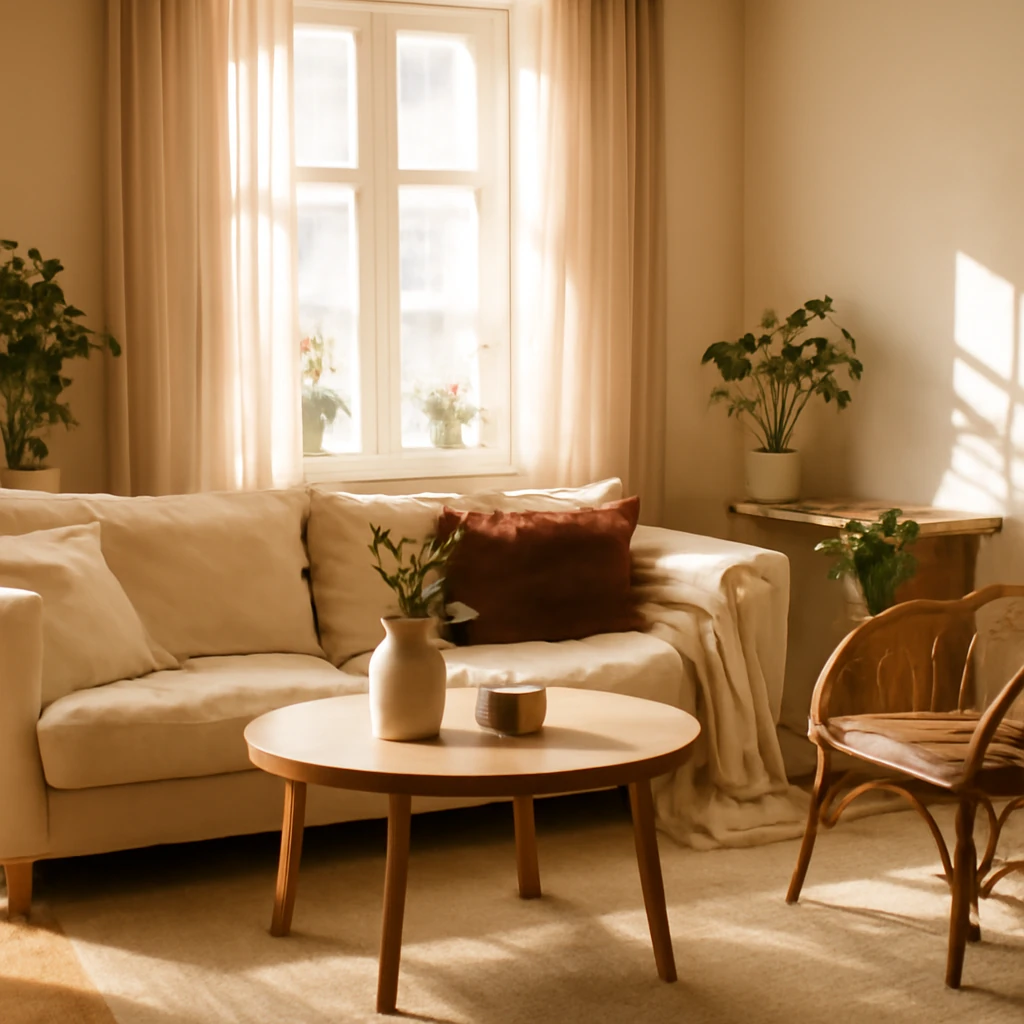
Creating a cosy home doesn’t demand a large budget or opulent pieces. Across Europe, homes range from compact city flats to airy, characterful period properties, and the common thread is the ability to layer texture, light, scent, and personal touches. This guide offers 20 practical, budget-friendly ideas to make any space feel warmer, more inviting, and unmistakably yours. By focusing on everyday materials, careful placement, and a few well-chosen details, you can transform a space without breaking the bank.
Here are the 20 ideas in brief
- Group books on shelves
- Set the dining table in the kitchen
- Layer cushions and throws
- Arrange flowers
- Decorative lettering
- Declutter small decor
- Collect items from travels
- Do something DIY
- Do not leave the coffee table bare
- Place woven baskets around the home
- Lay rugs on the floor
- Store towels in view in the bathroom
- Light candles
- Hang new curtains
- Keep on top of cleaning
- Store foods in pretty containers
- Hide household chemicals away
- Don’t forget about lighting
- Add scents
- Use seasonal decor
1. Group books on shelves
Books are a wonderful way to create warmth and texture. Rather than arranging every volume in neat columns, mix orientations and sizes. A shelf that alternates between vertical stacks and horizontal slabs feels tactile and layered, much more inviting than a perfectly uniform arrangement. In compact European living rooms, consider vertical shelves that extend to the wall to maximise storage without compromising floor space.
Principles for grouping books
- Colour as a cue: allow one shelf to express a dominant hue, another to echo a cooler palette, and one more to blend neutrals. This creates a cohesive, gallery-like rhythm.
- Vary the orientation: place some volumes vertically, others horizontally. A diagonal line or a gentle tilt adds depth and interest.
- Conceal softer clutter: softcover books and brochures can look chaotic if left loose. Tidy them into decorative boxes or a shallow basket that sits on the lower shelf.
2. Set the dining table in the kitchen
Even if you’re not hosting, a thoughtfully set table makes the kitchen feel instantly welcoming. A simple arrangement of linen napkins, a small vase of fresh greenery or blossoms, and a dessert dish with seasonal fruit or biscuits creates a sense of hospitality. Choose natural, durable materials - woven placemats, linen napkins, jute runners - and avoid plastics. If you do use textiles, opt for fabrics in natural tones such as flax, cotton or hemp, these wear well and age gracefully.
3. Layer cushions and throws
Across European interiors, layering soft textiles is the quickest route to immediate comfort. Don’t leave seating bare - place cushions of varying sizes and textures on sofas and armchairs, then add a plush throw or two at the end of the sofa for quick warmth. Mix materials such as wool, bouclé, velvet or linen in complementary colours. In a small living room, a carefully chosen throw can define a cosy reading nook without overpowering the space.
When choosing textiles, prioritise quality over quantity. A few well-made cushions with subtle patterns or texture shifts will age beautifully and retain a calm, cohesive look even as trends change.
4. Arrange flowers
Fresh flowers and greenery bring life, colour and fragrance to a home. A large leafy plant in a corner or a cluster of smaller stems on a coffee table can completely transform a room. For European homes, consider plants that suit bright or dim rooms and require manageable care. Favourites include fig, monstera, olive, and peace lilies for green foliage, along with seasonal blooms from spring to winter. If cut stems aren’t convenient, potted arrangements offer longevity and a sustained sense of well-being.
As seasons change, adjust your flora. Spring bulbs such as hyacinths and tulips welcome warmth, summer field flowers add softness, autumn hydrangeas and dahlias provide depth, winter ornaments such as hellebores can extend colour into colder months.
5. Decorative lettering
Words can set tone and mood. Decorative lettering - personal quotes, affirmations or favourite phrases - can be integrated via wall art, cushions or fabric-printed textiles. For a contemporary interior, keep typography simple and custom, perhaps by commissioning a hand-lettered artwork on archival paper or by choosing a high-quality textile with a meaningful phrase. Neon signs also offer a modern overtone if used sparingly and with restraint.
6. Declutter small decor
Clutter defeats cosiness. Review small decorative items and remove those that do not contribute to the story of your home. Each object should speak about your interests, travels or daily rituals. If you’re unsure, imagine your space without an item for a week and observe whether the room still feels complete. A considered edit leaves room for light, air and the things you truly love.
7. Collect items from travels
Souvenirs offer character when thoughtfully curated rather than scattered. Build a cohesive gallery or a small selection of pieces that share a material or colour story. Consider framing photographs from journeys or arranging artefacts in uniform, purpose-built display cases. A well-curated travel collection can anchor a room and remind you of places with personal significance.
8. Do something DIY
DIY projects can yield meaningful, budget-conscious updates. A repainted old shelf, a refurbished side table, or a handmade wall-hanging can provide a fresh focal point without a large outlay. Start with small, well-defined tasks that align with your skill level, and choose finishes that complement existing materials rather than compete with them. DIY is not just about saving money, it’s about inserting your own personality into the space.
9. Do not leave the coffee table bare
A coffee table benefits from purposeful styling. A carefully placed stack of magazines, a glass carafe of water, a small tray, or a single sculptural object can create a visually satisfying anchor. If the surface is dominant in the room, use lighter objects and open spaces to balance the mass without making the table feel cluttered.
10. Place woven baskets around the home
Baskets are economical, versatile and warm to the eye. Use them for throws, magazines or toys, and opt for handwoven styles with natural fibres such as rattan, seagrass or willow. Baskets contribute softness and texture while keeping essentials neatly concealed. They’re especially useful in kitchens, living rooms and bathrooms where storage needs are constant.
11. Lay rugs on the floor
Rugs anchor a room, add warmth and define seating areas. For European living spaces, a rug sized to sit under the front legs of a sofa and chairs - typically about 120 × 180 cm or larger in a lounge of around 20–25 m² - helps to create a cohesive zone. Choose solid colours for a calm base, or geometric or ethnically inspired patterns for personality. If you have wooden floors, a rug can soften sound and visual weight, in smaller rooms, a lighter-toned rug can make the space feel larger.
12. Store towels in view in the bathroom
Towels can look elegantly practical when neatly stacked or arranged in open shelving. Choose towels in a limited palette - white or soft pastels - and fold them with clean, crisp lines. A small, mounted ladder or a slim storage unit can display towels while keeping laundering away from sight. The goal is a calm, curated look that makes the bathroom feel spa-like rather than crowded.
13. Light candles
Candles create ambience and warmth. Select a small collection in different sizes and tones, with complementary holders in metal, glass or ceramic. Deep hues such as burgundy, ochre and dusty rose add a seasonal richness, while white or pale tones offer simplicity. When not in use, store the collection in a decorative tray so it remains part of the room’s story rather than a cluttered distraction. Candlelight should be considered as an ambient layer, not the sole source of illumination.
14. Hang new curtains
Window treatments soften a room, frame views and regulate light. Simple fabrics such as cotton, flax or linen in neutral colours offer versatility, while lighter weaves and sheer textures can soften daylight without blocking it. Curtain rods should be sturdy and discreet, with a length that allows fabric to pool slightly on the floor or skim just above it. Even in modern spaces, traditional curtains can bring a sense of warmth and belonging, balancing harsher architectural lines.
15. Keep on top of cleaning
A tidy space is the backbone of cosiness. Establish a simple routine that suits your rhythm - daily quick wipe-downs for surfaces, weekly dusting, and a monthly refresh of textiles and soft furnishings. However, aim for a lived-in atmosphere rather than hospital-like sterility. A few imperfectly placed throws or a casually draped blanket signal a real, welcoming home rather than an impersonation of perfection.
16. Store foods in pretty containers
Storage containers do double duty as décor. Invest in durable glass or lined tins that reveal pleasant contents, and use uniform shapes and sizes to maintain visual order. In kitchen pantries and open shelves, a consistent material palette - glass, cork, natural wood - creates calm and makes everyday cooking feel more enjoyable. Labels in a neat, legible typeface can add a refined touch without appearing sterile.
17. Hide household chemicals away
Household products should be discreet but accessible. Use closed cabinetry or opaque containers to reduce visual clutter. When possible, transfer liquids into uniform containers with simple, neutral designs. This not only improves aesthetics but also helps maintain a safer, more child-friendly environment in busy homes.
18. Don’t forget about lighting
Lighting is essential to cosiness. Create a layered lighting plan that includes ambient light for general tasks, task lighting for reading or cooking, and accent lighting to highlight favourite features. A combination of ceiling fixtures, floor lamps and table lamps can transform moods from bright and efficient to warm and intimate. Consider energy-efficient LEDs and dimmable options to adapt to seasons and activities. For added warmth, consider decorative bulbs with a slightly amber glow and opt for warm white rather than harsh daylight in living areas.
19. Add scents
Scent enriches the sense of home. Diffusers, scented sachets or candles can fill a space with a subtle fragrance that’s welcoming rather than overpowering. Choose gentle, soluble scents like vanilla, lavender, pine or citrus that won’t dominate conversations. Rotate fragrances with the seasons to keep the atmosphere fresh and aligned with the time of year.
20. Use seasonal decor
Seasonal decor offers a way to celebrate without clutter. A few handmade or locally sourced pieces - evergreen branches, dried botanicals, a handmade wreath, or a small pine cone arrangement - can evoke the season without overwhelming the space. The key is restraint: select a handful of elements that feel personal and timeless rather than a full tableau of holiday kitsch. Seasonal decor should enhance the room’s personality, not redefine it for a short period.
As you weave these ideas into your home, remember that cosiness comes from balance. Texture, warmth, light, scent and personal stories together create a space that feels lived-in, comfortable and thoroughly European in its breadth of influences. A well-considered home is not about chasing trends but about developing a tactile, curated environment where every object earns its place and every corner invites you to pause, breathe and enjoy.
If you’re starting from scratch in a new flat or renovating an old property, begin with a simple plan: identify a colour palette that you love, select a handful of textiles to anchor the scheme, and then layer in personal objects gradually. European homes often benefit from a sense of continuity - keep the core tones quiet and allow textures and natural materials to do the talking. In this way, a small budget can go a long way, and cosiness can become a lasting feature of daily life, not a momentary trend.
You may also like these articles
 Renovation
Turnkey Renovation for European Homes: A Complete Design & Build Guide
Everything you need to know about turnkey home renovations across Europe.
Colour & Materials
Olive Green Interiors: A Timeless European Palette
A practical guide to olive green interiors across Europe: palettes, pairings, and room-by-room tips.
Interior Design
Neoclassical Interior Design: Modern Classics for European Homes
A comprehensive guide to neoclassical interiors for European homes—balanced luxury and practicality.