
Explore interior trends, AI design insights, styling guides and real transformations
Industrial style interiors in Europe: brick, steel and warmth for every home
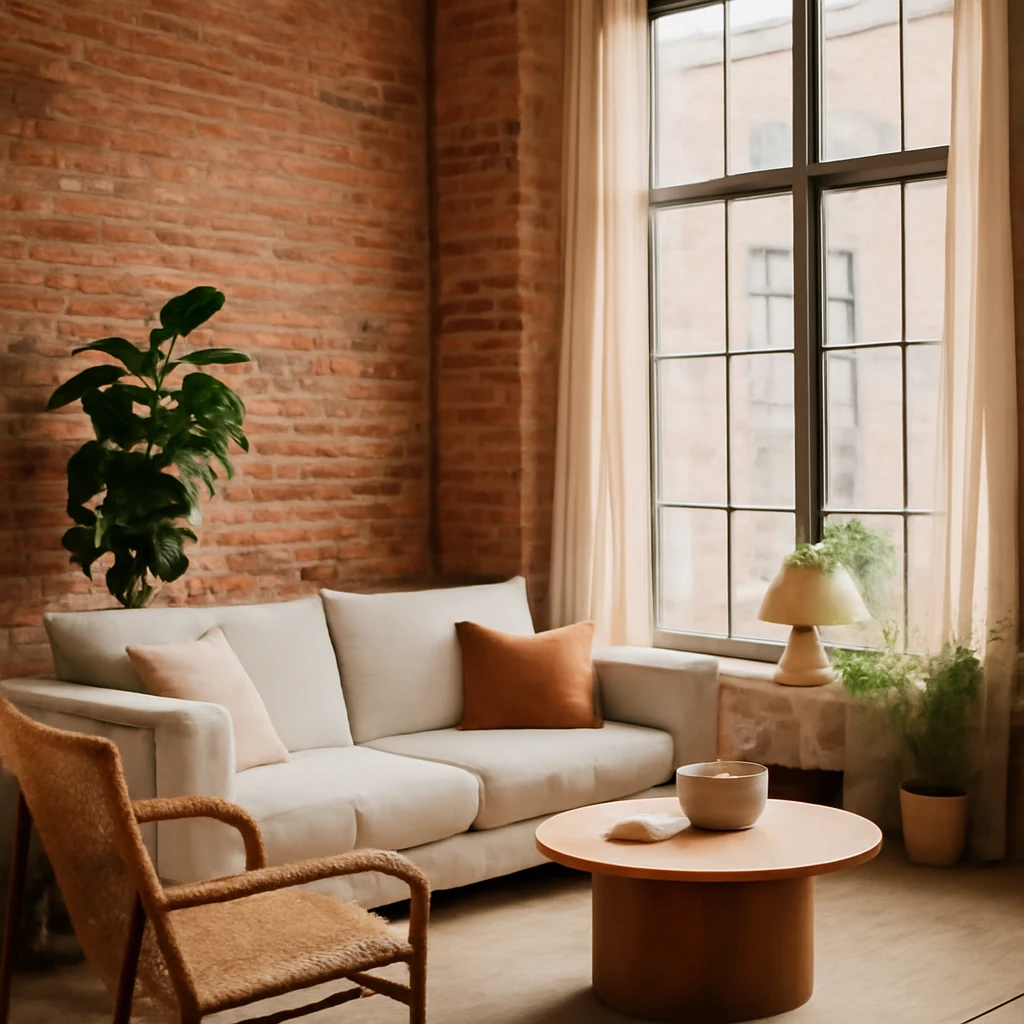
What is industrial style in interior design?
Industrial style, or the industrial aesthetic, is defined by materials, furniture and detailing inspired by converted factories and warehouses. At first glance a space finished in this way can seem austere or utilitarian, but done with care it becomes a refined, very liveable environment. The look hinges on a deliberate synthesis of raw materials, restrained detailing and an honest embrace of architectural forms. In European homes, it often translates into a well considered open plan, generous natural light, and a tastefully rough edge that is tempered by warmth and texture.
History and how it translated to European homes
The roots of industrial design trace back to the late 1920s and 1930s in North America, when economic shifts led to factories and warehouses being repurposed for living and working spaces. Over time, the aesthetic spread beyond its origins and matured into a flexible language for interiors. In Europe, the movement found fertile ground in cities rich with industrial heritage and robust architectural stock. Old factories and brick workers’ buildings in cities across the continent were converted into contemporary homes, studios and galleries. The resulting interiors preserved the crisp, structural honesty of their former lives while embracing modern comforts. Today, many European homes implement an intentional, “made-by-hand” sensibility: exposed services, salvaged materials, uncomplicated forms and a restrained palette that celebrates texture as much as tone.
Core features of industrial interiors
What sets industrial spaces apart? The defining traits include:
- Open, expansive spaces with minimal partitions, reflecting former factory layouts.
- Visible services: pipes, conduits, ducts and ceiling timbers are often left exposed or lightly finished.
- Minimal ornamentation and a focus on functional, geometric forms.
- Large windows that flood rooms with daylight and reveal the building’s structure.
- A restrained colour base, typically influenced by the raw materials themselves: concrete, brick, timber and metal.
In practice, European manifestations balance the raw with the comfortable. The aim is not cold, industrial sterility but a living environment that feels honest and contemporary.
Materials and finishes
Industrial interiors celebrate the materials that historically define factory spaces. Where a project begins from scratch, these elements are introduced in their most authentic or convincingly replicated form.
Concrete or cement-based wall finishes provide a rugged base, sometimes left exposed or treated to soften their texture. Brickwork - whether original salvaged bricks or brick-effect plaster - adds warmth and pattern. Timber beams and flooring are commonly used, often left with a raw or lightly brushed finish to preserve grain and texture. Metal, whether in frames, shelving or lighting, introduces a tactile contrast that reinforces the industrial mood.
When finishing new interiors, many designers opt for authentic textures or high-quality imitations that read as the real thing. Either way, the goal is tactile richness and a sense of history - a space that feels built for real life rather than fashion.
Colour palette
The colour strategy in industrial interiors usually follows two routes:
- Soft, neutral bases: white, cream, warm grey and stone, these tones create air and balance the weight of the architectural elements.
- Material-inspired accents: cool greys of concrete, the deep reds of brick, and the warm browns of oak or pine. These hues mirror the building blocks of the space and keep the composition cohesive.
Lighting plays a critical role in bringing these palettes to life. Properly designed lighting creates depth, casts flattering shadows and prevents the space from feeling cold or clinical. Strategically placed illumination can highlight architectural features and add warmth to the room.
Furniture and fittings
Furniture in industrial interiors should align with the space’s architectural honesty. Expect clean, functional shapes and a preference for materials that echo the building’s fabric.
- Clean lines and unadorned profiles: prefer geometric silhouettes with minimal ornament.
- Metal frames and hardware: steel or iron frames for chairs, tables and shelving reinforce the industrial mood.
- Wood with character: salvaged or reclaimed timbers, brushed finishes and visible grain add warmth and texture.
- Soft textiles sparingly used: a well-chosen rug or a textile throw introduces comfort without softening the space’s edge.
Colourful accents are permitted, but they typically act as counterpoints to the dominant neutrals and raw materials rather than competing for attention. The result is a balanced composition that feels industrial without becoming stark.
Lighting and how to light industrial spaces
Lighting is a pivotal character in industrial interiors. Large, uncurtained windows let daylight pour in and shape the room’s rhythm. For evenings or darker climates, choose lighting that continues the material language of the space.
- Industrial pendants and ceiling fixtures in metal finishes (brass, iron, black powder-coated) are common choices. Some fixtures feature exposed bulbs with clear glass, which emphasises the utilitarian aesthetic.
- Factory-inspired task lighting, such as adjustable desk lamps or clamp lamps, helps illuminate work zones and adds an authentic touch.
- Floor and table lamps with alloy bases and simple lampshades can soften the look and create warm pockets of light.
- Dimmer controls are essential to modulate ambience and prevent the space from feeling harsh as daylight changes.
In hybrid European homes, layered lighting - ambient, task and accent - ensures the space remains welcoming while retaining its industrial edge.
Decor and textiles
The guiding principle for decor is minimalism. Select pieces that reinforce the space’s narrative rather than cluttering it. Thoughtful accents can tell a story about construction, craft and history.
- Statement artworks or large abstract canvases demand attention but should be carefully placed to avoid visual competition with architectural features.
- Vintage signage, large-format mirrors in metallic frames, or oversized clocks can act as focal points when used sparingly.
- Industrial motifs - valves, wheels, gears, or piping - can be utilised as deliberate props or incorporated into shelving and architectural details.
- Textiles soften the space: a plush rug, a wool throw, or a textured cushion can make the environment more liveable without undermining its integrity.
Room-by-room ideas for European homes
Kitchen
The industrial kitchen favours openness and practicality. Consider an open-plan layout where cooking, dining and living zones merge while remaining legible as distinct areas. Elements to include:
- Exposed services where possible, such as ductwork or a metal range hood, treated for durability and ease of maintenance.
- Open or minimal cabinetry in matte finishes, complemented by natural wood or concrete worktops.
- Integrated appliances to retain a sleek, uncluttered look. The emphasis is on function and honesty of materials.
- A kitchen island with a steel frame and timber top can anchor the space and provide casual dining or a social hub.
In compact European homes, clever zoning helps retain openness. A slim breakfast bar or a movable island can delineate the cooking zone without creating physical barriers.
Living room
The living room should feel inviting, with a central seating area anchored by a substantial sofa. The room can carry the industrial mood through:
- Low-profile furniture with exposed metal frames and simple silhouettes.
- A mix of textures to keep the space from appearing hard: a soft rug, a textile throw, and warm wood elements.
- Strategic division of space using furniture rather than walls - sofas, shelving and lighting can create zones for lounging, reading and conversation.
Colour accents can come from textiles or a statement piece of art, but keep the base palette cohesive with the architectural materials.
Bedroom
A bedroom in this style should still feel restful. Soften the harder edges with textiles and tactful lighting while retaining the material honesty of the space.
- Bedframes in metal with timber slats or a solid wood headboard balance industrial mood with comfort.
- Soft, warm lighting and layers of texture in bedding, avoid excessive gloss or cold metal that can disrupt restfulness.
- Closets and storage can be slim and efficient, using metal frames and timber panels.
Introduce a personal element through a handcrafted bedside lamp, a rug with a tactile weave or a piece of art that resonates with the room’s calm mood.
Hallway and entrance
Entrances in industrial interiors can read as a gallery of the home’s language. Make the space feel expansive with light colours and reflective surfaces, while keeping the ceiling and wall textures consistent with the rest of the home.
- A slim console with a metal frame and a timber top provides practical surface space for keys and mail.
- Strategic mirrors can extend the sense of space and bounce light along the corridor.
- Smart storage solutions in metal and wood help reduce clutter without compromising style.
Bathroom
Bathrooms in industrial design adopt a robust, stylish approach to moisture resistance. Finishes may include concrete-look walls or tiles that mimic natural stone, with metal accents reinforcing the industrial mood.
- Waterproof coatings that mimic cement or brick textures can be used on walls where a fully exposed look is desired.
- Shower enclosures or baths with minimalist profiles in dark metals register the utilitarian spirit.
- Lighting should be functional yet warm, consider wall-mounted fixtures with brushed steel finishes to accentuate the texture of surrounding surfaces.
Home office
A practical study or home office in an industrial setting combines efficiency with character. Features to consider:
- A sturdy desk with a metal frame and a wooden top that can withstand daily use.
- Open shelving in steel and wood, or modular systems that can adapt to evolving needs.
- Acoustic measures such as soft furnishings or treated screens to mitigate echoes in open plans.
Good lighting and organisational systems help keep the space productive while preserving the aesthetic.
Children’s room
In a child-focused space, the industrial aesthetic should remain practical and welcoming. Use light, durable materials and introduce playful elements in measured doses.
- Calm base tones with occasional colour pops in textiles and small furnishings.
- Rounded edges on furniture to ensure safety, while metal details can be kept to a few purposeful pieces.
- Durable, easy-care surfaces for floors and walls to accommodate active play and growth.
Loft vs industrial: understanding the distinction
Loft and industrial interior styles share a common DNA - exposed structure, utilitarian materials and an open, flexible plan. Yet they diverge in mood and intent. A loft typically carries a touch of bohemian warmth and a more homely comfort, often with traditional or updated vintage furniture and softer textures. Industrial design, by contrast, leans more towards a curated chiaroscuro of materials, emphasising the honesty of concrete, brick and metal, with a more restrained decorative approach. In European homes, many spaces blend the two: a loft-inspired layout with the industrial language of materials and finishes creates a contemporary, liveable environment.
Advantages and disadvantages of industrial interiors
Considerations to weigh when deciding on this style for a European home:
- Advantages: generous, adaptable spaces, clear architectural truth, straightforward maintenance of exposed services, potential for clever, durable solutions, characterful and timeless when well executed.
- Disadvantages: the palette and textures can feel hard or cool if not balanced with warmth, requires careful selection of materials to age gracefully, not universally suited to very small or traditionally styled interiors without considered planning.
To make the approach work in a European context, focus on human scale and comfort. Introduce textures, textiles and warmth to prevent the space from feeling austere, and tailor the degree of exposure to the practical realities of the building and climate.
Practical tips for European homes
Whether you live in a compact apartment, a mid-century conversion or a classic city townhouse, these guidelines help integrate industrial design confidently:
- Start with a strong base: a neutral canvas made from concrete, plaster or plaster-look finishes, complemented by timber and metal.
- Preserve daylight: keep window openings unblocked or lightly dressed to maximise natural light, particularly in northern climates where light is precious.
- Use durable, easy-care materials in wet rooms and kitchens, treat metal and timber surfaces with appropriate finishes to ensure longevity.
- Symbolic warmth: introduce textiles, soft lighting and natural wood accents to balance the raw edges without diluting the style.
- Scale and proportion: in smaller European spaces, select furniture with slim profiles and modular arrangements that can flex with needs and moods.
- Storage strategies: utilise tall, lean storage units in metal and wood to keep the floor area clear and the space legible.
Conclusion: a resilient, modern European language
Industrial style interior design offers a resilient, contemporary language that resonates across European cities and homes. Its strength lies in its architectural honesty, its material poetry and its capacity to adapt to a wide range of living requirements. When translated with care - balancing raw materials with warmth, scale with comfort, and openness with intention - it creates spaces that feel purposeful, sophisticated and deeply liveable. For homeowners and designers who appreciate texture, form and function, the industrial aesthetic remains a powerful choice that ages well, partners with diverse architectural contexts, and continues to inspire resilient, stylish living across Europe.
You may also like these articles
 Tips & How-To
Choosing the Right Duvet Size for European Bedrooms
Master duvet sizes for comfortable European sleep.
Colour & Materials
Grey in Interiors: Nine Timeless Pairings to Elevate European Homes
Discover how grey anchors European interiors with nine versatile pairings.
Kitchen Design
Ergonomic kitchen design for daily joy: layout, height and harmony
Practical guidance on ergonomic kitchen layouts for European homes.