
Explore interior trends, AI design insights, styling guides and real transformations
Scandinavian Interiors for European Homes: Light, Texture and Practicality
Introduction: why Scandinavian design endures across Europe
Across European cities and towns, the Scandinavian aesthetic remains a touchstone for modern living. Characterised by light-filled spaces, a restrained colour palette, and an emphasis on practicality, it offers a timeless approach to interior design that adapts to diverse housing types - from compact city flats to generous countryside homes. This article explores how Nordic design evolved, what defines it today, and how to implement its core principles in contemporary European interiors without compromising warmth and personality.
A brief history: from Nordic origins to a European favourite
The roots of Scandinavian design lie in a climate that rewards daylight and efficiency. In the 18th century, northern European interiors began shifting away from ornate extravagance toward a more modest, functional aesthetic that could thrive in long northern winters. By the mid-20th century, international exhibitions in cities such as Stockholm and Milan popularised Nordic design concepts - clarity of form, high-quality materials, and a humane, accessible approach to furniture and interiors. Since then, Scandinavian aesthetics have spread globally, influencing contemporary homes with their emphasis on light, texture, and honest workmanship. In today’s European homes, the style is less about a rigid look and more about a mindset: spaces that feel calm, bright, and liveable, with a respect for sustainability and timeless materials.
Core principles: what makes a Nordic interior
Despite regional variations, several elements consistently characterise Nordic interiors. The aim is to create environments that feel effortless yet refined, where form and function are perfectly balanced. Below are the core components that define the Nordic approach in a European context.
Maximise natural light
Light is the guiding principle. Large windows, minimal window coverings, and mirrors that amplify daylight are common features. When daylight is limited by latitude or building orientation, layered lighting - ambient, task, and decorative - becomes essential. In practice, this means choosing lighting that can be dimmed, integrated into architectural features, and positioned to avoid visual clutter while keeping spaces bright and airy.
White and pale neutrals as a base
The colour story is deliberately restrained. White, ivory, light greys, and soft beiges provide the neutral canvas. These tones reflect light and create a sense of openness, which is particularly valuable in European apartments where floor plans can range from studio to multi-bedroom layouts. Subtle warmth can be introduced through architectural paints and subtle undertones rather than through saturated colours.
Natural materials and sustainability
Natural materials lie at the heart of Nordic interiors: light woods (such as birch, ash, or spruce) for floors and furniture, stone, wool, cotton, linen, and leather in textiles. The texture of these materials is celebrated to add warmth and tactility without relying on heavy ornamentation. In addition, there's a growing emphasis on sustainable sourcing and durable construction - qualities that translate well across European housing markets and budgets.
Sense of space and openness
A Nordic scheme favours uncluttered surfaces and well-planned storage. Furniture is low-profile with clean lines, and open shelving is preferred to bulky cabinetry in many rooms. The idea is to allow air to circulate and light to travel, which makes even modest rooms feel larger and more breathable.
Functional, unobtrusive furniture
Design for everyday use matters as much as aesthetics. Pieces are simple, well-made, and easy to live with. Where possible, furniture incorporates clever storage, modularity, or multi-functionality - think sofa beds, extendable dining tables, and wall-mounted storage that keeps floors clear of clutter.
Colour accents and textiles
While neutrals dominate, carefully chosen colour accents bring personality. Palette opportunities include charcoal, inky blue, forest green, or warm terracotta used sparingly on textiles, cushions, or a single feature chair. Textiles - wool throws, linen cushions, and patterned rugs - add depth and tactile warmth without overwhelming the space.
Decor and lighting for warmth
Decor is restrained but meaningful. Mirrors to reflect light, simple frames for art, and a few plants emphasise a connection to nature. Lighting - pendants, floor lamps, and concealed LEDs - plays a crucial role in creating atmosphere, particularly in rooms with limited daylight.
Wall finishes and surfaces
Walls are typically painted in pale tones or finished with light plaster, sometimes with tactile textures such as subtle plaster or wood panels. When colour is introduced on walls, it tends to be carefully chosen to complement the natural materials, never overpowering the space.
Room-by-room: translating Nordic ideas into European living spaces
Nordic design translates well across a range of domestic settings - from compact city flats to larger family homes. The following briefs explore how to implement the look in common European layouts, with practical cues that keep spaces comfortable and coherent.
Living room: calm, cohesive and inviting
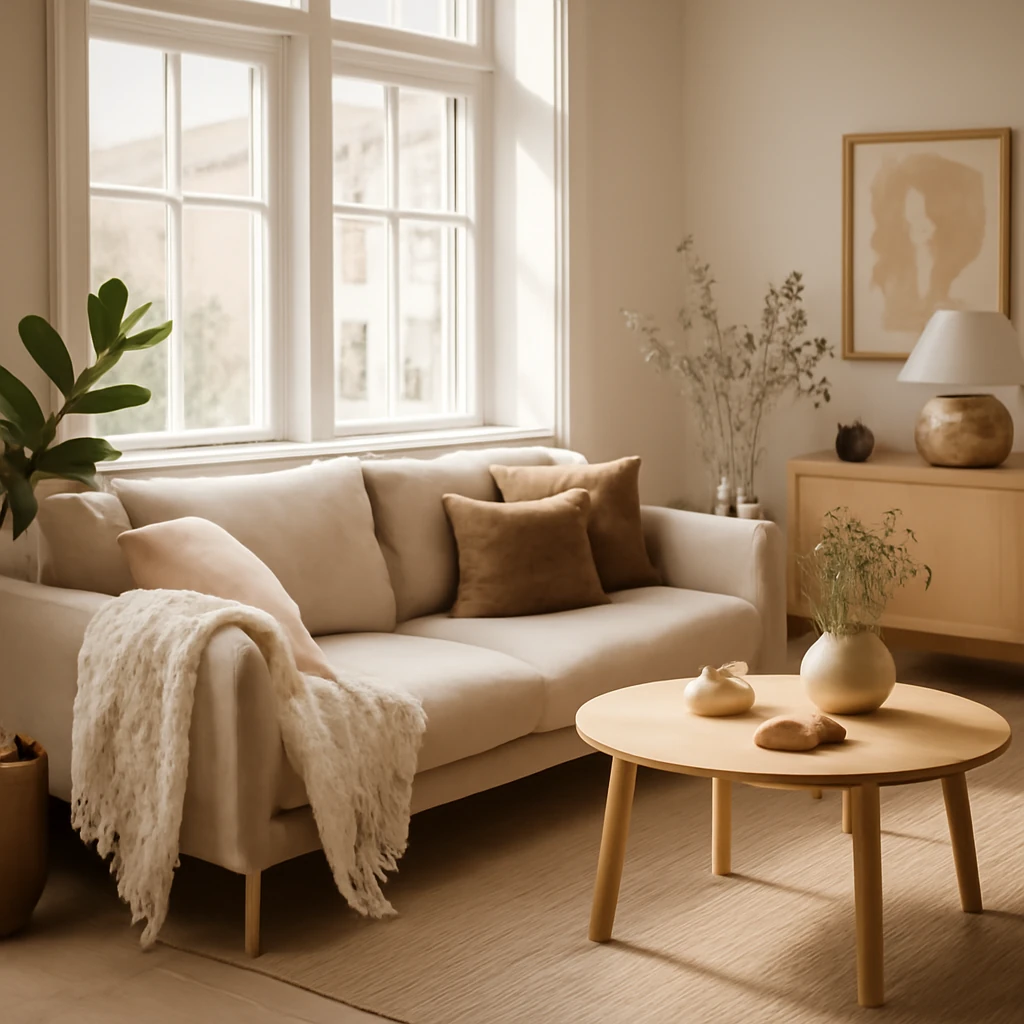
The living room in a Nordic-inspired home should feel open and welcoming. Start with a light base - white walls and a pale floor - and introduce warmth with natural textures: a wool rug, a sheepskin throw, and cushions in muted tones. A streamlined sofa on wooden legs, a simple coffee table, and a couple of well-chosen objects are enough to create a sense of personality without visual noise. Consider a feature wall in a soft grey or taupe for subtle depth, keeping the rest of the palette light. If space allows, incorporate a low-profile shelving unit with a few plants and daily essentials on display - this maintains airiness while offering practical storage.
Kitchen: functional elegance
- Open, uncluttered layouts with clear sightlines and easy movement.
- Two-tone cabinetry - white or pale wood on upper elements with slightly darker bases - can create a sense of depth while retaining brightness.
- Flat-front, handleless doors and integrated appliances keep surfaces clean and streamlined.
- Open, floating shelves or slim wall-mounted cabinets provide storage without visually weighing down the space.
- A durable, light-toned worktop such as quartz or pale wood complements the overall palette.
When selecting materials, prioritise durable, easy-to-clean surfaces and natural textures. Lighting under wall cabinets and pendant illumination over the work zone enhance both function and ambience.
Bathroom: serene and tactile
Nordic bathrooms favour simplicity and serenity. White or light-grey walls paired with natural stone or wood textures create a spa-like atmosphere. A wall-mounted vanity keeps the floor clear, while tactile textiles - cotton towels and a wool bath mat - add warmth. If space permits, a glass shower enclosure and a minimal mirror with integrated lighting help maintain a sense of openness. Use ceramic tiles with a subtle texture or a light concrete-look for a contemporary feel that remains timeless.
Bedroom: restorative and uncluttered
In bedrooms, the priority is restful calm. Keep walls in soft neutrals, and choose a bed with a simple, sturdy frame on slim legs. Layer textures through a combination of linen sheets, a chunky wool throw, and a rug that anchors the bed. Nightstands should be practical, with clean silhouettes and integrated lighting. For visual interest, introduce a restrained accent - perhaps a single chair in a muted shade or a textile-rich throw - rather than a busy array of decor.
Entry and hallway: light and organisation
Hallways benefit from light, practical finishes. A pale floor, white or off-white walls, and a compact console or wall-mounted storage system keep the pathway bright and efficient. A full-length mirror, a small plant, and a well-considered lighting plan help make narrow corridors feel more generous.
Small spaces and studio flats: air without austerity
Nordic design excels in compact homes. Use white or light-coloured walls to maximise brightness and employ multi-functional furniture to optimise the footprint. A white, open shelving system can visually expand a studio, while a fold-down dining area or sofa bed keeps life flexible. Consider area rugs to define different zones and create warmth without clutter.
Real-world adaptations: practical European examples
In European dwellings - from the Mediterranean coast to the Baltic states - the Nordic approach has been blended with local influences to suit climate, culture, and architecture. A typical 40–60 m² city flat might feature a white-walled living area with a light wood floor, a sofa on slender legs, and a compact dining nook. In larger homes, you may see a restrained mid-grey feature wall that hosts a pair of artful prints, balanced by creamy textiles and natural timber. Across Europe, designers prioritise daylight, sensory textures, and a calm, cohesive mood - while allowing rooms to express personal taste through textiles, plants, and curated objects.
Budget and practical considerations: achieving Nordic aesthetics affordably
Nordic interiors are renowned for their accessibility. A Nordic-inspired look can be achieved without resorting to high-end materials. Practical strategies include repainting walls in pale neutrals, replacing heavy furniture with lighter, modular pieces, and utilising affordable, durable laminates or melamine in light wood tones for cabinetry. Flooring can be updated with cost-effective engineered wood or pale vinyl that mimics timber. Textiles - think wool, linen, and cotton - offer warmth and character without significant expense. The key is intentional selection: choose a few high-quality pieces (for example, a sofa or a bed frame) and layer with textile and small decor items that can be refreshed seasonally.
Tips for designers and homeowners: implementing Nordic design
- Plan for light first: maximise daylight with large glazing and minimal obstructions, then layer artificial lighting to adapt to seasons and moods.
- Keep a restrained palette: use whites and pale neutrals as your base and introduce colour sparingly through textiles and small furniture pieces.
- Prioritise texture: combine wood, textile, and stone to add warmth and tactility without visual clutter.
- Embrace storage without bulk: think wall-mounted storage, open shelving, and multipurpose furniture to maintain airiness.
- Seal the space with natural details: plants, pottery, and handmade textiles reinforce a connection with nature.
Common questions about Nordic interiors
-
Is Nordic design suitable for small apartments?
Absolutely. Its light bases, simple silhouettes, and intelligent storage make it particularly well suited to compact spaces, enabling zones for living, dining, and work without visual heaviness.
-
What materials are essential in Nordic interiors?
Raw timber, natural textiles (linen, wool), stone, and glass. The emphasis is on legible materials that age gracefully and can be repaired or refreshed over time.
-
How can I introduce colour without overpowering the scheme?
Use small, considered colour accents - pillow textiles, a rug, or a single chair - paired with warm neutrals. Saturated hues should be used sparingly to maintain the calm, cohesive look.
-
What about budget?
Nordic design can be achieved with thoughtful renovations or refreshes: repaint walls, upgrade hardware, choose durable laminates or pale wood finishes, and select a few high-quality essentials with the rest in cost-effective, modular pieces.
Conclusion: a timeless, adaptable European style
The Nordic interior is more than a fashion. It represents a philosophy of light, material honesty, and comfortable living. By focusing on a bright, uncluttered base, natural textures, and functional design, European homes can realise a space that feels both current and enduring. Whether renovating a city apartment or refreshing a rural dwelling, the Nordic approach offers a reliable framework: keep it light, keep it simple, and let warmth and practicality do the rest.
You may also like these articles
 Tips & How-To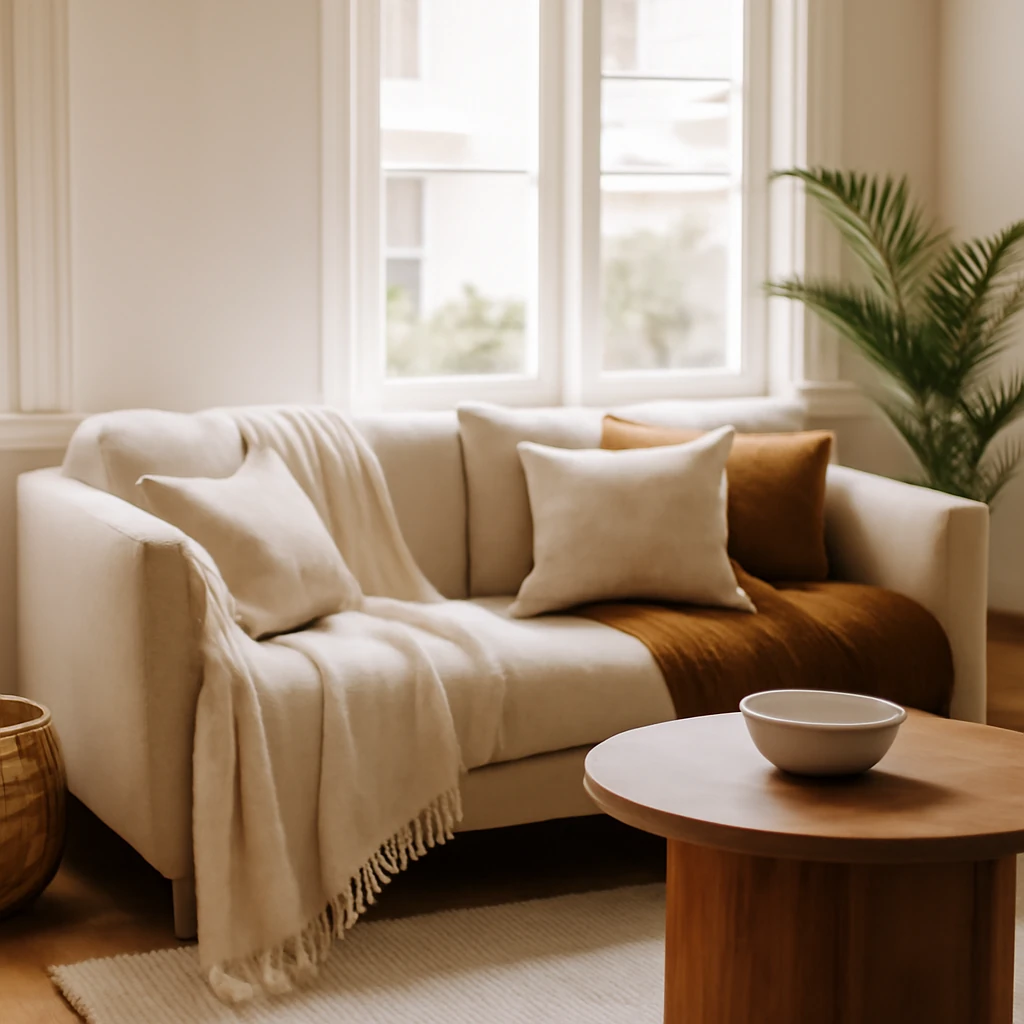
Dressing a Sofa with Throws: A Modern European Guide
Master the art of layering throws on sofas for chic European interiors.
Colour & Materials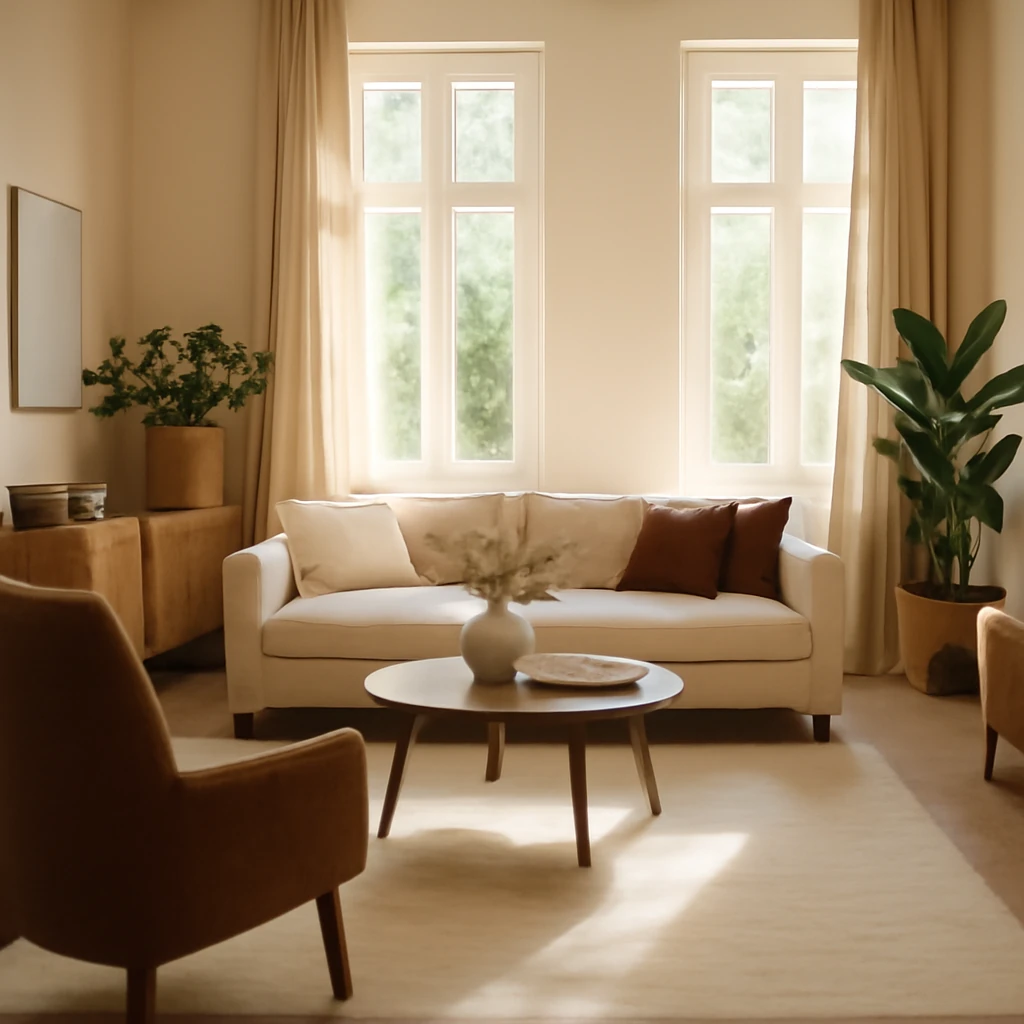
Colour strategy for European homes: palettes, proportions and practical tips
A practical guide to colour palettes for European interiors
Tips & How-To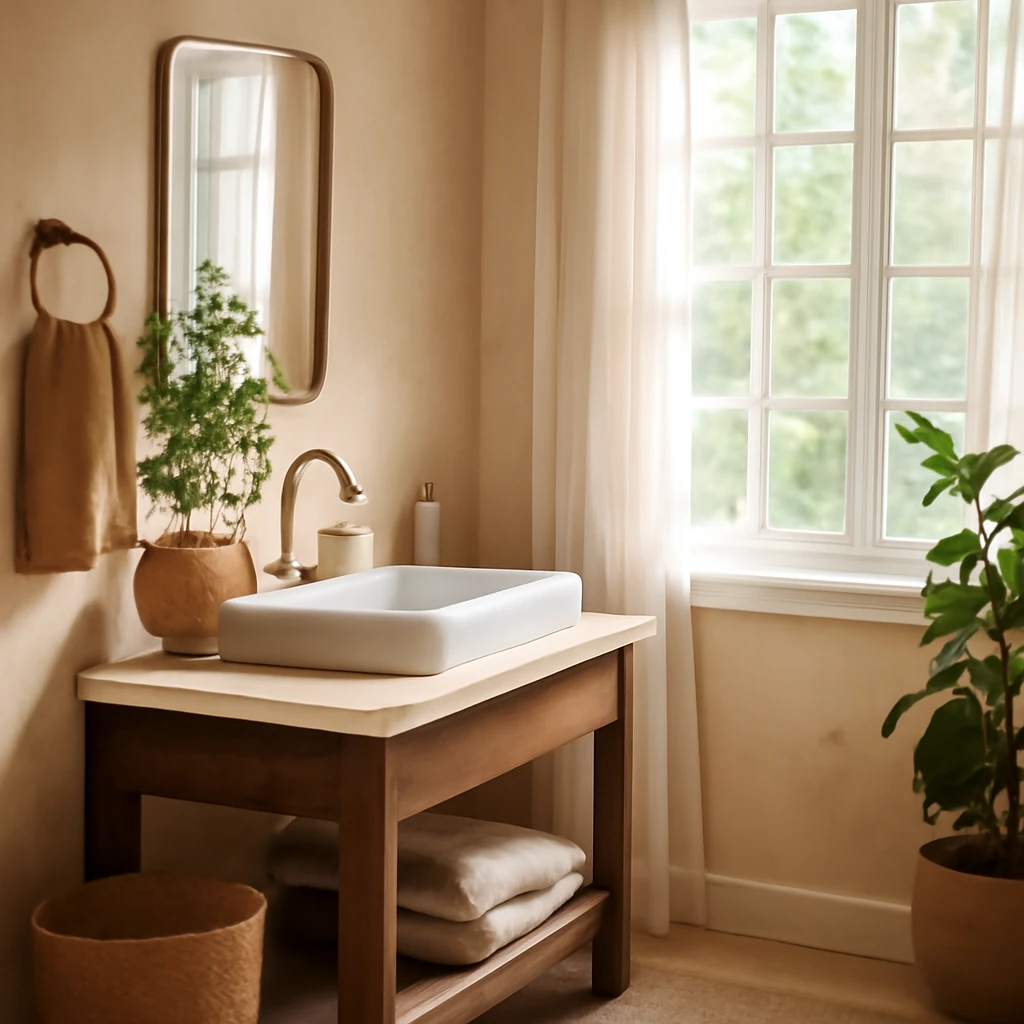
Banishing bathroom mould: a practical guide for European homes
Three proven methods to banish bathroom mould—and prevent its return.