
Explore interior trends, AI design insights, styling guides and real transformations
Interior Design for European Private Homes: Styles, Layouts and Tips
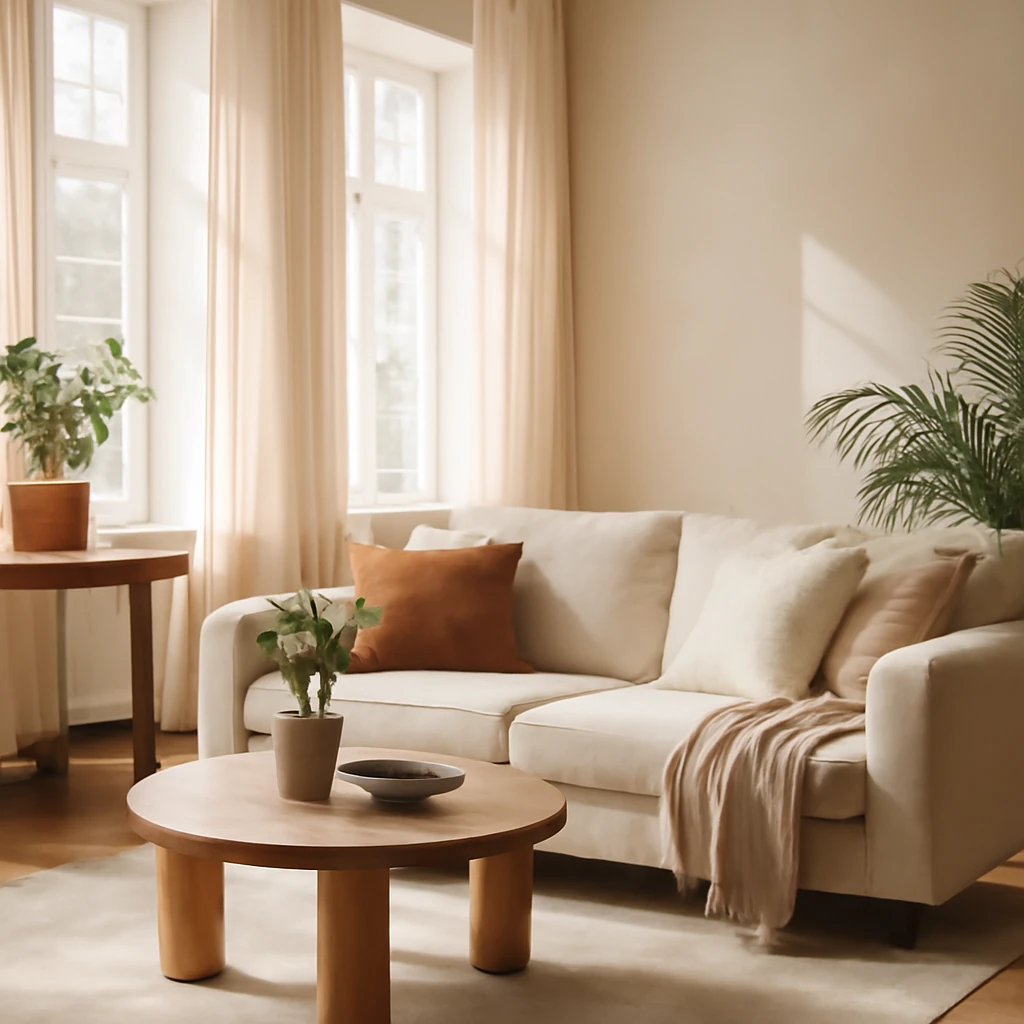
Principles of interior design for a private home
Moving from city apartments to a private house changes the design playing field. The exterior often sets the tone, and the interior should harmonise with the building's character and its surroundings. In Europe, private homes range from compact cottages to contemporary villas, yet the interior benefits from the same core principles: cohesion, daylight, and a practical flow between spaces. Here are the principles that guide successful private‑home interiors.
- Spatial openness and flexible layouts that adapt to daily life
- Abundant daylight and views to the outdoors
- A coherent material palette that relates to the setting
- Thoughtful zoning with clear circulation
- Quality finishes and restrained detailing for longevity
- Consideration of sustainability and thermal comfort as design drivers
Budget tiers for private home interiors
In Europe, planning an interior project for a private home starts with a clear view of budget and the desired level of finish. The following three tiers reflect common scenarios and how choices shift with funds.
- Economy variant. For internal finishes opt for cost‑efficient materials such as wallpapers, plaster walls, robust vinyl or engineered wood floors, and wide ceiling panels. Furniture can be second‑hand or inherited, a carefully chosen few new pieces will anchor the look. Repaint older cabinetry to unify the palette and employ decorative objects to create focal points without clutter. Styles best suited to this approach include minimalist, high tech and contemporary casual.
- Mid‑range. At the planning stage agree on a unified interior style and carry it through every room. Use natural materials where possible to balance cost and verisimilitude. If walls reveal timber or exposed beams, celebrate them rather than conceal them. Consider alternative materials that imitate stone, plaster or wood for economy without sacrificing quality.
- Luxury variant. The modern luxury interior emphasises high quality, environmentally friendly finishes, individuality and thoughtful detailing. The language across rooms should feel cohesive yet each space can express a distinct character. The emphasis is on comfort, durability and harmonious relationships between all pieces of furniture and fittings.
Beyond finances, the size of the site and the number of storeys influence the design. The following notes apply to common European configurations.
Design for a small countryside house
In a compact countryside cottage the objective is to create a comfortable, attractive interior that works on a modest footprint. Practical steps to maximise space and light include:
- Identify what is essential and what can be omitted. In a small home, avoid dedicating space to a separate gym, instead allocate a compact area for cardio equipment or a multi‑use corner. Minimise partitions, open the kitchen to the living area, or combine a workspace with a bedroom to gain openness.
- Choose multifunctional furniture. Use wardrobes that run to the ceiling to maximise storage, install built‑in appliances, where possible, omit a full oven in favour of a compact hob and a microwave. Prioritise wall‑mounted shelving and rail systems for pots and utensils to reduce bulky cabinetry.
Plans and design for a single‑storey home
One‑storey living enables all essential spaces to be arranged on a single level: living room, kitchen, bedroom and dining area. The objective is unity of style across spaces while addressing the needs of every household member. A single‑storey plan simplifies circulation, improves accessibility and can support efficiency in heating and cooling. In warmer southern regions, you may choose a flat roof or a generous terrace to extend living outdoors. If plot size allows, a linked garage with a shared roof creates a practical, integrated entrance from car to home.
Features of two‑storey homes
On the ground floor you typically find the living room, dining area, kitchen, cloakroom and perhaps a guest bedroom or study. The upper level houses bedrooms and bathrooms, and sometimes a small home office. Large, panoramic glazing on the ground floor can bring the garden inside and enhance the sense of space. A staircase finished in a contrasting colour can act as a deliberate design feature, upon light walls the dark treads and balustrade provide visual interest.
Styles for countryside homes
Rural interiors in Europe adapt to climate, local materials and traditions. The following styles are particularly well suited to countryside settings.
Country
Country interiors favour timber, stone and honest craftsmanship. A palette based on natural neutrals such as whites, biscuit, sand and warm greys helps to showcase the wood and textures. The details reflect regional flavours - Nordic, Alpine or rural market towns - without becoming fussy. The overall mood remains calm, comfortable and welcoming.
Provence
Provence style is characterised by soft, sun‑lit colours and relaxed textures. Expect light creams, pale blues, warm beiges and touches of ochre. Window textiles follow the palette, and furniture tends to be solid timber or high‑quality imitations that preserve a light and effortless feel.
Chalet
Chalet or Alpine style blends warmth, practicality and a sense of snug luxury. Expect heavy timber, stone surfaces and plush textiles. The colour story leans to browns, creams and muted greens, creating a timeless, family‑friendly environment.
Eco
Eco or sustainable interiors prioritise natural materials, abundant daylight and minimal waste. The palette centres on warm woods, sand, clay and plant life, with an emphasis on air quality and efficiency. Plants, water features and natural textures reinforce a strong connection to the outdoors.
Fireplaces
Fireplaces remain a powerful focal point in country interiors. In European homes these can be purely decorative or fully functional heating devices. Fireplaces are commonly configured as:
- Enclosed, built into the wall, finished with a material that contrasts with the wall to emphasise the feature.
- Open and central in the living room, around which seating is arranged to create convivial frames for conversation and warmth.
- Corner fireplaces designed for compact rooms where space is at a premium.
Lighting
Lighting is crucial for defining spaces and moods. It can be organised into three groups:
- General lighting for overall visibility via ceiling fixtures or wall lights.
- Decorative lighting to create accents: LED strips, floor lamps and wall sconces.
- Task lighting for work zones: kitchen counters, desks and reading corners.
For countryside interiors, lighting should invite relaxation and complement external views. The aim is to create a calm, pleasant atmosphere that supports daily routines and socialising after time spent outdoors.
Creating a restful interior
Beyond style, the interior should feel serene and inviting. Use natural materials, soft textures and a restrained colour palette. Strengthen the connection with the outdoors through large windows and garden access, and incorporate houseplants to bring life into the rooms. The best interiors support daily rituals and comfortable lounging after a day spent in the countryside.
In summary, a private European home offers vast possibilities - from compact rural cottages to light‑filled family villas. By balancing budget, space planning and stylistic intent, homeowners can craft interiors that reflect their temperament and the landscape that surrounds them.
Materials and finishes across Europe
European interiors often delight in a material hierarchy that respects climate and tradition. Wood species such as oak, beech and larch are used for floors, joinery and furniture, stone such as limestone or travertine provides durable surfaces in kitchens and bathrooms. Plaster and lime plaster walls offer breathable, natural finishes, while high quality paints with low or zero volatile organic compounds help maintain indoor air quality. Finishes should be selected with longevity in mind, and installers and craftsmen should align with local building practices and regulations. The palette tends to reflect the landscape: soft neutrals with warm undertones, light greys, and natural hues that age gracefully. Minimalism in detailing helps illumination and cleanliness, while texture from textiles, stone and wood adds depth and warmth.
Storage, organisation and small‑space solutions
European homes often prioritise smart storage that remains unobtrusive. Build in wardrobes to ceiling height, employ hidden storage under stairs, and use multi‑functional furniture such as dining tables with integrated storage or beds with drawers. Wall rails and open shelving can keep kitchens tidy without creating heavy cabinetry. In compact spaces, every centimetre is money, take every opportunity to create flexible zones that can adapt through the day, from working to dining to relaxing.
Outdoor spaces and terraces
Private European homes frequently blur the line between indoor and outdoor living. Where climate permits, extend the living room to a terrace or loggia with large sliding doors or expansive glazing that opens fully to the outdoors. Outdoor dining areas, herb planters and sheltered nooks with comfortable seating extend the usable footprint of the home and help connect residents with the seasons. Materials for exterior spaces should be durable and weather‑ready, with a colour and texture that harmonises with the interior palette.
Conclusion
A thoughtfully designed private European home offers rich possibilities - from compact rural cottages to sprawling light‑filled villas. By balancing budget, thoughtful layouts and carefully chosen materials, homeowners can craft interiors that not only look cohesive but also support everyday life, comfort and lasting appeal. Above all, the interior should reflect the landscape, climate and way of living of the region, making it a place that feels naturally at home.
You may also like these articles
 Colour & Materials
Colour-smart kitchens: nine wall palettes for European homes
Nine versatile kitchen wall colour palettes for European homes
Living room
Living rooms reimagined: planning private European homes
Expert guidance for designing and styling spacious European living rooms
Tips & How-To
How to Hang a Mirror: 7 Universal Methods for Every Surface
Expert techniques for mounting mirrors safely on walls, doors and wardrobes.