
Explore interior trends, AI design insights, styling guides and real transformations
Italian Style Interiors: Warm Mediterranean Elegance for European Homes
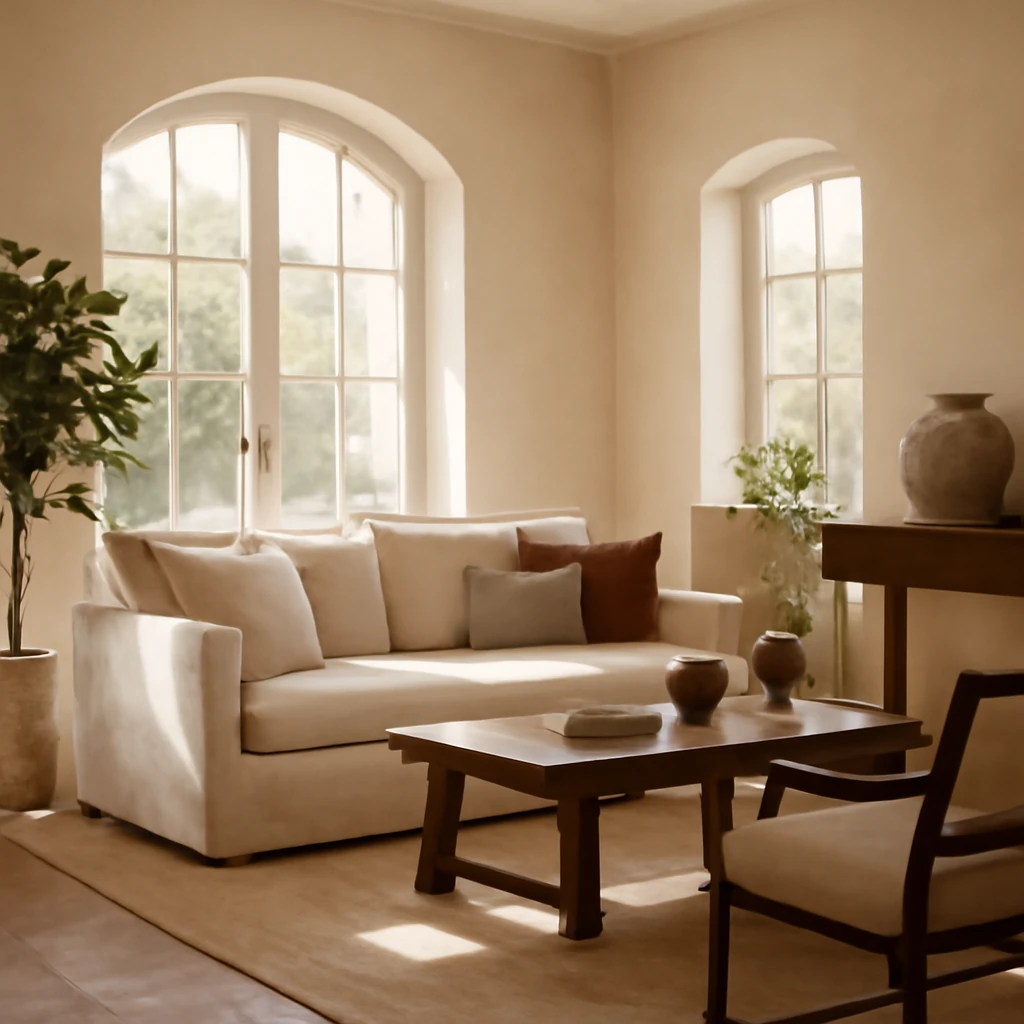
Origins of Italian style in interiors
Italian interior design represents a refined fusion of luxury and simplicity, warmth and natural materials. When the weather turns dull, the thought of sunlit coasts, refined Mediterranean palettes and festive, artful interiors can offer a comforting design direction. This guide explores how to navigate Italian design within a contemporary European context and how to translate Mediterranean cosiness into the modern home.
Rooted in a long cultural history that stretches from Classical antiquity through the Renaissance to today, Italian interiors have always celebrated light, material honesty and artisanal craft. The northern regions tend to favour restrained lines and compact forms, while the south embraces brighter colours, bolder decoration and a more expansive sense of space. Across Europe, designers interpret these regional temperaments through a shared language of time honoured materials and classical silhouettes, tempered by contemporary practicality.
Distinctive features
The guiding principle of Italian design remains elegant restraint. It blends the grandeur associated with historic interiors with the warmth and practicality of rural living. In a well designed space, wall coverings, tapestries, drapery and vases must harmonise rather than shout. Luxury manifests through vibrant mosaics, decorative plaster, and refined hand crafted finishes. To evoke the feeling of a flourishing garden, include modest trees and a suite of indoor plants in ceramic pots. Large windows and glazed doors are valued for inviting daylight and a sense of airiness.
- Natural materials such as stone, solid timber, and plaster with a subtle artisan texture
- Layered textures for depth and tactility
- Natural colour palette including ivory, soft blues, sage greens, warm ochres, and gentle lilac
- Substantial accessories and statement pieces with patina
- Frescoes, murals or hand painted surface detailing
- Timber furniture with classic forms
- Decorative mouldings and architectural detailing
- Arched openings for doors and windows
Colour and light
Italian spaces typically enjoy generous natural light and a light leaning overall. A pale backdrop visually enlarges rooms, while warm accents in gold, amber or terracotta bring sunshine into the interior. The colour range often includes ivory, pale pinks, sky blues, sage greens, emerald and violet highlights. A common strategy is to emphasise one wall with a visual feature such as wallpaper, a fresco, or a painted panel, while the other walls stay neutral. An alternative approach is to split a room into two tonal zones, for instance a cooler silver half and a warmer gold half. Lighting in Italian interiors is soft and diffuse, with ceiling fixtures, floor lamps and wall sconces used to create pools of gentle illumination.
Materials and finishes
The Italian home balances luxury with everyday comfort, emphasising the beauty of natural materials. Timber appears in dark or lightly bleached matt finishes for furniture, doors, window frames and ceiling beams. Ceramics such as glazed tiles, mosaics and majolica are common on floors, walls and kitchen backsplashes. Metal elements in brass, copper or wrought iron are seen in chandeliers, rails and furniture details. The abundance of natural materials gives Italian interiors a look that is refined yet approachable.
Finishes often feature a subtle patina and tactile textures that speak of craftsmanship. This is how spaces retain a sense of warmth and everyday luxury without becoming overly ornate.
Decorative details
Key elements that define the Italian mood include:
- Ornate plasterwork featuring scrolls and mythic motifs
- Pilasters or carved wall panels with thematic imagery
- Frescoes or paintings of villages, castles or pastoral scenes
- Ceramics including tableware, vases and decorative pottery
- Layered lighting such as multi tiered chandeliers that mimic candlelight
- Ceramic candle holders
- A fireplace or its refined surround
- Bold mouldings and substantial skirting boards
Mirrors with antique frames, lush houseplants and soft textiles add inviting texture and warmth to any Italian inspired space.
Furniture for Italian interiors
Typical Italian furniture tends to have a solid, low profile presence in timber. Wicker and rattan chairs bring casual warmth, while small sofas, coffee tables and upholstered armchairs are arranged to foster intimate conversation. Books and accessories often sit on asymmetric shelving, while bias toward lighter, more open arrangements keeps the space feeling relaxed rather than heavy. In dining zones, a substantial table with ample seating remains a traditional anchor. Contemporary interpretations often introduce textured upholstery and slender steel or iron supports to keep lines light.
Walls
Wall treatments range from textured plaster to pale paint and refined wallpapers. Wooden panelling, damask or botanical wallpapers, and frescoes or mural panels are common. For accents, use plaster mouldings, carved wood details, mosaic inserts or classical cornices and rosettes.
Flooring
Stone or ceramic tiles with mosaic patterns are prevalent. In private houses, marble floors are prized, in city apartments a parquet or wide plank timber floor is typical. Wood should look aged or intentionally rough to achieve an authentic, rustic elegance. A carefully chosen rug with geometric or botanical motifs provides warmth and defines zones within larger spaces.
Ceilings
Ceilings are usually high and painted white to maximise light. In the Tuscan style one may see exposed timber beams, while classical Italian interiors showcase plaster mouldings and ceiling roses around a central light fixture. Frescoes on ceilings or decorative painted ceilings add a dramatic, grand character.
Doors and windows
Arched doorways and windows with wooden frames recur in traditional Italian interiors, complemented by shutters and light textiles such as linen or cotton drapes. For a classical look, consider festooned drapes with tassels and soft folds. Modern adaptations may lean towards cleaner profiles while retaining the same architectural charm.
Design variations
The overarching concept remains Italian at heart, yet regional influences shape the character and feel of spaces across the peninsula.
Florentine
Florence embodies Renaissance luxury and refinement. Expect marble details, damask or velvet upholstery, subtle gold leaf, and wall surfaces with delicate painterly decoration. Furniture is substantial with graceful curves and ornate finishing, conveying a sense of timeless sophistication.
Tuscan
Rosy light, earthy stones and natural textures speak to a landscape inspired elegance. Grounded tones such as coffee, olive, ochre, and soft blues prevail. Surfaces often show signs of age or patination, with exposed wooden beams, rugged floors and hand crafted ceramics. The atmosphere is warm, rustic yet elegant, inviting long meals and conversation.
Neapolitan
Bright, cheerful and expressive, Neapolitan style embraces lively colour palettes, vibrant tiles, and light wood furniture. Expect architectural clarity paired with decorative tile work, botanical motifs and coastal influences. The mood is celebratory without sacrificing readability or comfort.
Sicilian
Rustic warmth dominates, with heavy stone, weathered wood and terracotta accents. Hand painted ceramics and floral motifs appear frequently, alongside handmade textiles that add a tactile, artisanal feel. The palette ranges from sunlit ochres to rich terracottas, creating spaces that feel lived in and authentic.
Mediterranean
Arches, warm yellows, diffuse daylight and abundant greenery define the Mediterranean aesthetic. Furniture often features woven textures in light natural fibres, with mirrors in carved wooden frames and a profusion of small statues or artefacts that tell a story about place and craft.
Classical
Classical Italian interiors push the sense of grandeur with handmade pieces, extensive carved detailing and ornate finishes. Ceilings may be adorned with frescoes and mouldings, and lighting tends to be monumental yet balanced with generous windows. Open plan layouts and expansive rooms are celebrated rather than subdivided, reinforcing a sense of air and flow.
Rustic
The rustic end of the spectrum foregrounds tactile materials and honest workmanship. Expect paneled walls, aged wooden doors with visible hardware, heavy ceiling beams and solid timber beds. Stone accents, natural textiles such as linen and wool, and a restrained colour palette anchor the space in a country mood that remains distinctly sophisticated.
Contemporary interpretation
Modern Italian design preserves the essence while using more approachable materials. Ready made wall finishes or plaster can substitute for traditional stone or lime, engineered wood or laminates may replace solid timber, contemporary lighting may replace ornate chandeliers, while still keeping the overall mood of warmth and architectural reference. The result is spaces that feel timeless yet affordable and adaptable.
Practical rooms in Italian style
These examples articulate how the Italian language translates into room by room design while remaining adaptable to European living spaces.
Living room
Focus on a comforting sofa arrangement with a pair of armchairs and a central coffee table. Let the seating form the anchor of the room and keep other pieces in a unified colour or wood tone. A contrasting upholstered piece or cushions with a bold pattern can act as a visual accent. If a fireplace exists, pair it with a handsome surround or a framed mirror. A wicker armchair or a cane chair can add a touch of rustic warmth. Walls can be finished with a Venetian lime plaster, pale paint or subdued wallpapers. A softly patterned rug grounds the seating area while sheer curtains maintain openness to daylight.
Kitchen
A spacious dining zone with a substantial table and comfortable chairs works well. Use cabinetry with timber fronts and a marble or stone worktop. In finish choices, earthy greens, warm beiges, pistachio and soft orange accents can be very effective. Floor materials might be solid timber, ceramic tile or a high quality laminate that mimics natural wood. If walls feature natural stone or decorative fresco elements, the space sets a refined tone for the whole home. A mosaic tiled backsplash with a blue green motif, a wrought iron pendant and a vintage clock are classic touches. Add a landscape painting or a simple planter to complete the composition.
Bedroom
Choose a bright, uncluttered space with simple but well crafted furniture. Walls in beige or pale ivory, with an unvarnished timber floor, convey calm. The bed is the room’s focal point, ideally on tall legs, paired with a generous wardrobe and a statement mirror in an ornate frame. Soft curtains, a canopy or a lightweight throw can add warmth without crowding the space. Keep accessories restrained to preserve a sense of serenity and spaciousness.
Hallway
The corridor should continue the Italian mood with bright lighting and a straightforward layout. A practical console or a small table, a comfortable bench and a well framed mirror will help visually extend the space. Use contemporary light fixtures that mimic candle light to add a cosy glow without heaviness.
Children’s room
Opt for calm, friendly colours such as white, pale blue, olive and soft yellow. Furniture should be simple and sturdy, with natural fibres for textiles. Embroidered throws, knitted blankets and soft rugs contribute warmth. A bed with a canopy can offer charm and insect protection while decorative art and playful posters complete the room without overpowering it.
Bathroom
Bathrooms in Italian style often embrace ceramic mosaics, stone looks or real stone. Framed mirrors and lantern style lighting reinforce the traditional mood. Sanitary ware with soft, rounded shapes remains timeless. A window is a practical and aesthetic asset, offering daylight and ventilation.
Small apartment in Italian style
In compact homes the objective is to retain a sense of cosiness and openness. Opt for light walls and minimal but thoughtful decoration, with plenty of natural light. Choose furniture that is well built and compact, but not bargain basement in appearance. Light, airy curtains, large mirrors and careful zoning help to create the illusion of space. Natural materials such as timber, stone, linen and ceramic contribute warmth and tactility even in modest quantities.
To sum up
Whether you are designing a full house, a city apartment or a compact studio in the Italian style, a few guiding principles yield a refined yet welcoming result. Focus on warmth, material honesty and a sense of timeless elegance that travels well across Europe.
- Choose a warm colour palette such as ochre, terracotta, cream, soft blue and olive.
- Prefer natural materials for finishes and furniture: timber, stone, ceramic, wrought metal.
- Plan walls and ceilings with decorative plaster, frescoes, timber beams or their copies, arched openings, and stone or brick accents.
- Furnish with pieces that have character: substantial, with a sense of age, and with wrought or ceramic details. Sofas and chairs on slender legs with restrained upholstery.
- Add appropriate decor: linen or cotton curtains, simple patterned throws, ceramic vases and handmade items.
- Avoid overloading with details to maintain a light, open feel.
Remember that the ambience of a home reflects its owners. Trust your instincts, attend to the small touches, and realise a space that feels harmonious and inviting, a centre of daily life that fits into a European context.
FAQ
Which colour schemes are popular in Italian apartment design
Warm, natural tones prevail such as terracotta, ochre, cream, olive and sand. For accents use emerald, azure, velvet blue or burgundy. The palette makes spaces feel sunlit and welcoming.
How to combine traditional and modern elements in interiors
Base the space on natural materials and recognisable furniture. Introduce contemporary details through simple decor, strategic lighting and minimalist accessories. This balance creates a striking yet comfortable space that remains timeless.
What decorative items suit Italian interiors
Choose wall art with fresco like motifs, ceramic vases, carved frames and handmade textiles. Avoid overloading with trends, favour enduring crafts and classic pieces that gain character over time.
What textiles work well in Italian style
Opt for warm, tactile fabrics such as linen, cotton, wool and velvet. Use soft, restrained patterns and natural colours to preserve elegance and comfort.
You may also like these articles
 Furniture
Soft Structures, Flexible Living: Modular Sofas for European Homes
Modular sofas reshape European living rooms with flexible layouts.
Interior Design
Euro Three‑Room Living: Optimising Space, Style and Comfort
A practical guide to planning European euro-triple homes: layout, zoning and finishes.
Tips & How-To
Clever Kitchen–Living Room Design: Zoning, Layouts and Details for European Homes
Master the art of a cohesive kitchen–living space with European zoning tricks and timeless style.