
Explore interior trends, AI design insights, styling guides and real transformations
Rethinking the Entrance Hall: 50 ideas for a brighter European corridor
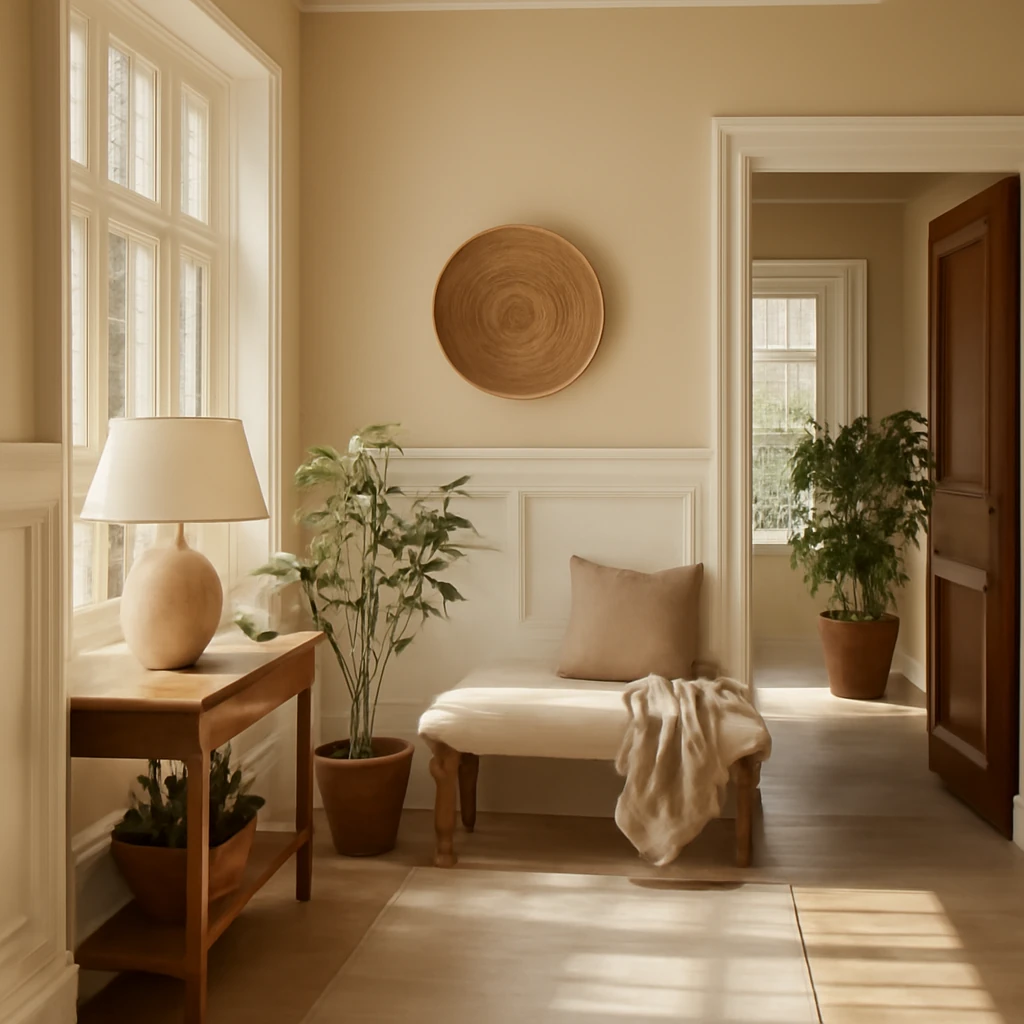
Planning, expansion and organisation of space
In European homes, the entrance hall sets the tone for the rest of the dwelling. The spaces vary from compact city flats to generous bygone-era corridors, yet all share a common need: a well organised, well lit threshold that welcomes guests and discreetly supports daily life. The renovation of a hall should begin with a clear plan that respects the existing structure, builds a practical layout and then selects finishes that balance durability with subtle beauty. In many project timelines, work in the hallway is staged towards the end so that debris from other renovations does not migrate into the finished areas. A thoughtful sequence helps preserve cleanliness and reduces disruption in the living spaces beyond the door.
Because hallway layouts differ across Europe, every project benefits from a tailored approach. Narrow passageways, angular corners and long corridors each demand strategies to maximise perceived space. When space is limited, the goal is to create a sense of airiness while maintaining function. In larger halls, the objective shifts towards defining zones – a place to remove shoes, a compact seating nook, and storage that is unobtrusive yet easily accessible. Across all scales, successful hall design hinges on light, reflective surfaces, and smart storage that does not visually weigh down the space.
Key principles recur across European contexts: make light work for you, use mirrors strategically, select storage that disappears when not in use, and choose materials that are robust enough to withstand daily wear and movement. The following sections explore how to achieve these aims in different hallway typologies, from the narrow to the expansive, and from traditional to contemporary interiors.
Layout and spatial perception: how to widen a corridor
Visual tricks are powerful allies in hallway design. Since most corridors lack generous natural light, the way you lay the floor, the colours you choose and the surfaces that reflect light will determine how spacious the space feels. A thoughtful plan begins with measuring and mapping the flow of traffic, then selecting a palette and materials that support calm, organised movement from threshold to door.
§1. Colour and light strategy The simplest and most transformative tactic is to use light, neutral colours on walls and ceilings. Soft whites, pale greys and warm creams bounce available light around the room, making the space feel larger. If your hall has a strong northern light or very little daylight, lean into a lighter base colour and consider a slightly warmer undertone to avoid a chilly ambience. Where there is an opportunity to introduce colour, reserve it for a single accent wall or a narrow strip along the lower third of the wall to ground the space without overpowering it. The overall aim is to keep the palette cohesive with the adjoining rooms, so the transition from hall to living spaces reads as a single curated continuum.
§2. Floor orientation to create length or width The orientation of the floor can visually alter the proportions of a corridor. In narrow spaces, running floorboards or tiles diagonally can pull the eye along the corridor length, giving a sense of extended space. If the goal is to shorten and balance a long, narrow hall, lay planks or tiles lengthwise to reinforce a sense of constant width. In very tight spaces, a herringbone or chevron pattern in a light, reflective tile can add character while maintaining the perception of openness. Where budget or routing constraints apply, a lighter, continuous floor visually unifies the space and minimizes interruptions between zones.
§3. Reflective surfaces as light amplifiers Mirrors are practical and decorative in equal measure. A full-height mirror on one wall or mirrored cabinet fronts can double the perceived depth of a hall. When placing mirrors, consider opposite or adjacent wall alignments to create a sense of endlessness without creating a disorienting effect. In angular or irregular halls, custom mirrors or glass-front storage can be tailored to the geometry, providing light reflection without crowding the space with bulky elements.
Zoning a narrow or angular hallway
Narrow and angular halls present particular challenges. The aim is to segment the space into clearly defined zones without visually dividing the area into awkward fragments. Techniques include furniture placement, ceiling detailing, and the strategic use of colour and texture to shape the journey from door to door.
Narrow entrance hall
The core issue in a narrow hall is floor area. Compact, multi-functional storage and a slender seating option often deliver the best results. A wall-mounted or recessed unit can provide essential storage for coats, shoes and small accessories without reducing clearance space. If seating is desired, choose a slim bench or tufted stool with a concealed compartment to maintain a streamlined silhouette. Consider a continuous run of wall shelves above eye level for daily items, leaving the lower section free for legroom and open space perception. Lighting should be layered: a central ceiling fitting supplemented by wall-mounted sconces or under-shelf LEDs to illuminate the floor and create gentle reflections along the walls.
Colour in a narrow hall should primarily be light, with warmer undertones to counteract any clinical feel. Where there is a long wall, adding a slightly darker shade in a vertical strip at mid-height can help visually compress the wall, balancing disproportionate lengths and creating a more harmonious rhythm as you move through the space.
Angular or irregular hall
Cornered corridors invite clever storage solutions that follow the geometry rather than fight it. A corner wardrobe with a mirrored facade can reclaim valuable space, while a corner seat with a lift-up lid offers a practical kneeling area and hidden storage. If you opt for a modular solution, design blocks that can be extended or rearranged as needs evolve. When walls form acute angles, consider integrated alcoves for small baskets or slimmer shelves to maintain line and order without overcrowding the corners.
Small corridors with flexibility in mind
In very compact spaces, the emphasis should be on keeping surfaces minimal and finishes highly durable. A single, continuous material on floors and lower walls can unify the space, reducing visual breaks. A shallow console or wall-mounted coat rail with hooks keeps functionality within immediate reach while preserving floor space for movement. A compact, upholstered seating option with a small footprint is a welcome addition if there is room for a momentary pause before leaving or entering the home.
Colour palette choices for hallways
The colour selection for a European entrance hall should consider both light availability and the connection to adjacent rooms. A coherent palette across the threshold creates a sense of flow, while well-chosen accents can inject personality without compromising calm. Neutral bases such as off-white, soft taupe or warm grey work well in most contexts. If your home features exposed architectural details or period features, a restrained palette allows these elements to take centre stage rather than competing with a busy colour scheme.
When selecting accents, consider textures and finishes to add depth rather than relying on hue alone. A light-tinted plaster, a subtly textured wallpaper or a ceramic tile with a gentle pattern can contribute tactile interest that enhances the sense of quality. In spaces with limited daylight, warm undertones in wall colours can create a welcoming glow, while cool undertones remain appealing in homes with abundant natural light and modern materials.
Wall finishes: choosing materials that endure
The walls of an entrance hall are subject to frequent contact, scuffing and dirt from shoes and coats. Durable, washable or wipeable finishes are essential. European homes favour a mix of practical and refined finishes that can withstand daily use while ageing gracefully. The options below cover a spectrum of styles, from contemporary to traditional, and each brings advantages depending on the hall’s characteristics.
- Vinyl or washable wallpapers These surfaces are easy to clean and robust, making them a practical option for busy halls. They come in many textures and patterns, enabling a subtle or bold statement depending on the chosen design. Keep patterns light and scale-appropriate to avoid overwhelming the space.
- Cork wallpapers A natural, quieting material with a soft tactility. Cork can absorb sound and provide warmth underfoot in cool climates. It is best used in halls that benefit from a calm, organic feel and colour benches or light-toned furniture.
- Liquid wallpapers A compound that can be applied like paint but delivers a layered texture. It is relatively hardy and can be matched to many colour schemes, offering a refined option for those seeking a seamless wall surface.
- Decorative plaster Traditional plaster in a contemporary finish can create depth with subtle accents. Skilled application is essential for achieving a flawless result, but the rewards include a highly durable surface that ages beautifully.
- Ceramic tiles or porcelain For high-traffic zones, wall tiles are a robust choice. They resist scuffs and moisture and are available in a broad range of sizes, glazes and textures. Use on the lower two to three metres of wall to protect from wear, while keeping the upper wall in a lighter paint or wallpaper to preserve a sense of airiness.
- Plasterboard panels For a modern, clean look, fixed panels with integrated lighting or linear profile details offer a neat, programmable aesthetic that can be tailored to the corridor’s geometry.
Tile and surface selections for durability
When walls demand more protection than paint offers, ceramic or porcelain tiles present a long-lasting solution. For small entrances, consider large-format tiles to reduce grout lines and visual breaks. If you prefer a warmer look, opt for textured surfaces or matte glazes that hide fingerprints and smudges better than high-gloss finishes. For homes with higher ceilings, a bright, glossy wall tile close to the ceiling can create an unexpected lift in tonal value that enlarges the perceived height of the space.
Flooring: texture, pattern and practicality
The floor is one of the most abused surfaces in a hallway, enduring foot traffic, wet footwear and occasional dirt brought in from outside. Flooring choices should balance resilience, ease of maintenance and aesthetic appeal. In European contexts, several reliable options work well across a range of interiors, from classic to minimalistic.
Tiled floors
Porcelain or ceramic tiles are a traditional choice for halls, prized for durability and a wide selection of finishes. Light-coloured tiles with a matte or satin finish help disguise soiling and scratches, while larger formats reduce the visual weight of grout lines. Diagonal layouts or herringbone patterns can add visual interest without compromising practicality. Use underfloor heating where possible to improve comfort in colder climates and to avoid cold feet during early mornings and late evenings.
Laminate and engineered wood
Laminate flooring offers affordability and resilience, while engineered wood provides warmth and elegance. In a hallway, select wear layers with high AC ratings or equivalent for durability. Choose a tone that complements the walls and furniture, a mid-tone oak or ash can harmonise with a wide range of décors. In long corridors, a continuous plank length can extend the impression of depth, whereas a mixed or directional pattern can visually segment the space into zones if required.
Vinyl flooring
Vinyl plank or tile systems deliver excellent resilience, sound absorption and easy maintenance. They come in convincing wood or stone looks and are easy to install, often with a floating or glue-down method. In busy entrances, a slightly textured surface can help mitigate slips when the floor is wet. Ensure the chosen product is certified for high-traffic settings and compatible with underfloor heating where applicable.
Natural stone and terrazzo
For timeless elegance, natural stone or terrazzo floors are unbeatable in prestige halls or those with period features. They require professional installation and regular maintenance but reward with a premium, durable surface. To balance a rugged stone appearance, pair with soft wall colours and lighter ceiling tones to maintain overall brightness in the space.
Ceiling finishes: light, height and character
The ceiling offers another opportunity to influence perceived height and brightness. In relatively low-ceiling halls, a bright surface with minimal texture can help raise the eye line and create an airy feel. In period homes with decorative plaster, a careful restoration of ceiling details can lend character while maintaining modern warmth.
- Painted ceilings A clean, bright ceiling painted in white or a warm white can make a hall feel more expansive. Consider a satin or eggshell finish for durability and ease of maintenance.
- Plaster or plasterboard panels For a contemporary edge, smooth plasterboard panels with integrated lighting or linear coves provide a refined backdrop that complements modern furniture.
- Suspended ceilings In larger or more complex halls, a suspended ceiling can hide wiring for lighting, create clean lines and support acoustic improvements. It is particularly effective in office-like thresholds that need a quiet, controlled atmosphere.
- Ceiling wallpapers Patterned or textured wallpapers in small doses can add warmth, especially in generously lit halls where reflections may otherwise feel sterile. Use sparingly and ensure it is compatible with humidity and cleaning methods in busy entryways.
Lighting: layers, warmth and function
Lighting is essential in a hall, often the only source of light when natural daylight is minimal. A well-planned lighting scheme improves safety, mood and perception of space. Consider layering light in four ways: ambient, task, accent and decorative. A refined hall will rarely rely on a single light source.
- General illumination A ceiling-mounted fixture or a row of recessed downlights provides even coverage and ensures the entire space is comfortable to traverse. Choose energy-efficient LEDs with a warm colour temperature (2700–3000K) for a welcoming atmosphere.
- Task lighting A slim wall light near a coat rail or a corner seat creates a practical glow for putting on shoes or checking looks in the mirrors. Consider dimmable options to adapt to different times of day and occasions.
- Accent lighting Subtle lighting along shelves or within a niche can highlight textures or architectural details. It also helps to guide movement at night without blinding glare.
- Low-level lighting Floor-level or toe-kick lighting can softly illuminate steps and thresholds, increasing safety and adding a contemporary mood to the space.
Avoid heavy, single-direction lighting that creates harsh shadows or emphasizes clutter. Instead, aim for a balanced, diffuse glow that makes the hall feel generous and calm. When designing the lighting, consider the materials in the hall, glossy surfaces amplify light while matte finishes absorb it, so plan accordingly to achieve the desired effect.
Storage and furniture: practical, modular and discreet
Efficient storage is the backbone of a well-designed hallway. The best systems combine form and function, offering ample capacity without overpowering the space. In European homes, where hall squares may be precious, modular furniture and integrated storage are often the best route for achieving both order and flexibility.
- Modular furniture Modular units allow you to tailor a storage system to the exact dimensions of your hall. They can be reconfigured as needs change, offering a future-proof solution that keeps wear and tear in check.
- Wardrobes with mirrored fronts A mirrored wardrobe is a dual-purpose choice: it stores coats and shoes while visually expanding the space. When placed opposite a light source, mirrors increase brightness and depth, making the hallway feel more generous.
- Shoe storage and seating A slim, shallow bench with a hidden compartment keeps footwear neatly out of sight. If space allows, a small seat with a pull-out drawer or lift-up top adds convenience without cluttering the floor.
- Floating shelves and hooks Wall-mounted storage reduces floor clutter and creates an organised display for keys, hats and bags. A well-placed row of hooks at chest or hip height is practical and easy to reach as you leave the home.
When selecting storage, prioritise items that offer multiple functions. For example, a console can double as a surface for daily items, a display for decorative elements, and a platform for a compact seating option. In tight spaces, every centimetre of vertical space becomes valuable storage territory.
Acessories and decorative details: finishing touches that matter
Details are what elevate an ordinary hallway into a considered space. The goal is to create warmth, cohesion and personality without creating visual noise. Thoughtful accessories such as a dedicated key organiser, a compact umbrella stand, a towel or shoe rack, and a small clock can help establish a functional rhythm for daily routines. Textiles offer tactile warmth: a runner rug can soften the acoustics and guide the way, while a carefully chosen cushion or throw can inject character without overwhelming the senses.
Keep surfaces in easy-clean materials and maintain a coherent look by selecting finishes that complement one another. A consistent hardware language – such as knurled metal handles, matte black or brushed brass – further anchors the space and links it to the rest of the home’s interior.
Practical planning steps: a checklist for home owners
Renovating a hallway can be approached methodically with a straightforward plan. Here is a practical checklist to guide your project from concept to completion.
- Assess the space Measure length, width and height, note door positions, radiators and electrical outlets. Draw a simple plan to visualise traffic flow and potential zones for seating, storage and mirrors.
- Set a budget and timeline Allocate funds for furniture, finishes, lighting and trades. Create a realistic timetable that avoids clashes with other renovations in the dwelling.
- Define your aesthetic Decide on a base palette and a single accent to ensure cohesion with adjacent rooms. Consider the architectural style of the building and any period features that deserve emphasis.
- Choose durable materials Select wall coverings, flooring and ceiling materials that cope with high traffic, moisture and dirt. Prioritise washable and easily repaired finishes.
- Plan storage early Map out where coats, shoes, bags and small items will live. Consider a combination of closed storage, open shelves and hooks for flexibility.
- Lighting plan Design a layered lighting scheme with ambient, task and accent elements. Include dimmable options to adapt mood and function.
- Implement acoustic comfort In longer halls, integrate soft materials - rugs, upholstered seating, wall panels - to absorb noise and create a welcoming atmosphere.
- Schedule trades carefully If working with specialists, plan for accuracy in finish, alignment of panels and mirrors, and the timing of painting and flooring installation to avoid damage.
Case study approach: applying the concepts in European contexts
Across Europe, entrance halls reflect regional building traditions while embracing contemporary practicality. In a compact city apartment, the emphasis is on clever vertical storage, mirrors and light-coloured walls to create a sense of airiness. In a mid-size period home, you might restore decorative plaster, install a freestanding console with integrated lighting, and use a vintage-inspired rug to blend old and new. In a modern flat with an open-plan living area, the hall can act as a transition zone with a slim console, a wall of hooks, and a compact seating element that does not interrupt sightlines into the living space. Regardless of style, the underlying principles remain constant: light, storage efficiency, durable finishes and a cohesive palette that harmonises with the rest of the home.
Maintenance, durability and sustainability
Entrances endure heavy use and require surfaces that are easy to clean, resist scuffs and tolerate occasional moisture. Regular maintenance is an investment in longevity: wipe-down routines for wall coverings, gentle cleaning for floor finishes, and periodic checks of lighting and fittings to ensure safe, reliable operation. In contemporary European homes prioritising sustainability, consider low-VOC paints, responsibly sourced flooring and durable materials with longer service lives. When possible, invest in modular furniture that can be reconfigured rather than replaced, reducing waste and extending the life of the interior design.
Conclusion: a threshold that welcomes and organises
The entrance hall is more than a passageway, it is a microcosm of the home’s character and a showcase for practical, thoughtful design. By aligning layout with the building’s geometry, choosing a cohesive colour strategy, selecting durable wall and floor finishes, and incorporating flexible storage and layered lighting, you create a threshold that feels calm, generous and genuinely welcoming. The European home thrives on efficiency and elegance, and a well-executed hallway renovation is a training ground for better living throughout the dwelling. With careful planning, modest investment and an eye for detail, the entrance hall becomes a confident first impression and a reliable, enjoyable space for daily routines.
You may also like these articles
 Colour & Materials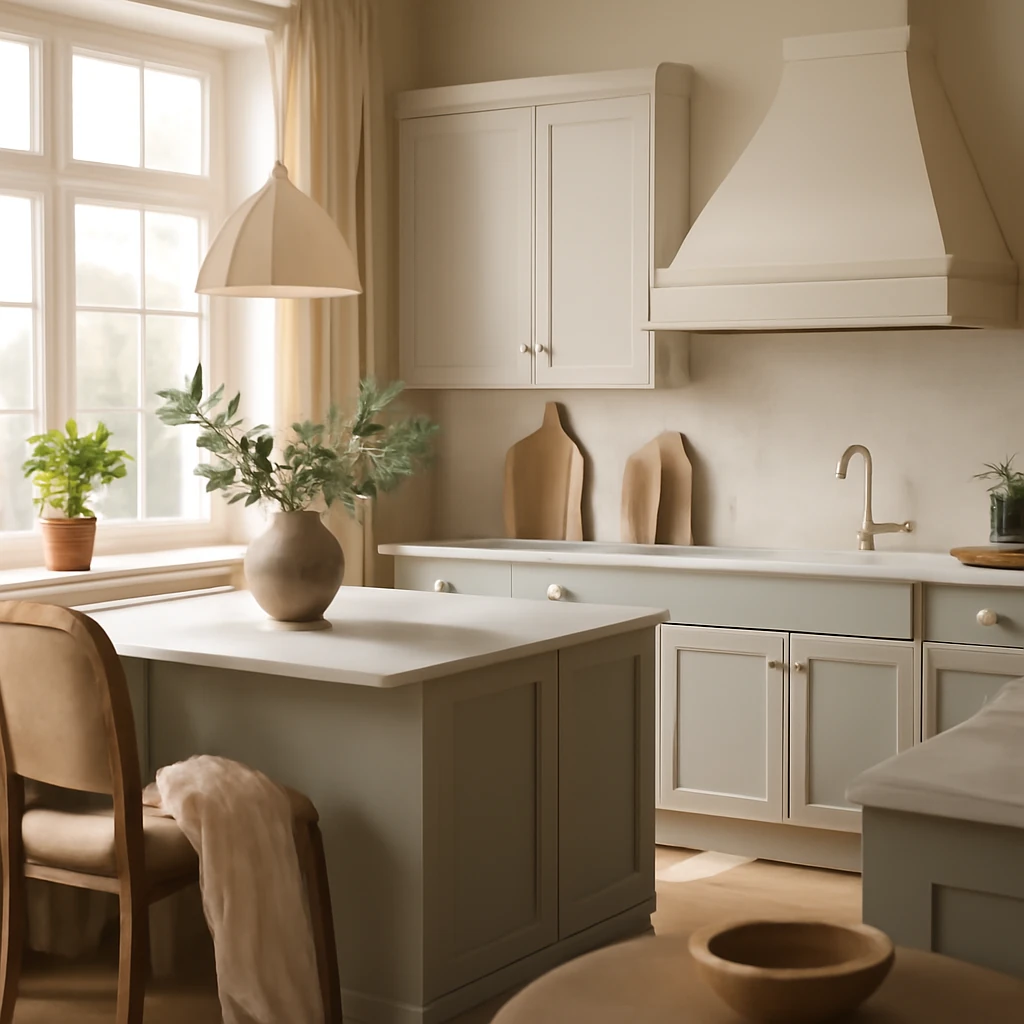
White and Grey Kitchens: A European Guide to Colour, Materials and Mood
Timeless white-grey kitchens across Europe, with third-colour ideas and materials.
Colour & Materials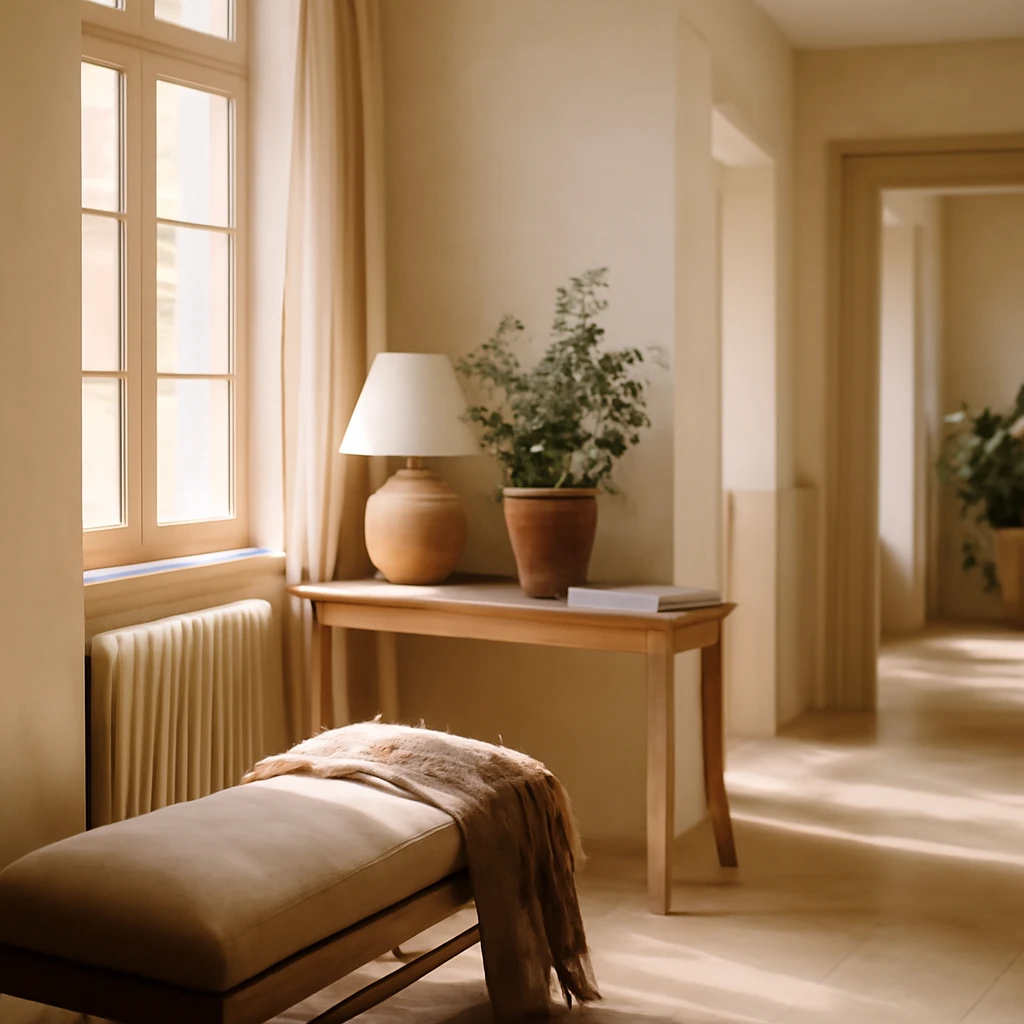
Wall finishes for European hallways: eight top materials and ideas
Smart, durable hallway finishes and design ideas for European homes.
Small Spaces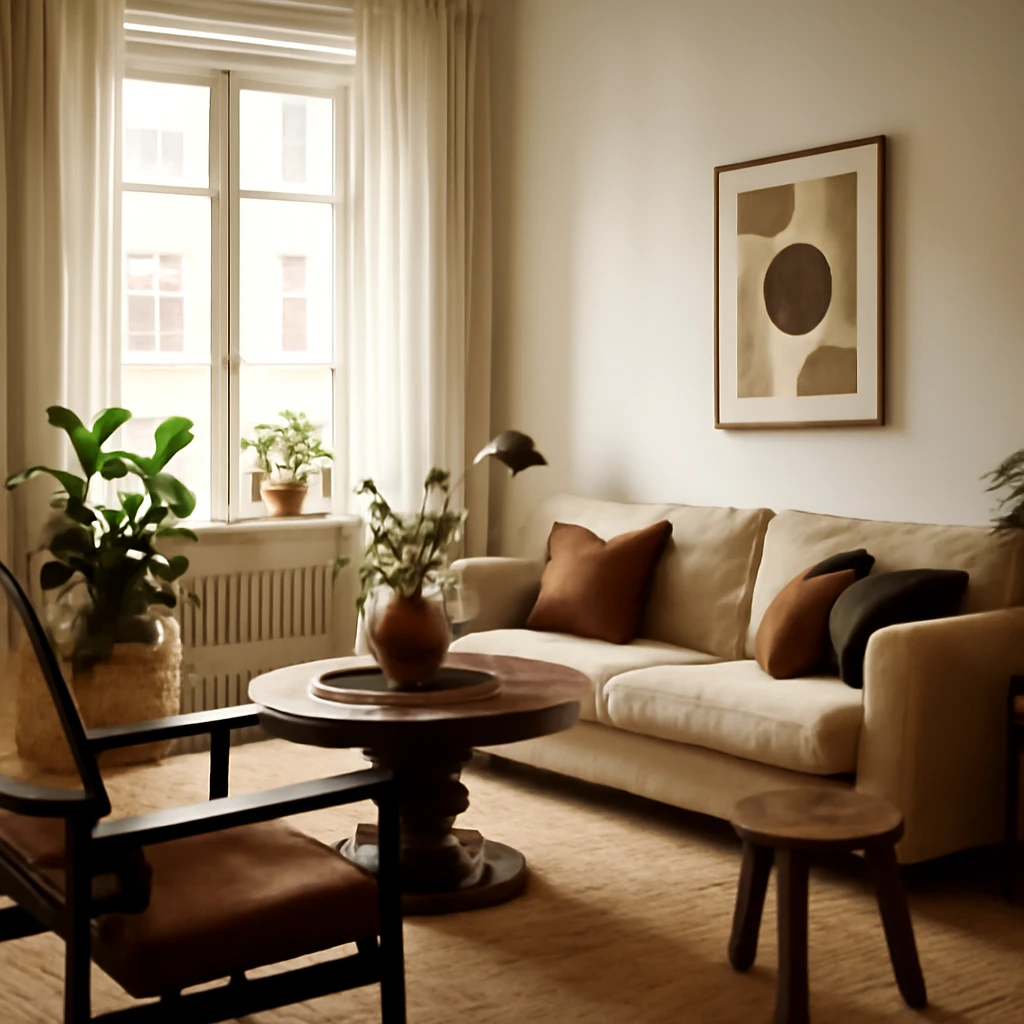
Playful contrasts and vintage accents in a 45.5 m2 European family home
Bold contrasts and vintage charm shape a smart 45.5 m2 European family home.