
Explore interior trends, AI design insights, styling guides and real transformations
How to Make Decorative Sofa Cushions: A Practical DIY Guide for European Homes
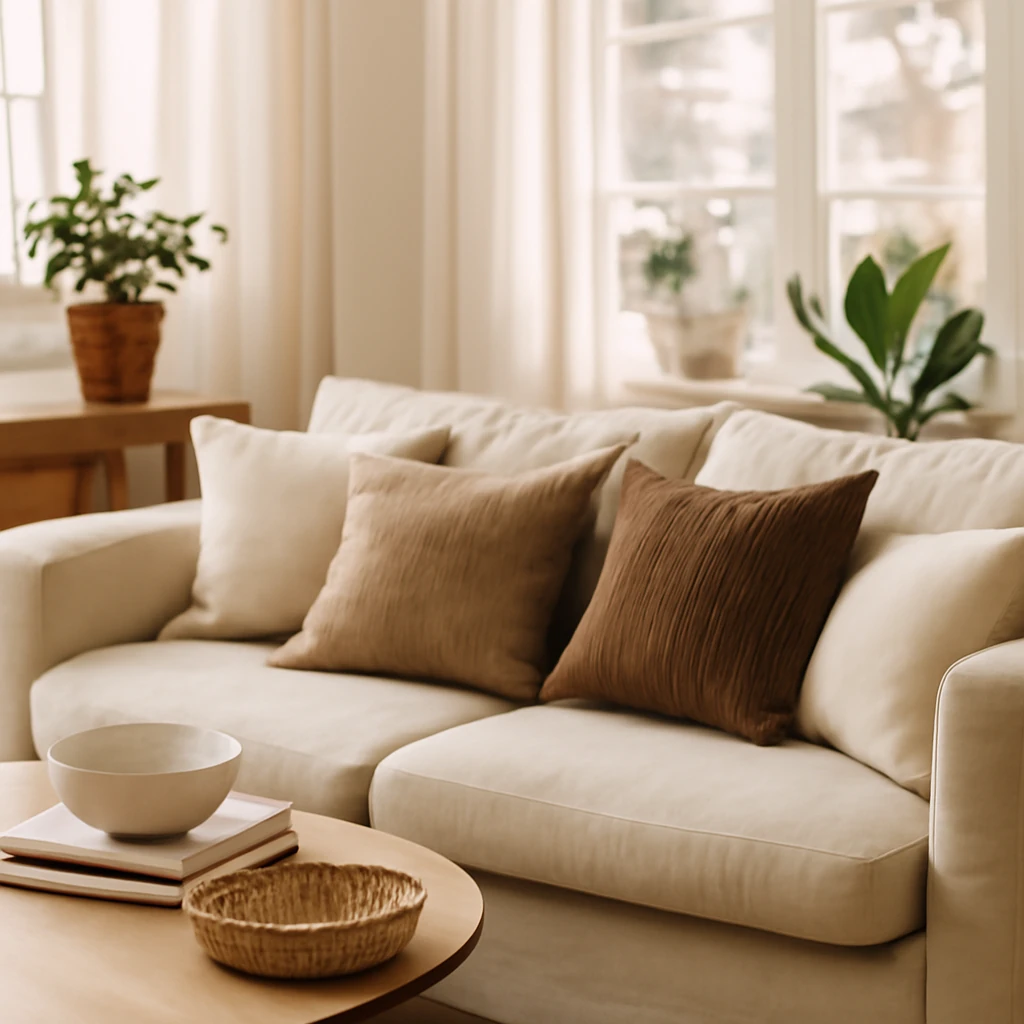
Introduction: refresh your interior with DIY cushions
Few interior updates offer as much personality for the price as decorative cushions. In European homes, cushions are a versatile and affordable way to inject colour, texture and character into a living room or lounge. If the options on offer in stores don’t quite match your taste, making cushions yourself can be a satisfying, long-lasting solution. This guide takes you through a practical, budget-conscious process for creating bespoke sofa cushions - from patterning to filling, finishing and care - so you can tailor every detail to your space and style.
Whether your aim is a cosy, traditional feel or a contemporary, minimal look, well-made cushions can anchor a room, link different zones, and soften architectural lines. The beauty of DIY is that you control the scale, proportion, and finish, ensuring cushions that are not only beautiful but also perfectly suited to the furniture and fabrics in your home.
Step-by-step plan to make a sofa cushion yourself
Production can be broken down into four essential stages:
- Draft a pattern (or adapt an existing one).
- Choose fabrics and fillings.
- Cut, stitch the cover, and insert the filling.
- Finish with decoration and care considerations.
If you’re not keen on sewing, there are alternative methods - crochet, knitting, or fixed fastenings with fabric glue or decorative pins. However, a stitched cover tends to be more durable and easier to clean, particularly for everyday use on sofas and armchairs.
Tools you’ll need
Before you start, gather everything in one place to minimise interruptions. A typical toolkit includes:
- paper for pattern sketches
- scissors, a selection of threads and needles
- straight pins or English pins to hold pieces in place
- measuring tape, a ruler, and soap or tailor’s chalk for marking
- if you plan to knit or embroider, a hoop, knitting needles or a crochet hook, and suitable yarns
- optional: a sewing machine, a zipper foot, a seam ripper for adjustments
Having everything at hand helps you stay focused and finish the project with consistent results.
Pattern cutting
Begin by deciding the cushion shape: square, circle, bolster, or a playful novelty form (flower, animal, or geometric). For a simple, straightforward cushion, draw up your pattern yourself and remember to include seam allowances. If you’re tackling a more intricate shape, search online for templates, print them to scale, or redraw them to match your cushion measurements. If you’re re-covering an existing cushion, you can dismantle the old cover and use it as a pattern to achieve an exact fit.
Patterning for different shapes
Common sizes to consider include 40–45 cm, 50–60 cm, or 60–70 cm square cushions, with correspondingly larger or smaller equivalents for rectangular varieties. When drafting patterns, allocate a seam allowance of 12–20 mm (roughly 1/2 to 3/4 inch). For curved or embellished forms, you may need to add extra fabric at critical curves to maintain a smooth silhouette after sewing.
Choosing fabric for sofa cushions
The fabric you select should be attractive, easy to maintain, and capable of regaining its shape after cleaning. Look for a dense weave with good durability, and ensure it can hold the filling without sagging or shedding. The right textile will also age gracefully and help a space feel cohesive over time.
Suitable fabric families include: satin, velvet, bouclé, denim, tapestry, jacquard, linen, sateen, felt, fleece, cotton, faux fur, and upholstery fabrics. When choosing, consider how the colour and texture will interact with other soft furnishings and furniture finishes in the room.
- Consider natural dyes where possible, especially for lighter colours. Colourfastness and resistance to moisture are important for cushions that will be used frequently or washed. If the textile is dyed with natural dyes, check care instructions to ensure it won’t bleed or fade significantly with cleaning.
To build a small collection, you can vary patterns and textures while keeping to one or two core colours. For instance, a set of cushions made from a durable velvet on one side and a richly textured bouclé on the other can be a stylish way to switch the look from season to season or to complement different seating arrangements.
Combining fabrics for a versatile look
If you’re creating several cushions, consider using one base fabric with variations in colour or pairing two fabrics on opposite sides. For example, a felt or wool blend on one side and a smooth satin or matte boucle on the other can offer tactile contrast and flexibility in styling. When mixing fabrics, keep the overall style cohesive by coordinating the palette and finish.
Co-ordinated cushion sets
To create a harmonious collection, you can curate cushions in themed groupings: classic combinations such as browns and blues, or more contemporary pairings like deep greens with warm neutrals. In contemporary interiors, minimalistic cushions in solid colours or with subtle textures are often combined with one or two printed or patterned cushions that echo a room’s accent colours.
Patterns for mixed-material cushions
Fancying a two-material cover is a straightforward way to add interest without overwhelming the space. For example, you can use a durable felt or wool exterior paired with a satin or silk-like interior, or vice versa. The key is to balance texture with practicality - selecting fabrics that can be cleaned without damage and that wear well over time.
What to fill a cushion with
Once the cover is sewn, you’ll need to choose a filling that provides the right level of support and comfort. The filling should be resilient, breathable, hypoallergenic where possible, and easy to maintain. Consider both natural and synthetic options, weighing comfort, care, and price.
- Natural fillings include down/feather, cotton batting, or wadding. These offer exceptional loft and a plush feel but require more careful care and are often pricier.
- Synthetic fillings such as hollowfibre or microfibre provide good support, are generally easier to care for, and are more affordable. They hold their shape well and are widely washable.
- Homemade or upcycled fillings (where feasible) can be a sustainable choice, but ensure they are clean and well-sealed to prevent allergies and odours.
When selecting a filling, consider the cushion size. A typical 40–45 cm square cushion may need roughly 500–700 g of a soft filling for a comfortable, plump result, while larger cushions will require more to maintain a balanced silhouette. Leave a small opening (approximately 2–4 cm) to insert the filling and to allow for adjustments after testing the initial loft.
Polyester-based fillings
Synthetic options - such as hollowfibre or microfibre - are popular for their resilience and ease of cleaning. Hollowfibre is a versatile choice that provides good bounce and is relatively affordable. Over time, some synthetics may flatten or migrate, so you may want to refresh the fill or replace it every few years depending on use.
Cotton and natural fillings
Cotton batting or natural wadding offers a breathable, eco-friendly option with a soft, rounded feel. These materials can hold up well with proper care but may compress over time, requiring occasional topping up or re-stuffing to maintain plushness. Natural fillings may demand more careful washing and occasional professional cleaning for longevity.
Down and feather
Down or feather fillings yield luxurious loft and a sumptuous feel. They are excellent insulators and drape beautifully, but can be more expensive and require professional cleaning. If you have allergies or sensitivities, synthetic down alternatives are a practical substitute that mimics the feel without triggering reactions.
How to decorate a cushion
With your cushion assembled, you can embellish it to suit the room’s mood. Decoration should complement the fabric, the furniture, and the overall style of the space. Here are several tasteful techniques:
- Ribbing or piping in a contrasting colour or fabric to highlight the edge.
- Fringing or tassels along the edges for a playful or bohemian vibe.
- Patchwork using scraps or small pieces of fabric to create a mosaic look.
- Beads, sequins, or decorative buttons for subtle sparkle.
- Appliqué or printed motifs to personalise the cover.
When decorating, ensure that embellishments are securely attached and do not abrade the fabric during use. For households with children or pets, keep small elements such as beads and sequins out of reach to prevent choking hazards or damage to furniture.
How to approach ideas for different aesthetics
To style cushions effectively, align patterns, colours and textures with the space’s architectural language and furniture finishes. Here are a few framing ideas:
- Classic interiors: combine rich browns, deep blues, and charcoal greys with a mix of textures such as velvet and woven bouclé.
- Eco or natural style: opt for earthy tones, tactile fabrics with a tactile feel (like linen, wool, or undyed cotton) and subtle botanical patterns.
- Minimalist or modern: focus on solid colours with a matte or satin finish, keeping shapes clean and sizes consistent for a restrained, cohesive look.
- Provencal or country-inspired: inject brighter prints with geometric or floral motifs, pairing bold fabrics with light neutrals to keep the space airy.
If you’re decorating a sofa with only two cushions, consider one in a solid colour and one in a printed pattern that picks up a shade from the first cushion. A well-balanced pairing adds interest without competing with the surrounding furnishings.
Care and maintenance for cushion covers
Removable covers make maintenance straightforward. Always check the care label before washing, especially with delicate fabrics such as silk, velvet, or boucle. Air-dry fabrics that are prone to shrinking or creasing to preserve their shape. For heavily used cushions, consider a protective layer - like a washable slipcover or a lint-free underlay - to extend the life of the fabric beneath.
Careful planning leads to better results
To create cushions that look intentional and last, plan in advance. Ask yourself a few key questions: what is the cushion for (comfort, display, or a combination)? How often will it be used, cleaned, or replaced? What sizes best compliment your sofa and seating arrangement? By answering these questions, you’ll choose fabrics, fillings, and finishing details that align with both daily life and design goals.
Conclusion
Making cushions at home is a practical, rewarding way to refresh interiors without a large budget. The most important decisions lie in shape, fabric selection, and fill. A simple pattern, well-chosen textile, and a thoughtful finish can transform a sofa into a personalised sanctuary. Plus, the process itself offers a creative outlet and a thoughtful gift idea for family and friends. With a bit of planning and care, handmade cushions can become enduring features that elevate a living space for years to come.
Practical tips and quick reference
- Decide on cushion shapes first, simple shapes are quicker to complete and easier to pattern.
- Choose a base fabric with good durability and colourfastness, mix textures to add depth.
- Keep seam allowances modest to maintain a crisp silhouette, test-fit with a mock-up if possible.
- Use a 2–4 cm opening to insert and adjust the filling, avoid over-stuffing to preserve shape and comfort.
- Coordinate cushions with other soft furnishings to create a cohesive scheme.
You may also like these articles
 Tips & How-To
Ten dangerous houseplants and how to keep your home safe
Dangerous houseplants: safety-first guide for European homes
Small Spaces
Storage in the Bathroom: Principles, Zonal Solutions and Real‑World Projects
Smart storage strategies for compact European bathrooms, with expert tips and real projects.
Small Spaces
Small-Space Masterclass: Designing a 9m² European Bedroom
Mastering a calm, functional 9m² bedroom with smart layout.