
Explore interior trends, AI design insights, styling guides and real transformations
Modern European Folk-Inspired Interiors: A Practical Guide
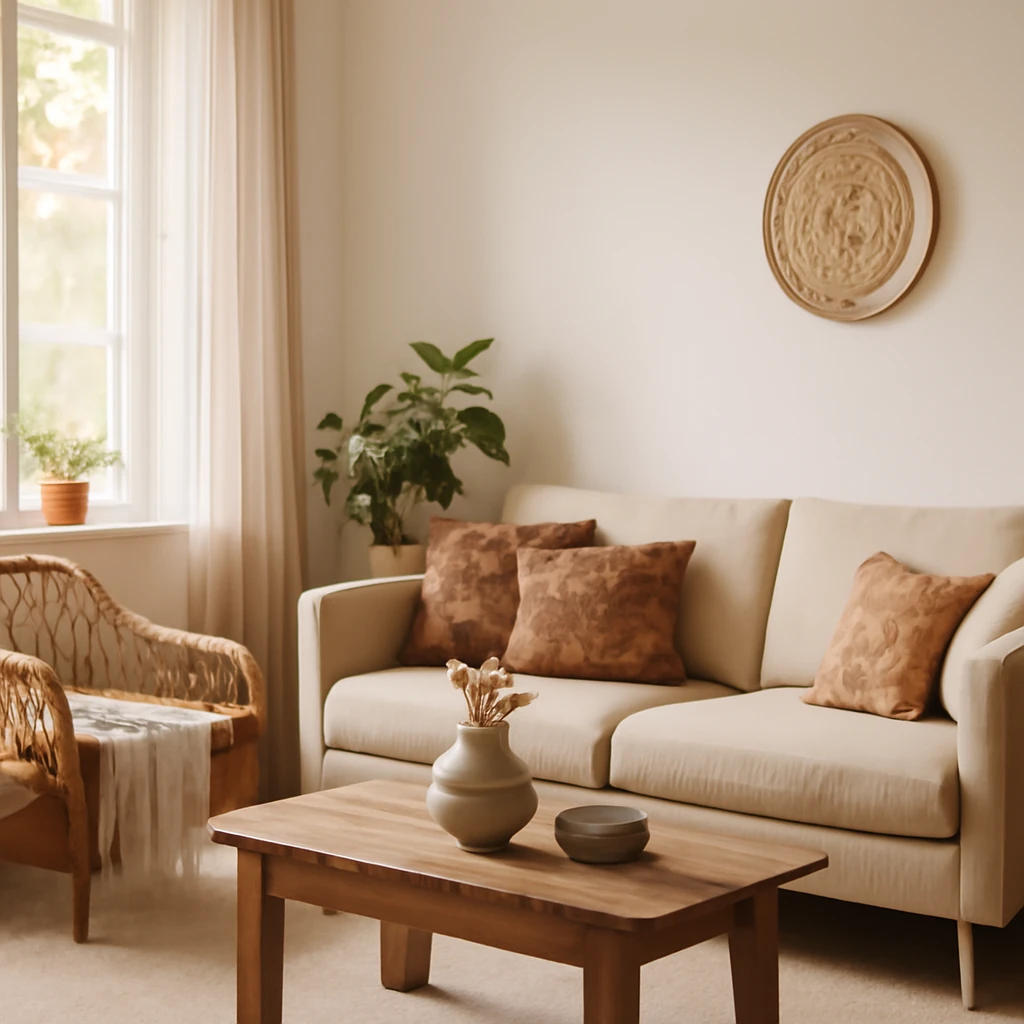
Introduction: a European approach to folk-inspired interiors
Across Europe, a growing number of homes embrace a design language rooted in traditional craft, yet filtered through contemporary tastes and technologies. This fusion - often described as folk-inspired or heritage-influenced interiors - offers warmth, character and a sense of place without surrendering modern convenience. The aim is not to replicate history, but to reinterpret it for modern living: authentic textures, hand-crafted details and a colour palette that feels both timeless and relevant. In this guide, we explore three European expressions of folk-inspired interiors, how they translate to today’s urban flats and country houses, and practical steps for achieving a refined, durable look that works in spaces of all sizes.
Different expressions of folk-inspired interiors
Historically, European regions have produced a rich tapestry of architectural and decorative languages. Three contemporary concepts commonly surface in homes across the continent: a rustic cottage aesthetic, a grand manor-influenced style, and a restrained, modern interpretation of folk motifs. Each offers a different cadence - one rooted in rustic practicality, another in ornate heritage, and a third in understated, urban-friendly charm. Below are the distinguishing traits and how to apply them in real homes.
The Rustic Cottage
The rustic cottage style is the closest in spirit to the idea of living with nature. It favours simple forms, abundant natural materials and a functional ethos. Typical elements include exposed timber beams, wide-board flooring, wool textiles, linen upholstery and stone or brick accents. In European contexts, this look translates well into both small-town houses and city apartments that borrow the countryside mood through tactile surfaces, warm textures and a comforting palette of browns, creams and greens.
How to achieve it in a modern home: prioritise timber and stone as structural and decorative cues, keep lines straightforward and unpretentious, allow the room to “feel” tactile rather than polished. A modern wood-burning stove or a stove-inspired heater can be a focal point without dominating the space. If space is tight, a feature wall in timber cladding or a faux-sawn finish can evoke the same mood without overwhelming the room.
The Grand Manor
A grand manor-inspired interior leans into heritage detailing and a sense of ceremony. It uses carved wood, hand-finished veneers, parquet floors and period-inspired furniture to create an atmosphere of refined abundance. Textiles with traditional motifs, ornate mirrors, and occasional decorative tiles contribute to a layered, tapestry-like quality. This style suits larger homes or dual-purpose rooms where there is room for theatrical angles, generous furniture scales and a sense of curated display.
Practical note for contemporary living: balance opulence with restraint. The goal is not museum-like excess but a modern interpretation of grandeur - where carved bedheads, sculptural credenzas or a stately console sit comfortably beside a neutral sofa and contemporary lighting.
The Contemporary “Folk” Look
This is the most versatile and urban-friendly expression. It keeps the decorative impulse of traditional motifs but presents them through a pared-back, modern lens. Expect neutral walls, kinetic or low-key lighting, and carefully selected folk-inspired details - such as embroidery, appliqué, or painted motifs - used as accents rather than dominant features. The contemporary folk look works well in apartments of all sizes, including compact city flats where a high-ceilinged living room would feel the most expansive, yet even modest rooms can benefit from a touch of heritage charm.
Key caution: avoid overloading spaces with motifs or reproductions. The most successful contemporary folk rooms balance a quiet base with well-chosen, meaningful accents that tell a story without shouting it.
Modern interpretation
So what makes a modern folk-inspired interior distinctly European? At bottom, it is a compromise that respects traditional craft while embracing today’s technology, materials and lifestyles. Features include a faux or real fireplace that reads as a focal point, analogue textures that feel authentic, and a decor strategy that celebrates regional motifs without veering into cliché.
In practice, you don’t need to rely on period features to convey the mood. A sculptural timber table, a hand-knotted rug with subtle tribal or floriform motifs, and a ceramic or plaster wall finish can speak with equal authority. Lighting, too, evolves here: instead of a constellation of task lamps, a single, well-designed central fixture - or a pair of statement lights - can knit the space together and provide the essential ambient glow historically supplied by candles and lanterns.
Interiors in the contemporary folk style
Three guiding principles define a contemporary folk interior. They help ensure the look remains timeless, comfortable and appropriate for a wide range of European homes, from a 40–60 m² city apartment to a country residence around 100–300 m².
1. Natural materials
Natural materials form the backbone of the contemporary folk palette. Wood - whether solid, engineered or reclaimed - figures prominently, used for floors, furniture and structural details. Stone, brick and ceramic surfaces provide tactile contrast. Upholstery and textiles benefit from natural fibres such as linen, wool, jute and flax. The lightest and most versatile approach combines a linen-sofa with a timber coffee table and a clay or stone tile feature wall. Even in multi-unit buildings, where structural changes are limited, you can achieve the look with a timber veneer panel, a clay plaster ceiling or a stone-effect fireplace surround.
2. Authentic finishes and decor
Authenticity is not about recreating a pastiche but about honouring craftsmanship. Finishes should be considered and thoughtful: carved details, mouldings, and restrained reliefs can be used on furniture or as wall accents. Faux fireplaces with tile detailing can serve as a visual anchor in living spaces, while wall treatments - such as lime plaster, textured wallpapers or hand-painted motifs - add warmth and depth. Decorative elements should feel crafted and intentional. Avoid uniformity that looks mass-produced, instead, favour pieces with history, telltale signs of age, or the appearance of careful workmanship.
3. Colour palette
Colour in contemporary folk spaces should be rich yet controlled. Deep reds, verdant greens, earthy browns and blues are emblematic, but they are most effective when anchored by a spacious base. A predominantly neutral background - soft whites, warm greys or stone tones - serves as a canvas for cultural motifs and textiles. For motif-driven accents, use patterns inspired by regional craft traditions in ceramics, weaving or embroidery. The aim is a coherent composition where colour acts as a unifier rather than a decorative overload.
In decorating, regional motifs can provide delightful focal points without dominating the room. For instance, a wall of ceramics with blue-and-white motifs, a hand-painted tile backsplash, or textiles featuring restrained floral patterns can evoke a continental heritage without relying on explicit national symbols.
Finishes and materials
When choosing finishes for a folk-inspired European interior, consider how materials age gracefully. Wood remains the most versatile option for floors and furniture, choose a finish that wears well and can be refinished when necessary. Parquet floors offer a classic elegance and a warmth that broad-plank boards might not convey, both work well in living rooms, bedrooms and dining areas. For walls, lime plaster or breathable paints support a natural aesthetic and improve indoor air quality, while textured wallpapers can introduce subtle depth when used sparingly.
In spaces where full timber features may feel heavy, lighter alternatives such as painted timber accents, faux timber ceilings or wood-look ceramic tiles can provide the same mood with less weight. Stone or ceramic wall finishes - think warm terracotta tiles, fieldstone cladding or brick slips - bring texture and tactility without compromising modern practicality.
Avoid overly glossy surfaces or plastics in large doses, these clash with the handcrafted, woven, organic feel of folk-inspired spaces. Instead, favour matte or softly textured finishes that invite touch and linger in memory.
Lighting
Lighting in folk-inspired interiors should feel cohesive and gentle. Traditional interiors relied on a single central source for functional light, with candles and oil lamps providing ambience. In contemporary homes, a modern interpretation preserves this proportional emphasis on a central anchor while incorporating discreet supplementary lighting. A statement ceiling light - whether a sculptural metal form, a timber lantern-inspired pendant or a porcelain-glazed fixture - can become a room’s focal point, while well-placed wall sconces, floor lamps or table lamps soften shadows and encourage relaxation.
When selecting lighting, consider warmth and dimmability. A warm colour temperature (around 2700–3000K) supports the comforting, tactile feel of natural materials. Dimmers allow you to modulate mood, from bright daylight for tasks to intimate glow for evenings by the fireplace or with guests.
Furniture
Furniture in folk-inspired interiors often features carved details, handcrafted joinery and traditional silhouettes. You do not need to fill a room with antique pieces to achieve the effect, a few well-chosen items can carry the narrative. Look for bed frames with carved headboards, commodes or buffets with crafted inlays, and benches or chests that offer both storage and character. For smaller rooms, scale is essential: a compact carved console or a slim-line wardrobe can provide the same sense of craft without overwhelming the space.
Practical pieces that support daily life - storage chests, sturdy coffee tables and console units - are equally important. Craftsperson-led furniture often ages gracefully, developing a patina that adds depth to the room. If you prefer new pieces, choose items that imitate traditional forms - clean lines with subtle ornamentation - so the space remains contemporary while still feeling authentic.
Suggested furniture elements
- Timber bed frames with carved or upholstered headboards that reference traditional crafts.
- Storage chests or blankets chests that provide hidden storage and a decorative surface.
- Buffets or sideboards with gentle inlays or mouldings for dining rooms and living spaces.
- Benches and stools with carved legs or woven seats to reflect artisanal traditions.
In smaller dwellings, the key is to keep lines clean and avoid overcrowding. A single statement piece - such as a carved date-wood sideboard or a sculptural bench - can anchor the room while other furnishings remain minimalist and functional.
Acessories and decor
The successful deployment of accessories in folk-inspired interiors relies on subtlety and restraint. Accessories should reinforce the craft narrative without turning the space into a museum. A few well-chosen objects placed thoughtfully can have a powerful impact.
- Textiles: woven throws, linen and wool textiles, and hand-stitched cushions, look for textiles with modest folk motifs or traditional embroidery in muted tones.
- Ceramics and pottery: ceramic jugs, bowls and plates with seasonal glazes or hand-painted motifs provide warmth and a focal point on shelves or walls.
- Tableware and textiles: simple ceramics or wooden serving pieces, along with table linens featuring restrained embroidery or subtle motifs, create an inviting dining atmosphere.
- Decorative objects: natural materials such as jute baskets, woven mats, or carved wooden figures can act as storytelling elements when displayed with intention.
- Textile accents: wall hangings or framed textiles that reference regional craft traditions can be powerful yet not overwhelming if used sparingly.
- Costume displays: a carefully chosen item such as a handcrafted regional shawl or a textile panel on a stand can contribute texture and colour without feeling gimmicky.
While exploring decor ideas, consider creating small vignettes that tell a story - perhaps a shelf with a ceramic collection, a table with a woven runner and a carved tray, or a corner with a bench, cushions and a rug that ties the palette together.
Polished decor or practical styling?
In contemporary European homes, decorative styling is a form of storytelling rather than a decorative overkill. Curating a few meaningful objects is preferable to filling every surface. The best rooms balance craft and simplicity, so the eye rests and the textures invite touch. If you are uncertain, start with a single statement piece - such as a hand-carved console or a traditional textile panel - and build around it with materials that complement rather than compete.
Putting it into practice
For a modern European home seeking to express folk-inspired warmth, three practical principles help ensure success without overdoing it. Use them as a checklist during planning, shopping and styling.
- Natural materials first: prioritise timber, stone, ceramic and natural textiles. Minimise or avoid excessive plastics or synthetic surfaces, these break the tactile rhythm that makes folk-inspired spaces feel alive.
- A coherent colour strategy: embrace a palette of rich reds, greens, browns and blues as anchors, tempered by neutrals such as warm whites and soft greys. Use colour to highlight texture and pattern rather than to flood the room with colour.
- Authentic, well-chosen decor: select a handful of decor items that speak to regional craft or traditional technique. Avoid mere repetition of motifs, instead, seek items with a clear craft narrative and an honest finish. Don’t turn the home into a museum or a shop window - function remains essential.
In summary, modern European folk-inspired interiors are less about replicating the past and more about inviting craft, warmth and a sense of place into everyday life. The approach suits a range of spaces - from a compact apartment in a historic city centre to a rural home with generous, open-plan living areas. It rewards patience, thoughtful editing and a willingness to let textures, material quality and quiet colour do the talking.
Practical guidance for specific spaces
While the principles apply universally, some spaces present particular opportunities and constraints. Here are concise strategies tailored to typical European home layouts.
Living rooms and open-plan spaces
Create a central focal point with a sculptural light or a timber feature wall. The furniture should be a mix of comfortable, durable pieces and a few statement items with carved details. Add soft textiles in linen and wool, and a rug that grounds the seating area with tactile warmth. If the room is large, run a restrained palette and use motifs in textiles and ceramics to echo the regional heritage without overwhelming the space.
Dining rooms
Choose a substantial dining table in timber with carved legs or a simple line with a carved edge. Pair with benches or chairs that reference traditional forms but remain comfortable for daily use. Display a ceramic crockery collection or a few hand-painted plates on a wall or within a display cabinet to evoke artisanal craft without clutter.
Bedrooms
Bedrooms benefit from a serene base. A carved wooden bed frame, a chest at the foot of the bed, and a pair of bedside tables with natural finishes create a restful, tactile atmosphere. Use textiles to introduce depth: linen sheets, woven throws, and a rug with a quiet motif. Keep window treatments simple to maximise natural light and the sense of calm that folk-inflected interiors convey.
Kitchens and dining kitchens
In kitchens, combine warmth with practicality. A timber benchtop, a stone-tiled splashback or a brick or plaster chimney breast can provide the rustic anchor. Use ceramic or stoneware tableware and utilitarian wooden utensils to reinforce the craft narrative. If space allows, install a modest seating nook with a timber bench and a couple of chairs to create a relaxed, family-friendly kitchen-dining zone.
Final considerations
Implementing a contemporary folk-inspired interior across Europe requires thoughtful curation. The aim is to celebrate regional craft, support sustainable materials, and create spaces that feel both lived-in and purposeful. Start with a clear brief: what mood do you want to evoke? Which materials do you want to experience daily? Where can you invest in durable pieces that age gracefully? Then build your design step by step - from structural elements and finishes to furniture and accessories - ensuring every choice serves function, texture and atmosphere.
Inspiration without borders
European homes benefit from a shared heritage of craft and a modern readiness to reinterpret it. The best folk-inspired interiors fuse a sense of place with contemporary practicality: a timber floor that warms a living space, a hand-painted tile detail that nods to regional traditions, textiles that bring softness and tactility, and lighting that is both practical and poetic. This is interior design that feels rooted yet flexible - appropriately scaled for apartments, comfortable for family life, and elegant enough to endure as tastes evolve.
You may also like these articles
 Living room
Sliding Wardrobes: Redefining European Living Rooms with Smart Storage
Sliding wardrobes reshape living rooms across Europe with smart design and flexible storage.
Renovation
Wall Levelling: A European Guide to Perfect Walls
Practical, step-by-step guidance on wall levelling for European homes.
Tips & How-To
Mastering the European formal table setting: etiquette, arrangement and refined decor
A practical guide to European-style formal dining for stylish, comfortable tables.