
Explore interior trends, AI design insights, styling guides and real transformations
Storage in the Bathroom: Principles, Zonal Solutions and Real‑World Projects
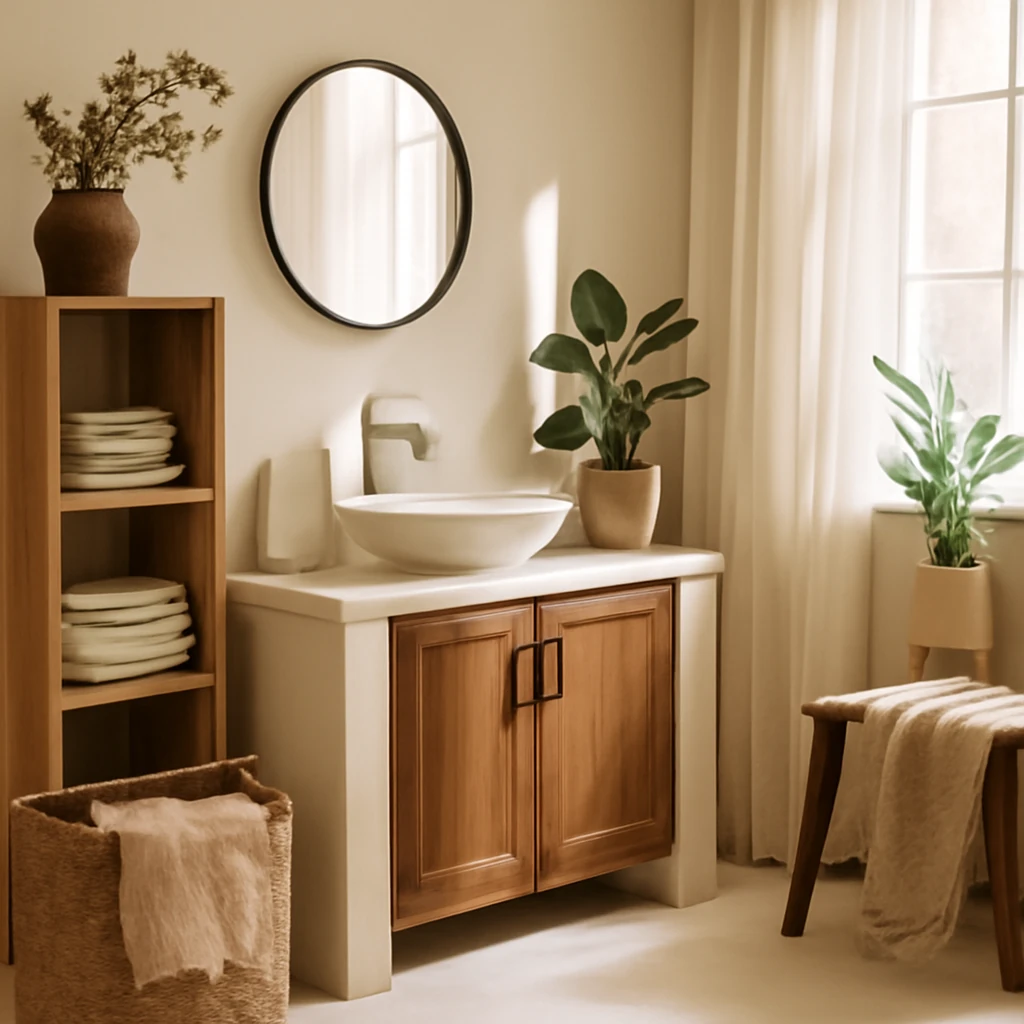
Introduction: why bathroom storage matters in European homes
In many European urban homes, bathrooms are compact by design. A well-controlled storage system is not merely a matter of aesthetics, it is essential for daily life, hygiene, and the overall feel of the home. When space is at a premium, clever storage becomes a making-or-breaking factor for comfort, efficiency and even the perception of light and air. This article offers a practical, zone-by-zone approach to bathroom storage, with material guidance, layout ideas and real‑world project concepts that work across diverse European contexts - from retrofit flats with irregular walls to contemporary new builds with standard 60 cm fittings.
Whether you are planning a full renovation or simply rethinking a small bathroom, the aim is to create ordered spaces that are functional, moisture‑resistant and easy to maintain. The following sections cover principles, step-by-step organisation, and zonal solutions that can be adapted to many European homes and policies.
Key principles for bathroom storage in compact spaces
Before selecting cabinets, drawers or baskets, several universal principles help guide every decision in a European bathroom project:
- Prioritise essentials. In a small bathroom, decide which items you truly use daily and keep only those within easy reach. Everything else should live elsewhere in the home or in a storage system designed to be accessed less frequently.
- Concealment over open display. Visible clutter makes even well‑designed spaces feel chaotic. Use closed cabinets and organisers behind doors or within deep drawers to create calm, cohesive surfaces. Matching containers and uniform volumes help maintain visual order.
- Vertical utilisation. Walls and doors offer valuable space. Use tall cabinets, recessed niches, door‑mounted organisers and high shelves to gain storage without sacrificing floor area.
- Moisture‑resistant materials. Bathrooms are humid environments. Opt for cabinetry and shelving made from moisture‑resistant plywood, high‑quality MDF with vinyl or melamine finishes, powder‑coated metal, glass, or solid surface materials. Avoid raw timber in direct contact with water unless it is specially treated.
- Flexibility and modularity. In European homes, layouts change with family needs and renovations. Choose modular systems that can adapt: adjustable shelves, pull‑out organisers, and cabinets with configurable internal fittings.
- Accessibility and durability. Design for longevity and ease of use. Soft‑close doors, tactile hardware, and wipeable finishes save time and reduce wear in daily life.
- Lighting as storage aid. Integrated lighting not only illuminates tasks but helps phones, cosmetics and grooming products be visible exactly where you want them. Consider discreet LED strips inside niches or under cabinets for clarity without glare.
A step‑by‑step approach to bathroom storage
Here is a pragmatic path to plan and implement storage in a typical European bathroom. The emphasis is on modular, installable solutions that respect common constraints in flats, apartments and smaller houses.
General storage
The backbone of any bathroom storage strategy is a solid general storage zone. In many European homes, this appears as a slim freestanding cabinet, a narrow wall cabinet, or a customised niche unit that fits above or beside a washing machine if present. The goal is to establish a primary home for items that are used regularly but do not belong on the sink or in visible glass jars.
Key considerations:
- Choose a depth that does not impinge on circulation space. Typical shallow cabinets are 30–40 cm deep, deeper units can be used if space allows but should be carefully aligned with door swing and plumbing lines.
- Position the main storage close to the main activity zones: near the sink for toiletries, near the shower for cleansers, and near the washing area for detergents and spare towels.
- Use closed storage for items that benefit from discretion (cosmetics, medicines, cleaning products). Reserve open shelves for textiles or decor items that are easy to wipe down and keep tidy in appearance.
Many homes benefit from an over‑machine cabinet or a wall‑hung column that rises to the ceiling, using vertical space efficiently. When designed to accommodate standard European widths, these units can be tailored to fit odd gaps or irregular walls typically found in retrofit bathrooms.
Shower area
The shower is a zone with high humidity and frequent use, so storage must be compact, durable and readily accessible. Narrow shelves, recessed niches, and wall‑hung caddies are common solutions. Materials should be moisture‑resistant and easy to clean, avoid untreated wood in direct shower contact. A discreet lighting solution, such as an internal LED strip, improves readability and reduces the temptation to leave products out on the sill.
Practical ideas include:
- Small, wall‑mounted shelves within the enclosure or a shallow built‑in niche to hold shampoo, conditioner, body wash and loofahs.
- A shower caddy that slots into a corner, or a door‑mounted organiser that doesn’t interfere with the door swing.
- Clear, uniformly shaped bottles stored in a single area to reduce visual clutter.
In redesigns, a niche above the bath or shower is particularly efficient, as it uses wall space that often remains underutilised. A moisture‑resistant finish and a simple, wipeable surface ensure longevity even with daily use.
Bath area
If a bath bathtub is present, the same storage logic applies as for a shower, with some added opportunities. A bath still benefits from wall shelves or a shallow cabinet above the tub for bath oils, sponges and washcloths. A bath shelf or a slim, water‑friendly caddy can hold a book or a glass of water for a relaxing soak, while hooks on the wall or on the side of the tub can hang loofahs, washcloths and towels.
Where space allows, a small recessed shelf near the bath can store aromatherapy candles, oils and travel essentials without cluttering other surfaces. When there is room, consider a compact, removable bath organiser that can be rolled away after use, maintaining a serene surface in the room.
Wash basin area
Under the sink is often the most challenging but also the most important storage zone. A well‑designed vanity with drawers or pull‑out organisers makes it possible to hide cleaning products, extra toothpaste, spare brushes, and daily grooming items out of sight while keeping them within easy reach.
Tips for the basin zone:
- Choose soft‑close drawers or pull‑out organisers to minimise noise and facilitate access.
- Use a shallow drawer for items you use every day and a deeper one for less frequently used goods. Consider adjustable dividers to accommodate bottles of different heights.
- Install a mirror with integrated medicine storage or a wall cabinet above the sink to conceal medicines, skincare and small devices.
Lighting around the mirror improves makeup and grooming tasks and makes maintaining order easier by increasing visibility. A dedicated space for hand towels on a towel bar or loop near the sink also helps reduce surface clutter.
Toliet area
For bathrooms that include a separate toilet or a combined suite, the space above the toilet is often underutilised. A slimline cabinet or a shallow open shelf can store spare toilet paper, bathroom air fresheners, and small cleaning tools. A closed cabinet above the cistern can hide more bulky items while keeping them easily accessible.
In compact layouts, consider a recessed cabinet that fits into the wall plane above the unit to avoid protruding furnishings. If a recessed solution is not feasible, a tall, narrow cabinet placed to the side of the toilet can provide essential storage without crowding the room.
Extras for small bathrooms
Small bathrooms demand creative use of every available centimetre. The following approaches unlock additional storage without sacrificing sightlines or comfort:
- Door‑mounted organisers or hooks that sit on the inside of the bathroom door for towels, robes and textiles.
- Magnetic strips or small rails inside cabinet doors for small tools like nail clippers, tweezers, or hairpins.
- Overhead shelves above doors or above the washing area to store infrequently used items or seasonal textiles.
- Utilise the space above the washing machine, if present, with a compact cabinet, a pull‑out hanger rail, or a shallow shelving unit.
Finally, ensure there is a dedicated space for laundry hampers. A basket or a foldable tub placed out of the main traffic route keeps the floor clear and supports a well‑ordered environment. If possible, position a small, ventilated container for dirty laundry under the shelving system or behind a decorative screen to maintain a tidy appearance.
Project ideas: how real bathrooms organise storage
Real projects demonstrate how these ideas translate into daily life. The following scenarios reflect common European contexts, focusing on function, aesthetics and durability rather than brand names. Each illustrates how careful planning and modular solutions can transform a tight space into a calm, efficient bathroom with no compromise on style.
For a mother and daughter in a family apartment
This bathroom serves a compact family flat where daily routines require practical, fast access to essentials. The design emphasises calm order and child‑friendly storage that can be adapted as children grow.
- A slim, floor‑to‑ceiling cabinet above the washing machine provides a primary home for towels, spare toiletries and household cleaning products, keeping the workbench clear.
- A narrow wall niche opposite the basin stores hygiene products and personal care items. A mirror integrated into the niche visually expands the space and introduces a sense of openness.
- A precisely measured shelf between the sink cabinet and the wall fills a tight gap and aligns with the room’s clean line, turning a potential dead area into useful storage.
Key outcomes include reduced surface clutter and a more harmonious visual language. Textures were kept light and reflective, with moisture‑resistant finishes that are easy to wipe down after use. The result is a bathroom that feels organised, comfortable and forgiving for a young household with evolving needs.
For a couple with a child in a two‑room apartment
In a two‑room European flat where space is at a premium, the bathroom design focuses on combining storage with a calm, neutral palette. The plan features a larger under‑sink drawer unit paired with a closed storage cabinet above the washer. A dedicated, watertight alcove within the shower area stores daily hygiene products, while small glass containers on the ledge keep items visible but tidy.
- Under‑sink cabinetry provides generous space for cleaning products, spare towels and a few bulky items, with internal dividers to prevent chaos.
- A high, recessed cabinet above the toilet maximises vertical space without encroaching on the floor area.
- Shower storage is integrated into the enclosure wall, using a slim, water‑resistant niche with a minimal frame and concealed lighting for practical visibility.
The result is a functional, serene bathroom that supports a busy family routine while maintaining a crisp, hotel‑like quality of finish. Everything has a place, and nothing sits out on open surfaces.
For a young professional seeking a spa‑like retreat
This project focuses on creating a sanctuary within a modest bathroom. The client wanted a space that felt relaxing and bespoke, with storage that remains almost invisible.
- A concealed cabinet above the cistern holds medicines, skincare and grooming tools, with interior shelving that can be reconfigured as needs change.
- The basin area features a compact vanity with integrated storage, keeping daily items out of sight while a wall mirror with built‑in lighting provides task light for grooming.
- Three zones are created for textiles: towels on a wall rail near the door, a low open shelf for frequently used products, and a higher closed cabinet for seasonal items.
Textural variety - soft coatings, cool stone, and warm metals - further enhances the spa feel. The result is a restful, organised space that remains adaptable to lifestyle changes over time.
For a family with children in a larger flat
In a family home with higher traffic, the emphasis is on robust, low‑maintenance storage that stays neat despite heavy daily use. A minimalist approach helps control visual noise while ensuring everything has a home.
- A tall, narrow pantry offers a home for extra towels, washing liquids and bulk supplies, keeping them out of sight but easy to reach.
- Open shelves above the installation expose ceramics and textiles in uniform containers, reducing clutter and enabling quick access for children under supervision.
- All visible storage uses uniform, neutral finishes that are easy to wipe, with hidden compartments behind doors for medicines and daily grooming products.
In this scheme, the visual calm of a simple palette supports the practical demands of a busy household while maintaining a cohesive design language across the home.
Practical planning checklist for European bathrooms
To help you translate these ideas into your own project, use this checklist as a starting point. It focuses on planning, not just purchasing, and is tailored for European homes where renovations often balance heritage features with contemporary needs.
Measure accurately, note door swings, window positions, plumbing lines and clearance for opening drawers and doors. Identify any awkward nooks or protrusions that could be turned into storage niches. Map the bathroom into functional zones: general storage, wash basin area, shower, bath (if present), and toilet. Consider how items move through the space during daily routines and group items accordingly. Select cabinetry, shelves and countertops with wipeable finishes. For open shelves, opt for glass or metal containers that are easy to clean and maintain. Include task lighting around mirrors and subtle illumination inside niches. Lighting not only assists grooming tasks but can also make storage areas feel larger. Use tall cabinets, niches and door solutions to reclaim floor space. Inheritably awkward spaces can become efficient storage with a well‑designed unit. Choose modular systems that can be reconfigured as needs change. Avoid overly ornate details that may become difficult to maintain. A single compact container near the basin can hold daily toiletries, while other items move to concealed storage. If space permits, include a dedicated hamper or a pull‑out bin. Consider a concealed space under the cabinet or a high‑plinth solution for cleanliness and accessibility. Establish a routine for cleaning out the storage spaces and updating containers to prevent clutter from returning.
Wrapping up: a balanced approach to bathroom storage
Effective bathroom storage in European homes blends thoughtful planning with robust, moisture‑resistant materials and a calm, cohesive aesthetic. By defining zones, prioritising concealed storage and utilising vertical space, you can transform even the smallest bathroom into a functional, serene retreat. Real projects demonstrate that small changes - like a slim cabinet above the washing machine, a recessed niche for shower products, or a concealed cabinet above the toilet - can yield substantial gains in order and quality of life. The key is to think not only about how much fits in the room, but how it fits into daily life, lighting, and the family’s evolving needs.
Final considerations for designers and renovators
For designers working in Europe, collaboration with clients on storage solutions should begin with a careful inventory of daily routines and an honest appraisal of what tends to accumulate in bathrooms. Builders and architects benefit from early discussions about plumbing routes and the potential for built‑in units that exploit every centimetre of available volume. In heritage spaces or retrofit flats, consider non‑invasive solutions first: freestanding wardrobes with soft finishes, decorative yet moisture‑resistant screens, and wall systems that can be adjusted without major structural changes. For new builds, incorporate flush, integrated systems that align with deep wall cavities and standard widths to streamline installation and future access for maintenance.
Bottom line
Storage in the bathroom is not a cosmetic afterthought, it is a central design strategy. By combining well‑planned zones, moisture‑friendly materials and flexible modular solutions, European homes can achieve orderly, pleasant spaces that support daily life and long‑term renovation goals. Whether you are designing a compact city bathroom or upgrading a master ensuite, the principles outlined here will help you create spaces that are both stylish and practical, today and tomorrow.
You may also like these articles
 Colour & Materials
Blue in the Interior: Eight Winning Colour Pairings for European Homes
A European guide to pairing blue with perfect companions.
Small Spaces
Small-Space Masterclass: Designing a 9m² European Bedroom
Mastering a calm, functional 9m² bedroom with smart layout.
Tips & How-To
Art on the Wall: 8 tips and 32 layouts for European homes
Turn any wall into a gallery with 8 tips and 32 layout ideas.