
Explore interior trends, AI design insights, styling guides and real transformations
Scandinavian Style Reinvented: 75 Ideas for Light, Comfortable Interiors
Introduction
European homes increasingly embrace the Nordic aesthetic for its calm, multifunctional design that blends shelter with simplicity. The Scandinavian style is not a fad but a method of living well: light, breathable spaces, honest materials, and a quiet choreography of textures and forms. This article explores how to apply the look across European cities and suburbs - from compact city apartments to timber-clad houses - without losing warmth or personality.
Colour and Palette
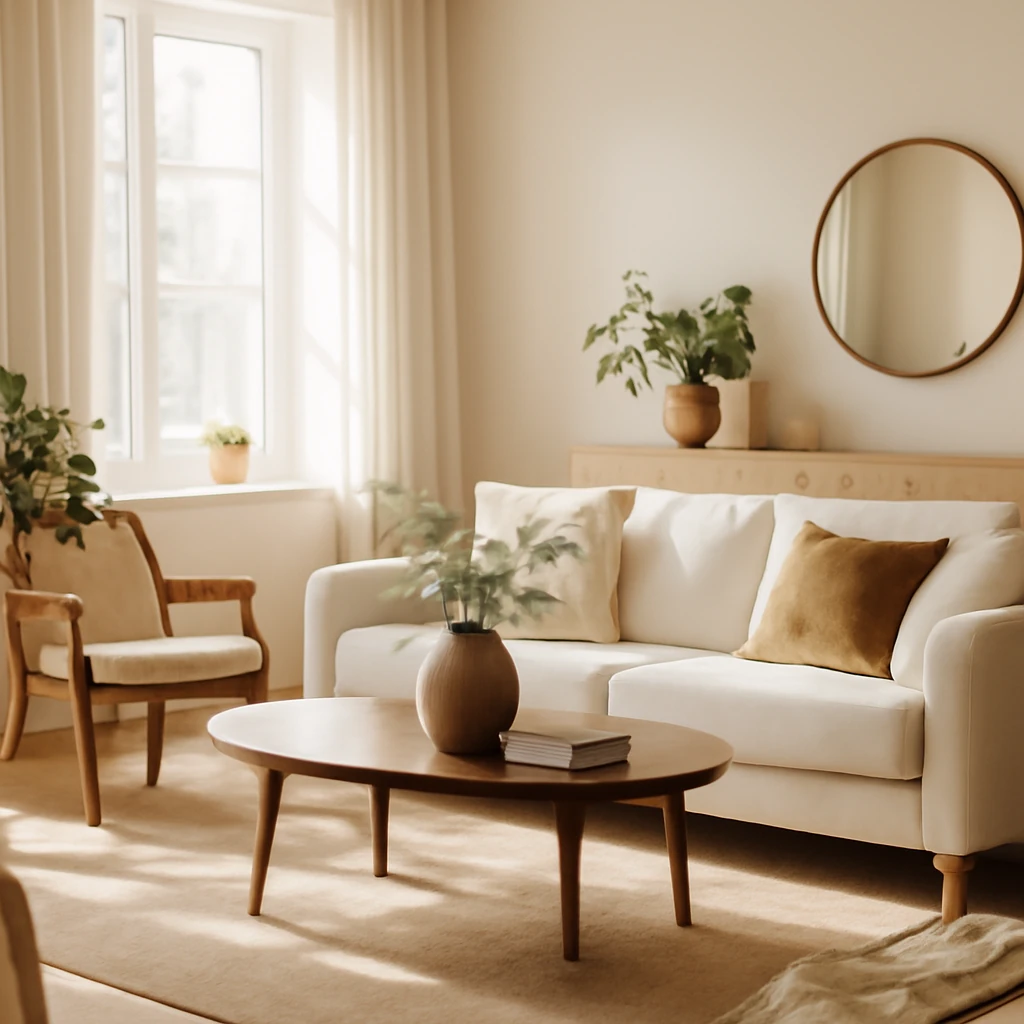
White as a canvas remains the backbone. In continental Europe the palette expands with warm beiges, soft greys, and gentle creams, which harmonise with natural wood. Accent colours - deep navy, forest green, rust or brick red - provide depth when used sparingly. The aim is to create a canvas that breathes, colour is used to set mood and draw attention to a texture or architectural detail rather than to decorate every surface.
Materials and Texture
Natural materials inform both appearance and feel. Light oak, ash, beech, or birch floors are common, stone counters, ceramic tiles, wool, linen, and raw wool textiles add tactility. Metals are usually matte brass, blackened steel, or brushed nickel. Plastics are minimised, or used only when they convincingly emulate natural textures. The aim is a tactile, durable environment that ages gracefully.
Furniture
Furniture in the Scandinavian mode balances form and function. Pieces feature clean lines, soft edges, and legs that lift them lightly from the floor. The wood is light in tone, but dark accents can anchor a room when used with restraint. Upholstery favours natural fabrics - linen, cotton, wool - in pale colours. Storage is designed to be unobtrusive and integrated, with built-in cabinets, open shelving, and clever alcoves that keep surfaces clear.
Windows, Light and Shade
Passive daylight is central to the look. Large windows, generous glazing, and sheer or light linen curtains help frame the outside and flood interiors with daylight. In northern European homes, daylight hours vary seasonally, so artificial light layers are essential: warm ceiling lights, ambient floor lamps, and focused task lighting at desks and work surfaces. Where insulation permits, sash or timber-framed windows add authenticity and character.
Walls and Floors
Walls are often plastered and painted in warm whites or greys, some spaces feature pale wooden paneling or timber cladding to add warmth. Floors typically use light timber, if moisture or wear is a concern, ceramic or porcelain tiles in a light shade can be a practical alternative for kitchens and bathrooms. Carpets are used sparingly, rugs in natural fibres provide warmth underfoot and help zone spaces.
Decor and Accessories
In the classic Nordic look, decor items highlight craftsmanship rather than ornament. Think objects carved from solid timber, sculptural vases, and collections of textiles with subtle Nordic motifs. Sheepskins, hides, and woven throws add cosy texture to a sofa or a chair. Artworks lean toward nature-inspired or monochrome patterns. It is important that decorative pieces feel lasting rather than disposable, so invest in pieces that age well.
Lighting
Lighting plays a crucial role in creating atmosphere. A mix of diffuse ambient light and targeted task lighting ensures spaces feel open yet intimate. Use large floor lamps with soft, warm light, and ceiling fixtures that spread light evenly. In the evening, candles add a gentle glow and a sense of tactility that is central to Nordic cosiness, without overpowering the clean aesthetic.
Rooms: How the Nordic Look Translates Across Living, Cooking, and Rest
The following guide offers practical adjustments for different rooms while keeping the core principles intact.
Living Room
The living room in a Nordic-inspired home is about clarity and comfort. Reserve surfaces for what you love: a sofa with natural fibre upholstery, a couple of well-made armchairs, and a coffee table in light wood. Keep clutter to a minimum, display a curated selection of art or craft objects. A well-designed shelving system can house books, plants (if used), and everyday objects in a way that feels intentional rather than decorative.
Kitchen
In kitchens, Scandinavian influence shows in light cabinetry, timber accents, and practical layouts. White or pale-colour cabinets combined with warm wood worktops create a timeless contrast. Ceramic tiles - often in a restrained pattern or plain colour - offer durability and ease of cleaning. Appliances in neutral or retro-inspired finishes can add character without breaking the calm palette. A simple open-shelving arrangement can display everyday dishware and glassware while maintaining airiness.
Bedroom
The bedroom benefits from soft textures, quiet tones, and good lighting control. A large bed with a natural timber frame, minimal bedside tables, and simple linen bedding promotes restful sleep. Use blackout blinds or light curtains to regulate light, particularly in cities where dawn breaks early in certain seasons. Storage should be clever and unobtrusive - think built-in wardrobes with flush doors or a compact wardrobe system that keeps items out of sight.
Home Office
A Nordic-inspired workspace emphasises function and calm. Choose a work desk in pale wood with clean lines, comfortable ergonomic chair, and sufficient storage that keeps papers out of sight. Prioritise natural light and a view if possible, boring monotony is the enemy of focus. Add a plant if you follow contemporary practice, but don’t overdo it, keep the surface clear to sustain mental clarity.
Small Spaces and Renovations
In compact homes or renovations, the Nordic approach can maximise perception of space. Use light, cohesive materials across surfaces to create a seamless flow. Multi-functional furniture - sofas with hidden storage, extendable dining tables, or wall beds - helps maintain flexibility without clutter. Colour is used to delineate zones subtly, not with heavy separations. Good insulation and acoustic considerations will keep the space comfortable all year round.
Practical Guidelines for European Homes
- Prioritise daylight-first design: large windows, light curtains, and reflective surfaces to bounce light around the room.
- Choose durable, natural materials that age well and connect the interior with its climate and location.
- Keep the palette cohesive with a white or near-white base and a restrained set of accent colours drawn from nature.
- In climate zones with intense winters, layer textures - wool, felt, linen - to create warmth without heaviness.
- Storage should be practical and unobtrusive, the look benefits from hidden compartments as well as open shelving that respects the visual calm.
- Sound matters: materials that absorb or soften acoustics help rooms feel comfortable even with high ceilings or hard finishes.
- Sustainability matters: where possible, choose responsibly sourced timber, low-VOC paints, and durable textiles to extend the life of the interior.
Materials, Craft and Sustainability
European Nordic interiors champion craftsmanship and sustainable practices. Wood finishes are kept natural or lightly stained to celebrate the grain. Laminates that mimic wood may be used judiciously, but real timber remains preferred for flooring and furniture. Stone countertops or ceramic tiles honour durability and timeless appeal. Textiles in wool, linen, and cotton bring breathability, carpets should be natural fibre and low-pile for ease of cleaning. Metal accents are intentionally restrained - often brushed brass or matte black - so they read as hardware rather than statement pieces. In renovation projects, architects and designers emphasise airtight envelopes and efficient heating strategies, which align with the Nordic ethos of comfort with minimal environmental impact.
Soft Architecture: Walls, Floors, and Ceilings
Keep walls light and even, avoid heavy wall coverings that interrupt the calm. Soft, even plaster or plaster finishes read as a neutral canvas, while occasional clinker brick or pale timber panels can create focal points. Floors prioritise timber: pale oak or ash with simple finishes that highlight the wood’s natural beauty. When moisture is a concern, such as in kitchens and bathrooms, use ceramic or porcelain tiles in light tones that mimic stone. Rugs in natural textures can define seating areas or beds without introducing visual heaviness.
The Role of Decor and Art
In Nordic interiors, decor should feel curated rather than collected. Opt for about three to five meaningful objects per room: a sculpture, a textile piece, and a handful of books or crafts. Prints with nature motifs or monochrome abstractions can anchor walls without overpowering the room. If using greenery, choose sculptural pots or single-stem arrangements rather than overburdened bouquets. Remember that the beauty of the space lies in restraint and function as much as in form.
Textures and Accessories
Texture is the secret to warmth in an otherwise restrained palette. Pair a wool throw with a linen-covered sofa, layer a sheepskin rug on a wooden floor, introduce a tactile ceramic or stone accessory. Accessories should be furniture-led, not merely decorative. In Europe’s diverse climates, textiles can be swapped seasonally to refresh the room without changing the core scheme.
Lighting Design: Layering for Ambience
A Nordic lighting plan is built around layers: ambient, task, and accent. Start with a concealed ceiling or recessed lights that spread a gentle wash across the room. Add one or two statement floor lamps that cast soft pools of light, and place task lights at work surfaces or reading corners. Dimmer switches are essential to modulate the mood from bright daytime activity to cosy evening warmth. When designing a space for a city dwelling, consider wall-mounted LEDs that provide function without consuming floor space.
A Final Word: Building a Timeless Nordic Home in Europe
Embracing the Scandinavian look in Europe means marrying its clean lines and natural materials with local climate, housing types, and cultural nuances. In northern and central Europe, timber-framed houses, stone cottages, and modern apartment blocks reveal different opportunities to express the same aesthetic. The key is to keep the design coherent: light base, crafted details, and a disciplined approach to decoration. With thoughtful planning, you can enjoy a sanctuary that feels both contemporary and timeless - an interior that breathes and supports everyday life.
You may also like these articles
 Outdoor & Terrace
Eight budget garden ideas to elevate a European holiday home
Eight budget ideas to elevate a European countryside garden with clever, stylish touches.
Bedroom
A pillow for every sleeper: guide to fillings, comfort and care
Find your perfect pillow filling and sleep soundly.
Interior Design
Self-Designed Sanctuaries: Five European Interiors Crafted by Designers for Themselves
Designers’ own homes: five bold, personal interiors.