
Explore interior trends, AI design insights, styling guides and real transformations
The Parisian Touch: Timeless, Airy Interiors Across Europe
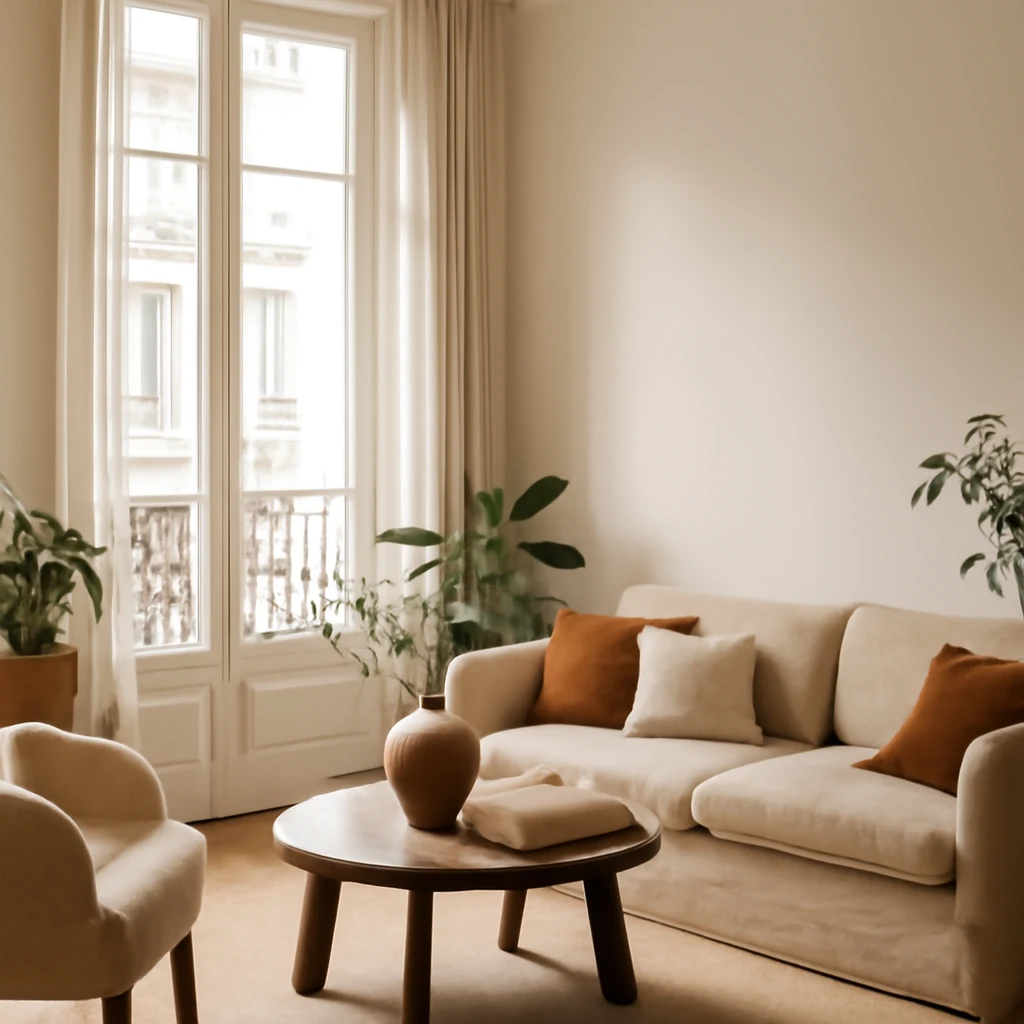
Introduction: what makes the Parisian interior timeless
The Parisian interior, widely recognised as parisiën or Parisian in English, emerged when owners of elegant central flats across European capitals grew weary of rigid classical interiors and sought to temper them with modern details. The result is a living space that feels light, refined and quietly sophisticated. It is an aesthetic that thrives in rooms with height and abundance of natural light, where architectural features such as mouldings, tall doors and herringbone parquet are allowed to speak. While it can be challenging to fit into the smallest of apartments, a well-proportioned home with generous ceilings and large windows can reveal the full elegance of the Parisian principle: a dialogue between legacy and modernity, restraint and drama, calm surfaces and striking accents.
In pursuit of a European context, this guide translates the Parisian approach into practical principles and ready-to-implement ideas for contemporary homes - from compact urban flats to generous family apartments across towns and cities throughout the continent.
Key characteristics of the Parisian style
Parisian interiors share a set of recognisable features that distinguish them from other classic and contemporary aesthetics. They are not about following a single rule book, but about a consistent mood achieved through careful choices in scale, texture, colour and a subtle tension between old and new.
- Generous spaces – the Parisian look thrives in rooms with real spatial presence. It is less at home in tiny, crowded floor plans, rather, it benefits from open, well-proportioned areas where furniture can orbit a central focus.
- Large, light-rich windows – floor-to-ceiling or near-floor-to-ceiling openings are a hallmark. Plenty of daylight softens the room and reveals the warmth of materials such as oak parquet and plaster mouldings.
- Monochrome walls with decorative mouldings – walls and ceilings are typically painted in white or pale neutral tones. The mouldings and cornices provide texture and depth without overwhelming the space.
- A bridge between classic and contemporary – old-world detailing such as plasterwork and antique pieces is paired with modern furniture and abstract artworks. This contrast creates a timeless atmosphere rather than a museum-like display.
- Metallic finishes and gilding – gilded or brass accents on mirrors, picture frames, lighting and table edges are common, used sparingly to elevate rather than overwhelm.
In a Parisian-inspired room, the furniture is often contemporary in silhouette but crafted to feel tactile and luxurious. The atmosphere is one of curated elegance: a space that invites conversation, linger and visual delight rather than maximal display.
Planning and layout: where the Parisian logic begins
What matters most in a Parisian plan is the deliberate placement of elements to foster sociability while honouring architectural grandeur. Several planning strategies recur across elegant European homes.
Focus point with a fireplace or a mirror
In the classic Parisian living area, the focal point is typically a fireplace with a large decorative mirror above it. This arrangement anchors the seating area and reinforces the room’s social function. A pair of sofas and a cluster of armchairs around a low, often glass-topped coffee table can form an intimate conversation circle. Notably, television is intentionally absent in many Parisian-inspired interiors, allowing the space to be used for conversation, reading or art appreciation instead.
The fireplace and mirror work as a luminous anchor, reflecting light and artwork while contributing to the room’s vertical rhythm. When a fireplace is not feasible, a tall, ornate mirror or a striking artwork placed at eye level can serve as an equally effective focal point.
Kitchen and dining: separate or subtly defined
Traditional Parisian layouts typically separate the kitchen from the living and dining areas. In many historic or well-proportioned European homes, the kitchen sits in its own space, while the dining area may be located within the living room or in a separate adjoining room. This reflects historic layouts and the desire to preserve a refined atmosphere in the public rooms.
In contemporary European homes, it is common to see kitchens that are visually aligned with the Parisian mood - minimalist surfaces, light tones and refined detailing such as dovetail drawers and metal handles - while the dining area remains adjacent but clearly defined, often via furniture arrangement rather than a wall. The key is to ensure the kitchen’s materiality, colour and scale are compatible with the rest of the interior, so the transition between spaces feels seamless rather than jarring.
Juliet balconies and outdoor space
Compact Parisian apartments often include a small balcony or Juliet balcony. Even a modest outdoor space can be treated as an extension of living rooms: a slim façade balcony with a small seating arrangement, potted plants and a neat railing can become a daily retreat. In a European context, balconies may vary from a tiny parapet to a door-and-rail arrangement designed to maximise daylight and offer a touch of the outdoors even in inner-city settings.
Colour palette and surprising accents
The Parisian palette is inherently flexible, prioritising light and calm surfaces while allowing colour to appear as a confident accent. The approach is not about uniform white, but about a considered range of tones and finishes that create depth and warmth.
Light backdrops
Walls and ceilings are typically finished in white or a near-white hue. Pale pinks, chalky blues or soft sage greens can feature as wall tones, but the overall strategy is to keep the backdrop calm. The belief is that a light base reveals the beauty of mouldings, textures and the furniture itself, while preventing the room from feeling heavy or over-decorated.
Statement accents
Bold, saturated colours come into play as curated accents. Deep navy, lush emerald or rich burgundy can appear in upholstery, cushions, a rug, or one standout piece of furniture. The idea is to use colour sparingly but purposefully, creating a visual moment without stealing the room’s airiness.
Metallics and gilding
Metallic finishes, especially gold or brass, appear in lighting, frames, mirrors and occasionally table hardware. They underscore a sense of luxury and history, yet are used with restraint so as not to feel ostentatious.
When choosing finishes, the goal is balance: the light backdrop, the gleam of metal and the warmth of natural materials all work together to embody the Parisian mood.
Finishes and surfaces: texture and craftsmanship
Painted walls and ceilings
In Parisian interiors, painted walls and ceilings are expected. Wallpapers, decorative plasters or textured finishes are rare on walls, as the goal is to keep surfaces clean and elegant. A smooth plaster or knockdown finish on walls often serves as the perfect stage for artwork and mirrors.
Parquet flooring
Parquet floors, especially in a chevron or herringbone pattern, are closely associated with Parisian chic. Engineered boards may be used in modern homes, but the visual impact remains the same: a warm, rich surface that adds depth and character. In many cases, the floor is left visible rather than covered with heavy rugs, letting the geometry of the wood speak for itself.
Doors and mouldings
High doors, often with arched tops or glass inserts, painted to match the walls, are another signature. Crown mouldings, cornices and rosettes are abundantly used, but carefully so they do not overwhelm the room. In a modern interpretation, mouldings can be simplified or selectively applied to retain a refined silhouette while keeping the space light.
Lepnina and decorative details
Plaster mouldings on walls and ceilings add depth and texture, giving the interior a sense of history. When finished in a calm shade that matches the walls, the mouldings seem to breathe, rather than shout, enhancing the room’s quiet grandeur.
Historically accurate detailing may be balanced with contemporary surfaces and furniture to achieve a timeless balance rather than a period recreation.
Furniture: modern comfort with classical grace
Furniture in a Parisian interior tends to be contemporary in silhouette, yet crafted to feel luxurious. The approach champions comfort, objects that invite touch, and a sense of curated collectability rather than maximalism.
Soft furnishings and upholstery
Upholstery selections often mix modern fabrics with classic textures. Velvet, bouclé and brushed fabrics are common, providing a tactile counterpoint to clean, architectural lines. Sofas may feature sculptural shapes, with accompanying armchairs that offer a playful contrast in form. Accent poufs or ottomans provide flexible seating and visual variety.
In European contexts, the upholstery palette tends to anchor on neutrals - cream, taupe, stone, dove - while allowing occasional colour injections via cushions and throws. The goal is to create a comforting, cohesive seating arrangement that still reads as stylishly current.
Built-in and storage solutions
Many Parisian-inspired interiors prioritise seamless storage that remains discreet. Built-in wardrobes integrated into wall thicknesses or hidden behind panelled doors maintain the room’s clean lines. When freestanding pieces are used, they are chosen for their architectural presence - low, wide credenzas, glass-tinished cases with metal details, and occasionally antique consoles that bridge old and new.
Across European homes, the emphasis is on sophisticated organisation: cabinetry that aligns with the walls, doors and mouldings creating an unbroken surface, punctuated by standout pieces that anchor the room’s aesthetic.
Accent chairs and focal furniture
An accent chair or a sculptural armchair often acts as a counterpoint to the main seating arrangement. These pieces are typically of modern design, sometimes with futuristic lines, and positioned to balance the room’s proportions. Pairing a modern chair with a classic sofa is a reliable way to achieve the Parisian tension between eras that defines the style.
Dining tables and lighting details
Dining furniture in Parisian interiors tends to feature clean lines, often with glass or metal accents. The dining table may be a modern or finely crafted piece, with a sense of light refinement rather than bulky presence. Lighting is crucial here: a statement pendant or chandelier above the dining table or a pair of wall sconces nearby can reinforce the room’s sophistication and cast a flattering glow on textured walls and artworks.
Lighting: the art of illumination
Lighting in a Parisian interior blends contemporary and classic approaches. A modern ceiling fixture or sculptural pendant can sit alongside traditional crystal chandeliers or elegant wall sconces. The aim is to illuminate artworks, mirrors and architectural details while creating a warm, welcoming atmosphere. Subtle sunken lighting can highlight mouldings and niches, helping to sculpt the room’s volume without drawing attention away from key pieces.
In addition to overhead and wall lighting, table lamps and floor lamps in metallic finishes can punctuate corners and seating arrangements. The lighting strategy should be adaptable: bright enough for daily presence, softened for evenings spent with books or conversation, and temperate enough to showcase fabrics and artworks.
Decor and art: mixing ages with intention
Decorative elements in a Parisian interior are deliberately curated. They help unify the space rather than clutter it. The most successful Parisian rooms display a confident mix of antique or vintage pieces with contemporary art and furniture.
Mirrors in ornate frames
Expanded mirrors with decorative frames are a cornerstone of the Parisian look. They reflect light, visually enlarge the room and act as art objects themselves. A large mirror placed opposite a window will double daylight and add depth to the space, while a smaller mirror above a console can create a refined focal point in hallways or bedrooms.
Rugs and textiles
Rugs can range from antique silk carpets to contemporary geometric designs. A well-chosen rug anchors a seating arrangement and adds texture underfoot. Textiles such as throw blankets, cushions and curtains should feel rich but not heavy, softening the room’s geometry and providing warmth in cooler European climates.
Accent chairs and expressive seating
The Parisian interior often uses a standout chair or a small cluster of chairs that act as a design feature. These pieces are frequently modern in shape and form, delivering balance to other more traditional elements and lending the space a sense of lightness and playfulness.
Vases, candles and decorative objects
Antique or vintage vases, glassware and candles are essential decor items. They bring life and atmosphere, particularly when arranged in groups on mantels, tables or shelves. Candles help create a soft, intimate glow that enhances the room’s textures and colours without overpowering them.
Art and contemporary works
Art can be a mix of classic and contemporary. Works can lean against walls or be displayed on plinths and side consoles. The approach values composition - how different pieces relate to each other, how scale affects perception, and how the collection tells a story about the home and its inhabitants.
Within European homes, artists and galleries alike encourage a similar philosophy: curate, don’t clutter. Allow a few exceptional pieces to dominate the room while others support them as part of a broader narrative.
Room-by-room ideas: translating Parisian chic into daily living
Living room
The living room is where the Parisian mood is most readily expressed. Prioritise a real focal point such as a fireplace or a large mirror with a console. Surround it with seating arranged to foster conversation rather than a ready-made TV viewing layout. Use different sofa shapes and armchairs to create a sense of intimacy and movement within the room. A central coffee table - ideally glass or metal with clean lines - draws the eye and anchors the seating cluster. Keep electrical devices discreet and avoid wall-to-wall televisions, embracing instead a curated display of art and objects that reflect the inhabitants’ interests.
Factoring in European living standards, ensure the room benefits from ventilation and daylight, if possible, position seating to capture natural light during the day, while allowing for a warm glow after dusk through layered lighting.
Kitchen
Parisian style kitchens remain refined and uncluttered. A minimalist approach to cabinetry with high-quality finishes - such as pale timber, stone worktops and metal hardware - works well. Marble is a favourite material for worktops, with cabinets featuring clean, finessed detailing rather than ornate carving. The kitchen can be visually tied to the living area through shared materials, colours or a consistent metal palette for taps, handles and lighting fixtures. In smaller European homes, the kitchen tends to be compact and highly functional, while still maintaining the Parisian ethos of calm, deliberate design rather than abundance of ornament.
Bedroom
Bedrooms in Parisian-inspired interiors are calm, sheltering spaces. The bed is typically the room’s central feature, with generous headboard detailing, luxurious bedding and subtle lighting. Constraints in European city homes often necessitate built-in wardrobes that blend with the walls, leaving the space uncluttered and serene. The emphasis is on quiet surfaces, soft textiles and a minimal amount of freestanding furniture to maintain an airy, uncluttered feel.
Hallway and entry
The entrance sets the tone for the apartment. In Parisian design, hallways are simplified and refined, with hidden storage to preserve clean lines. A tall mirror can visually expand the space, while a slim console with a few carefully chosen objects can offer a refined transitional moment between the outside and the living areas. Flooring - often parquet - continues the story from room to room, helping to knit the home together.
Bathroom
Bathrooms in Parisian-influenced interiors usually feature marble or porcelain tile with a timeless pattern. Black and white mosaics often appear as a nod to classic European design. The fixtures are elegant and understated, with gold or brushed-metal detailing for taps and fittings. A freestanding bath, if space allows, serves as a sculptural focal point and a generous, luxurious retreat within the home.
Practical tips for achieving a European Parisian look
- Prioritise proportion: aim for a sense of openness and height. If ceilings are lower, balance with lighter colours, larger mirrors and narrower furniture profiles to preserve airiness.
- Create a cohesive backdrop: keep walls and ceilings light and consistent. Use a restrained palette and let architectural details tell the story.
- Mix eras with intention: pair modern seating with classical mouldings, or antique mirrors with contemporary lighting. The key is balance and deliberate contrast, not clutter.
- Invest in quality basics: durable parquet or engineered wood, solid timber doors, and well-crafted cabinetry will endure and enhance the room’s value.
- Use colour selectively: let bold accents appear in cushions, rugs or a single statement chair, while ensuring most surfaces stay neutral to maintain serenity.
- Art and mirrors as focal anchors: position large mirrors and art to reflect light and create a sense of depth. Don’t fill every wall, allow spaces to breathe.
- Lighting as architecture: combine overhead fixtures with task and ambient lighting to sculpt the room’s mood and highlight textures.
Key takeaways
- Parisian style suits high, bright spaces where architectural features can stand proudly and be celebrated rather than hidden.
- The core idea is the fusion of classic detailing with contemporary furniture and art to achieve a timeless, lived-in elegance.
- Keep the colour base light and calm, use saturated accents with restraint, and allow metallic finishes to add a layer of luxury.
- Decorative items should feel purposeful: antique pieces can coexist with modern art and sculptural furniture to create a layered, curated home.
You may also like these articles
 Tips & How-To
Hidden Skirting Boards: The Quiet Revolution in European Interiors
How concealed skirting boards redefine walls, floors and light.
Interior Design
Provencal Interior Style: A Guide to Rustic Elegance Across Europe
Provencal-inspired interiors guide for European homes: tips and harmony.
Colour & Materials
Blue in Contemporary European Interiors: Mood, Shades and 2025 Trends
How blue transforms mood and space across European homes.