
Explore interior trends, AI design insights, styling guides and real transformations
Provencal Interior Style: A Guide to Rustic Elegance Across Europe
Introduction
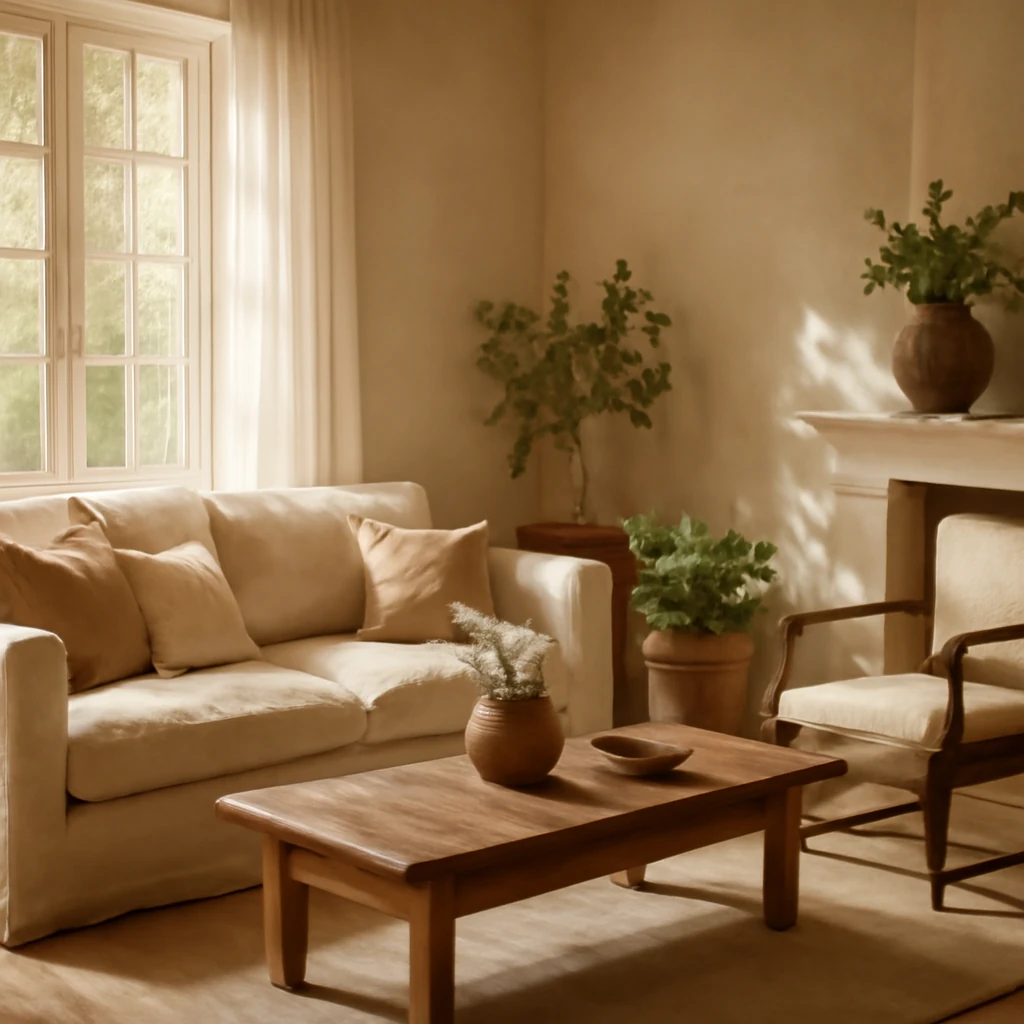
Step into the soft light of the south of France and you will encounter a design language that feels at once rustic and refined. The Provencal interior - often referred to as Provençal or French country - celebrates the rural roots of the Mediterranean, translating them into interiors that are welcoming, unpretentious and timeless. It embraces nature, warm light, and the generous use of natural materials to create spaces that breathe a quiet, sun-warmed elegance. For European homes - from compact city apartments to characterful country cottages - the Provencal style offers a sophisticated framework that values comfort, clarity and a strong sense of place.
Core Principles
At its heart, the Provencal approach champions a balance between rustic authenticity and gentle luxury. The design language is not about maxing out ornament, it is about curated details, honest textures, and a lived-in sensibility that ages gracefully. Here are the core principles to guide every Provencal-inspired project:
- Natural materials: Timber furniture, ceramic wares, terracotta tiles, plaster, stone and wicker evoke the countryside climate and tactile richness of Provençal life.
- Pastel, sun-washed colours: A colour family of muted blues, dusty greens, pale yellows, soft creams and weathered terracotta. These tones mimic the light that lingers on warm façades and sunlit courtyards.
- Air and openness: Interiors feel generous, not crowded. Light levels are strategic, with soft reflections and well-considered negative space that prevent clutter from dulling the mood.
- Rustic charm and patina: A preference for pieces with age or age-appearance, where use and traditions add character rather than detract from sophistication.
- Florals and botanical references: Subtle patterns or real arrangements that nod to lavender fields, herbs and garden fêtes.
- Decorative abundance: Ornament is warm and human - crocheted throws, hand-painted ceramics, woven baskets, lace-trimmed textiles - rather than sterile minimalism.
In urban European homes, Provençal elements are adapted with restraint. The aim is to preserve the style’s relaxed essence while ensuring compatibility with contemporary living, storage needs, and modern technology. The result is a home that feels both rooted and current, with a gentle theatre of light, texture and colour.
Colour and Materials
The colour story of Provençal interiors is deliberately soft and cohesive. Saturation is kept low to reflect sun-exposure and wear, while accents offer depth and interest. In Europe, the palette can respond to regional climates and light - cooler tones in brighter southern exposures and warmer hues where light is more diffuse or filtered through textiles and shutters.
Palette strategy: all colours are desaturated, with undertones that read as natural and timeless. Expect combinations of ecru, warm cream, pale sage, powder blue, lavender, and pale sky with occasional charcoal or brick-red accents on textiles or ceramics. Neon brightness and pure black are avoided, these would clash with the soft, aged feel that defines Provencal ambience.
Patterns and textures: florals, botanical motifs and gentle stripes frequently appear on wallpapers, fabrics and ceramics. Yet pattern should remain calm and refined, not loud. Texture is essential: plan for rough plaster, hand-hewn timber, aged stone, unglazed ceramics, and linen or cotton weaves that catch the light and soften edges.
For rooms facing south, lighter chroma with lilac, lavender, sky blue or mint accents feels harmonious. For rooms with northern exposure, warm neutrals with soft peach or honey notes help create warmth without overpowering the space.
A common feature is to keep the woodwork light or left unpainted to reveal the grain. In timbered interiors, a pale wash or whitewashing on beams can illuminate a low-angled ceiling without erasing the charm of the natural timber.
Architectural Details and Finishes
Provencal interiors draw heavily on the architectural honesty of Mediterranean and rural European homes. Materials are chosen for their character and suitability to daily life, while finishes are used to express warmth rather than polish alone.
Finishes
The emphasis is on natural surfaces. Walls may be wallpapers with botanical motifs, textured plasters, or soft limewash that lets the wall breathe. Floors are often timber, either painted or left natural, or stone in heavy-use zones such as kitchens and hallways. In bathrooms and kitchens, ceramic tiles that mimic old handmade tiles are common, while stone or terracotta tile can provide a grounded, durable feel.
Ceilings commonly feature timber beams or a plaster finish with subtle mouldings. If an exposed ceiling is not feasible, consider a painted ceiling with a shallow crown moulding to emulate the traditional look. Details like cornices and mouldings in muted tones can lift a room without shouting for attention.
Windows, Doors and Hardware
Windows are large enough to bring in daylight, with frames painted in light, warm tones. Glass is often clear or softly textured to diffuse sun glare. Doors are solid timber with visible grain, sometimes featuring subtle glazing or moulded panels. Hardware prefers bronze, brass or copper with a patina rather than shiny chrome. The aim is to convey a sense of history and sturdiness while still feeling composed and elegant.
Lighting
Lighting is a cornerstone of Provencal interiors. A mix of ambient, task and decorative lighting creates a layered, inviting atmosphere. Think warm-toned bulbs, fabric lampshades, and woven baskets that double as light diffusers or decorative vessels. Avoid overly technical fixtures in favour of materials such as ceramic, bronze, or weathered metal that age gracefully and add tactile interest.
Furniture and Layout
Provencal furniture is comfortable, practical and richly textured. It favours solid wood with clean lines and gentle curves, often featuring subtle ornamentation rather than overt grandeur. Upholstery uses natural fabrics such as linen or cotton in solid colours or gentle botanical prints. The overall form should feel generous and timeless rather than overly trend-driven.
A typical Provencal living room blends seating with a sense of sociability: a substantial sofa or a couple of armchairs with a generous, low-slung profile, accompanied by a sturdy dining table that anchors the space. Carved legs, woven textures and light distressing can be used sparingly to add character without tipping into nostalgia overload. When space is limited, select a handful of well-chosen pieces with harmonious silhouettes rather than a large quantity of mismatched items.
Mixing styles can be effective in European urban dwellings. Pair a modern, ergonomic sofa with a worn wooden coffee table or an antique bench. The contrast should feel purposeful, with one or two focal points that anchor the room while the rest remains calm and coordinated.
Textiles and Soft Furnishings
Textiles in Provencal interiors are light and tactile, designed to filter sunlight rather than block it. Sheer linen or cotton curtains, often in white or cream with delicate edge detailing, frame windows softly. Cafetière or café-style curtains are common in traditional kitchens, adding a cosy, domestic feel.
Rugs are used as accents rather than full-floor coverings in order to preserve airiness. Natural fibres - jute, sisal, cotton or wool - provide texture and warmth without heaviness. Cushions and throws lean toward pastel tones or botanical motifs. Patterns should be gentle and cohesive, favouring botanical scripts, soft stripes or single-colour surfaces that complement the wall finishes and furniture finishes.
In a bedroom, textiles contribute to a serene, sunlit mood. Lightweight bedding in neutral undyed fabrics or soft prints creates a calm, restful environment. A canopy or light baldaquin can introduce a romantic touch without overwhelming the space.
Decor and Accessories
Decor in Provencal interiors carries a sense of history and daily life. It is not about collecting objects for their shock value, rather, it is about curated pieces that tell a story and age gracefully alongside the inhabitants.
- Mirrors with plain or subtly framed edges to bounce light and create a sense of space.
- Paintings or prints with watercolour landscapes, botanical studies, or maritime or rural scenes that reinforce a sense of place.
- Serene collections on open shelves: ceramics, jugs, vessels, and old crockery that celebrate domestic rituals.
- Vases with fresh or dried flowers, especially seasonal blooms and lavender-inspired arrangements.
- Woven baskets, ceramic lamps, and candleholders that emphasise tactile warmth.
Be mindful of scale and repetition. Place decorative items against plain walls or on open shelving to avoid visual clutter in smaller European homes. Avoid ultra-modern posters or metallic art that disrupts the room’s gentle proportion. The idea is to cultivate a refined rusticism rather than a theatrical revival of an older era.
Implementing Provencal in European Homes
Across Europe, the Provencal style can adapt to a range of living situations - from compact city flats with limited wall space to generous rural homes with expansive living areas. Here are practical strategies to translate this aesthetic into real homes:
- Start with the bones: If you live in a flat, keep architectural finishes pale and warm, use light timber or whitewashed ceilings where possible, and opt for furniture with soft, rounded silhouettes. In a country house, celebrate exposed beams, stone walls, and larger, more open layouts, while maintaining a consistent palette that ties the spaces together.
- Preserve light and air: Use light fabrics and breathable materials to maintain a sense of openness. Consider window treatments that soften glare without blocking daylight, avoid heavy drapery that can make a space feel congested.
- Think in zones: Define living, dining and sleeping zones with textiles, colour shifts and furniture placement rather than walls. A shared palette will knit the zones together while allowing each space to feel distinct.
- Embrace texture over ornament: Texture is king in Provençal interiors. Layer wood, ceramic, linen, jute and clay to create tactile richness. The goal is comfortable tactility rather than visual loudness.
- Bring the countryside inside: Introduce botanical motifs through textiles and ceramics, plant life in pots, and dried arrangements to evoke the lavender fields and herb gardens that define the region.
- Balance comfort with practicality: For modern European homes, integrate smart storage and durable finishes. Choose upholstery with natural fibres that are easy to clean and maintain, while preserving softness and warmth.
- Integrate local influences: Adapt Provençal motifs to reflect regional landscapes, climates and architectural traditions. A Provence-inspired palette can harmonise with Mediterranean, Alpine or coastal sensibilities for a cohesive home.
- Scale and proportion matter: In smaller spaces, select fewer pieces with strong silhouettes rather than a multitude of light-weight, competing items. In larger rooms, let a few bold pieces anchor the space and use softer furnishings to maintain intimacy.
With careful planning, a Provençal-inspired interior can be both a sanctuary and a versatile backdrop for daily life - whether hosting a summer feast or enjoying a quiet morning in a sunlit corner.
Practical Tips and Quick-Start Checklist
- Choose a unifying base palette: Select 2–3 main colours and 2 accent hues. Repeat these across walls, textiles and key furniture to knit the space together.
- Invest in quality basics: A well-made timber table, sturdy chairs and a reliable sofa in natural fabrics form the backbone of a Provencal interior.
- Layer textures: Mix plaster, wood, ceramic and linen to create depth without visual noise.
- Soft lighting first: Layer ambient, task and decorative lighting to mimic the warm glow of a Provençal evening.
- Use florals with restraint: Floral motifs should support the design, not overwhelm it. Prefer subtle repeats and muted tones.
- Preserve openness: Allow unoccupied floor space and ensure furniture does not crowd the room. Light, air and space are essential to the mood.
- Incorporate natural finishes: Opt for waxed or oiled wood, natural stone, and ceramic glazes that weather gracefully with time.
- Seasonal refresh: Replace cut flowers or seasonal arrangements to keep the interior feeling alive and fresh throughout the year.
Care and Longevity
Provencal interiors thrive on gentle ageing. This is not a style built for short-term fashion, it rewards pieces with patina and textiles that soften with use. Regular maintenance should be straightforward: dust surfaces with soft cloths, clean fabrics according to manufacturer guidance, and protect wood finishes with appropriate oils or waxes. In humid coastal climates, ensure walls and timber are well ventilated to prevent mould and maintain the authentic warmth of the space. For longer-term durability, select finishes that can be refreshed with minimal intervention - painted ceilings, re-stained timber, and re-glazed ceramics are part of the lifecycle of a Provençal room rather than a one-time decision.
Conclusion
The Provencal interior offers a philosophy as well as a look: a commitment to natural materials, soft colours that age gracefully, and decorative details that feel human and wholesome. In Europe, this approach translates across a spectrum of homes - from a Parisian flat to a Tuscan village house or a Nordic-influenced countryside dwelling - creating spaces that feel sunlit, gentle and grounded. It is a style that invites you to slow down, notice the textures around you, and cultivate a home where every corner tells a small story of place, craft and comfort.
You may also like these articles
 Colour & Materials
Liquid wallpaper: a contemporary, seamless finish for European interiors
A seamless, adaptable wall finish for modern European homes.
Kitchen Design
Designing a Grand Kitchen for a Modern European Home
A guide to planning and styling a large European kitchen with smart layouts and durable finishes.
Kitchen Design
When the sink faces the window: balancing beauty and practicality in European kitchens
Exploring the debate: should the sink sit opposite the window in European kitchens?