
Explore interior trends, AI design insights, styling guides and real transformations
Japandi in Europe: calm, natural elegance for modern homes
Introduction
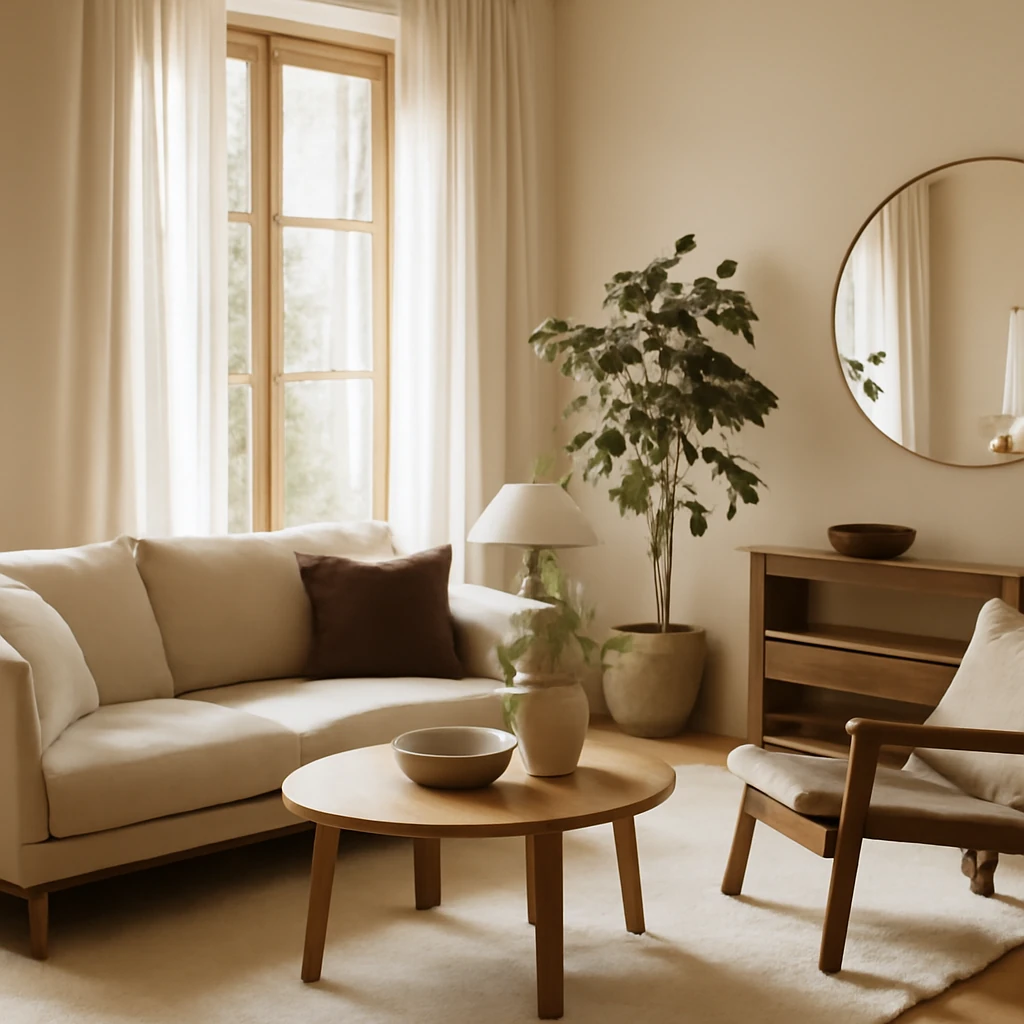
In many European cities, a mood of quiet clarity and tactile warmth is replacing saturated maximalism. The Japandi aesthetic - a deliberate blend of Japanese restraint and Nordic warmth - has migrated from fashion shoots into real homes. It offers a blueprint for calm, functional living that adapts to European plans: compact city apartments, lofts, and traditional houses alike. The aim is not a replica of a distant style, but a practical, breathable environment where every centimetre of space earns its keep, and natural materials tell a story of craft and care.
What follows is a European-friendly guide to Japandi-inspired interiors. It embraces the philosophy behind the look, translates it into day-to-day living, and shows how to combine it with flexible layouts, sustainable materials and the needs of modern households. You will find practical tips for furniture, lighting, textiles and decorative detail, plus room-by-room ideas to help you start today.
Core principles of Japandi for European homes
Air, simplicity and restraint
The essence of Japandi begins with a belief in wabi-sabi and restrained beauty: fewer things, more space, and a colour palette steeped in neutrals. In European terms, this translates to a calm, cohesive scheme where the items you keep are essential, well-made and deliberately placed. The goal is a sense of ease rather than a show of belongings. When clutter is minimised, energy in the room feels calmer and more focused, which in turn influences mood and productivity.
Flexible planning: screens over walls
Traditionally, Japanese interiors use movable screens and partitions to carve out zones without sacrificing openness. In Europe, you can achieve a similar effect with folding screens, translucent room-dividers, or sliding panels that can reconfigure a space as needs change. The benefit is a versatile layout that can adapt from living to working to entertaining without the rigidity of fixed walls. Even in open-plan flats, these elements help create intimate corners, a study nook, or a bedroom alcove when required.
Natural materials and a quiet colour story
European Japandi leans on authentic textures: timber, bamboo, stone, ceramic and cotton. The surfaces read as tactile and honest, not polished to a fault. The colour family tends toward white, ivory, warm beiges, sand, pale greys, and soft greens. Accents - when used - are restrained and purposeful, often in a single deep hue drawn from the natural environment, such as charcoal for framing or forest green as a limited highlight. The result is a palette that remains serene yet capable of evolving with new textiles or furniture without becoming loud.
Imperfection as a design principle: beauty in the imperfect
A key idea borrowed from Japanese craft is that beauty lives in imperfection. In practice, this means embracing slight asymmetries, textured walls, unglazed ceramics, and furniture with character rather than flawless symmetry. A crackled glaze, an uneven wood grain, or a linen weave with subtle irregularities can all read as authentic and human. For many European homes, these details soften the coolness of minimalist schemes and add warmth without compromising clarity.
Low furniture and the human scale
In Japandi, furniture tends to sit closer to the floor, creating intimate proportions and an grounded ambiance. European versions adapt to comfort and accessibility: low-profile sofas, platform beds, and seating on slender legs or cushions on the floor. The idea is to feel connected to the space, not to overpower it. If low furniture feels impractical in a family home, combine it with a few higher items - such as a practical storage cabinet or a tall plant stand - to maintain balance and ease of use.
Lighting: warm, diffuse and daylight-forward
Natural light is central to Japandi. In Europe, this translates into large windows, soft window coverings, and lighting that glows rather than stares. Diffused, warm lighting - through fabric shades, matte-plastic diffusers, or frosted glass - helps to replicate the gentle ambience of a traditional Japanese interior. Avoid harsh, direct lighting and instead layer sources: ambient light from ceiling fixtures, task lighting at work zones, and decorative accents such as floor lamps with natural materials.
Greenery and restrained decor
Plants are a natural complement to Japandi’s earthy feel. In European homes they act as living sculpture: bamboo brings vertical calm, bonsai or small shrubs in ceramic pots offer quiet focal points, and a single ikebana-inspired arrangement can provide an anchor for a room. The decor remains intentionally sparse: a handful of meaningful objects, hand-made ceramics, a couple of textiles, and a piece of art with a simple line or natural motif. The aim is a curated, not cluttered, look that invites contemplation.
Textiles and surfaces: tactile luxury without excess
Natural textiles - linen, cotton, wool - are fundamental. Rugs with subtle textures and soft weaves ground a space, while cushions in muted hues add warmth and comfort. Surfaces should feel honest to the touch: a well-worked wood table, a stone countertop with evident grain, a ceramic vase with a slightly imperfect glaze. In Europe, you can pair these with contemporary materials such as concrete or tile that has a handcrafted or organic look, so the room remains modern but deeply comfortable.
Two paths: Japandi and Scandi-Japandi
For many households, a pure interpretation of Japanese interiors can feel too pared-back. A practical alternative - often called Japandi - blends Nordic warmth with Japanese restraint. The result is a cosy, welcoming atmosphere with soft textures, gentle colours and a sense of order. If you prefer a more traditional Scandinavian touch, maintain the calm palette and incorporate light wood finishes and soft-edged furniture. If you crave a sharper, more architectural edge, lean into minimal lines and stronger contrasts, but keep the focus on comfort and function.
What to consider when designing a Japandi-inspired space in Europe
“Less is more, but not barren. The goal is a lived-in calm where materials and light do the talking.”
European homes come in many shapes and sizes - from compact city flats to compact city flats to timber-framed houses in the countryside. The following considerations help translate Japandi into usable spaces:
- Plan by zones, not by walls: create flexible areas using screens or furniture placement to suggest distinct zones - living, dining, working - without closing off the flow.
- Prioritise natural materials: choose authentic timber, stone, ceramic and linen. The texture and warmth of these materials will read as luxury without ornament.
- Choose the right scale: European rooms often require a careful balance between compactness and comfort. Low furniture is a starting point, but ensure seating heights suit how you live and who uses the space.
- Let light lead: maximise daylight with sheer window treatments and light-reflective paints. In darker climates, layer lighting to mimic natural daylight across the day.
- Add a signature element: a porcelain vase, a carved wooden screen, or a restrained piece of wall art can anchor the room without shouting for attention.
Pros and cons of Japandi in European homes
- + Timeless appeal that translates across housing types, from compact apartments to larger homes.
- + Calming environments that support focus, relaxation and well-being.
- + Flexibility to mix with current styles, especially Nordic, Mediterranean and contemporary European palettes.
- − A minimal approach requires diligent upkeep and thoughtful storage, particularly for families with children or pets.
- − Purely pared-back layouts can feel impractical for warmth or social bustle if not balanced with textiles and soft textures.
- − High-contrast or ultra-sleek materials may show wear more visibly, choose finishes that age gracefully.
How to create a Japandi look in your European home: a practical guide
Starting a Japandi transformation begins with intention. It is not about buying a handful of trendy pieces, but building a cohesive system of materials, textures and forms. The steps below offer a practical workflow for your home:
- Define a restrained palette: select a base of white, ivory or warm grey. Add a single accent colour - perhaps a soft sage or charcoal - as a unifying thread throughout the space.
- Canvas of natural materials: introduce wood with a clear finish, stone, and ceramic accents. Avoid overly glossy surfaces in favour of matte textures that trap light softly.
- Incorporate flexible partitions: use slim folding screens or low bookcases as room dividers. This enables momentary privacy without sacrificing openness.
- Choose low, functional furniture: prioritize pieces with clean lines and good ergonomics. A platform bed, a low sofa, and modular storage can anchor the room while remaining easy to rearrange.
- Layer light thoughtfully: combine ambient, task and decorative lighting. Use warm-toned bulbs and fabrics to soften the glow and create a cosy atmosphere in the evening.
- Texture through textiles: linen throws, cotton cushions and wool rugs add tactility and warmth. Keep patterns subtle and restrained to preserve calm.
- Mindful decor: select a few serious pieces - handmade ceramics, a single painting or a branch arrangement - rather than a shelf half-filled with trinkets.
- Integrate greenery: a small collection of well-maintained plants completes the look without cluttering surfaces.
- Plan storage that disappears: concealed cabinetry, integrated wardrobes and vertical timbers help maintain the streamlined aesthetic.
- Test and refine: live with the space for a few weeks, then adjust the layout or finishes to suit how you use the rooms.
Room-by-room ideas for a European Japandi-influenced home
Bedroom
Begin with the bed as the room’s anchor. A low-profile platform bed with a solid timber frame creates the grounded look characteristic of Japandi. Minimal bedside storage, or none at all, helps preserve the calm. Keep storage in a hidden wardrobe with sliding doors to avoid visual clutter. Soft lighting - warm LEDs, a dimmable bedside lamp, and a small night-light for children - contributes to a serene atmosphere. Textiles should be natural: linen sheets, a light wool blanket, and a simple wool rug. If space permits, a shallow bench at the foot of the bed can offer practicality without breaking the sense of calm. Accent pieces, such as a single wall hanging or a modest ceramic vase, can act as a focal point without overwhelming the palette.
Living room
The living space should feel generous yet uncluttered. Choose a low sofa with clean lines and a restrained silhouette, paired with a compact coffee table in natural timber. A shallow media cabinet or a discreet projection system can replace heavy television furniture, preserving the room’s openness. Sliding screens or a lightweight timber screen can offer flexible zoning for a reading corner or a child’s play area. Lighting layers are essential: a central ceiling light for ambience, complemented by floor lamps and table lamps with soft, diffuse light. Large vases, simple ceramics and a few botanical elements keep the room feeling grounded and collected over time.
Kitchen
Japandi kitchens emphasise quiet utility and natural beauty. Closed cabinetry with matte finishes reduces glare, while timber or stone worktops add warmth. If possible, integrate a natural stone or wooden island to anchor the space and provide a tactile contrast to otherwise sleek cabinets. Accessories should be minimal and well-considered: a handful of ceramic bowls, a linen runner, a couple of wooden utensils. For lighting, employ diffuse lamps over the work zones rather than harsh downlights. Ensure storage is clever: pull-out organisers, internal drawers, and deep shelving to keep surfaces clean and uncluttered.
Hallway/Entrée
Your entrance is a staging ground for the Japandi look. A small mudroom area with a timber bench, a low coat rack and hidden storage keeps shoes and coats out of sight. A shallow, natural-toned rug and a single plant or a piece of restrained art set the tone for the rest of the home. If possible, include a small moment of texture - perhaps a wall finished in plaster or a timber slatted screen that partially divides the corridor from the main living area.
Bathroom
In Japandi interiors, bathrooms lean towards light, airiness and tactile finishes. Use stone or neutral-toned ceramic tiling, with textured plaster on walls for a subtle, organic feel. Consider a freestanding tub or a simple stone basin with a wooden or stone vanity. Keep fittings minimal and functional, with concealed storage to maintain uncluttered surfaces. Warm, indirect lighting and a few carefully chosen accessories - a handmade soap dish, a ceramic tumbler, a small plant - will reinforce the serene mood.
Children’s room
A child-friendly Japandi-inspired space blends practicality with gentle whimsy. Use low storage units, floor seating with robust upholstery, and soft, easy-to-clean textiles. A wall with a light, painted motif or a single framed artwork can offer imagination without overloading the room. Include a small study or craft corner with a compact desk and a chair scaled for children. Ensure there is enough light for play and study, with subtle task lighting and blackout options for restful sleep.
The art of integration: combining Japandi with European standards
Japandi is not about erasing regional identity. It is about reinterpreting the core values - simplicity, warmth, natural materials - through a European lens. You can weave in regional textures and craft traditions: a handcrafted ceramic collection from a local studio, a timber piece sourced from a nearby workshop, or textiles woven by a regional producer. The result is a residence that feels contemporary yet rooted in local culture. The key is restraint: each piece must justify its presence, echo the palette, and contribute to the room’s balance.
Accessories and details: what to avoid and what to embrace
- Avoid: excess decoration, highly reflective surfaces, and loud patterns that disrupt the calm.
- Embrace: craft-inspired objects, natural textures, and a few statement but quiet pieces, such as a handmade vase or a sculptural timber chair.
- Texture over trend: opt for finishes that age well and look better with use - an oiled wood surface, a linen upholstery, a stone top with patina.
Culture, history and craft: a brief note on the craft of wabi-sabi
Wabi-sabi is not a style mood alone, it is a philosophy about appreciating impermanence and the handmade. In practical terms, this means embracing the marks of time and the subtle irregularities of natural materials. A ceramic bowl with a glaze that isn’t perfectly even, a chair with a gently warped leg, or a wooden tabletop with soft, natural scratches are all signals of a living, evolving space. In Europe, this translates into a mature design language: it is not about roughness, but about authenticity and tactility.
Kintsugi and the beauty of repair
Beyond aesthetics, the idea of repairing rather than discarding - knitting the story of a piece back together - resonates with durable, sustainable design. Kintsugi, the traditional Japanese technique of mending broken pottery with lacquer dusted in gold, embodies a hopeful philosophy: flaws become features. In a European home, a repaired ceramic or a patched textile can be celebrated as a deliberate design choice rather than a repair to hide.
Practical challenges and how to address them
- Managing light in northern climates: maximise daylight through large windows, light-reflecting paints and reflective surfaces. Use layered lighting to mimic a natural rhythm throughout the day.
- Maintenance considerations: light-coloured surfaces show dust more readily. Choose a mix of finishes that age gracefully and invest in high-quality cleaning solutions suitable for stone, timber and textiles.
- Family life: incorporate warmth through textiles and soft textures, but preserve easy-clean surfaces and practical storage to accommodate children and pets.
- Storage strategy: in smaller homes, built-in wardrobes with sliding doors and tall, slender storage units help maintain a clutter-free environment.
Conclusion
Japandi offers a refined language for European homes that balances minimalism with comfort. It is adaptable, scalable and deeply human: it invites you to slow down, to value natural materials, to choose pieces with a story, and to curate a space that truly supports everyday life. It is not a rigid rulebook but a philosophy - one that can be interpreted for a contemporary city apartment or a countryside residence alike. If you love the idea of a serene, well-made home with warmth and texture, Japandi provides a practical, elegant path to a more tranquil living environment.
Final note: a mindful way to start
Begin with a small pilot project: refresh a single room with a restrained palette, swap a few cushions for natural fabrics, and introduce a low piece of furniture or a light divider to test the feel. See how the space breathes when you reduce surplus and emphasise texture and light. If the result resonates, extend the approach to other rooms in stages. A European home styled with Japandi principles can become a timeless backdrop for daily life, work and welcome guests - calm, practical and quietly beautiful.
You may also like these articles
 Tips & How-To
Mouldings in Interiors: Framing Space with Timeless Detail
How mouldings transform interiors—from zoning to visual height.
Living room
The Click-Clack Sofa: A Practical, Flexible Cornerstone for European Living Rooms
A comprehensive guide to the versatile click-clack sofa for compact European homes.
Bathroom Design
Tiny bathroom transformed: vintage vanity meets black-and-white tiles
A petite European bath becomes a bold tale of black, white and antique warmth.