
Explore interior trends, AI design insights, styling guides and real transformations
Shabby Chic Interiors: A European Guide to Timeless Charm
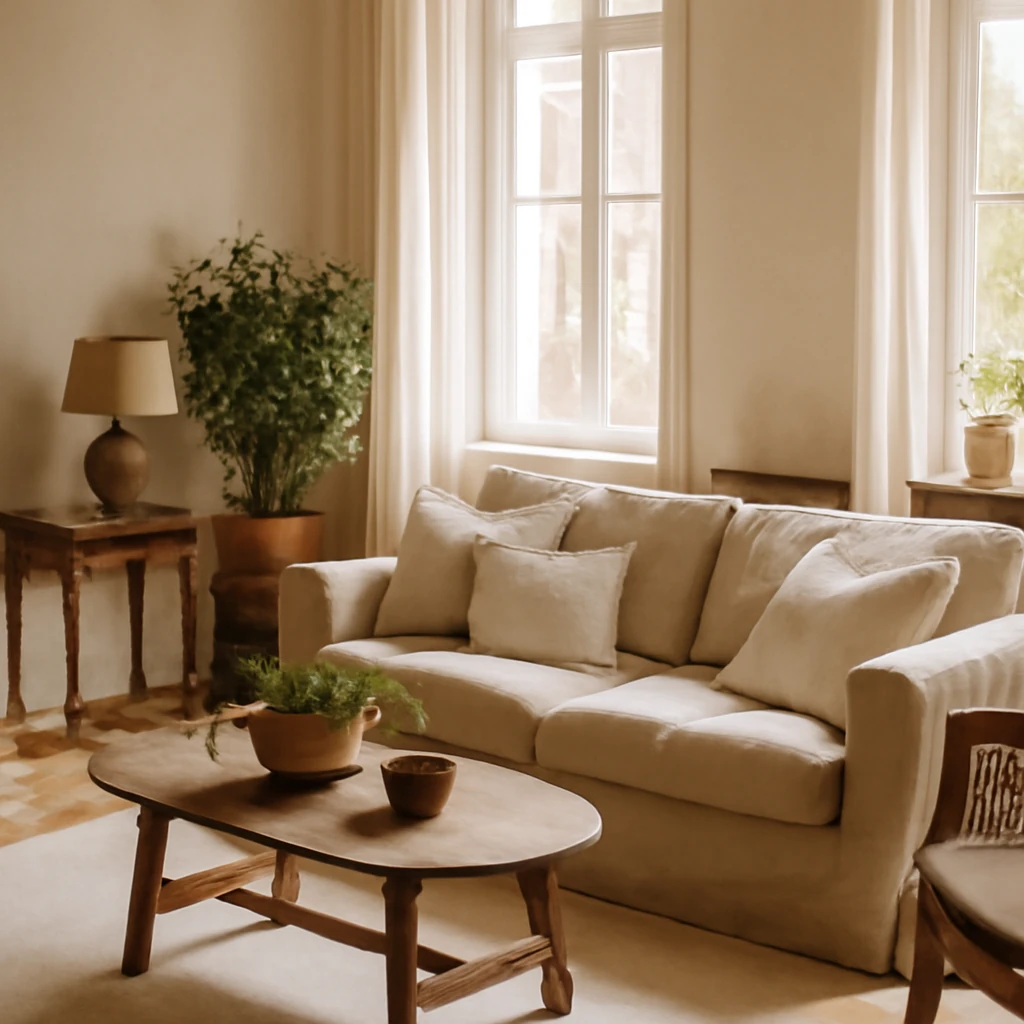
Shabby chic is a colour-loving, comfort-first interior fashion that blends vintage fare with delicate romanticism. It began as a practical method of reviving old items, giving them a soft, worn elegance. Today, the style is valued for creating inviting spaces that feel history-filled yet intimate, with a touch of casual luxury. While its roots lie in English-speaking contexts, shabby chic has travelled across Europe, adapting to diverse housing types and climates while preserving its signature sense of warmth and gentleness.
History of the style
The essence of shabby chic crystallised in the late twentieth century when a UK-based designer and author popularised a philosophy of living with love-worn furniture and textiles. The approach embraced vintage and antique pieces, combined with refined detailing and a soft, time-worn patina. It wasn’t a rigid movement but a sensibility that celebrated imperfection as character. As it spread to continental Europe, designers interpreted the look through local materials, crafts, and architectural features - balancing nostalgia with contemporary comfort. Today’s European homes often blend shabby chic with other styles, using it as a restorative layer rather than a sole blueprint. The result is spaces that feel timeless, humane, and quietly luxurious.
Shabby chic has appeal beyond a single country or era. In many European cities, designers mix faded glamour with practical simplicity: antique wardrobes dressed with light linen, plaster mouldings softened by colour-washed walls, and floors that reveal the beauty of age. The style’s flexibility makes it suitable for city apartments, coastal homes, and rural cottages alike, where natural light and a sense of provenance heighten the atmosphere.
Core characteristics
At its heart, shabby chic embraces a narrative of lived-in comfort. It is less about pristine perfection and more about a home that feels gathered over time, with soft edges, tactile textures, and romantic details. Key characteristics include:
- Timber and antique furnishings that show gentle signs of wear rather than pristine newness.
- Soft colour palettes - pastels, chalky whites, and faded metallics that create a calm backdrop.
- Delicate floral patterns on fabrics, wallpapers, and textiles that evoke countryside hedgerows and vintage craft.
- Texture-rich surfaces such as chipped plaster, rubbed wax finishes, and subtle crackling on paint.
- Fluted mouldings, plaster rosettes, and fruitwood or pine fittings that nod to historic detailing.
- Personal touches from heirloom objects, artisan-made ceramics, and handmade textiles that tell a story.
Colour palette
The visual heart of shabby chic lies in soft, forgiving colours. Think powdery pinks, sage greens, dusty blues, and sea-glass tones that mingle with warm whites and ivory. A touch of muted metallic - silver, gold, or brass - with a burnished finish adds subtle luxury without overpowering the sense of age. Surfaces are often treated to aged or distressed finishes, not to imitate newness but to celebrate history. In more contemporary European schemes, colour is used to harmonise disparate pieces: a pale wall can ground a group of vintage chairs, while a floral textile ties in a cabinet or a lampshade. The goal is cohesion and calm, not a riot of pattern or colour dominance.
Materials and finishes
Materials and their finishes are essential to achieving the shabby chic mood. The style relies on a crafted, slightly imperfect look that makes interiors feel timeless rather than fashionable. Elements to consider include:
Ceiling and mouldings are typically painted white, with decorative plaster mouldings or ceiling roses that have a softly worn appearance. Perceived wear is created deliberately, through subtle distressing or a light glaze that catches the light without looking aged beyond its intention.
Walls often feature delicate florals in wallpaper or restrained painted textures. Where walls are plain, the natural warmth of limewash-like finishes or soft, chalky paints enhances the sense of depth. Paneling or timber cladding can provide a tactile counterpoint to more delicate textiles.
Flooring commonly appears worn or intentionally distressed. Parquet, painted floorboards in pale tones, or stone floors treated with soft wax produce a patina that rewards close, lingering observation.
Furniture: essential pieces and approaches
Soft furnishings
Soft furnishings set the tone for shabby chic. Look for low, comfortable sofas and armchairs, often with slipcovers in natural fabrics. Upholstery tends to be in light, muted colours - cream, blush, dove grey, or pale blue - with a preference for natural textures such as linen, cotton, or velvet. Slipcovers are common, practical for families, and easy to refresh with new textiles over the seasons.
Textile sensitivity is a hallmark of the style: cushions, throws, and blankets in floral or toile patterns can be layered with other textures to create depth and warmth. Rugs - soft, plush, and often with a worn look - anchor seating areas without competing for attention.
Cabinetry and case goods
Wooden furniture with carved detail is central to shabby chic. Cabinets, tables, and chests are typically finished in pale paints or whitewashed tones, sometimes with a light glaze that emphasises the grain. Distressing is used purposefully to simulate years of use - think soft chipping, subtle rubbing, and warm patinas rather than heavy imitation aging.
Decorative furniture
Decorative pieces - occasional tables, ottomans, or small cabinets - often feature curved lines and decorative metalwork. Florid hardware or lightly ornate detailing can reinforce the period feel, while the overall finish remains gently imperfect to keep the space approachable and comfortable.
Note: florals on fabrics and cushions are a signature note - their scale should be thoughtful to avoid overpowering more delicate pieces.
Lighting
Natural light is valued in shabby chic interiors, but well-chosen lighting completes the mood. Classic crystal chandeliers or metal chandeliers with a vintage silhouette are common focal points, while table lamps with hand-painted bases and fabric shades create intimate pools of light. Floor lamps with soft fabric shades and subtle patinas help to balance bright daylight with cosy evenings. The lighting should feel layered and varied, never clinical.
Decor and accessories
Shabby chic thrives on a curated sense of nostalgia. Decorative objects - porcelain figurines, intricately carved boxes, decorative plates, and mirrors with ornate frames - are collected rather than displayed as a museum. Textiles play a dominant role: floral curtains, embroidered cushions, lace-trimmed throws, quilts, and table linens in gentle patterns bring warmth and personality to every room. A soft, welcoming rug completes the look and helps silence noisy floors in living spaces and bedrooms alike.
Small accessories should feel meaningful, not merely filler. The charm lies in their patina and the stories they hint at rather than their price tag.
Room-by-room applications: translating shabby chic across European homes
How to create a kitchen in shabby chic
A shabby chic kitchen reads as warm and inhabited, rather than clinical. It is a space for family life and cooking while still feeling refined. In practice, this means generous cabinetry with a painted finish, often featuring glazed doors to reveal vintage dishes or softly coloured glassware. Handles are typically decorative - think feathered silhouettes or simple moulded shapes in antique finishes such as silver, brass, or pewter.
A freestanding or display-worthy pantry or buffet adds period drama and practicality. Pick a worn-wood or pale-colour cabinet as the anchor piece, then soften the rest of the room with open shelving, linen curtains at the window, and a textile runner on the dining table. A round or trestle-style table with upholstered chairs creates a convivial dining area that feels both rustic and refined.
- Open shelves can showcase painted crockery and lace-edged linens that echo the overall palette.
- Textiles such as linen or cotton curtains with floral motifs help soften the space and soften reflections from windows.
- Consider a vintage-style sideboard for storage that doubles as a display surface for vases and bakeware.
How to create a bedroom in shabby chic
The bedroom frame in shabby chic champions softness, calm, and romance. Beds tend to be large with carved or metal headboards, sometimes dressed with a sheer canopy or draped fabric to enhance the sense of sanctuary. Linen or cotton bedding in pale tones with subtle florals reinforces the look. Nightstands and dressers are chosen for their character, not just their capacity, and may feature gentle distressing or painted finishes.
Wardrobes and chests of drawers should have a light touch - curves and friezes that echo historic styles while remaining practical. Mirrors with ornate frames, sometimes with a slight antiqued patina, help scatter light and create the sense of space in smaller bedrooms. Lighting in the bedroom should be layered: a central ceiling light for ambience, plus bedside lamps with soft shades for reading and relaxation.
- Textiles are essential: weave subtle florals into curtains, cushions, and bedcovers.
- Keep surfaces clear to maintain a serene environment, resist overloading with objects.
How to create a living room in shabby chic
The living room is a stage for sociability and comfort. A cosy arrangement often features a substantial sofa and a couple of armchairs surrounding a central coffee table. Upholstery favours light, neutral colours, preferably in natural fabrics, with occasional slipcovers to refresh the look. The room should feel inviting to linger in, with a balance of textiles, wood, and soft lighting.
Pieces should whisper history rather than shout novelty. A mix of vintage and antique furniture with a few more contemporary pieces can keep the space relevant while preserving the romantic mood. Large windows with light, airy curtains enhance the sense of airiness that is fundamental to the style.
- Layer lighting: floor lamps, table lamps, and a statement chandelier create depth.
- Place a softly patterned rug under the seating group to anchor the space and add warmth.
In a children’s room
Shabby chic can be incredibly welcoming in a child’s room, providing gentle colours and plenty of tactile surfaces. Beds or cot frames can be metal or wood with a delicate finish. The look benefits from durable textiles and washable covers so the space remains practical as children grow. Furniture with rounded edges and light finishes reduces visual harshness while retaining charm.
Decorative textiles - soft blankets, floral cushions, and a small canopy or curtain can help to create a dreamy atmosphere. Storage should be practical yet stylish, with baskets or drawers that blend with the colour palette rather than competing for attention.
- Choose durable fabrics in pale hues and subtle prints that can withstand daily wear.
- Incorporate playful elements through small decorative items rather than large, loud furniture.
In the bathroom
The bathroom in a shabby chic scheme leans towards romance and spa-like calm but with an eye for practicality. Traditional materials are paired with elegant fixtures in polished metal finishes. A freestanding bathtub or a claw-foot style can be particularly suited to this look, as can sinks with gently curved lines and antique-inspired taps. Storage pieces in pale woods or painted finishes help maintain the light, airy mood.
Textiles are central here too: white or pale towels with lace edging or delicate embroidery, and glass jars or ceramic containers for essentials align with the decorative ethos without compromising hygiene or maintenance.
- Opt for finishes that are easy to clean but maintain vintage styling.
- Use mirrors with ornate frames to reflect natural light and amplify the sense of space.
Practical checklist: bringing shabby chic into your home
- favour light shades and floral patterns on wallpapers or fabrics to unify the space.
- Ensure cabinetry and furniture appear aged or intentionally distressed, not newly signed off as pristine.
- Choose substantial, comfortable soft furnishings that invite relaxation and conversation.
- Introduce abundant textiles: curtains, throws, cushions, table linen, and rugs with gentle patterns.
- Add nostalgic decorative items, mirrors, and pastoral paintings within ornate frames to evoke a sense of history.
Comparative glimpse: house styles in Europe
| Style | Origin | Furnishings | Finish |
|---|---|---|---|
| Shabby Chic | Late 20th century, United Kingdom | Vintage and antique with visible wear | Floral wallpapers, mouldings, distressed parquet |
| Provence | 18th century, Southern France, reinterpreted in 20th century | Natural materials, vintage and antique | Light plaster walls, wooden beams, worn floors |
| Parisian/Parizien | 18th century, Paris, reinterpreted in 21st century | Vintage and antique with modern elements | White walls, mouldings |
| Classic | 18th–20th century, Europe, reinterpreted in 20th century | Can be fully modern yet styled as antiquity | Subtle patterned wallpaper, light walls |
This is shabby chic: abundant worn furniture, floral prints, and delicate trinkets. The look evolves with time and can harmonise with other styles across European homes.
Why shabby chic works in European homes
Across Europe, homes vary from compact city apartments to rural manors, yet the essence of shabby chic remains resilient: a space that feels lived-in yet curated, with light fabrics that travel well between rooms and seasons. The style’s forgiving palette makes it adaptable to different climates - from the bright Atlantic light in the north to the warmer southern European light - while the emphasis on textures and materials gives any room a tactile richness that photographs cannot fully capture. For designers, shabby chic offers a framework within which to celebrate history without nostalgia becoming nostalgic in the sense of immobility. It invites owners to co-create a space - layered with memories, mementos, and handmade items - that remains practical for modern life.
In practice, achieving the look involves careful curation rather than maximalism. It relies on pairing a handful of statement pieces with a sea of quietly aged surfaces, ensuring that each element supports the whole. European homes benefit from the style’s flexibility: a light-painted kitchen table in a bright utility room, a cream-washed dresser in a hallway, or a vintage chair reupholstered in a modern print to bridge eras. The result is a home that feels humane, comfortable, and quietly elegant - an invitation to linger, rather than a showroom of perfection.
For interior professionals, the key is to balance authenticity with wearability. Rather than sourcing everything from the same era, consider mixing periods and textures. A carved chest from an earlier century can sit comfortably beside a modern sofa with a slipcover, a floral curtain can soften the edge of a metal lighting fixture. The outcome should read as thoughtfulness rather than deliberate retro styling - an honest space that reflects the people who inhabit it.
As European cities continue to evolve, shabby chic remains a flexible, enduring approach to interior design. It respects the continent’s long crafts heritage - carving, painting, upholstery, and joinery - while embracing contemporary needs for comfort, durability, and ease of living. The style is less about copying a look and more about cultivating a mood: a home where light, texture, and memory work together to create daily delight.
Closing thoughts
Shabby chic offers a distinctive route to warmth, elegance, and personality in European homes. Its appeal lies not in the fact that everything looks old, but in the way modern life and historic charm interact - soft colours, distressed finishes, floral fabrics, and heirloom-inspired furniture that invites you to pause, breathe, and enjoy. For designers and homeowners alike, the style rewards patient curation: invest in a handful of high-quality, characterful pieces, harmonise them with lighter textiles and light-coloured surfaces, and allow spaces to accrete comfort over time. In a world of fast renovations and fleeting trends, shabby chic stands as a reminder that beauty can emerge from gentle wear, quiet romance, and the careful gathering of small, well-loved items.
You may also like these articles
 Living room
The European Living Room: Planning, Palette and a Timeless Way to Light
Inspiration and practical guidance for European living rooms.
Tips & How-To
Maximise European Furniture Savings with Promo Codes
A practical guide to European promo codes for furniture and home décor.
Renovation
Finishing a European Home: The Complete Guide to Clean Finishes
Design-led tips for flawless clean finishing in European homes.