
Explore interior trends, AI design insights, styling guides and real transformations
Teenage Rooms: Space, Style and Growth in European Homes
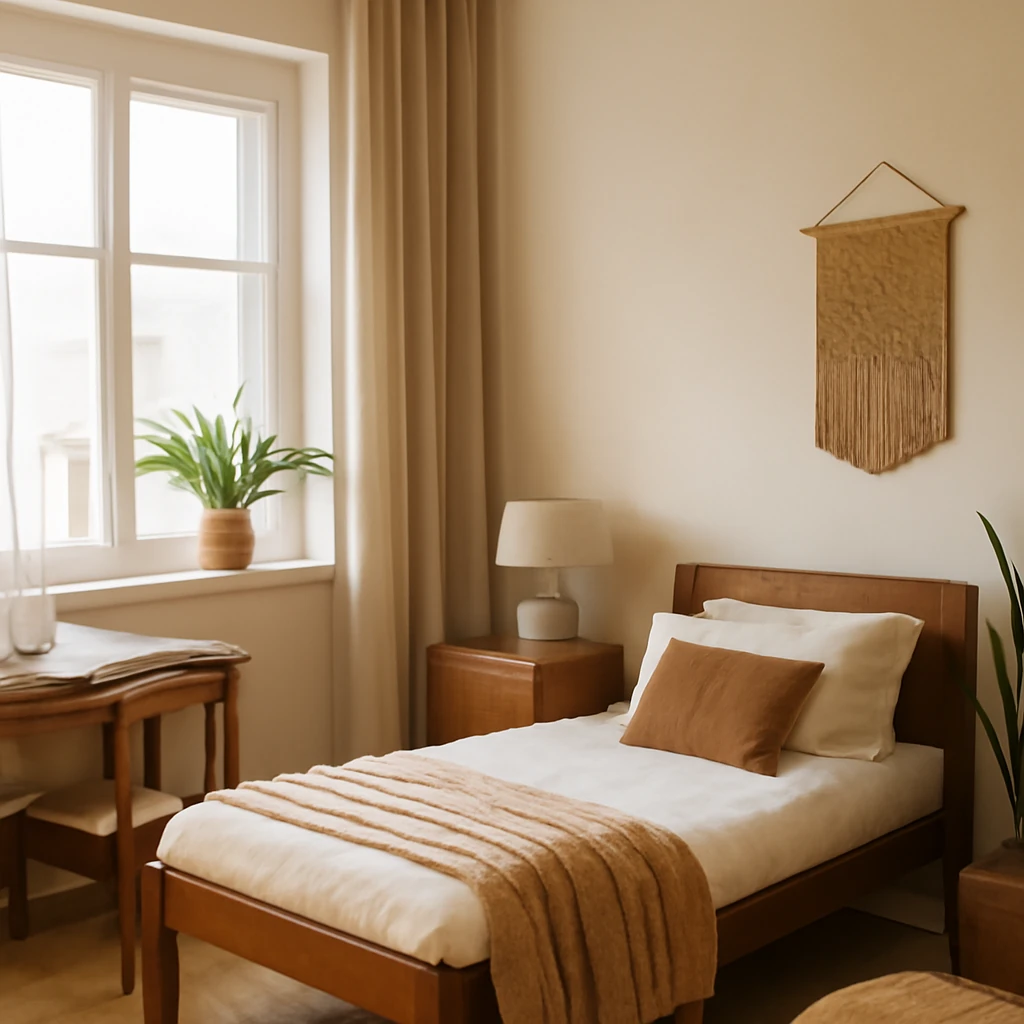
Key Features of a Teenage Boy's Bedroom
Designing a room for a teenage boy demands a careful balance between personal expression, practicality and long-term durability. Across European homes, a teenager’s space should feel like a sanctuary for study, sleep and socialising, while also serving as a platform for identity and creativity. The best projects reflect the boy's interests and aspirations, rather than relying on a one-size-fits-all template. In practice, a teenage room should be bold enough to express personality but disciplined enough to stay calm and organised amid the daily energy of adolescence.
- Highly personalised: the room should express the teen's hobbies, lifestyle and ambitions. A thoughtful design helps him feel seen and invested in the space, turning it into a studio for growth rather than a generic dormitory.
- Multi-functional: a compact room must accommodate at least three distinct zones - work, rest and recreation - while leaving space for friends to gather. The best layouts blend semi-permanent furniture with flexible systems that can reconfigure as needs change.
- Practical: materials and finishes must withstand years of active use, with easy maintenance and good durability. In European homes, this often means robust finishes, washable textiles and furniture designed for frequent rearrangement without compromising integrity.
The teenager years are characterised by rapid shifts in interests and routines. A design that feels tailor-made at 11 may need refinement at 14 or 17, therefore, while it’s essential to capture a current passion, the project should be adaptable for growth. Rather than pursuing a fixed aesthetic, consider a design language that can accommodate evolving tastes with simple, inexpensive updates - such as textiles, wall art, or modular storage systems.
Technology plays a central role in modern teenage rooms. A dedicated workstation is essential, typically including a computer or laptop, with accompanying peripherals. Common additions include printers or scanners, wireless speakers, a reliable router, and an unobtrusive cooling source. If air conditioning is installed, plan for airflow that keeps the sleeping and working zones comfortable without creating cold drafts. In well-insulated European homes, humidity control and air quality are also practical considerations for a healthy, productive space. A growing trend is the smart home ecosystem, with controllable sockets, motorised curtain rails and voice-controlled lighting, all integrated in a seamless, safe manner.
Layout for a Teenage Boy's Bedroom
Layout is a cornerstone of a successful teenage room. On a modest footprint, it’s possible to organise three clearly defined zones: a productive work area, a restful sleep area, and a social or hobby zone. The arrangement should maximise natural light while ensuring comfortable acoustics for study and recreation.
- Work zone near the window: place a desk and ergonomic chair where daylight is abundant. If space permits, consider a low podium or integrated desk within a shelving system to maximise under-desk storage. A well-lit, uncluttered desk helps focus and can accelerate homework completion.
- Sleeping area: position the bed away from direct drafts and bright light, with the option to separate the sleeping space from the study zone using an open bookshelf or a panel wall. A compact bed with built-in storage or a small shelf cluster nearby keeps essentials close at hand while conserving floor space.
- Hobby and social zone near the entrance: an inviting nook for relaxing, reading or meeting friends. This zone can feature a cosy chair or small sofa, a modular coffee table, and accessible shelving for books, records or equipment. If the room doubles as a study area for two, consider a shared desk with integrated storage and a two-person chair arrangement.
When space is tight, you can combine storage with seating, use wall-mounted furniture to free floor area and employ zones created by low bookcases, felt panels or soft partitions. In European flats and townhouses, clever vertical storage and window-nook seating can liberate precious square metres without sacrificing comfort.
Colour Palette
Colour helps set the mood and supports focus without overwhelming the senses. Designers often remind us that colour can be a potent stimulant, so a balanced approach is essential. A quiet base of whites, soft greys, beiges or taupe provides a clean canvas for changing accents. For the teenage boy, the colour strategy should be adaptable and durable, allowing easy updates through textiles and accessories rather than complete redecorations.
- Bright hues inject energy and optimism when used sparingly as accents - think a bold chair, a rug or a poster within a restrained palette.
- Muted tones cultivate relaxation and stability, ideal for the sleeping and study zones.
- Earth tones such as brown and ochre convey warmth and comfort, while green introduces subtle natural cues.
- Neutral backdrops create a sense of openness, especially important in smaller rooms, where light neutral walls can make the space feel airier.
In all cases, it is wise to choose a colour plan that can be refreshed through textiles, cushions, and wall art rather than through major structural changes. The goal is a cohesive, expressive space that remains coherent as the teen’s tastes evolve.
Finishes and Materials
For a teenager’s room, safety, durability and easy upkeep trump all else. Choose materials that resist wear, are easy to clean and have a long service life. In Europe, it is common to prioritise low-emission finishes and materials that meet stringent safety and sustainability standards. Surfaces should be able to withstand active daily life, and textiles should be easy to launder.
Walls
The simplest and most cost-effective option is durable wallpaper or paint with a washable finish. A neutral backdrop works well with framed posters or lightweight textiles. A feature wall in a muted colour or subtle texture can provide a focal point without overpowering the room. If poster walls are preferred, consider frames with slim profiles to keep the look tidy and adaptable.
Ceiling
Ceiling treatments should be practical and low-maintenance. A smooth painted surface helps reflect light, while a recessed lighting plan can reduce glare on screens. If ceiling design is used to zone space, consider a subtle variation in tone or a micro-slat effect to add depth without creating visual clutter.
Floor
Flooring should be warm underfoot and resilient to knocks and spills. Practical choices include durable vinyl or laminated wood-look planks, which are easy to clean and maintain. If playing sports or music is a regular activity, consider an additional area rug or play mat to protect high-traffic zones while softening noise.
If musical practice is part of the teen’s routine, plan for light sound insulation without turning the room into a soundproof studio. This can be achieved with appropriate wall materials, closed storage and soft furnishings that absorb sound rather than reflect it.
Zoning the Room
The teenage space should be a sanctuary that supports concentration, rest and social life. A well-considered zoning strategy makes it easier to stay organised and reduces distractions. The following blueprint offers a practical approach for most European urban and suburban bedrooms:
Study zone near a window for natural light. A desk should be proportional to the teen’s height and ergonomically wired with sufficient space for a computer, printer and storage. If space is limited, a compact console table or a shelf-integrated workstation can be a clever alternative.
Sleep zone should have a comfortable bed with a supportive mattress and accessible storage. Consider a bed with under-bed drawers or a lift-up mechanism in a smaller room to maximise storage without sacrificing precious square metres.
Rest and social zone invites friends and offers a casual retreat. A compact sofa or modular seating can be paired with a coffee table and a wall-mounted bookcase for instant access to books, devices and game consoles. When space is tight, a modular seating system that can be rearranged is invaluable.
Hobby and activity zone may be a dedicated corner for music practice, sport equipment, drawing or gaming. In many European homes, attaching a gym-style wall bar or a small seating area adjacent to a balcony or loggia can extend the usable area without sacrificing interior unity.
Choosing a Style for a Teenage Room
The stylistic direction should reflect the teen’s personality and interests. While it is tempting to chase the latest trend, the most enduring spaces are those that blend a resilient foundation with flexible accents. Here are several style possibilities that work well for European homes, each offering a distinct character while maintaining practicality.
Minimalism
Minimal interiors are widely regarded as versatile and age-proof. For a teenage boy, a restrained palette - predominantly greys with natural wood accents - offers a timeless backdrop for expressive details. A clean, organised environment supports focus and reduces visual noise, while modular storage enables easy reconfiguration as needs change.
Loft
A raw, masculine loft can feel empowering for older teens. Elements such as exposed brick or brick-effect panels, timber flooring, vintage-inspired lighting and bold, statement storage units convey an adventurous, grown-up mood. Use restrained, purposeful accents to prevent the space from becoming visually heavy.
- Industrial lighting and rugged textures reinforce the loft vibe.
- Keep a balance between texture and restraint to avoid a cluttered look.
- Choose storage that remains organised and functional for daily life.
Scandinavian
Clean lines, pale timber and restrained colour palettes characterise the Scandinavian approach. It’s a forgiving style for teenagers because it emphasises calm, order and practicality. Introduce a few bold accents - perhaps a chair in a favourite colour or a graphic textile - to keep the space lively without compromising the calm core.
Hi-tech
For gaming and digital hobbies, a hi-tech aesthetic can be highly appealing. Textured concrete or plaster finishes paired with sleek, modular furniture and LED details create a futuristic mood. Plan for cable management and a dedicated tech charging station to maintain a tidy look.
Classic
A classic mood - dark woods, comfortable upholstery and refined details - appeals to teens seeking legacy and quality. Subtle architectural mouldings or a faux boiserie panel can add depth without feeling old-fashioned, while contemporary furnishings keep the space current.
Kitsch
For the more audacious teen, a kitsch-inspired room can be a creative outlet. Bright, saturated colours, bold graphics and playful forms invite experimentation. The key is to avoid overload by reserving the most intense elements for small surfaces or accent zones.
Nautical
A sea-inspired scheme often resonates with younger teens who love exploration and travel. Subtle maritime cues - soft blue accents, rope textures, and striped textiles - can create a cohesive theme without feeling juvenile. Keep the palette restrained to preserve a grown-up vibe.
Space and Ethnic Themes
Cosmic motifs can be implemented in a minimal framework using a neutral base with starry ceilings or wall decals, while ethnic aesthetics can introduce rich textures through natural materials and artisanal textiles, provided they are kept coherent with the rest of the room.
Ideas for Decorating a Teenage Room
Study zone
Keep the study area free of visual clutter. A desk with adjustable height, a comfortable chair and adequate task lighting support good posture and sustained concentration. Consider storage solutions that keep textbooks, stationery and devices neatly behind doors or in shallow drawers to maintain a calm surface.
Sleep and rest
The sleeping area should offer a sense of retreat. A bed with a sturdy frame and a high-quality mattress is essential. If space allows, position the bed so that it forms a quiet corner, with soft lighting that can be controlled independently from the rest of the room. A small, plush chair or a compact sofa can boost comfort for reading or relaxing before sleep.
Zone for hobbies
Dedicated corners for music, sport or art can energise a room while keeping it organised. A stand for a guitar, acoustic treatment near a practice wall, a fold-out easel or a compact gym area near a balcony or storage alcove can all be integrated with careful planning. Ensure the space has good ventilation and noise control, especially if practice is regular.
Music
A music corner could feature a stand for guitars or other instruments, a wall hook system for accessories and a compact stool. Posters or framed prints of favourite artists can add personality, but avoid overcrowding to preserve room for other functions.
Sport
For a sporty teen, a wall-mounted rack, a foldable punch bag or a small climbing element can be integrated into the room’s structure. Pair this with a safe, durable flooring solution to handle impact and protect joints during exercise.
Drawing and Art
For budding artists, a bright, well-lit drafting space with a sturdy easel, accessible art supplies and vertical storage helps sustain creative momentum. A windowsill or wall-mounted shelf can hold frequently used tools and papers for quick access.
Guest Area
The room should accommodate guests in a comfortable, discreet way. A sofa that doubles as a bed or a compact modular couch can provide sleeping space for visitors. If space is tight, a cosy reading nook with a couple of cushions can serve as a sociable retreat for friends without dominating the room.
Lighting and Decor
Lighting should be versatile and layered, combining ambient, task and accent illumination. A well-balanced scheme improves mood, focus and safety. Consider the following approach:
- Local task lighting: an LED desk lamp with adjustable brightness keeps the study area well lit for concentration and reduces eye strain.
- Sleeping area lighting: a wall light with adjustable arms or a small ceiling pendant allows reading without disturbing others. Consider dimmable options to tailor the light level for evening routines.
- Social zone lighting: a compact floor lamp or ceiling track lights with dimmers provide a comfortable ambience for hanging out with friends.
General lighting should be even and diffused. Recessed ceiling lights or a discreet ceiling track can offer broad illumination while keeping the space clean and contemporary. If a student spends evenings watching videos or playing games, ensure LED lighting has a neutral colour temperature to avoid excessive blue light before sleep.
Window treatments should be functional and understated. Roller blinds or Roman shades in natural fibres offer a neat look and easier maintenance. Avoid heavy fabrics with loud patterns, instead, opt for materials that can be easily cleaned and that resist fading from daylight. Textiles should be comfortable, durable and easy to wash, in keeping with a practical European interior language.
Decor should feel personal, not cluttered. Teenagers often curate their own posters and accessories, and a flexible display wall or modular shelving lets them refresh the space as interests change. This approach supports growth while keeping the room coherent and easy to maintain.
Furniture that Supports Growth
For teenagers, furniture must be robust, adaptable and easy to reconfigure as needs change. The aim is to invest in pieces that will last through several years of growth, while providing the flexibility to adapt to shifting routines and hobbies.
Bed
A full-size bed with a sturdy frame and a high-quality orthopaedic mattress is important for healthy sleep. If space is limited, consider a bed with integrated storage or a lofted design that places a workstation underneath. Ensure that any elevated bed is engineered for safety and complies with European standards for furniture safety and fire resistance.
Wardrobe
Organised storage is crucial for keeping a room tidy. A built-in or freestanding wardrobe with a combination of hanging space, shallow drawers and adjustable shelves helps manage clothing, shoes and equipment. If space is tight, consider a modular wardrobe system that can be expanded or reconfigured as the teen grows.
Desk and chair
The study desk should be height-adjustable to support good posture and long-term comfort. An ergonomic chair with lumbar support is essential for healthy spinal alignment. A practical rule of thumb is a desk width of around 120 cm and a total depth of 60 cm to accommodate a computer, monitor and writing space, with the chair able to move freely beneath the desk.
Accounting for Age: A Teen's Design Through the Years
11–12 years
At this stage, tastes are just emerging, and the room should be flexible enough to adapt to growing interests. Choose simple finishes and robust, transforming furniture that can accommodate a child’s changing needs. Storage for toys and hobbies should be accessible, and the space should be calm enough to support early studying habits and reading routines.
13–14 years
By early adolescence, the teen starts to form personal style and preferences. Engage him in the design conversation: talk about layout, colours and storage options. A shared approach promotes ownership and reduces resistance to changes later on. Modular furniture and adjustable storage will help accommodate new hobbies and shifts in routine.
15–16 years
During mid-to-late teens, self-expression becomes more pronounced. The room can begin to reflect a more defined identity with posters, banners, and carefully chosen accessories. It’s a good moment to offer more autonomy in choosing a theme or detailing - while maintaining practical boundaries to keep the space coherent and navigable.
17 years
By 17, many teens are focused on study and future plans. The space should feel like a retreat that supports concentration and ambition. Consider updating the work area with more mature finishes and a layout that supports independent study, balancing it with a comfortable area to unwind after study sessions.
Useful Tips
When designing a teenage room, designers offer practical guidance to ensure a space that is both stylish and workable:
- Co-create the space with the teen to align with needs and preferences, reducing the risk of a space that feels imposed or irrelevant.
- Prioritise transformable layouts - sliding partitions, elevated platforms, and shelf systems that act as room dividers help to maximise the usable area without sacrificing openness.
- Plan for sound isolation where music, video content or gaming is common, to avoid disturbances and maintain a comfortable living environment.
- Choose durable, affordable finishes and materials designed for high-traffic use and easy maintenance.
- Opt for furniture with multi-functional capabilities - beds with storage, sofa beds, or modular units that can reconfigure for different needs.
- Maximise the room’s geometry by using alcoves, niches and external spaces like a balcony or loggia to extend the usable footprint when possible.
Final Thoughts
A teenage room in a European home should be a dynamic, personal space that can adapt as a boy grows into a young man. The best designs strike a balance between a quiet, restorative environment and a bold, expressive stage for growth. By focusing on adaptable layouts, durable materials, thoughtful lighting and a flexible style language, you create a room that serves as a reliable foundation for study, rest and everyday life. The aim is a room that ages gracefully with the teen, while remaining a place that feels distinctly his own.
You may also like these articles
 Tips & How-To
Cleaning Wallpaper in Europe: A practical guide to safe maintenance
A practical European guide to cleaning wallpaper without damage.
Bathroom Design
Grey Bathrooms Across Europe: Colour Schemes, Finishes and Design Ideas
A European guide to chic grey bathrooms with palettes, textures and clever details.
Small Spaces
Six Smart Plans for a 10 m² European Bedroom
Small in size, big on style: six 10 m² bedroom ideas.