
Explore interior trends, AI design insights, styling guides and real transformations
Wall mouldings in interiors: stylish ideas, pairings and zonal uses
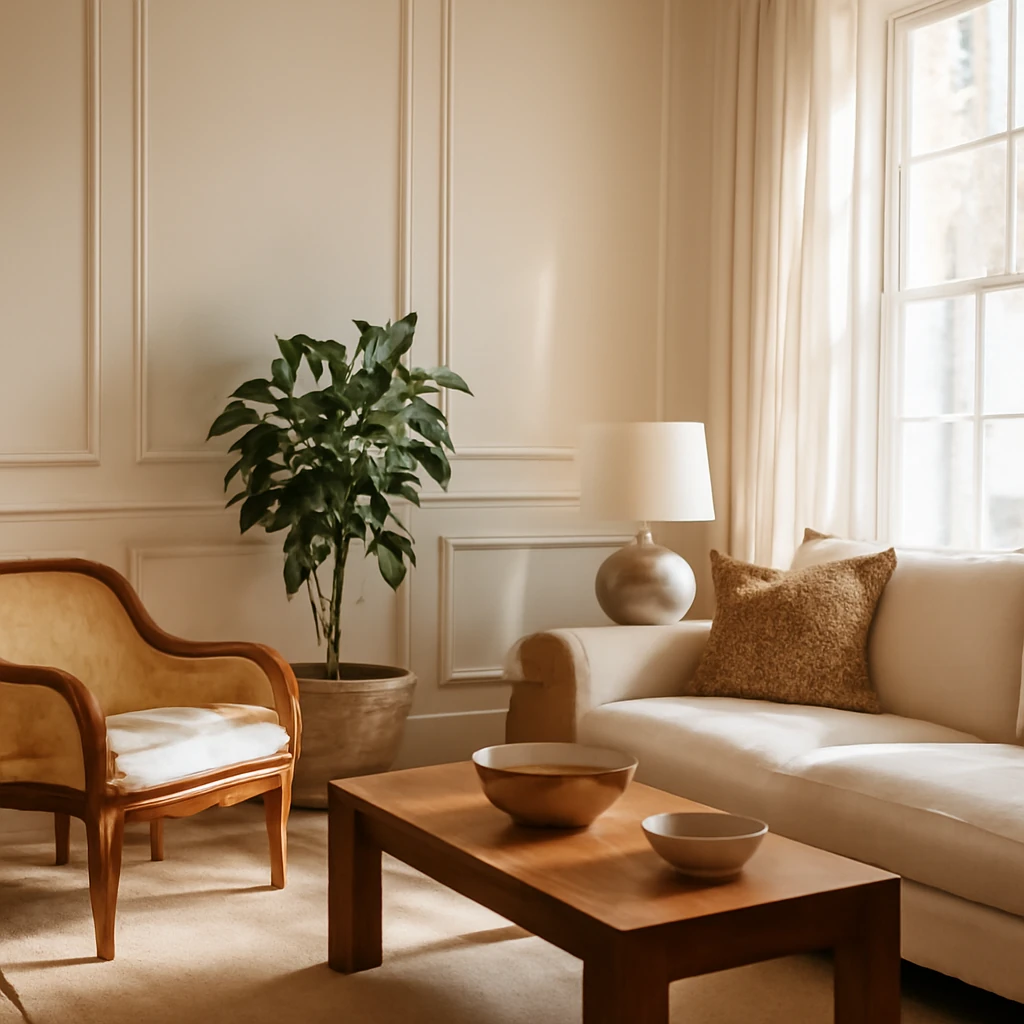
Introduction: the quiet luxury of wall mouldings
Wall mouldings offer a refined, non-intrusive way to shape spaces. In contemporary European interiors, decorative strips can add texture, depth and character without overwhelm. They are equally at home in compact city apartments and in generous townhouses, complementing a wide range of aesthetics from restrained minimalism to romantic classicism. Used thoughtfully, mouldings can accentuate architectural features, conceal architectural junctions, and guide the eye through a room with a subtle, confident hand.
What are wall mouldings?
Wall mouldings are decorative railings or trims that are fixed to flat surfaces such as walls, ceilings, or furniture façades. They come with a flat base and a finished face that can be smooth or richly profiled. Historically rooted in plasterwork and panelling, today’s mouldings span a spectrum from flat, understated edging to intricate, raised profiles. In a modern European context they are routinely used to frame art, create panels, and form simple architectural delineations that bring scale and proportion to a room without resorting to heavy ornament.
Practically, mouldings allow interior designers to personalise spaces, softening lines and adding a discrete layer of texture. They can be applied vertically, horizontally, or diagonally, used alone or clustered into framed panels, and paired with different decorative elements to craft a cohesive look. In addition to aesthetics, they offer functional benefits such as visually balancing wall surfaces, concealing joints where walls meet wallpaper, or visually heightening ceilings when used in a continuous vertical rhythm.
Materials and profiles: choosing the right moulding for European homes
Choosing the material and profile of a moulding affects its appearance, durability and practicality. The European market offers a wide range of options, each with its own strengths and limitations. The most common materials are gypsum, polyurethane, polystyrene, metal, wood and MDF. Here is a concise guide to each, followed by notes on flat versus relief profiles and typical widths.
Gypsum
Gypsum mouldings are prized for their refined, sculptural quality and the ability to form complex voluminous shapes. They achieve a very high-end look and can be finished with paint or plaster to blend seamlessly with walls.
- Pros: luxurious appearance, excellent detail, durable when properly protected from moisture, suitable for ceiling and wall applications in dry rooms.
- Cons: heavy, sensitive to humidity, more challenging to install, higher cost and longer lead times.
Polyurethane
Polyurethane is the most versatile material for contemporary interiors. Lightweight, robust, and highly flexible, polyurethane mouldings resist heat and moisture well, respond well to painting, and can be moulded into complex shapes that would be difficult with other materials.
- Pros: very light, highly durable, easy to paint, can be cut and curved to suit curved walls, arches and corbels, less prone to cracking than plaster.
- Cons: needs proper sealing to prevent moisture ingress in damp spaces, lower heat resistance compared with metal or stone in some contexts.
Polystyrene (foam)
Polystyrene mouldings are affordable and lightweight, making them a practical option for budget-conscious projects or quick renovations. They are generally easy to install and suitable for dry interiors.
- Pros: ultra-light, easy to handle and install, inexpensive.
- Cons: less durable, can be prone to dents, not ideal in high-traffic areas, can yellow over time if not treated or finished properly.
Metal
Metal mouldings - often aluminium or stainless steel - provide a crisp, contemporary edge and a striking contrast to plaster or paint. They are most commonly used as accents in modern, industrial-inspired interiors.
- Pros: durable, creates a modern, high-contrast look, easy to clean.
- Cons: can feel cold if overused, not universally suited to all European home styles, higher cost.
Wood
Wooden mouldings retain a warm, tactile aura and are highly versatile. They can be stained, painted or left natural, and work beautifully in traditional or rustic-inspired interiors. However, wooden mouldings are sensitive to humidity and can warp in damp environments, so they are less suited to bathrooms or shaded, humid spaces unless properly treated and sealed.
- Pros: warm, traditional appeal, easy to customize, durable with proper finishing.
- Cons: vulnerable to moisture and temperature changes, heavier than synthetic options, may require more maintenance.
MDФ (MDF)
MDФ mouldings offer a cost-effective alternative to solid wood with good stability and a smooth finish. They take paint and stain well, making them a popular choice for contemporary schemes.
- Pros: affordable, smooth profile, good paint adhesion, more uniform than natural wood.
- Cons: less durable against impact, susceptible to moisture if not properly sealed, repair can be more noticeable than on wood.
In addition to materials, mouldings vary in profile: flat (clean, restrained lines) or relief (with raised, carved faces). Flat profiles suit minimal and modern interiors, while relief profiles pair well with classic, romantic or eclectic schemes. Widths range from slender 2–3 cm to sizeable 20 cm or more, the tighter the room, the narrower the profile tends to be to avoid visual heaviness. Most mouldings are sold white or ivory and are designed to be painted to match or contrast with wall finishes, allowing designers to realise precise colour schemes across a space.
How to pair mouldings with other finishes
Wall mouldings are inherently versatile. They harmonise with decorative plaster, mineral plasters, paint, stone, and wood panelling, and they frequently appear layered with wallpaper to create refined panel effects. When used with wall coverings, mouldings can frame a feature wallpaper, create restrained geometric grids, or form nested frames around art or mirrors. They can also be employed in contrast: white mouldings on coloured walls or coloured mouldings on pale walls to echo other decorative accents in the room.
For an added sense of luxury, decorative mouldings can be combined with marquetry, rosette ceiling motifs, or ornate plasterwork. In more pared-back interiors, pairing subtly profiled mouldings with large-scale wall finishes - such as velvety paint or a matte plaster - can deliver a modern, tactile charm. The key is cohesion: the profile, finish, colour and scale should relate to other architectural details and furniture in the room rather than compete for attention.
Design strategies: using mouldings as a deliberate decor element
As a standalone decorative feature
Many spaces benefit from a restrained approach where the mouldings are the hero. Vertical battens or a simple grid can create a calm, architectural rhythm in minimal schemes. Conversely, highly decorative, serpentine or foliate patterns can act as a focal point in a more romantic or eclectic setting. For a well-balanced composition, consider a limited palette - white mouldings on a soft colour or a single-colour finish with a subtle sheen - and ensure the surrounding walls are kept clean and uncluttered to let the mouldings breathe.
In combination with other decor
Layering mouldings with other forms of decoration is a powerful way to create a curated, gallery-like feel. Use mouldings to frame an artwork, a large mirror, or a console vignette. Group several frames of mouldings at the same height to form a uniform rhythm, or stagger different-width frames to inject a sense of movement. If you employ mouldings with ornate profiles, balance them with simpler furniture and restrained fabrics to avoid visual overload. The palette can be monochromatic to keep the look serene, or you can echo a colour from the room’s textiles in the moulding finish for a cohesive scheme.
For zoning and space definition
In open-plan flats and homes, mouldings can subtly mark zones without heavy partitioning. A continuous line of mouldings from floor to ceiling can visually separate living and work areas, or a band of mouldings around a dining area can define the space without interrupting sightlines. When used for zoning, maintain a consistent vertical or horizontal rhythm across adjoining zones to preserve a sense of harmony. You can also combine mouldings with lighter wall finishes in work zones to reduce glare and create a calmer backdrop for focus work or study.
Applying mouldings in different rooms: guidance for a European home
In the living room
The living room is a stage for personality, but it benefits from restrained decoration. Mouldings here should aim to enhance, not overwhelm. Slim panels around a feature wall can frame a piece of art or a sleek fireplace surround, while a broader border near the ceiling can elevate the room’s proportions without dominating the space. If the room is compact, opt for narrow profiles or a couple of framed panels to create a sense of structure without shrinking the walls visually. In larger rooms a combination of frames and horizontal bands can articulate the wall plane, supporting a balanced composition with the sofa and seating arrangement.
In the bedroom
Bedrooms favour calm, restful finishes. Headboard framing is a classic approach: mouldings around the bed can mimic a built-in headboard and create a cosy, refined vignette. It is wise to keep colour in the same family as the walls or to use a soft metallic or pearlescent finish for a touch of warmth. In smaller bedrooms, limit the scale to slender profiles lining the wall behind the bed or forming a simple picture frame around a focal moment at eye level, such as a piece of art or a mirror, to avoid overpowering the space.
In the kitchen
The kitchen demands durability and ease of maintenance. For walls, avoid heavy plaster or timber near high humidity areas. Polyurethane or MDФ mouldings are well suited here, they are paintable and easier to clean than plaster. In kitchens, simpler profiles with smoother faces are practical as far as cleaning is concerned. If used near cooking zones, position mouldings away from areas prone to splashes and heat, and ensure finishes are sealed to resist moisture. Light-colour mouldings can brighten workspaces and visually extend the room, while matching mouldings to cabinet colours creates a seamless, professional look.
In the children’s room
Children’s spaces benefit from robustness and safety. Polyurethane mouldings are often preferred for their resilience and lighter weight. Choose profiles with gentle curves and avoid overly sharp corners that could pose a hazard during play. For walls that may encounter scuffs or marks, opt for paintable finishes and select washable paints for the walls and mouldings alike. Neutral tones that blend with the room’s palette create a calm backdrop for study corners and play areas.
In the hallway and entry
The hallway is a practical zone that benefits from a modest approach. Simple, slim mouldings or a repeated border along the corridor can create a sense of continuity as you move through the home. Consider extending the moulding across the entry door frame to unify the look of the approach and the interior. Hallways offer a quiet opportunity to set a sophisticated mood before entering more social rooms, keep the palette restrained and the profile modest to avoid a cluttered feel.
Practical considerations: installation, maintenance and sustainability
Successful application of wall mouldings depends on preparation, correct adhesive choice, and proper finishing. Here are pragmatic guidelines to help ensure a durable, beautiful result across European homes.
- Surface preparation: ensure walls are clean, dry and smooth. Any irregularities should be addressed prior to installation to avoid telegraphing through the moulding.
- Adhesive and fixings: gypsum and MDF mouldings often require a robust adhesive and may benefit from mechanical fixings, particularly for larger, heavier profiles. Lightweight polyurethane or polystyrene mouldings can be secured with high-quality bonding agents, nails or screws should be used sparingly and discreetly where appropriate.
- Finishing: most mouldings are designed to be painted. Prime and seal surfaces before painting to improve adhesion and uniform colour. If the mouldings are to remain white, a satin or eggshell finish can help resist fingerprints and wear in busy areas.
- Moisture management: avoid gypsum in bathrooms or damp spaces unless specifically rated for humidity. In kitchens and wet rooms, opt for moisture-resistant materials and ensure joints are well sealed.
- Maintenance: regular dusting with a soft cloth is usually sufficient. For painted profiles, touch-up paint can keep them looking fresh, avoid abrasive cleaners that could mar the surface finish.
- Sustainability: consider materials with responsible sourcing and low environmental impact. Recycled or rapidly renewable options, such as MDF with low-formaldehyde emissions and responsibly sourced timber, align with contemporary European sustainability goals.
Design and installation tips: achieving a balanced, timeless look
To create interiors that stand the test of time, follow a few pragmatic rules when selecting and placing mouldings.
- Scale is everything: in smaller rooms, keep profiles narrow and shapes simple. In larger spaces, you can experiment with broader borders or multiple frames without overpowering the walls.
- Coordinate with the room’s architecture: mouldings should reinforce existing lines - window reveals, door frames, ceiling coves - rather than fight with them.
- Keep a consistent rhythm: align moulding joints with architectural elements and furniture positions to create a cohesive flow.
- Pair with restraint: a single well-chosen feature, such as a framed wall panel or a decorative border around a fireplace, often has more impact than multiple competing patterns.
- Finish with intention: white or neutral mouldings are versatile and timeless, but colour can be used strategically to highlight architectural features or to echo textiles and upholstery.
- Consider light and shadow: relief profiles cast subtle shadows that change with daylight. Plan their position to interact with natural light and artificial lighting for dynamic effects throughout the day.
Case study: a compact European apartment plan with walls that speak softly
Imagine a contemporary city apartment with an open-plan living area, a compact kitchen, a welcoming hallway, a cosy bedroom and a small work nook. The design strategy uses a restrained palette of warm whites and soft greys, with mouldings applied to create a sense of structure without adding visual bulk.
The living area features a slim, raised border around the perimeter of the ceiling to subtly heighten the room, while a grid of shallow frames on one wall introduces a refined gallery-like atmosphere for art and mirrors. In the kitchen, a simple, straight-edged profile runs along the wall above the cabinets to create a finished edge that’s easy to wipe clean. The bedroom relies on a low-profile surround framing the bed wall, painted in a satin blue-grey that harmonises with the textiles while the mouldings maintain a quiet, intimate rhythm. The hallway uses a continuous line of narrow borders to unify the corridor and the living space, complemented by a matching frame around the front door to reinforce a cohesive entry sequence.
This approach demonstrates how mouldings can be a unifying thread in a modern European home, providing architectural clarity and tactile warmth without sacrificing practicality.
Maintenance, care and ongoing refreshes
Like any decorative element, wall mouldings benefit from regular assessment. Look for signs of moisture intrusion in humid rooms. If paint begins to crack or peel, that is usually a sign that underlying material needs attention or moisture is present. Re-painting is a straightforward way to refresh a look, because mouldings are typically less exposed than walls, touch-ups are often simple and cost-effective. For ambitious refreshes, slightly changing the colour temperature of the room - warmer whites in winter, cooler whites in summer - can dramatically alter the perceived scale and mood without major renovations.
Choosing a professional: what to ask when planning mouldings in a European home
Engaging a skilled interior professional to plan and install mouldings can save time and ensure a refined outcome. When briefing contractors or designers, consider the following:
- Material selection: discuss the room’s humidity, use, and desired finish to determine whether gypsum, polyurethane, MDF, or another material is best.
- Profile and scale: provide a clear sense of the room size, ceiling height and furniture layout to avoid overly heavy work or insufficient detailing.
- Joining and installation: ask about adhesive systems, securing methods and whether mouldings will be moulded to touch-ups or require templating for curved walls or arches.
- Finish and colour strategy: decide whether to keep mouldings white, tone-match to walls, or paint in a contrasting colour, consider the type of finish (matte, satin, gloss) based on light and wear.
- Maintenance plan: discuss cleaning regimes and long-term maintenance, especially in kitchens, bathrooms and high-traffic areas.
Closing thoughts: wall mouldings as a timeless instrument for European interiors
Wall mouldings offer a timeless yet flexible tool for shaping interiors. They are a quiet form of luxury that can harmonise with a wide range of design languages - from serene Scandinavian-inspired spaces to richly textured, romantic rooms. The key to success lies in thoughtful material choice, disciplined proportion, and a cohesive overall palette. When used with care, mouldings elevate the atmosphere of a room without screaming for attention, allowing furniture, textiles and lighting to do the talking while the walls provide a subtle, elegant frame for everyday life.
You may also like these articles
 Tips & How-To
Mastering shoe storage in European homes: practical design solutions
Smart, stylish ways to store shoes across European homes.
Colour & Materials
Mint Colour in Interiors: How to Use and Pair Effectively
Fresh, versatile mint tones for European homes—how to use and pair.
 Trends
Bedroom Curtains 2025: Trends, Tips and Styles for European Homes
Explore 2025 bedroom curtain trends, colours and layering ideas for stylish European homes.