
Explore interior trends, AI design insights, styling guides and real transformations
How to Create a Budget Kitchen with Taste: Practical Tips
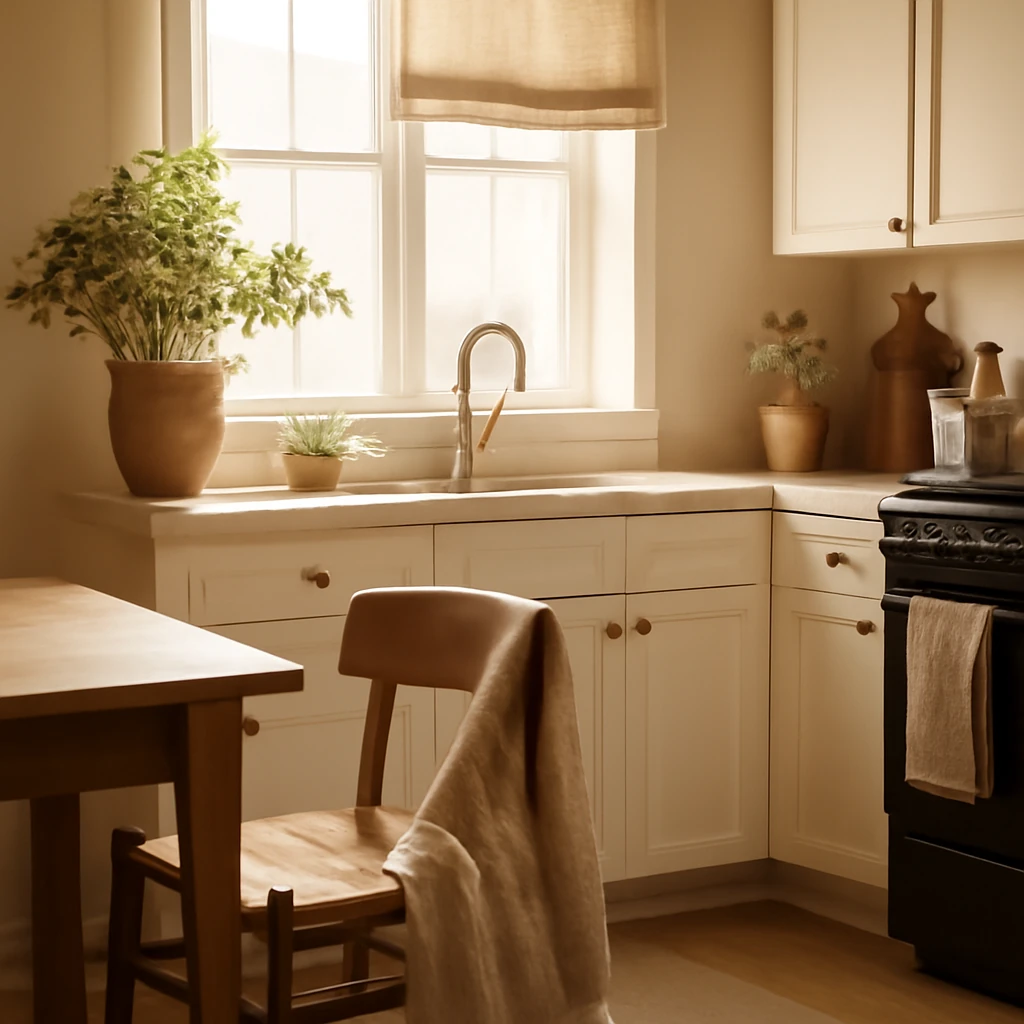
Designing a kitchen on a budget: taste without compromise
In contemporary European homes - from compact city flats to spacious open-plan layouts - the desire for a stylish, functional kitchen often meets a tight budget. The good news is that budget does not have to mean a lack of quality or personality. With thoughtful planning, the right materials, and strategic fittings, you can create a kitchen that reads as cohesive, modern and well considered - without overspending.
Budget-friendly kitchen design hinges on three pillars: intelligent storage and layout, durable yet affordable finishes, and a lighting plan that makes every metre feel purposeful. By focusing on modular systems, standardised sizes, and materials that balance durability with price, you can achieve a high-end look at a humane cost. Below is a practical guide to realising this in a European context, with tips you can apply whether you’re renovating a compact apartment, a family home, or a city-centre loft.
Core components of a budget kitchen
To keep costs controlled, treat the kitchen as a carefully curated collection of elements that can be upgraded over time. The essentials include cabinetry, the configuration of the space, essential fittings, appliances, and the choice of finishes. Let’s break down each area and explore affordable, workable options.
Cabinetry: materials, fronts and finishes
The kitchen unit is typically the most significant expenditure. While solid timber fronts convey a premium feel, they’re rarely the most budget-friendly option. In European contexts, cost-effective alternatives include:
- Melamine-faced particleboard (MDF/particleboard): A reliable core with a durable laminate finish that realistically mimics wood, stone, or solid colours. It’s affordable, stable and easy to maintain.
- Laminate or vinyl-wrapped doors: These provide a broad range of looks - from warm neutrals to bold colours - without the heft of solid wood or veneer.
- Melamine panels with simple edges: A budget-friendly solution for flush, handleless fronts that read modern and streamlined.
- Limited veneer or faux-veneer options: Veneer can be used selectively on feature doors to elevate the look without inflating costs.
- Glass fronts sparingly: If you must have a glass front, choose a simple framed panel or opt for glass without a deep bevel to keep costs in check.
For the worktops, consider:
- Laminate worktops: Durable, easy to maintain and increasingly realistic in texture and appearance. A pragmatic choice for long-lasting aesthetics.
- Solid-surface or composite panels: More expensive but still affordable compared with natural stone, you can opt for a practical, uniformly coloured surface.
- Timber veneer or wrapped timber: A warm option when balanced with cooler tones elsewhere in the scheme.
When budgeting, keep doors and drawers to standard sizes - avoiding bespoke thicknesses and framings will significantly reduce costs. If possible, select straight runs rather than curved or highly intricate configurations, and consider a minimal profile to further reduce fabrication expenses.
Layout and construction: simplifying the plan
The configuration of a kitchen has a direct impact on cost. In most cases, simpler layouts are more affordable. Here are practical guidelines:
- Linear or single-wall layouts: Typically the most economical, especially in narrow spaces or open-plan settings where a long run of cabinetry is possible.
- L-shaped or U-shaped configurations: These offer efficient work zones and storage but can become costly if they require a large number of upper cabinets or unusual module sizes.
- Consider a breakfast bar or peninsula: A space-saving alternative to a full island that still offers a social focal point without the extra cabinetry and fitting costs.
- Open shelving instead of full-height uppers: Reduces cabinetry volume, creates a lighter feel, and can be more cost-effective. If you still want storage, opt for a few standard-height wall cabinets at a lower height.
Increasingly, modular, stock-produced kitchens offer the best value. Ready-to-assemble or modular systems are designed for straightforward installation, often with efficient warranty and after-sales support. They can be customised with a few high-impact fronts to read as bespoke without the price tag of a fully bespoke project.
Fittings and hardware
Fittings can quickly escalate the budget if you opt for high-end brands or complex mechanisms. For a budget kitchen:
- Avoid elaborate pull-outs and corner carousels: Simple, hinged doors and standard slides are reliable and affordable.
- Choose mid-range hardware: Look for robust, mid-tier hinges and drawer runners, they offer good performance at a sensible price.
- Minimise lift systems and soft-clClose features: While convenient, they add cost. Choose standard hinges and straightforward drawer boxes where possible.
- Focus on durability over novelty: Quality materials and good-fitting are more important in the long run than flashy finishes.
Appliances: practical and well-suited to space
Appliances represent a substantial portion of the budget. A balanced approach is to select reliable mid-range models that offer good energy efficiency and essential functions without premium branding. Consider:
- Freestanding vs integrated: Integrated appliances create a seamless look but can raise costs due to additional cabinetry facades. A well-chosen freestanding or semi-integrated set can deliver a clean appearance at a lower price.
- Multi-function units: An oven with a combined microwave function or a compact dishwasher can reduce the need for extra appliances and save space.
- Energy efficiency: Prioritise appliances with solid energy ratings, they save money over time through lower running costs.
Finishes and wall coverings
Walls, floors and backsplashes are crucial to a kitchen’s resilience and appearance. For durability and ease of maintenance within a budget:
- Walls: Washable, durable paints in light neutrals keep the space bright and make cleaning easy.
- Backsplash: A practical and cost-effective choice is large-format ceramic or ceramic-look porcelain tiles, or high-quality PVC panels that mimic stone or brick textures without the price tag.
- Flooring: Vinyl plank or vinyl tiles offer robust wear, water resistance and a wide range of finishes. If aiming for a more premium feel, look for those with realistic textures that resemble wood or stone.
- Ceiling and lighting: A smooth, white-painted ceiling paired with layered lighting can elevate the space. Consider recessed ceiling lighting for task areas and pendant lighting over a breakfast bar for a touch of character.
Decor and atmosphere
A clutter-free, well-lit kitchen reads as expensive even when the budget is modest. Focus on select decor items that add personality:
- Hardware accents: Replace generic handles with a small number of well-chosen, characterful knobs or pulls to add personality without a full redesign.
- Greenery and natural elements: A few plants or a vertical herb garden bring life and colour with minimal cost.
- Textiles and soft touches: If you want warmth, introduce a neutral textile palette - coordinated rugs, towels and a few linen accents can change the feel without overloading the space.
How to keep the interior from feeling dull or predictable
The challenge in budget kitchens is to create a space that feels contemporary and intentional rather than temporary. The goal is to build a timeless core and then layer personality with subtle, cost-effective choices. Here are practical strategies to avoid a flat, generic look.
- Choose a restrained colour base: Soft whites, warm creams, or cool greys create a versatile canvas. Introduce subtle colour through wall paint, a feature tile, or a handful of accessories.
- Keep fronts clean and simple: A smooth, unadorned front with gentle relief or minimal texture looks refined and can be easier to maintain or repaint later.
- Use lighting to stage the space: A layered lighting plan - ambient, task, and accent lighting - adds depth and mood without a price spike.
- Incorporate intelligent zoning: A well-planned work zone with clear separation between cooking, prep, and cleaning reduces clutter and makes the space feel deliberate.
- Think long-term with hardware: A small set of high-quality handles or an integrated rail can upgrade the look without dominating the budget.
Budget-friendly styles for the kitchen: five practical directions
Very expensive materials and ornate finishes are avoidable. Here are five approachable aesthetics that work well in European homes and can be achieved with cost-conscious choices.
- Minimalist and Scandi-inspired: Light colours, clean lines, and open shelving where feasible. Use matte laminates, simple profiles, and a restrained palette to achieve a serene, contemporary look.
- Industrial-inspired: Exposed brick or plaster, concrete-look tiles, and dark metal accents. Use budget-friendly alternative panels and plain doors with metallic handles to imply the look.
- Modern utilitarian: Smooth, handleless fronts, understated worktops, and a monochrome palette with a single warm accent (like timber details) for balance.
- Contemporary classic (neo-classical on a budget): Pair subdued, timeless colours with simple mouldings or a single feature tile for a refined nod to tradition without lavish materials.
- Eco-conscious, sustainable approach: Choose responsibly sourced engineered woods, recycled-texture laminates, and durable, low-maintenance surfaces to create a warm, responsible kitchen that ages well.
Each of these directions can be translated into affordable, practical decisions: standard module sizes, stock finishes, and straightforward installation that keeps labour costs sensible. The key is to plan the space thoroughly and keep a clear distinction between essentials and discretionary elements.
Practical tips for planning and execution
Before purchasing anything, invest time in a thorough plan. It will save both money and frustration once the project begins.
- Measure meticulously: Start with a detailed plan of the space, noting doors, windows, and utilities. A well-measured plan prevents costly changes mid-renovation.
- Prioritise storage efficiency: Opt for modular storage that makes the most of available vertical space and corner opportunities. Corner solutions, pull-out organisers, and tall cabinets maximise capacity without increasing footprint.
- Shop strategically: Compare similar products across reputable retailers, looking for mid-range materials with strong warranties and good durability records.
- Plan for future upgrades: Design in stages where possible. For example, install a robust base kitchen now and reserve the option to upgrade fronts or hardware later as budget allows.
- Consider professional guidance: A consultation with a kitchen designer can reveal cost-saving layouts and materials that you might not have considered.
European realities: adapting to available space and regulations
Across Europe, housing typologies vary - from compact city apartments to larger family homes. Kitchens are increasingly part of open-plan living areas, which affects everything from ventilation and moisture management to acoustics and lighting. While energy codes and safety standards vary by country, the principles of budgeting remain consistent: plan, choose durable, easy-to-maintain materials, and focus on storage and light to create a sense of space. If you’re renovating in a dense urban setting, consider vertical storage, lighter colour schemes to reflect natural light, and energy-efficient appliances to manage running costs over time.
Final thoughts: a measured, stylish approach to budget kitchen design
A well-designed budget kitchen is about clarity, restraint, and intelligent sourcing. By prioritising modular systems, standardised sizes, durable yet affordable materials, and a layered lighting plan, you can achieve a kitchen that feels contemporary, comfortable, and genuinely well considered. The aim is to create a core you love today, with the flexibility to upgrade elements in the future as budgets and needs evolve.
Summary: a practical checklist for budget success
- Start with space and layout: Choose a simple configuration that maximises work triads and storage without overcomplicating the build.
- Pick pragmatic cabinetry: Lean toward MDF or particleboard cores with durable laminate finishes, avoid bespoke fronts unless essential.
- Limit upper cabinets: Use open shelving or one tier of standard-height cabinets to reduce costs and visual weight.
- Opt for economical worktops: Laminate or other affordable composites that mimic natural textures.
- Choose versatile appliances: Mid-range models with essential functions and good energy efficiency.
- Finish with lasting paint and tiles: Hit the balance between washable paints and pragmatic tile choices for backsplashes and floors.
- Layer lighting: Combine ambient, task, and accent lighting to elevate the space without heavy investment.
- Make it personal yet restrained: Small hardware details, plant life and a few textured textiles can add character without inflating the budget.
With discipline, a strong plan, and a clear view of what matters most to you, a budget kitchen can be both beautiful and highly functional. The most important step is to begin with a well-thought-out layout, pick durable, affordable materials, and then layer in personality through lighting and considerate detailing. The result is a kitchen that feels timeless, fits its space, and remains within reach financially.
You may also like these articles
 Small Spaces
From Open Shelves to Hidden Drawers: Building a European Shoe Cabinet
Plan, build, and personalise a versatile shoe cabinet for compact European homes.
Small Spaces
Designing a 12 Square Metre Room: European Compact Living
A practical guide to making a 12m2 room feel spacious, stylish and functional.
Tips & How-To
Transform Your Kitchen with Durable, Washable Wallpaper: Styles, Colours and Expert Tips
Practical kitchen wallpapers for durable, beautiful interiors across Europe.