
Explore interior trends, AI design insights, styling guides and real transformations
The DIY Sofa Slipcover Guide for European Homes
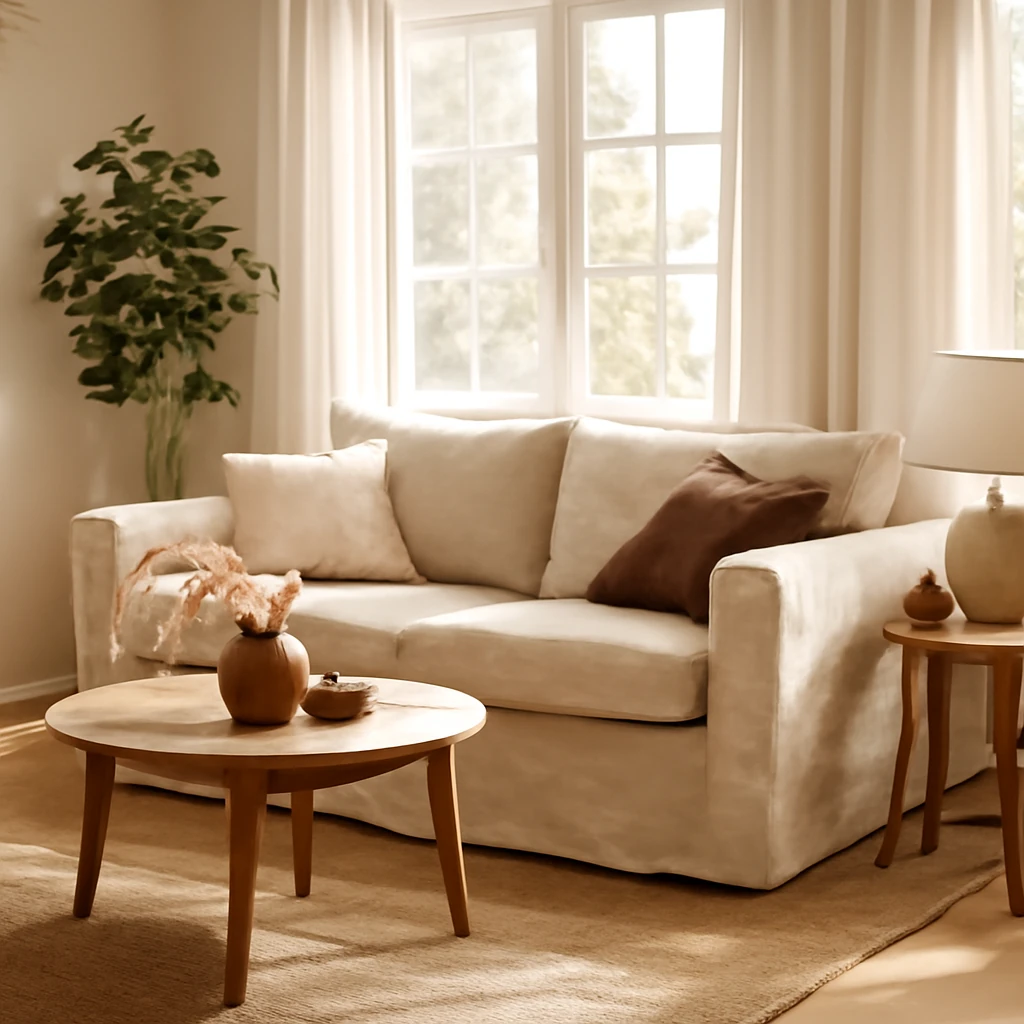
Why slipcovers matter in European living spaces
Across Europe, homes are frequently a blend of heritage and modern living. Sofas are the heart of social life, family space, and quiet evenings alike. A well‑fitting slipcover offers practical protection against everyday life - kids drawing with coloured pencils, pets joining on the sofa, or simply the wear that comes from daily family rituals. A slipcover can extend the life of beloved furniture, refresh a room without buying new pieces, and adapt your interior to changing seasons or moods. The aim is not merely to hide the upholstery but to create a cohesive, breathable layer that respects the sofa’s shape while allowing easy maintenance.
For many households, DIY slipcovers are a tested route to balance comfort, style and budget. In European apartments and homes with varied layouts, the ability to tailor a cover to precise dimensions and fabric needs is invaluable. This guide walks you through the options, materials, measurements and techniques you’ll need to craft a slipcover that fits snugly, wears well and looks designed rather than improvised.
Types of slipcovers
There are several practical approaches to slipcovers, each with its own fit and installation method. Understanding the differences helps you select the right option for your sofa, lifestyle and room layout.
- Stretch slipcovers - made from elasticised fabrics that hug the sofa’s contours. They are quick to fit, forgiving of irregularities, and ideal for families who value rapid changes in colour or texture.
- Three-piece sets - separate covers for the back, seat cushions and armrests. This modular approach offers precise shaping and easier cleaning of individual components.
- One-piece slipcovers - a single, continuous panel with openings for arms and back. They create a seamless, streamlined look but require careful cutting and fitting to avoid sagging.
- Euro-fit or universal covers - designed to work with a broad range of sofa styles without exact measurements. They’re forgiving and convenient, especially for rental properties or rapidly changing interiors.
When choosing a type, consider how you use the sofa, how often you wash or replace the covers, and whether you want to update the look with minimal effort or invest time in a precisely tailored fit. The rest of this guide will help you weigh these options and plan a project that suits your space.
Fabric choices for European homes
Selecting the right fabric is as important as choosing the type of slipcover. It influences durability, comfort, maintenance and the overall aesthetic of the room. Below are common options and how they perform in European environments with diverse climates and living patterns.
Velvet for families with children and pets
Velvet is lush and resilient when properly chosen. A dense weave or a robust pile tends to resist crushing and holds colour well. For households with children or animals, look for velvet with good nap recovery and a high rub count. It remains comfortable to the touch and can disguise light marks better than smoother fabrics. Be aware that velvet shows pet hair and dust more readily, so regular brushing or light vacuuming helps maintain a pristine appearance. Waterproof finishes or stain‑repellent coatings can supplement velvet’s durability in high‑traffic areas.
Practical note
Choose velvet in shades that hide everyday markings, such as dusk blues, charcoal, or rich earth tones. A brushed finish also helps hide light pilling over time.
Microfibre for almost any room
Microfibre is a synthetic fabric that mimics the feel of suede but offers far better maintenance. It resists dust, is quick to clean, and generally tolerates spills when treated promptly. This material is particularly well suited to living rooms and family zones where spills are common and laundry cycles are regular. Some microfibre fabrics are treated with a water‑repellent finish. Always follow label care instructions to preserve softness and colour.
Jacquard for living rooms
Jacquard fabrics feature textured patterns woven into the cloth, producing a refined and durable surface. They stand up well to daily use and add subtle patterning that can elevate a room’s character. The main caveat: velvet’s softer nap or loose fibres may snag on sharp pet nails, whereas sturdy jacquard holds up better to such wear. When selecting jacquard, consider a weave that minimises snagging and colour migration from cushions or throws.
Chenille for bedrooms
Chenille is soft, plush, and inviting, making it a popular choice for bedrooms where comfort is paramount. It resists wrinkling and holds colour well, but it can be more susceptible to pilling or snagging from rough fabrics or nails. If you favour chenille for a bed‑sofa, pair it with a light cleaning routine and avoid aggressive brushing to keep the nap even.
Cotton for children’s rooms
Cotton is breathable, natural and comfortable for kids. Its fibres can shrink after washing, so pre‑washing the fabric before sewing is often advisable. Cotton slipcovers can be a practical option for households that value eco‑friendly materials, easy dyeing, and a modern, casual aesthetic. Keep in mind that cotton may crease more easily and require occasional ironing for a crisp look.
Calculating fabric requirements
Accurate fabric calculation is the foundation of a successful slipcover project. Start by measuring the sofa in its actual state, including every protruding part such as arms, backrests, legs, and any cushions that will be covered. Plan for the seam allowances and potential pattern matching, especially with patterned fabrics or nap directions.
To determine how much fabric you need, follow these steps and keep a little extra as a safety margin for miscalculations or pattern matching. A typical allowance ranges from 10–15% of the computed area, depending on fabric width, pattern complexity and the number of parts being covered. If you are using a one-piece slipcover on a large sofa, err on the side of extra fabric to ensure full coverage without pulling or sagging.
How to measure
- Length: measure along the outer front edge from one end of the sofa to the opposite end, including armrests.
- Seat depth: measure from the front edge of the seat cushion to the back edge where the backrest begins.
- Width: measure from the outside edge of one arm to the outside edge of the other arm.
- Back height: measure from the top of the backrest down to the floor.
- Arm dimensions: measure the width and height of each arm, noting any irregularities or slope.
- Optional chaise or corner sections: if your sofa includes a chaise or corner module, take separate measurements for the extended area and the main body.
With these measurements, you can draft a basic pattern and estimate fabric needs. It’s wise to add a little extra for cushions and for any nap direction or pattern matching. If you’re working with a patterned fabric, plan for more fabric to align the design across parts.
A, B, C, D, E, F, G are helpful as shorthand for planning: A = overall length including arms, B = seating length, C = arm width, D = sofa width across, E = back height, F = seat depth, G = chaise extension (if present). Use a simple table to keep track of measurements and to guide pattern creation.
Tools and preparation
Before you start cutting, assemble a well‑organised workspace and the right tools. A clean, flat surface is essential to lay the fabric and patterns. Gather these items:
- sewing machine capable of handling medium‑weight fabrics
- sharp fabric scissors or shears
- measuring tape or tailor’s tape
- sharp pins and dressmaker’s chalk or fabric marker
- thread in a colour matching the fabric
- marking pencil or chalk for fabric
- Velcro strips or zippers for securing the cover parts
- overlocker or zig‑zag stitch for finishing raw edges
Always pre‑wash fabrics according to their care instructions if shrinkage is a concern, and press them thoroughly before patterning. Freshly washed fabric behaves differently from dry fabrics, so pre‑fitting in a dry run helps avoid surprises once the slipcover is sewn.
How to sew a slipcover for a straight sofa
Pattern creation
The central task for a straight sofa is to develop a pattern that translates the sofa’s geometry into fabric pieces that can be sewn together with neat, secure seams. Start with the main surfaces: seat cushions and backrest. Draft a pattern on paper (newspaper also works). Add 2–3 cm for seam allowances. Attach the pattern pieces with tape and compare them against the sofa to verify fit. If necessary, adjust the outlines and re‑trace onto your fabric.
Independently draft patterns for each armrest. Transfer all pieces to your chosen fabric and prepare for cutting. The goal is to create pieces that align cleanly when assembled and resist distortion during use.
Cutting and sewing
- Wash the fabric first (if advised by the manufacturer) to prevent later shrinkage, iron and lay the fabric face down on a flat surface.
- Place pattern pieces on the fabric, trace carefully with chalk or marker, and cut precisely along the lines.
- Finish the edges with an overlock or zig‑zag stitch to prevent fraying.
- Sew pieces together with a running or usin g‑back stitch for strength. Baste first to test the fit before final stitching.
- Try the slipcover on the sofa. Check for excess fabric and fabric pull, adjust pattern or seam allowances if needed to remove unsightly fullness.
- Stitch final seams with a strong stitch, starting with the major panels. Ensure consistent tension and neat topstitching for a tailored look.
- To improve fit, incorporate elastic at the bottom edges or use discreet zippers or Velcro closures at strategic points.
Slipcovering a corner or modular sofa
Pattern creation
Corner and modular sofas demand more precise patterning due to their geometry. Break the sofa into multiple sections: the main body, the corner segment, and the cushions. Create separate patterns for each section and sew them individually before assembling. For a sofa with a chaise, draft a dedicated pattern for the chaise portion and then combine with the main panels. The principle remains the same: split the fabric into manageable parts that align perfectly when installed.
Ensure nap direction (the way the pile lies) is consistent across all pieces to avoid mismatched textures as you view the sofa from different angles. When possible, align pattern motifs across adjoining sections for a harmonious effect.
Cutting and sewing
The cutting process mirrors the straight sofa approach but with added attention to junctions and angles. After cutting, sew the primary seams first, then tackle the more complex corners. When finishing, double‑check the fit by draping the slipcover over the corner area, ensuring both sides meet evenly and that the corner seams align with the sofa’s geometry.
Modular sofas
Modular sofas consist of individual blocks that can be reconfigured. Each block typically requires its own slipcover, and the seams should be aligned to preserve continuity when modules are rearranged. Measure each module separately, then draft and cut accordingly. To ease the process, select a fabric with high stretch or a modular pattern that can accommodate slight misalignment without drawing attention to imperfection. A flexible fabric makes it easier to slide covers over each module and ensures a tight fit even when configurations change.
When choosing fabrics for modular pieces, consider how frequently you re‑assemble the configuration. Highly stretchable fabrics reduce the effort required for re‑covering each module after rearranging the room.
Slips for sofas without arms
Sofas without arms usually feature broader seat and back panels. The absence of arms means more fabric surface to cover, which can increase the risk of slippage if the cover lacks proper anchorage. Plan for wider bottom hems, consider additional anti‑slip components, and ensure the fabric isn’t so loose that it gathers at the lower edge. Use a combination of elastic anchors and lightweight fastenings to keep the cover firmly in place while maintaining a neat appearance.
Practical tip: for armless or low‑arm sofas, a grid of discreet ties or small Velcro patches at key points can help keep the slipcover from sliding during use, especially on smooth upholstery or leather bases.
In lieu of conclusions: practical tips for a successful DIY slipcover
A DIY slipcover project yields results that depend on careful planning, accurate measurements and fabric selection. Here are concise guidelines to help you stay on track and achieve a professional finish.
- Make thorough measurements. Accurate data ensures you don’t run out of fabric and that the cover drapes evenly. When patterns are complex, measure twice and cut once.
- Choose fabric with an appropriate weight and stretch for the sofa. Lighter fabrics can be easier to handle but may require more frequent adjustments. Heavier fabrics provide structure but demand careful cutting and handling.
- Prepare patterns for each component. Do not assume a single pattern will cover all sections, especially for corner, chaise or modular sofas.
- Test the fit as you go. Baste or pin components temporarily to see how they sit on the sofa before final stitching. This is especially important for back cushions and arm sections.
- Use appropriate closures to prevent slipping. Velcro, concealed zippers, or sturdy elastic at the lower edge can dramatically improve fit and longevity.
- Consider nap direction and pattern matching. Align fabric motifs or nap across all pieces to achieve a cohesive appearance from every angle.
- Factor in care requirements. If you anticipate frequent cleaning, choose fabrics that can be machine‑washed or easily laundered, and plan for a practical washing routine at home.
- Document your process. Take notes on measurements, fabric type, and any adjustments. This helps for future projects or when repeating the slipcover for a different sofa size.
With patience and attention to detail, a DIY slipcover can be a practical and stylish solution that refreshes a room, protects furniture and aligns with your evolving interior design. A well‑made slipcover does not merely conceal, it communicates your design values - comfort, durability and a touch of personal style.
You may also like these articles
 Kitchen Design
8 m² Kitchen Design: Clever layouts for compact European homes
Compact kitchen design that maximises space and style.
Bathroom Design
Designing a Shower for Small European Bathrooms: Tiles or Trays?
Practical strategies for fitting a stylish, water-efficient shower in compact European bathrooms.
Colour & Materials
Grey in Interiors: Nine Timeless Pairings to Elevate European Homes
Discover how grey anchors European interiors with nine versatile pairings.