
Explore interior trends, AI design insights, styling guides and real transformations
Curtains 2025: trends, fabrics and layered styling for European homes
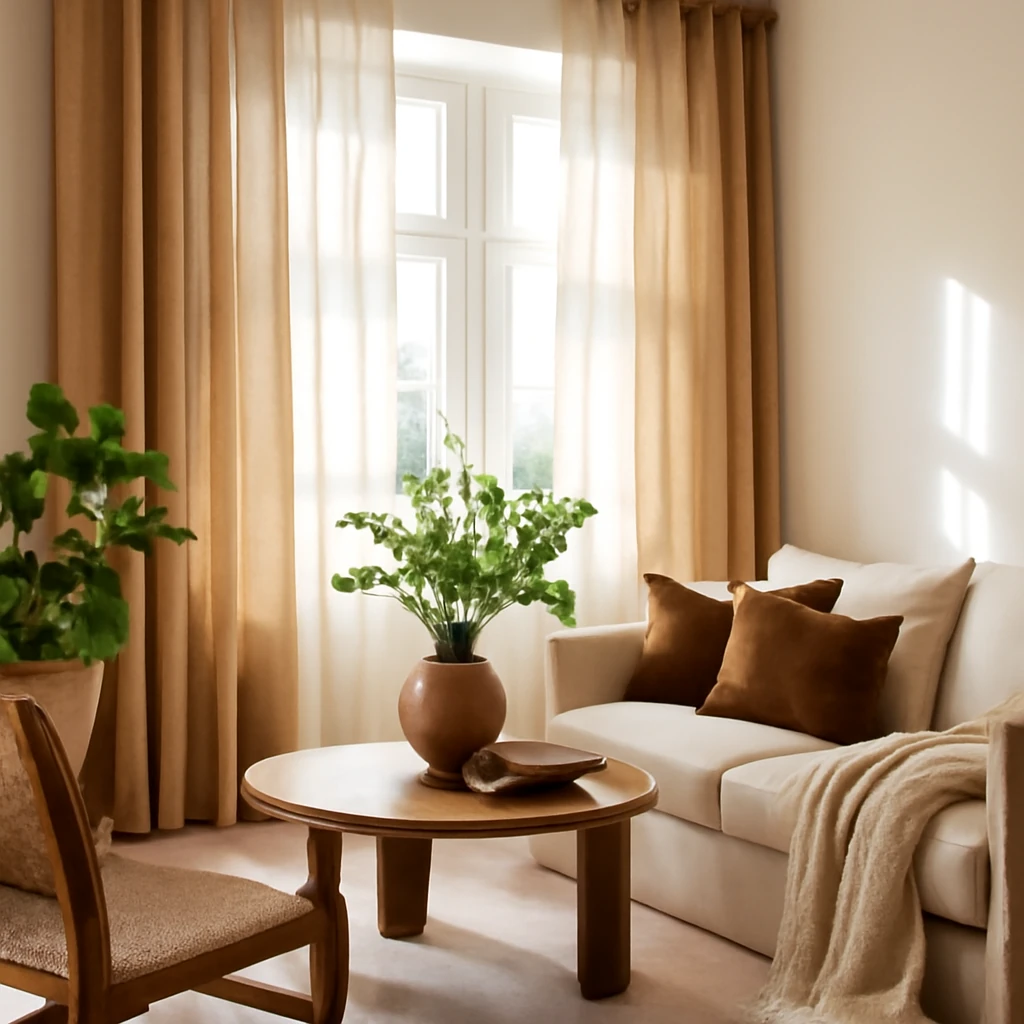
Introduction: Curtain trends for 2025 across Europe
In European homes, curtains do more than filter light, they set rhythm, mood and acoustic ambience. The year 2025 invites a reimagining of window dressing through layered interventions, bold yet considered colour choices, and fabrics that balance beauty with practicality. From compact city apartments in central Europe to sunlit homes by the Mediterranean coast, the curtain decisions translate to architecture, climate and daily life. This guide surveys the most influential trends, the best models to consider, and practical tips for choosing fabrics and fittings that endure beyond the season.
All about curtain design in 2025
As designers and homeowners seek ways to soften modern interiors while preserving light and air, several core directions emerge. The guiding principles include versatility, tactile richness and a natural, sustainable approach to materials. Here are the central tendencies that will define curtain design in 2025.
- Multilayering: combining different types of curtains - sheer panels, drapery and shade elements - creates depth, controls light precisely, and adds a crafted, bespoke feel to any room. The balance is subtle: the layers should interact without competing with other textiles in the space.
- Bold colours: colour becomes a pivotal design tool. Expect saturated tones, paired with neutral backdrops, or bold two‑tone combinations that mimic colour blocks in contemporary interiors. The colour strategy should harmonise with furniture, flooring and art rather than shout over them.
- Monochrome aesthetics: a calm, restrained palette that relies on texture and tone rather than colour contrast. Monochrome curtains often rely on subtle variation in weave, sheen or shadow play to keep interiors engaging rather than flat.
- Natural fabrics: linen, cotton and wool blends remain at the forefront, with performance fabrics that mimic natural textures. These materials align with European preferences for breathable, low‑maintenance textiles that age gracefully.
- Geometric patterns: geometric motifs - stripes, checks, or restrained tessellations - offer structure within contemporary spaces. The pattern should be reflected elsewhere in the decor for cohesion, such as in soft furnishings or tiling.
- Earthy tones: warm browns, terracotta, clay and sand hues help interiors feel hospitable and grounded, particularly in northern homes with limited daylight. Earth tones pair well with timber, stone and warm lighting schemes.
- Expressive textures: texture is an important design lever. Velvet, jacquard, brushed silk and ribbed weaves give curtains depth and tactility, allowing the window to act as a sculptural element within the room.
Current models
The curtain toolkit in 2025 expands beyond traditional drapes. Volume, mechanical light control and interior architecture inform the selection of models for European homes. Here are the most relevant options for diverse spaces.
Clean line drapes
Classic floor-length drapes remain a versatile foundation for almost any interior. For traditional rooms, opt for satin or velvet fabrics with generous pleats, finished with hardware in warm metals such as brass or bronze. For modern interiors, choose unadorned fabrics in muted tones, with a streamlined rod and minimal hardware. The goal is to frame the window with understated elegance while ensuring easy operation and durability. Where space is tight or openings are wide, length can be tailored to sit just above the floor or to pool slightly for a more opulent feel.
Sheer panels as standalone
Sheer curtains have earned legitimacy as a design feature in their own right, not merely as accompaniments to heavier drapes. Transparent or semi‑transparent weaves allow daylight to filter softly, creating a light, airy atmosphere. In rooms where privacy is still required, consider pairing sheer panels with a light roller blind in a colour that blends with the sheers. In bold spaces, sheer panels can be used alone to create a delicate, almost ethereal veil that softens strong wall colours or architectural details.
Short and practical
Roman shades and roller blinds continue to be popular for contemporary windows, delivering a clean, uncluttered look. They offer practical daylight control and a neat profile when fully raised. Range of fabrics spans from textural weaves in natural tones to bold prints for feature walls. In kitchens and bathrooms, moisture‑resistant coatings are particularly valuable, while in living spaces a light, breathable fabric can help preserve an air of openness.
Wooden blinds
Wood or wood‑alternative blinds provide a natural, tactile warmth and excellent sun protection. They suit organic, Scandi or rural‑inspired interiors and pair well with timber floors and stone walls. Real wood adds radiance and warmth but requires care to avoid warping in high humidity. Composite or faux wood options offer greater stability in humid climates and are easier to maintain. Wood blinds are often used in bedrooms and living rooms to create a calm, insulating ambience while maintaining a link with exterior greenery.
Japanese panels
Sliding panel systems in lightweight fabrics deliver minimalist elegance and generous coverage. They function like interior screens that can partition open‑plan spaces without the heaviness of full drapery. In European homes with open plans or contemporary lofts, these panels can be a versatile solution for large windows or glass walls, enabling flexible light control and an expansive feel when opened.
Trend fabrics
The choice of fabric determines more than appearance: it influences light diffusion, privacy, durability and maintenance. The 2025 fabric palette remains diverse, spanning natural fibres to high‑performance synthetics designed for busy family homes.
- Linen - prized for its natural beauty and environmental compatibility. Linen drapes catch daylight with a subtle, imperfect texture, adding warmth and a touch of rustic elegance to modern interiors. In heavy‑use rooms, consider a linen blend to improve resilience and reduce wrinkling while preserving the tactile quality.
- Cotton - versatile and practical, cotton fabrics perform well in many settings. Heavier cottons for drapes create an understated, durable look in living rooms or bedrooms, lighter weights offer a breezy feel for summer comfort and easy‑care maintenance.
- Velvet and plush fabrics - luxurious and dense, these fabrics bring depth, warmth and sound dampening to interiors. Velvet can be adapted from opulent to contemporary, seek machine‑washable finishes or protective coatings if required by climate or household usage.
- Silk - silk brings refined sheen and elegance, often used in layered setups with other fabrics to create movement and light play. In European contexts, silk works well in classic interiors or as a high‑glam accent in modern schemes, provided it is treated with appropriate lining to control wear and sun exposure.
- Jacquard - ornate patterns in rich textures, suited to traditional rooms and with potential in contemporary spaces where details are valued. Because jacquard is more delicate and expensive, plan for careful cleaning and consider lining to extend life and reduce wear from UV light.
- Organza and voile - light, translucent fabrics ideal for a breezy, ethereal feel. Perfect for layering with heavier drapes or for standalone use in spaces where primary shading is not required.
- Polyester and blends - durable, affordable and highly versatile. Modern poly blends emulate natural textures and can be easy‑care, they remain widely used in Europe for family spaces and high‑traffic settings while pairing well with natural fibres to achieve the right balance of appearance and practicality.
- Microfibre - stain resistance and durability make microfibre a practical choice, particularly for kitchens and high‑traffic rooms. It accepts a range of finishes and colours while being relatively easy to maintain.
How to use curtains in interiors in 2025
While trends give guidance on fabric and form, the art of window dressing lies in applying them to your specific space. The following principles help ensure curtains contribute to comfort, light management, acoustics and aesthetics across European homes.
Multilayering for depth
Layering remains a timeless technique. The aim is to create depth without visual overload. A typical layered setup could involve a pair of light, airy sheers, a mid‑weight curtain and a sheer or translucent roller shade that can be adjusted for daylight and privacy. The trick is to balance the layers so that each one plays a role in light diffusion and sound absorption, while respecting the scale of the window and the room. In larger rooms, three or more layers can be deployed to dramatic effect, in compact spaces, two layers often suffice, with the lighter layer employed to maintain airiness when privacy is not essential.
Bold colours
Colour is one of the most straightforward ways to inject personality. In 2025 curtains can act as the main colour statement or as a counterpoint to muted walls. Rich blues, deep greens and warm terracotta can anchor a neutral scheme, while pairs of complementary hues can create contemporary colour blocks. When using bold hues, consider the surrounding elements: furniture upholstery, wall finishes and artwork. In European homes with diverse light exposure, you may want to select dyes and fabrics that withstand sun as well as fading resistance, ensuring long‑term vibrancy.
Monochrome aesthetics
For those who favour calm and minimal interiors, monochrome curtains provide a subtle, sophisticated canvas. Texture and finish become crucial: matte vs sheen, woven vs smooth, and the way light interacts with the fabric. A well‑chosen monochrome curtain can still feel richly layered when paired with a curated assortment of textiles in the same palette. Introduce variation with a slightly lighter or darker shade, or through a tactile weave that adds movement under daylight.
Natural fabrics
The sustainability wave continues to influence interior textiles. Natural, breathable fabrics are preferred for living environments where people spend long hours. Linen, cotton and wool blends, along with responsibly sourced wood‑based or plant‑derived alternatives for blinds, contribute to a healthier indoor climate. The finishing touches - lining and backing - improve drape, reduce glare and boost energy efficiency. In northern European homes, natural fabrics can help offset dry indoor air in winter, while in southern climates they enhance thermal comfort by providing shade without heavy trapping of heat.
Geometric patterns
Geometric motifs bring order to a room and create a visual rhythm that echoes architectural lines. Whether you opt for stripes that elongate a room, subtle checks that nod to classic textiles, or a restrained zigzag, ensure the pattern is proportionate to the window and compatible with other patterns in the space. This is not about busy prints, rather, it is about quiet geometry that complements bold furniture or artwork without competing with them.
Earthy tones
Warm, earthy colours create a sense of comfort and belonging. Terracotta, clay, sand and mushroom tones work particularly well with timber floors, stone walls and warm light. They are effective in bedrooms and living rooms where a cosy, grounded atmosphere is desired. If your walls are pale or cool in tone, earthy curtains can bring warmth and a sense of connection to the materials used in the room, such as wood or brick.
Expressive textures
The texture of a curtain is a powerful tool for making a room feel layered and tactile. Substantial velvets, brushed velvets, jacquard weaves with raised motifs, or tactile linens can draw the eye and invite touch. Even when the colour palette is modest, a textured curtain can create a focal point and a sense of luxurious tactility. In practice, avoid combining too many different textures in one window area to prevent a chaotic look, the textures should harmonise with other textiles such as cushions, rugs and upholstery.
Room by room: applying the 2025 curtain language
Different rooms have distinct requirements for light control, privacy and maintenance. Here are practical guidelines for common European living spaces.
Kitchen
In kitchens, durability and ease of cleaning are paramount. Consider roller blinds with wipe‑clean finishes or machine‑washable fabric blends for family dining areas. The kitchen often benefits from lighter tones that reflect daylight and help maintain a fresh feel, while still offering control over glare from afternoon sun. If you prefer a softer look, lightweight linen or cotton blends can be used, but ensure coatings or linings resist grease and cooking odours. For larger windows, a combination of sheer panels for daylight and a coordinating roller shade for privacy can work well. Always measures carefully and mount hardware securely to accommodate frequent opening and closing and to withstand heat and humidity variations.
Living room
The living room is the stage for layered textiles. A common approach is to install floor‑to‑ceiling drapery in a neutral base with an accent layer in a bolder colour or a complementary texture. This setup allows for warming the space in the evening and keeping the room bright during the day. In larger lounges, consider wider drapes with substantial drape weights to create a sense of luxury and architecture. The window treatment should harmonise with rugs, sofas and artwork, and consider acoustic benefits from heavier fabrics when rooms are open plan or have high ceilings. For open plans with expansive glass walls, Japanese panels or wide panels can offer flexible partitioning and light management without obstructing views when opened.
Bedroom
Bedrooms require a balance of privacy, darkness and comfort. For light sleepers, a full blackout lining behind neutral curtains can improve sleep quality, particularly in rooms facing busy streets or with bright morning light. In lighter rooms, layered shades enable light control without heavy drapes, while ensuring a restful ambience. Natural fabrics are especially suited to bedrooms for their breathable qualities, with lighter textiles for summer and heavier fabrics for winter. If warmth is a priority, consider velvet or heavy linen blends to create a cocoon‑like atmosphere.
Home office
In workspaces, daylight is desirable, but glare reduction remains essential for screens. Choose fabrics that balance light diffusion with privacy. Light‑coloured linen blends or cotton‑based drapes can help sustain an energised environment, while darker panels can reduce glare in afternoons. Layering with voile or sheer panels can preserve daylight while providing a soft screen for video calls. Motorised systems or remote controls add convenience for adjustable light levels without interfering with the aesthetics of a professional workspace.
Practical tips for choosing curtains in 2025
Selecting window treatments is a process that benefits from a strategic approach. Consider room function, climate, sunlight hours and maintenance expectations. The following practical guidance helps ensure your curtains serve both form and function.
- Measure accurately: height and width depend on whether you want floor‑to‑ceiling drapes or a more compact profile. In many European homes, several centimetres extra length are required to accommodate shelf or furniture edges and to ensure a clean break at the floor. Take into account sill heights, radiator proximity and obstructions.
- Choose linings carefully: a lining improves drape, provides energy efficiency and protects the fabric from sun damage. Consider thermal or blackout linings in bedrooms or living rooms that receive strong sun exposure, while lighter linings may be sufficient in interiors with diffuse light.
- Think about hardware: the curtain rod or rail should be robust and well finished. Warm metal tones provide a tactile complement to natural fabrics, while lighter metals suit minimalist spaces. Ensure the hardware supports the full weight of the chosen fabric, especially for floor‑length drapes in tall rooms.
- Consider automation: motorised curtains can enhance convenience, especially in larger homes or rooms with difficult access. A well‑integrated automation system can adjust shading with the time of day and weather conditions, helping manage heat gain and glare while maintaining a clean, uncluttered look.
- Plan for maintenance: some fabrics benefit from professional cleaning or careful home care. Always follow the manufacturer’s guidelines for cleaning and storage, particularly for delicate materials like silk and jacquard.
Architectural considerations
Across Europe, window type, wall thickness and room function influence curtain design as much as fabric choice. The following considerations help ensure your window treatments integrate seamlessly with the architectural language of a space.
Header styles and mounting
Think about whether to employ ceiling tracks, wall rails or freestanding poles. Ceiling tracks offer a streamlined profile ideal for tall, uninterrupted windows, while wall rails can reveal architectural mouldings and create a balanced proportion with furniture. In Open Plan interiors, tracks that can disappear behind a pelmet or into a ceiling recess are particularly effective, preserving sightlines and enhancing the sense of space.
Length, fullness and stacking
Floor‑length drapes create a sense of grandeur and refine the silhouette of a room, but require precise measurement to avoid drag or pooling on the floor. In spaces with radiant floors or heavy furniture, ensure the curtain length allows for easy movement and does not abrade the floor. For smaller rooms, consider slightly shorter lengths and lighter fabrics that stack neatly when opened. A well‑proportioned stack back width prevents curtains from overpowering the window frame.
Thermal comfort and daylight management
In cooler climates, heavier drapes with thermal backing help conserve energy and add a sense of cosiness. In warmer regions, keep a balance between shading and daylight by layering with sheer fabrics. Consider motorised options that respond to the time of day and the sun’s trajectory, helping to reduce glare on screens while maintaining an inviting interior quality.
Care and maintenance
Different fabrics require different care regimes. The European market commonly offers care instructions that balance convenience with longevity. Always follow the manufacturer’s guidance, and consider professional cleaning for delicate materials or large-scale installations. Regular brushing or vacuuming with a soft attachment helps remove dust, especially for textured fabrics like velvet or jacquard. If you agree to a lining, ensure it is compatible with the main fabric to avoid warping or colour transfer over time.
Design approaches for European contexts
The European interior landscape is diverse, with different climates, building typologies and daylight patterns. Curtains must respond to these variations. In cooler climates, heavy drapes with thermal backing can contribute to energy efficiency and a cosier ambience. In warm Mediterranean climates, lighter weaves and translucent layers enable cooling breezes while still permitting privacy. In compact urban apartments, space‑saving solutions and light‑enhancing materials help maintain a sense of airiness. Across Europe, professional designers emphasise proportion, materials and a clear understanding of the architectural frame when selecting curtains. The aim is to achieve cohesive interiors where window dressings feel integral to the architecture rather than an afterthought.
Closing thoughts
As 2025 unfolds, curtains will continue to be a flexible instrument for shaping light, texture and mood. The best outcomes arise from thoughtful layering, respectful material choices and a design approach that recognises how daily life interacts with windows. Short‑term fashion should align with long‑term durability, ease of care and the environment. For designers and homeowners alike, the opportunities are wide: to craft rooms that breathe, glow and invite calm, while offering practical shade and privacy in every season.
You may also like these articles
 Renovation
How to Budget and Plan a European Apartment Renovation
A practical, step-by-step budgeting guide for European homes.
Tips & How-To
Mirror Frame DIY: A Beginner's Guide for European Homes
Two reliable methods to craft a custom mirror frame for European homes.
Interior Design
Designing a European Country Home: Spaces, Styles and Practical Planning
Timeless ideas for cosy, practical European country homes.