
Explore interior trends, AI design insights, styling guides and real transformations
Entrance Hall Design 2026: Trends, Colours & Ideas
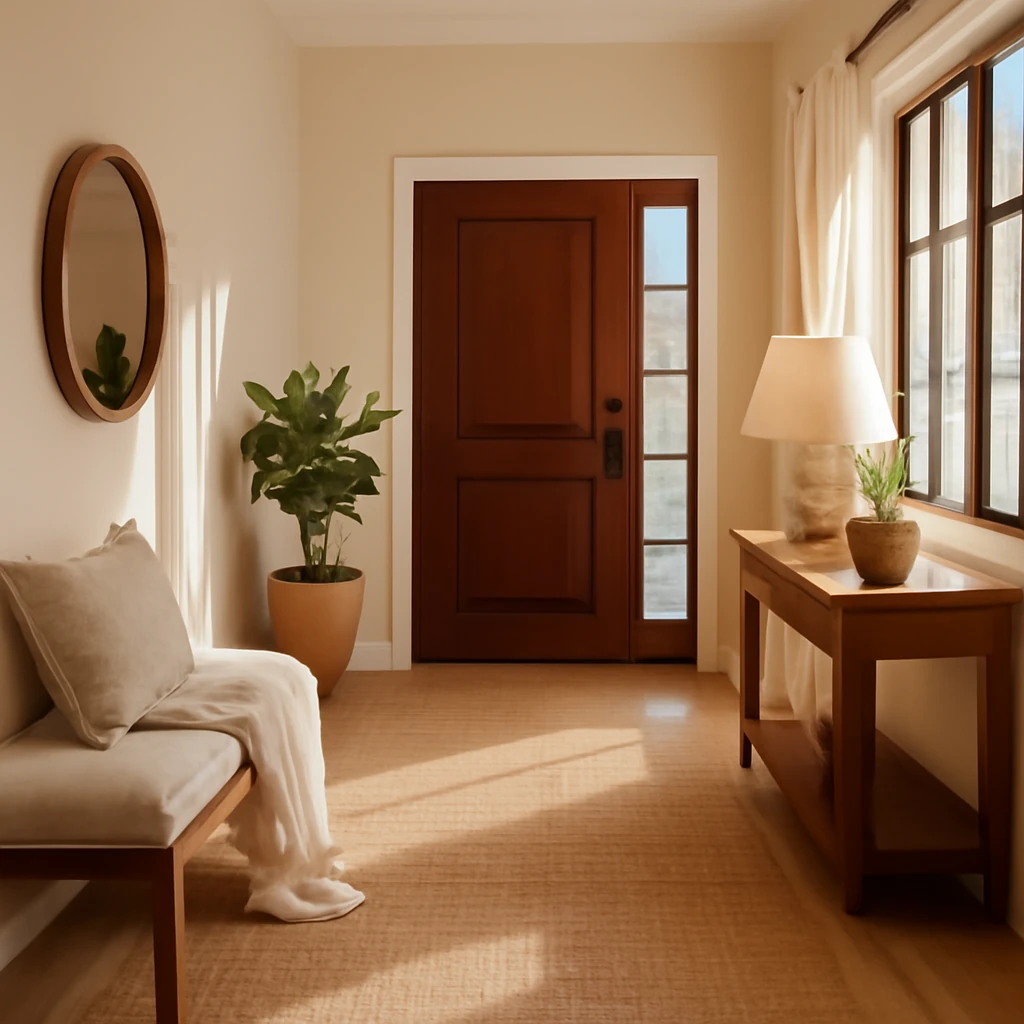
Introduction: the European entrance hall in 2026
The entryway is no longer simply a passage from street to living room. Across Europe, new-build apartments and refurbished townhouses alike treat the foyer as a meaningful zone: a place of function, warmth and immediate texture that foreshadows the rest of the home. In 2026, designers balance restrained elegance with tactile comfort, aiming to create a first impression that is practical, welcoming and coherent with the wider interior. Hallways vary in length and width - from compact urban corridors to longer silhouette routes in modern apartments - but the core principles endure: deliberate storage, soft surfaces, layered lighting and a colour palette that can extend into adjoining rooms.
Core trends shaping the hallway in 2026
Rational minimalism
Minimalism in European hallways has moved beyond a rigid, cold aesthetic into a flexible design philosophy. It is less about empty surfaces and more about intelligent choices that support daily life. Calm visuals come from simple forms, quiet colours and concealed storage that keeps clutter from view. In long corridors, consider built-in wardrobes that run the length of a wall, with doors in a finish matched to the walls or floor. The aim is to reduce visual noise and create a sanctuary-like first impression as you step into the home.
- Plan flow carefully: ensure clear paths from door to key zones such as storage, coat hanging and footwear.
- Choose furniture with clean lines and minimal hardware to maintain a serene silhouette.
- favour closed storage over exposed shelves to minimise visual clutter.
- Keep a calm, nature-inspired palette that remains timeless and easy to refresh.
In many European homes, a shallow depth wardrobe with slim-profile doors can dramatically reduce clutter without encroaching on usable space. If a wardrobe is required, opt for built-in systems with integrated lighting and a finish that blends with surrounding joinery.
Soft constructions
Soft elements transform the entry zone into a cosy, forgiving space while performing practical tasks. Trend-forward wall panels with soft texture - such as velvet, microsuede or knit-like fabrics - not only elevate the look but also protect walls from scuffs and absorb sound in busy households. Complement these panels with upholstered benches or compact seating that include concealed storage for shoes, accessories or seasonal items. Integrated systems that align the paneling with storage units create a cohesive, monochrome interior that feels generous and calm.
- Choose panels with quilting or tufting patterns for subtle texture that won’t overwhelm the space.
- Match seating textiles to the wall finish or to a complementary natural material such as wool or linen blends.
- In smaller foyers, a single padded bench with a slim profile can provide seating while keeping sightlines open.
Large mirrors
Mirrors have long been a favourite in hallways for practical purposes and optical effects. In 2026, oversized mirrors - full-height or tall vertical panels - are staged as focal points or integrated into storage systems. A well-positioned mirror brightens the space, enlarges perceived depth and enhances natural light. Modern installations often couple with lighting strips or backlit frames to create an architectural feature rather than a mere reflective surface. Where possible, install mirrors within alcoves or cabinetry to maintain a clean, uninterrupted line along the wall.
- Place mirrors opposite light sources to maximise illumination and reduce dark corners.
- Consider frameless or slim-framed formats for a contemporary, lightweight aesthetic.
- Combine with integrated storage to keep surfaces tidy and reflections tidy.
Accent poufs
A pouf is a compact, versatile piece that can add character to a small hallway. It offers a quick seat for putting on shoes and can double as a storage lid or a surface for a basket, plant or decorative object. The trend embraces various shapes - round, square or architectural blocks - and various textures from bouclé to smooth leather or boucle. A bold pouf colour or a fabric with visual texture can become the room’s visual anchor, especially in otherwise neutral foyers.
- Choose a pouf with a matching or contrasting texture to connect with the wall panels or furniture.
- Consider a pouf with hidden storage to compress clutter further.
- Let a single accent piece echo other small decorative touches across adjacent spaces.
Hardware as decor
In contemporary hallways, details matter as much as surfaces. Hardware - handles, knobs, legs and brackets - is increasingly treated as a design element rather than a mere function. Unconventional shapes, finishes and sizes can subtly reinforce the overall aesthetic, from matte black punches to warm brass or brushed nickel. For budget-conscious projects, swapping out standard knobs for more distinctive fixtures on existing cabinetry can yield a high-impact transformation with modest cost.
- Co-ordinate hardware finishes with lighting and metal accents elsewhere in the home for a cohesive look.
- In a neutral scheme, consider a single statement handle or a pair of repeatable motifs to create rhythm.
- Ensure hardware is comfortable to operate and suited to daily use in high-traffic areas.
Colour and materials for 2026
The palette for European entrances in 2026 spans natural, grounded tones to deeper accents. Designers emphasise the relationship between colour, texture and light, guiding choices that create warmth and a sense of scale in even modest spaces.
Natural tones
Calm, natural hues remain a foundation for foyers, offering warmth without crowding the space. Think creamy whites, soft beiges, sand and stone, with subtle veining or tactile textures in the walls, floors and furnishings. These tones reflect light, extend the perception of space and pair easily with wood, stone and fabric textures common in European interiors. For long corridors, light floors with slightly warmer walls create an inviting, seamless journey from door to living area.
- Pair light panels with a pale, warm wood or stone effect for floor continuity.
- Use textiles and wall coverings in muted neutrals to maintain serenity across seasons.
- Introduce warmth with natural wood finishes on cabinetry or bench tops.
Dark red
Deep hues of red, such as burgundy or wine tones, present a sophisticated focal point without overwhelming the space when used sparingly. They work well as wall accents in alcoves, a portion of a wall or on a single piece of furniture or textile. In combination with natural materials such as timber and stone or with warm metallic details, dark red elevates the sense of luxury in the entrance.
- Use red as an accent to highlight architectural features or a single storage element.
- Pair with timber finishes and stone to balance the intensity.
- In matte finishes, red hues appear refined rather than dramatic.
Blue and blue-greys
The cool spectrum remains a favourite for hallways, ranging from soft blue-greys to deeper marine tones. Paired with warm woods, stone textures or soft neutrals, blues add depth and calm, especially in longer corridors with limited natural light. Consider a slate, denim or navy as a grounding layer on one wall, with lighter surrounds to maintain airiness.
- Combine blue with warm whites, creams or light oak to balance mood.
- Use light-reflecting surfaces to keep the space luminous.
- Introduce soft textiles in complementing shades to maintain cohesion.
Matte green
Matte greens range from olive to emerald and are increasingly popular for their versatility. A matte green wall or a green-toned cabinet can convey a natural, earthy feel that pairs well with wood, brass and stone textures. In small foyers, sparing use of green as an accent - such as a single cabinet, a cushion or a panel - adds depth without dominating the space.
- Opt for non-gloss finishes to keep greens refined in tight spaces.
- Match greens with warm neutrals and naturalmaterials to avoid clinical coldness.
- Use green to highlight a specific storage area or architectural niche.
Appropriate styles for a European hallway
In 2026, the design direction for an entrance hall can draw from several established styles. The key is to adapt aesthetics to the proportions and constraints of the space, ensuring comfort, durability and ease of use.
- Minimalism - a Nordic influence with clean lines, hidden storage and a restrained palette, perfect for long, narrow corridors or small apartments where every centimetre counts.
- Neoclassicism - refined symmetry, luxurious textures and classical details reinterpreted with modern practicality, ideal for larger foyers in traditional townhouses.
- Eclectic - a personalised mixture of vintage and contemporary pieces, textures and colours, balanced by quiet anchors to avoid visual chaos.
- Scandi - light woods, airy spaces, simple silhouettes and tactile fabrics that create a sense of calm and openness.
- Eco style - natural materials, earthy tones and restrained decoration focused on sustainability and comfort.
- Japandi - a fusion of Japanese and Scandinavian sensibilities, emphasising natural textures, quiet geometry and function-driven form.
- Contemporary - practical, comfortable and expressive, with room for individual interpretation and flexible layouts.
Practical strategies for small spaces
Many European foyers are compact, but small does not have to mean empty. The most successful hallways maximise storage, improve circulation and use light to visually expand the space. Consider these practical steps:
- Ergonomic planning - map routes from doorway to storage, mirror, seating and light sources. Leave at least 90 cm of clear width for primary movement, and more where possible for comfortable access to wardrobes and shoe storage.
- Closed storage first - opt for cabinetry that conceals everyday items. Use tall, slender units to reduce footprint while increasing capacity.
- Built-in systems - where space allows, install integrated wardrobes with doors that mirror the wall finish. Slender profiles and soft-close mechanisms keep daily use serene.
- Vertical solutions - exploit wall height with tall panels, wall-hung storage, and floating shelves. A tall, slim mirror or a narrow vertical cabinet can visually extend the room.
- Light and reflectivity - layer lighting (ambient, task and accent) to brighten and define different zones. Reflective surfaces, light-coloured finishes and strategic mirrors amplify daylight.
- Textural layering - soft panelling, linings, textiles and flooring textures create warmth and rhythm without clutter.
Lighting and acoustics
Lighting is pivotal in the entrance, where daylight may be limited and traffic is constant. A layered approach delivers flexibility and mood. Combine ambient lighting with task lighting near seating and storage, and add accent lighting to highlight mirrors or architectural features. Consider integrated LED profiles in mirrors, cove lighting above wall panels, and discreet wall sconces that complement the hardware and finishes of the furniture. Acoustic comfort is equally important, soft panels and textiles help dampen noise from footwear and daily activity, creating a calmer arrival experience.
Materials and durability for European foyers
Entrance walls take the brunt of daily use. Materials should be robust, easy to clean and capable of ageing gracefully. Popular choices include wood veneer or lacquered panels in durable finishes, natural stone or porcelain tile with a matte or satin surface, and textiles that resist wear yet feel welcoming. For flooring, consider wide-plank oak or engineered wood in pale or mid tones to extend the sense of space, or refined ceramic tiles with a tactile surface for durability in high-traffic entrances. The aim is to combine practicality with tactility, ensuring every element contributes to comfort and legibility.
- Choose panelling and cabinetry in finishes that resist scuffs and marks, with wipe-clean surfaces for easy maintenance.
- Use natural textures such as wool, linen and leather in cushions and fabrics to add warmth without heaviness.
- Consider durable, moisture-resistant materials near the entry, where rain and footwear are frequent visitors.
Incorporating the philosophy into your project workflow
Whether undertaking a full renovation or a targeted refurbishment, these steps help coordinate a successful hallway redesign across Europe:
- Audit the space - measure widths, door openings, and the approximate path for traffic. Note the amount of natural light at different times of day and identify areas that are prone to damp or wear.
- Define zones - entry, storage, seating, mirror, and a small decorative area. Ensure each area has a dedicated function that supports daily routines.
- Set a palette - start with a neutral base and introduce one or two accent colours. Use materials and textures to enrich the palette rather than rely on colour alone.
- Plan storage strategically - prioritise closed solutions first and integrate lighting within cabinets to aid visibility and reduce clutter.
- Layer lighting - establish ambient light for evenings, task lighting near seating or mirrors, and accent lighting to highlight feature panels or hardware.
- Test and iterate - build the space in layers, allowing for minor adjustments after the initial installation to balance aesthetics with use.
Design detail ideas to consider
To translate these trends into a compelling European foyer, consider the following detail ideas that combine form and function:
- Integrated seating with storage - a padded bench that opens to reveal shoe storage creates a calm, tidy look and practical daily use.
- Tailored wall panels - soft panelling with a subtle stitched pattern adds depth and protects walls from scuffs while enhancing acoustics.
- Concealed hardware - doors and drawers that reveal clean lines reduce visual clutter and underscore a minimalist base.
- Strategic mirrors - oversized or vertical panels can be placed to reflect daylight and visually extend narrow corridors.
- Textured textiles - cushions, rugs and upholstery in natural fibres bring warmth and comfort without weight.
Conclusion: a foyer that welcomes and endures
The entrance hall of 2026 in Europe embraces a philosophy of intelligent restraint. It combines practical storage, tactile materials and thoughtful lighting to create a space that is calm, warm and easy to live with every day. By grounding design in ergonomics, durability and sustainable choice, a hallway can become a confident prelude to the rest of the home rather than a mere utilitarian corridor. Whether a sleek minimalist corridor, a neoclassical welcome or a soft-scandinavian transition, the entryway should signal the character of the home ahead while performing its essential tasks with elegance and ease.
You may also like these articles
 Bathroom Design
Plan your bathroom like a pro: 11 layouts for European homes
11 smart bathroom layouts tailored for European homes.
Living room
The Click-Clack Sofa: A Practical, Flexible Cornerstone for European Living Rooms
A comprehensive guide to the versatile click-clack sofa for compact European homes.
Kitchen Design
Designing a Grand Kitchen for a Modern European Home
A guide to planning and styling a large European kitchen with smart layouts and durable finishes.