
Explore interior trends, AI design insights, styling guides and real transformations
Clever Design Strategies for a 6 m² European Kitchen
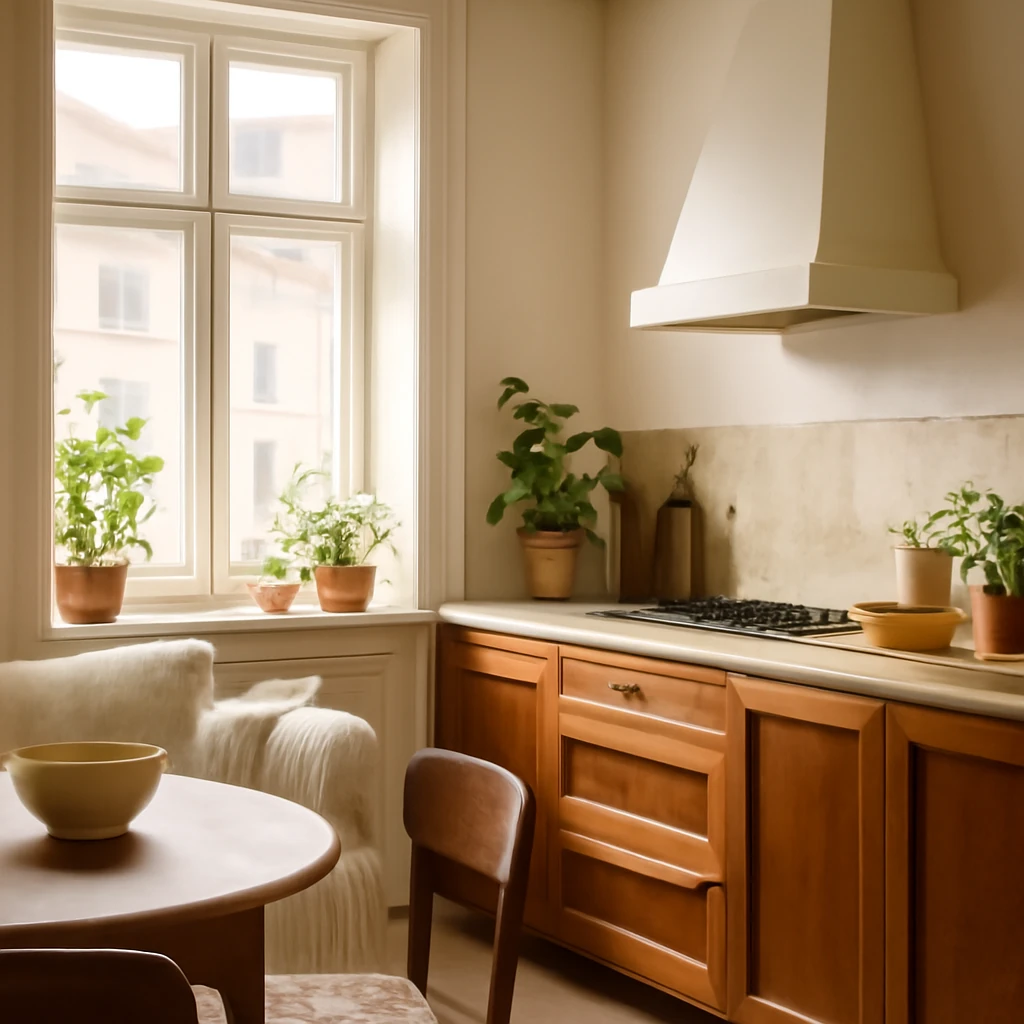
Introduction: in defence of the tiny kitchen
In many European homes, the kitchen often measures around six square metres. It is a compact space that demands precise planning and intelligent design to feel welcoming, efficient and sociable. A well-considered six-metre kitchen can be the heart of the home: a place to cook, chat, eat and perhaps even work. The aim is to maximise every square centimetre, ensure comfortable circulation, and create finishes that read as larger than they are. This article presents a practical blueprint for transforming a 6 m² urban kitchen into a stylish, functional hub, with guidance that translates across European contexts - from renovated period flats to contemporary developments.
Precise measurement and space optimisation
The starting point is measurement. Record the accurate length of each wall, including any angled corners and irregularities, and determine the ceiling height. A reliable plan should identify the exact positions of doors and windows, as their swings and reveals affect furniture layout. Factor in potential obstructions: gas pipes, plumbing stacks, and ventilation runs that may constrain where bulky appliances can be placed. In Europe, many homes feature service risers and compact boiler cupboards that should be accommodated in the cabinetry plan rather than pressed into awkward corners.
With measurements in hand, aim to fill the space with cabinetry that reaches the ceiling. A floor-to-ceiling kitchen not only provides maximum storage but also contributes to a cohesive, uncluttered look. If the space is truly narrow, a single-wall (linear) layout paired with a slim island or extendable peninsula can create a sense of openness while preserving work zones. Custom or semi-custom units are particularly valuable in six-metre kitchens, as they let you tailor each module to your space and utilities.
Colour and surface strategy: light, reflective and calm
Colour has the power to alter perceived space. Dark hues, heavy textures and high-contrast schemes tend to close in a compact kitchen. For a six-metre footprint, soft, light tones are recommended: pale woods, soft creams, powder blues, and warm off-whites can make the room feel airy and connected to adjacent spaces. Consider using a limited, cohesive palette across cabinetry, walls and floors to knit the room together rather than segment it into disparate zones.
Reflective surfaces help bounce light and create the illusion of depth. High-gloss laminates, glass-front cabinet doors, or a glass splashback behind the sink are effective options when implemented with care. A subtle pattern on the wallpaper or an unfussy geometric motif can add depth without visually cluttering the space. Importantly, avoid overly busy patterns or sharply contrasting colour blocks that draw attention and compress the room visually.
Layout options for a six-metre kitchen
Layout choice should be guided by the position of doors, windows, and the proportion of walls. The goal is to create a practical work triangle between the sink, cooking surface, and refrigerator, while maintaining generous access around the room for movement and seating if needed. Here are the most common configurations in European six-metre kitchens, with notes on suitability and trade-offs.
- Linear (single-wall). Best for long, narrow spaces. All major elements line up along one wall, leaving the opposite side available for a compact dining area or a slim trolley. Pros: straightforward, cost-effective. Cons: can feel boxed-in if storage isn’t optimised or if the wall is interrupted by a door or window.
- L-shaped. Two adjacent walls hold the main cabinetry, with the work triangle naturally formed around the corner. The corner is an opportunity for deep, tall cabinetry or a compact pantry. Pros: efficient workflow, excellent use of corner space. Cons: may constrain dining options unless a slim island or peninsula is introduced.
- U-shaped. Three walls of storage around three sides create abundant cabinetry and counter space. Pros: maximum storage and work surface, ideal for households that cook often. Cons: circulation can feel tight in very small kitchens, ensure a clear 1 m minimum path.
- Two-row / gallery. Cabinets on two opposite walls with a walkway in between, popular in European city flats. Pros: generous work zones, easy to add a slim island or breakfast bar. Cons: requires careful planning to avoid crowding.
- Island or peninsula (where space allows). A compact island or a peninsula can provide extra prep surface and a casual dining option. Pros: sociable and flexible, cons: only feasible if the kitchen width allows at least 1.2–1.5 m clear space for movement around the island.
Refrigeration and appliance strategy
In compact European kitchens, the fridge is often integrated into the cabinetry to maintain a clean line and maximise storage. Slender tall fridges or column units are ideal where width is limited. If a built-in appliance approach is used, panel-ready units help the fridge blend with the cabinetry, creating an uninterrupted surface. The best results usually come from concealing appliances behind doors that match the cabinet fronts.
Position the fridge so it does not interrupt the work triangle and, if possible, place it near the preparation zone yet away from the main cooking area to reduce heat and moisture exposure. For dishwashing and ovens, place such appliances near the sink for efficient workflow. If energy efficiency is a priority, select appliances with high energy ratings and quiet operation to keep the kitchen calm and comfortable.
Hidden storage and smart organisation
- Use tall, deep tall units on the perimeters to eliminate dead space and create generous pantry storage.
- Incorporate pull-out pantry organisers, swing-out corner units, and vertical storage for trays and baking sheets.
- Design drawer stacks with organisers for lids, utensils and spices - every item should have a home to reduce visual clutter.
- Consider a hidden vertical pull-out for recycling and waste that tucks away from sight yet remains easily accessible.
Practical tricks for furniture and fittings
In small kitchens, multifunctional furniture is a friend. Look for folding, extendable or removable pieces that can transform the space as needed:
- Extendable dining surfaces that fold down or tuck behind a cabinet door, or use a window sill as a lightweight prep area when extended with a board.
- Fold-away or retractable tables and stools stashed within a cabinet or beneath a counter. These surfaces free up space when not in use while still offering a usable dining area.
- Choose compact appliances with slim profiles or integrated functionality to maximise counter space.
- When possible, use under-counter appliances and compact models to keep the visual plane clean and uninterrupted.
Adaptation for European pre-war and post-war flats
European housing stock includes a range of historic and post-war building types, many with narrow kitchens, uneven walls, and limited natural light. The following considerations help translate the six-metre model into real-world contexts:
- Conceal service elements. Gas pipes, water lines and ventilation ducts are common. Where possible, hide them behind cabinetry with pre-cut holes and grommets to maintain a neat appearance. A specialist can re-route or encapsulate pipes if necessary, particularly when planning a new island or wall relocation.
- Respect structural constraints. Some walls may be load-bearing, any demolition or relocation should involve a structural engineer. If the wall between kitchen and living space is load-bearing, consider non-structural solutions such as reconfiguring doors, installing run-off shelving, or using slim, high units to visually connect spaces without compromising support.
- Maximise natural light. In compact kitchens, a pale, reflective palette and choices like mirrored fronts or glass splashbacks help bounce daylight around the room, creating a sense of openness. Where windows are a constraint, keep window heights clear of cabinetry to welcome more light into the room.
Walls, ceilings and finishes: a practical renovation framework
The renovation journey in a six-metre kitchen is staged and practical. A considered sequence reduces disruption and helps you avoid expensive missteps. The following framework works well in most European contexts:
1) Assess and plan services
Begin with a service survey: check the condition of water piping, drainage, gas lines and electrical circuits. If these are dated, replacing or upgrading them before the fit-out is prudent to prevent later upheaval when appliances are installed. Plan for sockets and USB outlets for charging devices, and ensure dedicated lighting circuits for task and ambient lighting. If you anticipate moving a gas line, always engage a licensed professional.
2) Walls and partitioning
Walls in six-metre kitchens should be brought to a clean, level condition. Use moisture-resistant plasterboard for damp-prone zones and ensure joints are sealed to avoid cracking. Finishes can include:
- Paint in washable, wipeable finishes for easy maintenance.
- Textured plaster that imitates natural materials for a tactile feel without overwhelming the space.
- Washable wallpapers in subtle patterns to add character without visual noise.
- Ceramic wall tiles as a practical splashback behind sinks and hobs, with larger formats to minimise grout lines.
3) Ceiling and lighting strategy
A clean, light ceiling helps the space feel larger. Options include a smooth painted ceiling, or a suspended ceiling with integrated LED lighting. A PVC stretch ceiling is a practical option if the budget allows, keeping maintenance simple and reflecting light to enhance brightness. Layered lighting is essential: general ambient lighting along with dedicated task lighting for the work zones, and a pendant or small chandelier only if space permits near the dining area.
4) Flooring decisions
The floor is a continuity feature. In six-metre kitchens, it is common to extend the same flooring into adjacent living areas to unify the space. Porcelain or ceramic tiles with a matte finish are durable and easy to clean, wood-look porcelain tile offers warmth with the practicality of tiles. When selecting floor materials, consider slip resistance, cleaning requirements and how the pattern interacts with cabinetry.
Lighting and electrical planning: brightness and ambience
Small kitchens benefit from multitier lighting. Start with a bright, daylight-toned ambient layer, then add task lighting under wall units and above work surfaces. Use motion sensors or dimmers to adjust brightness and energy use. For functional zones, place lighting above the hob, the sink, and the prep area, ensuring drivers and switches are conveniently located. A compact pendant above a small dining counter can add personality without overpowering the space.
Design styles that suit compact kitchens
Three widely adopted European aesthetics translate well to six-metre kitchens, each offering a distinct mood while preserving practicality:
- Scandinavian. Emphasises light woods, pale colours, and clean lines. Cabinets in soft whites or ash tones with natural wood accents create calm, breathable spaces. Keep hardware minimal or handle-less for a streamlined look. Use open shelving sparingly to avoid visual clutter.
- High-tech. A modern, glossy aesthetic with chrome or glass accents. Balanced by restrained colours and a focus on the efficiency of built-in appliances. Exposed pipes or mechanical elements can be integrated into the design with a purposeful, industrial edge, if desired.
- Minimalism. A restrained palette with simple shapes and concealed storage. The emphasis is on function and proportion: fewer, better pieces and a preference for flat-front cabinetry, integrated appliances, and subtle contrast between surfaces.
- Modern classic. Combines natural textures with contemporary details, such as timber veneers, stone-look worktops, and soft, neutral tones. This style works well in European homes where heritage meets modern living.
Working with 6 m²: case study approaches (conceptual)
While every home is unique, several conceptual layouts illustrate how a six-metre kitchen can function beautifully in Europe:
- A linear kitchen with full-height wall cabinets, a compact fridge column, and a shallow pantry accessed from the end of the run. The opposite side hosts a slim dining table or fold-down desk to maintain generous circulation.
- An L-shaped layout around a window, with tall pantry cabinetry on the longer wall and a compact oven and hob integrated into the corner. A small island or peninsula can be added if the space allows, serving as a prep zone and dining surface.
- A two-row configuration in a narrow space, with units facing each other and a walkway between. This design emphasises clear separation between cooking and cleaning zones and leaves room for a small dining nook or breakfast bar.
- A well-planned U-shape for multi-cook households, ensuring ample counter space and a large sink area. Ensure the third wall does not obstruct movement by keeping open space near the doorway and adding shallow cabinetry for occasional use items.
Maintenance and finish care
Smaller kitchens demand materials that tolerate daily use. Matte or satin finishes on cabinetry hide fingerprints better than high-gloss surfaces, though gloss can help reflect light when used sparingly. Glass splashbacks should be easy to wipe clean, avoid materials that stain easily near the hob. Regular maintenance routines - wiping spills quickly, cleaning filters in range hoods, and inspecting seals on fridges and dishwashers - extend the life of the space and keep it feeling fresh.
Project timeline: from planning to living space
A realistic six-metre kitchen renovation can be planned in stages, within a typical European construction timeline. Here is a practical framework to guide the process:
- Phase 1 - Design and measurement: confirm measurements, create a CAD or scaled drawing, select layout, cabinetry height and finishes, and specify electrical and plumbing requirements. Budget for contingencies and ensure all permits or approvals are in place if required.
- Phase 2 - Procurement: order cabinetry to the exact dimensions, choose countertops, appliances, lighting, and finishes. Consider lead times for customised units and delivery windows to avoid prolonged disruption.
- Phase 3 - Demo and rough-ins: remove obsolete fittings, protect the rest of the home, and perform any needed plumbing and electrical alterations. Keep a clear plan for waste disposal and site hygiene.
- Phase 4 - Cabinetry and flooring: install wall and base units, fit the worktops, and lay flooring with careful transitions to adjacent rooms. Ensure plinths and toe-kicks are precise to create a seamless floor line.
- Phase 5 - Fixtures, fittings and finishing: install appliances, lighting, splashbacks, and hardware. Apply paint or wallpaper, seal edges, and check for any gaps or imperfections. Conduct a final check of ventilation and service connections.
Conclusion: a six-metre kitchen that feels expansive
A six-square-metre kitchen in a modern European home can be an efficient, stylish, and sociable space when smart decisions are made about layout, finishes and storage. By meticulously measuring the space, selecting cabinetry that reaches the ceiling, and applying light-coloured palettes with reflective surfaces, you can create a kitchen that visually expands while providing all the tools and storage needed for everyday life. The key is to design for the way you live: plan in zones, keep pathways clear, and incorporate flexible elements that adapt as needs change.
Final pointers for readers planning a six-metre kitchen
– Prioritise vertical storage to maximise room height and reduce floor clutter.
– Choose a cohesive, light-coloured palette with a few natural textures to add warmth.
– Use integrated appliances and handleless frontages to maintain clean lines.
– Plan lighting in layers: ambient, task and accent, with attention to work zones and dining areas.
– Consult professionals for any structural work or relocation of gas and water lines.
– Keep a flexible mindset: fold-away surfaces, extendable tables, and modular units can transform a small kitchen into a host-friendly space.
You may also like these articles
 Tips & How-To
A European Christmas Wreath: 2025 Trends, Materials and How-To
A practical guide to stylish Christmas wreaths for European homes.
Interior Design
Choosing European Interior Styles: A Practical Guide
A practical, European-focused guide to selecting and applying interior styles.
Tips & How-To
Mastering shoe storage in European homes: practical design solutions
Smart, stylish ways to store shoes across European homes.