
Explore interior trends, AI design insights, styling guides and real transformations
18m2 Living Rooms Across Europe: Zoning, Lighting and Style
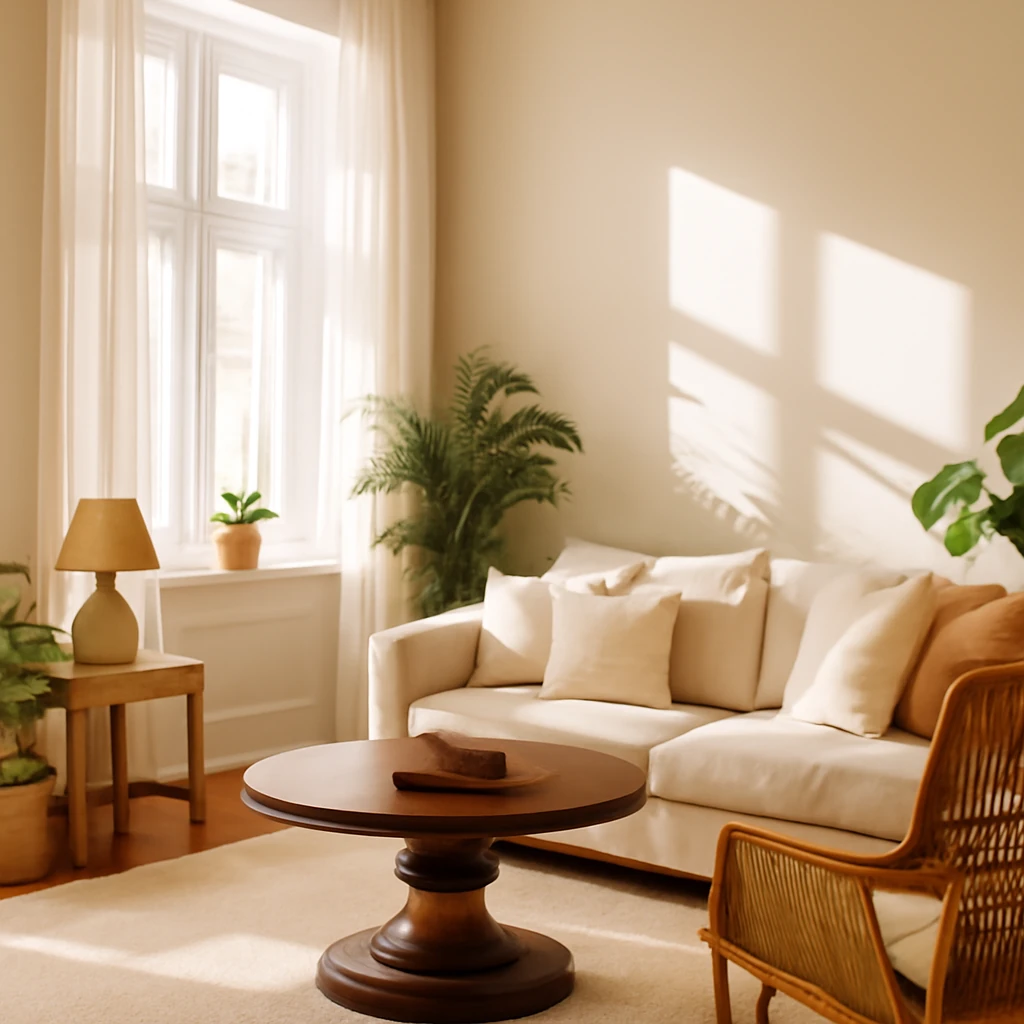
Introduction: making 18 square metres feel expansive in European homes
An 18 square metre living room is a familiar challenge for many families living in Europe, particularly in city centres where space comes at a premium. Yet with thoughtful planning, a compact lounge can become a warm, adaptable hub that serves as a social space, a dining area, a home office, and even a light sleeping zone when needed. The aim is to balance practicality with personality, ensuring the space remains comfortable and stylish without feeling cluttered or constricted.
Across European cities, you will find studios, one bedroom flats, maisonettes, and compact apartments that share a similar constraint: every square metre must earn its keep. The strategies outlined here apply whether you are renovating an existing flat, reconfiguring a studio, or designing a new compact living room into a flexible centre of the home. With the right approach to zoning, light, colour, materials, and storage, an 18m2 living room can feel bright, cohesive and inviting rather than cramped.
Choosing a concept for the space: designing with intention
In small European living rooms, the design concept should support function while creating a sense of calm and cohesion. The choice of style will influence how you arrange furniture, select materials, and manage lighting. Here are key stylistic options that translate well to compact spaces:
Minimalism
Minimalism expands perceived space by prioritising clean lines, uncluttered surfaces and a restrained palette. Materials should be high quality to avoid a feeling of austerity. Choose a durable sofa with simple silhouettes, a couple of ergonomic armchairs, and storage that blends into the architecture. Subtle textures and soft tonal contrasts keep the room from feeling clinical while preserving airiness.
Classic and timeless
A classic approach lends warmth through restrained detailing, muted colour palettes, and comfortable proportions. In a small room, the emphasis is on light floors, warm neutrals, and a restrained furnishings scheme. A slim, upholstered sofa, a compact coffee table, and well organised storage can create an elegant, timeless atmosphere without overwhelming the space.
Loft and urban textures
Loft-inspired interiors bring character through exposed materials, tactile fabrics and layered textures. In an 18m2 setting, balance is essential: use one tactile material as a feature (for example a brick-inspired wall or textured plaster), couple it with soft textiles and streamlined furniture to avoid a busy aesthetic.
Hi-tech and contemporary efficiency
Hi-tech design emphasises function, modular systems and concealed storage. In compact spaces, modular sofas, slim media units, and wall-mounted storage maximise floor area. A restrained palette with a few high-impact accents lends a modern, uncluttered feel that remains comfortable for daily living.
Scandinavian influence
The Scandinavian approach favours light, warmth and practicality. Natural materials, pale colours, tactile textiles and abundant hidden storage help achieve a bright, welcoming room. Textural contrasts such as wool throws, linen cushions and a soft rug can add depth without diminishing light or airiness.
Eco style
Eco design prioritises natural materials, gentle textures and sustainable sourcing. Wood tones, stone surfaces, ceramic textures and living greenery create a serene, breathable atmosphere. In an 18m2 space, keep surfaces simple and practical, with planters and natural fibres enhancing the ambiance.
Zoning an 18m2 living room: creating defined yet flexible spaces
One of the core design challenges in a compact living room is creating distinct zones - relaxation, dining, work, and sometimes a sleeping area - without fragmenting the space. The secret lies in visual cues, smart furniture placement and material contrasts that read as transitions rather than barriers.
- The sofa as a boundary – Positioning a sofa along a wall or in a slight curve can create a natural separation between seating and other functions such as dining or work zones. A sectional or modular sofa can be tailored to the space, with a chaise or a return facing the room to orient sightlines and flow.
- Storage as a divider – A tall, slim cabinet, a bookcase or a cluster of shelving units can section off areas while maintaining openness. Open shelving keeps the line of sight uninterrupted, while closed cabinetry can hide clutter.
- Sliding screens and curtains – When privacy is required - for example for a sleeping nook or a home office - sliding doors, folding screens or curtain panels offer flexibility without permanently reducing the usable area.
- Raised platforms and subtle thresholds – A low platform or step can elevate a sleeping zone and visually separate it from the living area. A different flooring texture or colour can also mark transitions between spaces.
- Floor-based zoning – Use different floor finishes or tones to delineate zones. A wood or wood-look laminate in the living area can merge with a warm carpet in the seating corner, while a tiled or vinyl section might define a dining spot near a window.
- Doorways and entryways – A pocket door or a sliding door to an adjacent room can visually enlarge the living area by opening up to the full width of the space when needed, while keeping the area tidy when closed.
- Layout options – In a typical 18m2 plan, a common approach is to place the seating along one long wall, with a compact dining area near a window. A small workspace can tuck into a corner or be integrated within a floating shelf unit that doubles as a desk.
Regardless of the configuration you choose, the aim is to preserve clear circulation paths and maintain a hierarchy of importance: seating remains the anchor, with dining, working and sleeping elements organised around it in a logical, easy-to-navigate sequence.
Sleeping arrangements within the living room: flexible use of space
In many compact flats, the living room doubles as the bedroom when required. There are several ways to accommodate a sleeping area without sacrificing daily comfort.
- Compact or transforms sofa – A sofa bed or a sofa with a hidden or foldaway bed provides a practical solution for guests or regular overnight use without occupying a large footprint in daytime hours.
- Pull-out sofa with built-in storage – A sofa that extends to a bed or a lift-up storage base can maximise both sleeping space and wardrobe capacity.
- Daybed or modular seating – A daybed with a pull-out under-bed or a modular setup that converts into a single bed offers flexibility and keeps the room versatile.
- Dedicated sleeping nook – If there is space, a shallow alcove or a niche behind screens can house a bed with a wardrobe opposite, creating a dedicated restful corner while preserving a more open living area during the day.
It is important to consider mattress height, ventilation and ease of access when integrating a sleeping area. A vertical wardrobe opposite the bed, with mirrors and soft lighting, can enhance the sense of airiness while providing practical storage.
Walls, ceilings and floors: surface treatments for 18m2 spaces
Surface choices have a major impact on perception of space. In small European living rooms, light and warmth are the guiding principles. The right combination of wall colour, ceiling finish and flooring can create depth, reflect natural light and deliver tactile richness without clutter.
Walls are often the most cost-effective way to influence mood. Neutral base colours with warm undertones - soft creams, pale greys, biscuit and chalk tones - are versatile and forgiving as the room evolves. For texture and subtle delineation, use one accent wall finished with a refined wallpaper or a tactile plaster effect. When selecting wallpaper for a living room, consider options that breathe and are easy to clean. Paper wallpapers are affordable and easy to replace, while fabric or textile-inspired surfaces introduce warmth and subtle movement. For spaces prone to humidity or heavy use, consider vinyl alternatives that resist moisture while preserving air quality.
Ceiling treatments in compact spaces can lift the room. A pure white ceiling remains the simplest route, but a light warm tone or a slightly lighter shade than the walls can visually raise the ceiling and add a sense of height. Modern stretch ceilings are popular for their clean lines and bright, even illumination, while plaster or gypsum board ceilings can accommodate concealed lighting and acoustic control.
Flooring should be durable, easy to maintain and cohesive with the overall palette. A continuous floor in a light timber or wood-look laminate often gives the illusion of a larger space. For zones you may consider subtle changes in tone or finish to mark boundaries, while keeping the floor visually unified to avoid fragmenting the room.
Textiles contribute warmth and texture without compromising light. Opt for soft, breathable fabrics in cushions and throws, while rugs define seating areas and add tactile depth. In small rooms, avoid oversized bold patterns, instead, favour restrained patterns or solid surfaces that harmonise with furniture and walls.
In terms of materials, the emphasis is on durability, comfort and sustainability. Choose eco-friendly paints, low-VOC finishes and natural textiles where possible. The goal is a breathable, inviting space that performs well under daily use and adapts as needs change.
Selecting furniture for an 18m2 living room: scale, proportion and purpose
Furnishing a compact living room demands precision. The right pieces are those that serve more than one function and maintain a generous sense of space. Start with the essentials and build in layers of storage and capability as needed.
- Sofa – The anchor piece. A compact, well-proportioned sofa with clean lines and manageable depth creates a comfortable seating zone without crowding the room. Consider a modular option that can be reconfigured for different occasions.
- Armchairs and seating – One or two slim armchairs placed at an angle or facing the sofa create intimate conversation zones while keeping traffic flows open.
- Coffee table – Choose a smaller table or a nesting set that can be extended when needed. A glass or light-toned table keeps the space visually open, a table with storage adds function without bulk.
- Media and storage – Opt for wall-mounted or floating media units to keep floor space clear. A tall, slim bookcase or a pair of low cabinets can provide both display surfaces and hidden storage.
- Work and dining areas – If space allows, select a compact dining table or a foldable desk that can double as a dining surface or a workstation. Alternatively, a wall-mounted fold-down desk preserves floor area while offering a practical work zone.
- Soft touches – Introduce textiles and accessories that enhance warmth, such as a cosy throw, a couple of decorative cushions and a small textile rug. Keep decor minimal and emotionally resonant to avoid visual clutter.
Remember the golden rule for 18m2 spaces: keep sightlines clear and refine the arrangement until each zone has purpose without creating visual noise. When furniture is proportionate and well placed, even a modest footprint can feel expansive and well organised.
Different room geometries: square, rectangular and irregular layouts
Room shape strongly influences design decisions. A square space offers flexibility for central seating and symmetrical arrangements, while a long rectangular room benefits from a linear layout with zones aligned along the length. Irregular shapes demand creative zoning, with furniture used to script the room’s natural angles rather than fight them.
In square rooms, consider placing the sofa against one wall and creating a secondary seating cluster near a window to capture natural light. In rectangular spaces, run the seating along the longer wall and place a compact dining or work corner toward the opposite end. For irregular plans, identify two or three visual axes and use shelving, screens or rugs to guide the eye and structure the space without heavy partitions.
Regardless of geometry, the emphasis remains on balance, light, and proportion. The room should feel cohesive, even when multiple functions are required, and light should travel smoothly from one zone to another.
Choosing a stylistic direction: harmonising style with function
Designers often advise selecting a single unifying style for a compact living room. A coherent approach helps to avoid a piecemeal feel that can occur when several conflicting influences clash within a small footprint. In practice, you might start with a main concept such as minimalism or Scandi, and incorporate carefully chosen accents that reflect the home’s broader character.
Minimalist spaces benefit from a restrained palette, high-quality materials and thoughtful attention to detail. A classic or traditional influence can be introduced through a warm wood tone, soft textiles, and timeless furniture silhouettes. Loft textures introduce character through surfaces like exposed brick or industrial metals, balanced with soft furnishings to keep the space lived-in. Hi-tech interiors rely on modular systems, but even there the human scale matters, so ensure seating is comfortable and lighting layers are able to create mood and utility. For Scandi and eco interiors, natural materials, light woods, pale fabrics and plants help deliver a sense of calm that is ideal for smaller rooms.
Lighting and atmosphere: the backbone of a small living room
Lighting makes or breaks the perception of space. In 18m2 rooms, layered lighting is essential. A well-considered combination of ambient, task and accent lighting not only illuminates the space but defines zones and adds depth.
- Ambient lighting – A central ceiling light or a slim pendant can provide even illumination. In small rooms, choose fixtures with a dimmer to adapt the mood from bright daytime activity to relaxed evening ambience.
- Task lighting – A floor lamp beside the sofa and a compact desk or wall-mounted lamp near the working area create practical illumination for reading and work without overpowering the room.
- Accent lighting – Highlight architectural features, art or shelves with adjustable spotlights or LED strips integrated into shelving units. Use lighting to sculpt depth and emphasise focal points.
- Natural light – Make the most of daylight by keeping window treated with light, airy fabrics and minimal hardware. Sheer curtains or motorised blinds preserve daylight while providing privacy when needed.
- Reflective surfaces – Mirrors and glass surfaces help bounce light around the room, increasing the sense of space. Position mirrors to reflect natural light from windows and to visually extend the depth of the room.
Strategic lighting should be considered in tandem with colour and materials. Light, warm neutrals reflect more light and feel inviting, while a carefully selected accent colour can subtly define zones without overwhelming the space.
Colour and materials: creating warmth without heaviness
Colour is a potent tool in small living rooms. A light base - soft whites, warm greys, biscuit and cream - creates air and reflects natural light. Introduce colour with careful accents - pale blues, muted greens, or earthy terracotta tones - applied through textiles, cushions, a statement rug, or a single feature wall. The aim is to avoid competing colours that crowd the eye, instead, use a restrained palette with one or two bold notes to guide the eye and provide focal points.
Material selection should balance beauty with practicality. Pair light timber or wood-look laminates with textiles that add texture, such as wool, linen and cotton. Consider a mix of matte and subtle sheen finishes to create depth without glare. Durable, easy-care fabrics are advantageous in busy households, but do not neglect tactility and warmth - the room should feel comfortable to the touch as well as to the eye.
In terms of wall finishes, a soft painted surface is timeless and easy to refresh. For feature walls, consider a wallpaper with a delicate texture or a subtle metallic sheen that catches the light rather than dominating it. When selecting flooring, extend a light tone across the entire room to maintain visual continuity. A consistent base creates the illusion of a larger space and makes furniture sit more harmoniously within the room.
Practical planning steps: a simple method for designing 18m2 living rooms
Effective planning reduces trial and error and leads to a more successful outcome. Use a methodical approach to translate ideas into a functional layout.
- Measure and map – Accurately measure the room, including doors, windows, and any architectural features. Note ceiling height and potential obstructions such as radiators or columns.
- Define zones – Decide which functions the room must support beyond living and seating. Consider whether you need a dining area, a workspace, or a sleeping niche, and assign zones accordingly.
- Sketch a floor plan – Create a basic 2D plan with furniture footprints to scale. Use furniture lengths and widths to ensure comfortable circulation spaces of at least 60 cm around seating and 90 cm for main walkways.
- Scale and proportion – Choose furniture with appropriate depth and height. In small rooms, deeper sofas feel heavy, opt for slimmer profiles that still seat comfortably.
- Layer light – Plan lighting in layers for each zone. Ensure there is a soft ambience in the seating area and task lighting where it is needed for reading or work.
- Test the plan – Use cardboard cutouts or online planning tools to test different configurations before moving heavy furniture. Visualise sightlines and circulation paths to confirm the plan works.
- Iterate – Revisit the plan after a few days. If a zone feels crowded, remove nonessential items or find alternative storage to reclaim floor space.
Remember that small spaces are attractive because they force clear decisions. The best designs reveal intentional choices rather than compromise, resulting in rooms that are tidy, flexible and genuinely comfortable.
Layout concepts for 18m2 living rooms: three practical configurations
To illustrate how these principles translate into real-world layouts, consider three scalable configurations that work in many European homes. Each concept keeps sightlines open, prioritises soft textures, and creates distinct zones without sacrificing the intimate feel of a small living room.
- – A linear arrangement along the longest wall places a compact sofa facing a slim media unit. A small dining table sits near a window, with foldable chairs stored away when not in use. A slim bookcase or display unit divides space lightly, giving a sense of separate zones while preserving openness.
- – A corner sofa defines the main seating area while a light coffee table and a pair of armchairs sit diagonally to create a conversation corner. A floating storage wall or a wall-mounted workstation keeps the floor clear. A small rug anchors the seating area, while a narrow console near the entry adds storage and displays lightly.
- – For studios or open-plan layouts, place a compact bed or sofa bed with a wall behind it and a wardrobe opposite. Use a sliding screen or curtain to enclose the sleeping zone when required, leaving the living area open during the day. A compact dining solution folds away into a wall recess, preserving flow and space.
These configurations demonstrate how small shifts in furniture placement and storage can create distinct zones, maintain circulation and keep the room feeling spacious rather than crowded.
Storage strategies: clever organisation to maximise space
Storage is the unsung hero of small living rooms. With intelligent solutions, you can keep everyday life tidy and maintain visual calm. The goal is to generate ample storage with minimal footprint and to hide clutter from everyday life while keeping essential items easily accessible.
- Floating and built-in storage – Wall-mounted units, tall integrated cabinets and recessed shelving make storage part of the architecture, avoiding bulky freestanding pieces that encroach on floor space.
- Under seating and lifting sections – Sofas with built-in storage or lift-up bases reveal a surprising amount of space for cushions, blankets and infrequently used items without taking up extra floor area.
- Wardrobes and niches – A slender wardrobe or a niche tucked behind the bed or sofa gives you wardrobe space without dominating the room. Consider mirrored doors to reflect light and visually expand the space.
- Multi-functional furniture – A dining table that doubles as a desk, a coffee table that lifts to reveal storage, or modular shelving that can be reconfigured to suit daily needs. Each item should earn its place in the room.
- Hidden hardware and soft-close mechanisms – Subtle hardware reduces visual clutter. Soft-close drawers and doors keep the space peaceful and easy to maintain, a vital consideration in compact living.
In European homes with limited storage, it is often worth considering a rethink of the adjoining spaces. If possible, create storage solutions that extend across walls or under stairs, turning previously wasted zones into practical libraries, display areas or wardrobe companions. Smart storage is as much about accessibility as it is about concealment, and it should be designed to align with daily routines.
Maintenance, durability and sustainability for 18m2 spaces
Small living rooms in busy European households experience frequent activity. Durability and ease of maintenance should inform material choices and finishes. Select paints with low volatile organic compounds and wallpapers with breathable substrates. Choose fabrics that are durable, easy to clean and resistant to wear in everyday life. When possible, opt for materials that can be refreshed with minor updates rather than replaced entirely, to extend the life of the room and reduce waste.
Ventilation is also critical in compact spaces. Ensure there is enough air movement across the room and consider drafts around windows and doors. A well-insulated space with balanced ventilation not only feels more comfortable but also supports energy efficiency, which is important in many European homes where winter heating and summer cooling are significant concerns.
Practical tips for a timeless, adaptable 18m2 living room
Adopt a few practical guidelines to keep the room looking fresh and adaptable over time:
- Keep the base palette light with warm undertones to maximise light reflection and create a sense of space. Introduce character with texture and pattern rather than overpowering colour.
- Limit heavy furniture – Choose proportionate pieces and keep paths clear. If a larger sofa is essential, balance with lighter companion pieces and open shelving to maintain balance.
- Embrace multi-functionality – In small spaces, every piece should justify its existence. Look for furniture that can be reconfigured or used in multiple ways to adapt to changing needs.
- Plan for seasonal changes – Use textiles and accessories to refresh the mood without major changes. A throw, cushions and a rug can change the atmosphere with minimal investment.
- Invest in lighting controls – Dimmer switches, programmable lighting and smart controls let you adapt the room for different times of day and activities, increasing comfort and energy efficiency.
Conclusion: a well-planned 18m2 living room can be both efficient and beautiful
An 18m2 living room does not have to feel compromised. With a clear concept, thoughtful zoning, intelligent storage, layered lighting and careful material choices, a compact space can perform as a flexible, inviting heart of the home. The European housing landscape often demands clever design that respects structure and privacy while delivering warmth and personality. By focusing on proportion, light and cohesion, even the smallest living room can achieve a sense of openness and daily comfort that makes everyday life more enjoyable.
You may also like these articles
 Trends
Japandi Interiors: Calm, Functional Minimalism for European Homes
Japandi for European homes: calm, minimal, and practical.
 Bedroom
DIY Pallet Bed: A European Guide to Sustainable Sleep
Create a stylish, affordable pallet bed with smart finishing and storage ideas for European homes.
Trends
Interior Trends 2024–2025: A European perspective on finishes, layouts and ambience
A comprehensive guide to 2024–2025 European interior trends