
Explore interior trends, AI design insights, styling guides and real transformations
Minimalist Interiors: A Practical Guide to Calm, Functional European Homes
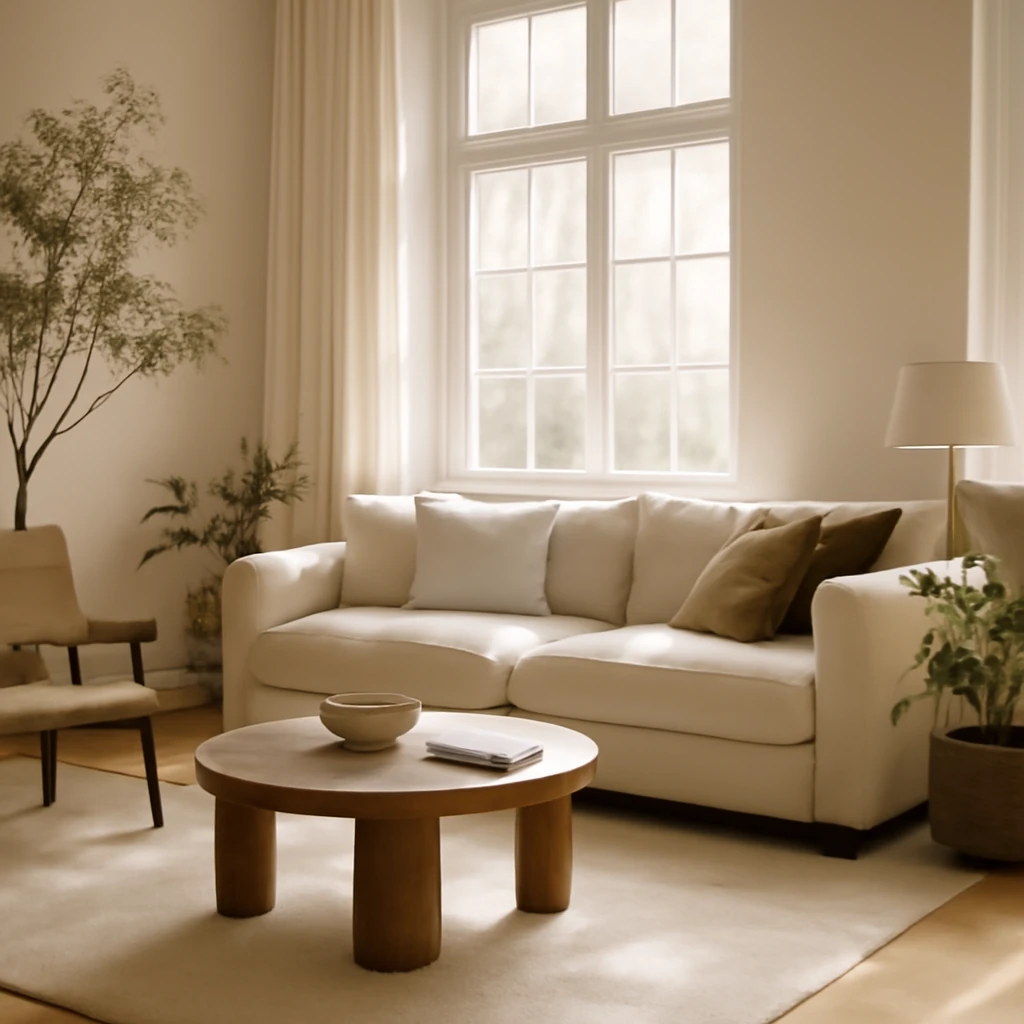
Minimalist interiors: a philosophy for calm, functional living
Minimalism in interior design is more than a style choice, it is a philosophy of life that favours simplicity, utility and serenity. In European homes - from compact city flats to generous townhouses - the minimalist approach translates into spaces that are calm, cohesive and deeply intentional. It is not merely about removing items, it is about selecting pieces that serve a purpose, offer beauty, and create conditions for focused living. The result is a meditative, almost ritual space where everyday routines become more efficient and more enjoyable.
In this feature we explore how modern minimalism is transforming living spaces across Europe - from the way furniture is chosen to how light is managed, how materials read, and how a home can feel more expansive with restraint.
Why is minimalism so popular today?
Minimalism has gained traction in contemporary life for several cultural, social and economic reasons that resonate across European contexts. It offers a refuge from sensory overload in a world saturated with information, products and stimuli. It champions quality over quantity in an era of over-consumption and rapid turnover. It aligns with sustainable living through thoughtful purchases and enduring craftsmanship. And it delivers a clear, modern aesthetic that feels calm, timeless and adaptable to different architectural typologies - historic townhouses, contemporary apartments, and everything in between.
Key drivers of its appeal include:
- Finding calm in a noisy world. In busy cities, a pared-back interior helps reduce visual clutter and cognitive load. Simple lines, restrained colour palettes and carefully chosen objects contribute to a sense of order, which in turn supports focus and wellbeing.
- A response to consumer excess. Across Europe, minimalism encourages a shift from accumulation to selectivity: investing in a few well-made items that perform multiple functions and endure over time.
- Timeless aesthetics. Minimalist spaces are inherently contemporary yet unfashionable, avoiding trends that quickly date. Clean, geometric forms and honest materials often feel permanent rather than fleeting.
- Functional simplicity. The beauty of minimalism lies in its practicality: furniture that is ergonomic, storage that is hidden yet accessible, and layouts that prioritise movement and light.
As urban living evolves, minimalism provides flexible strategies for smaller dwellings and larger homes alike, enabling spaciousness without sacrificing warmth or character.
The origins of minimalism
The mature form of minimalist design emerged in the mid‑20th century, gaining traction in the United States and Europe through architecture, interior design and art. Critics and practitioners treated minimalism as a response to ornamentation and excess, advocating clear forms, restrained colour, and the idea that “less is more.” Prominent architects and designers emphasised honest materials, simple geometry and a direct relationship between spaces and their inhabitants. Over decades, minimalist ideas have evolved, integrating human-centred planning, sustainability and new technologies while retaining core principles: simplicity of form, clarity of function and an emphasis on light, air and proportion.
In Europe, minimalist design often intersects with regional traditions - Scandinavian warmth and natural materials, Mediterranean light and tactile textures, or contemporary urbanism in compact city layouts. The result is a flexible, adaptable language that can be tailored to historic contexts or new-build schemes, always with a keen eye on proportion, material truth and the everyday rituals of living.
What is minimalist design based on?
Simplicity and clarity of form
Minimalist design prioritises clean, unadorned shapes and straightforward geometry. It removes gratuitous ornament and reduces decorative motifs to essentials, letting the form and function of each object speak for itself. This clarity creates a calm backdrop for daily life and makes architectural details or sculptural objects stand out deliberately.
Functionality
Every item is evaluated for purpose and durability. Minimalist interiors favour multi‑use furniture, modular systems and thoughtfully integrated storage that keep spaces uncluttered while remaining highly usable. Ergonomics, comfort and ease of maintenance are non‑negotiable considerations in the selection process.
Limited materials and restrained colour
A practical palette - often neutral with occasional restrained accents - helps to unify spaces. Materials are chosen for honesty and tactility: natural woods, stone, glass, concrete, metals and textiles that age well. Texture becomes a primary means of depth and interest, rather than colour alone.
Harmonious integration with the surroundings
Minimalist interiors are conceived in dialogue with their environment - whether a sunlit courtyard, a timbered exterior, or the cool geometry of a city apartment. The aim is a coherent relationship between indoors and outdoors, with views, daylight and material choices supporting a sense of continuity.
Avoidance of excess and decoration
Decor is intensely curated. Objects are selected for meaning, colour, texture or storytelling value, not merely to fill a space. The result is an environment that feels curated and thoughtful rather than crowded or ornamental.
When planning a minimalist project, consider a structured workflow: define the core functions of each room, photograph or sketch a simple layout, then test the space for movement and light before introducing any new pieces. This disciplined approach helps ensure the space remains serene and functional rather than merely sparse.
If you are starting a project, consider a consultation with a professional designer to distil your priorities and establish a clear brief. A well‑defined brief can save time, reduce waste and ensure a cohesive outcome.
Minimalist design in European apartments and houses
Furniture
Creating a minimalist interior in a European dwelling requires furniture that emphasises function and restraint. Pieces should feature simple, well‑proportioned forms with clean lines and a light footprint. Avoid visual heaviness, instead, opt for low‑profile sofas, wall‑hung shelves, and streamlined storage that can be concealed behind doors or within cabinetry. In living spaces, a pared‑back approach often means a single, well‑designed sofa, a minimal coffee table and discreet media placement. In bedrooms, built‑in wardrobes with flush fronts, bed frames with slender profiles and simple bedside tables help to maintain a calm, uncluttered atmosphere.
Another crucial principle is multi‑functionality. For example, a sofa with integrated storage, a coffee table that doubles as a work surface, or wall panels that house lighting and media equipment. In compact dwellings, furniture can be modular, enabling flexible configurations for day and night use. When selecting pieces, prioritise quality over quantity, ensuring every item remains useful for many years.
In kitchens and dining areas, consider handle‑free cabinetry, flush doors and hidden storage to create a seamless flow. Built‑in appliances and concealed services maintain the clean aesthetic and make cleaning easier, reinforcing the sense of a well‑ordered space.
Materials and textures
Minimalist spaces thrive on high‑quality materials with honest finishes. Wood, stone, concrete, glass and metal are used with restraint to establish a tactile, layered environment. Pair smooth, refined surfaces with rougher textures to add interest without visual noise. For example, a polished concrete floor can be balanced by warm timber furniture or linen upholstery, creating a balanced dialogue between cool and warm tones.
Natural materials should be chosen for their sustainability and longevity. In renovation projects, consider restoring original architectural elements where feasible and pairing them with modern, understated fittings. Subtle contrasts - such as a matte brick wall against a glossy tiled surface or a soft wool rug on a hard‑wearing floor - contribute depth without clutter.
Colours and tones
Color in minimalist European spaces tends toward restraint: whites, off‑whites, soft greys, stone and sand tones. These hues promote airiness and reflect natural light, making rooms feel more expansive. Accents are used judiciously to provide depth and personality - think a single chair in slate blue, a charcoal rug, or a burnt‑orange throw used in small, strategic doses. The aim is harmony, not ornamentation, so colours should be carefully balanced across surfaces and textures to avoid visual discord.
When in doubt, adopt a two‑to‑three‑colour scheme across a room or a whole home, with one dominant neutral and one or two restrained accents. If you wish to introduce colour, apply it to textiles, artwork or a feature wall in a controlled, intentional way rather than across multiple surfaces.
Decor
Decor in a minimalist space is a curated selection of meaningful objects. Choose artworks, sculptures or textiles that resonate with your lifestyle and the architecture of the space. Avoid overcrowding surfaces, allow a few pieces to stand with presence and give the eye a place to rest. Greenery is welcome, provided plants are simple in form and well placed to enhance light and air rather than crowd corners.
Functional décor can be integrated as well: lighting fixtures that act as sculptural elements, a vase that doubles as a storage vessel, or a clock that contributes to the wall's composition. The overarching principle is to avoid accumulation for its own sake, favouring quiet, refined items that gain meaning through their use and context.
Textiles
Textiles in minimalist interiors prioritise quality, touch and proportion. Choose natural fibres such as linen, cotton, wool or hemp in solid colours or with a subtle texture. Avoid busy patterns, if texture is desired, look for subtle weaves or tonal variations rather than loud prints. Curtains, upholstery and cushions should feel luxurious yet understated, contributing tactility and warmth without visual clutter.
Rugs can anchor a room, but select those with a simple, predictable pattern or a solid colour that complements the overall palette. A carefully chosen textile ensemble can dramatically influence the perceived warmth and softness of a space, making it more inviting without sacrificing simplicity.
Lighting
Lighting is crucial in minimalist interiors because it defines space, creates atmosphere and enhances the perception of size. Choose streamlined fixtures with clean lines and unobtrusive detailing. Avoid overly ornate lamps and favour concealed or recessed lighting where possible to maintain uninterrupted sightlines. Layer lighting to define zones: ambient light for general illuminance, task lighting for work areas and warm accent lights to highlight textures or architectural features.
Maximising natural daylight is a central strategy in European minimalist design. Large, unobstructed windows, light, sheer window coverings or even opening spaces to outdoor dining areas or balconies can dramatically increase the sense of air and space within a home.
Finishes: walls, floors and ceilings
Walls
Wall treatments in minimalist interiors are typically subtle and uniform. Neutral paint colours such as white, soft grey or warm beige are standard, with textured finishes used sparingly to add depth. Avoid busy wallpapers, if art is installed, give each piece breathing room by maintaining generous margins around it. Built‑in shelves or bookcases painted to match the wall create a seamless, cohesive look and help maintain emptier surfaces.
Floor
The floor is a crucial variable in minimalist design. Choose materials with durability and a quiet ground plane: light or medium‑toned timber, polished concrete, or large, seamless stone tiles. Rugs should be restrained in scale and pattern, harmonising with the flooring while inviting comfort underfoot. In kitchen and living areas, continuity of floor material across spaces can visually expand the footprint and support a unified aesthetic.
Ceiling
Ceilings in minimalist interiors are typically simple and white, enhancing light diffusion. Where architectural interest exists, it should be introduced through light fittings, skylights or clean, linear coves rather than ornate mouldings. In some spaces, a restrained perforated or acoustic ceiling detail can improve comfort without compromising the clean silhouette of the room.
If you are planning a renovation, focus on the cohesion of these three surfaces - walls, floor and ceiling - as a backbone for all other design decisions. A disciplined approach to finishing will make later furniture and decor choices feel deliberate rather than decorative.
If you would like professional guidance on a European minimalist project, our design team offers tailored consultations to help distil your priorities and translate them into a coherent spatial plan.
Minimalist design in bedrooms
Bedroom design in a minimalist style
In a minimalist bedroom, limit the furniture to essentials: a bed with a slim, unobtrusive frame, simple bedside tables, and built‑in storage that keeps clothing out of sight. The emphasis is on quiet lines and calming textures. Colour should remain neutral, with warm accents in textiles or soft lighting to create a cosy atmosphere. Choose simple lighting - for example, wall lamps or pendant lights with clean silhouettes - to provide functional illumination without visual clutter.
Kitchen and bathroom: the minimalist approach
A minimalist kitchen prioritises integrated storage and seamless surfaces. Choose cabinetry with handleless fronts or minimal hardware and ensure all appliances are fully integrated, so surfaces remain uninterrupted. Countertops should be non‑busy and easy to clean, and the overall colour palette should stay restrained to maintain a sense of order.
In bathrooms, select fittings with smooth, uninterrupted lines and finishes that age well. Washbasins, toilets and shower enclosures should read as cohesive elements within the room, with concealed plumbing and hidden storage to preserve the calm aesthetic. Subtle, high‑quality tiling and reflective surfaces can help bounce light while maintaining simplicity.
Living room and entrance hall
In living areas and foyers, keep the footprint light and the composition clear. Use a restrained palette, geometric seating and a small number of sculptural objects that contribute to the room’s rhythm. A wall‑hung television, if present, should be integrated into cabinetry to avoid visual intrusion. The entrance hall should feel generous and uncluttered, with storage solutions that hide everyday items behind clean fronts, creating an immediate sense of calm as one enters the home.
Children’s rooms in a minimalist language
A minimalist approach for children’s spaces centres on adaptability and safety. Use low, functional storage for toys and clothes, with furniture designed to grow with the child. Avoid bulky furnishings and busy patterns, instead, opt for neutral foundations and playful, durable textiles and soft furnishings that can be easily updated as tastes and needs evolve. Educational elements and creative activity zones can be incorporated within the same restrained framework, encouraging learning without visual noise.
Styles and directions within modern minimalist interiors
Scandinavian minimalism
Originating in the northern European countries, Scandinavian minimalism is characterised by warmth, light and natural materials. The emphasis is on maximising daylight and using humble, honest materials such as untreated or lightly finished wood, linen, wool and cotton. Furniture tends to be functional and unpretentious, crafted from timber with forgiving, durable finishes. Textiles are natural and tactile, with soft neutrals and restrained colour accents that create hygge‑like warmth without sacrificing the clean lines of the space.
In Scandinavian minimalism, the idea of “cozy simplicity” is central: spaces are bright, comfortable and human‑scaled, inviting you to linger rather than rush through. The result is a home that feels energised by light and softened by texture, with a practical, everyday elegance that endures.
Japanese minimalism
Japanese minimalism translates the philosophy of restraint into a refined spatial language. It foregrounds purpose and order, with an emphasis on essential objects, clean surfaces and ample negative space. Storage is hidden and streamlined, furniture is compact and multifunctional, designed to free up space for movement and contemplation. Materials are natural and undemanding - wood, bamboo, cotton and linen commonly used to achieve a serene, breathable ambience.
In practice, this form of minimalism often employs sliding doors or partitions to reconfigure rooms and manage light, enabling flexible living patterns. The aesthetic invites quietness and mindfulness, where each item has a reason for being present.
French minimalism
French minimalism blends classical elegance with contemporary simplicity. It embraces refined quality and a crafted, understated luxury. You may find traditional architectural elements such as mouldings or fireplaces retained or restored, paired with modern, minimalist furniture and decor. The palette is typically neutral - cream, ivory, pale grey - with deeper tones employed as accents to create depth and drama without clutter.
In this approach, comfort and sophistication coexist: well‑made furniture, exquisite textiles and a measured use of decorative touches contribute to spaces that feel both serene and intrinsicly chic. The aim is to achieve spaces that are functional and stylish, without sacrificing warmth or personality.
Expert tips for successful minimalist design
- Use neutral colours as your base, but do not fear adding accent colours to give the space individuality. Choose a single colour as your accent and apply it consistently in textiles or small details.
- If planning a renovation, clear the space of unnecessary items and interrogate each possession with the question: “Do I truly need this?”
- Prioritise practical furniture with integrated storage and multi‑functional uses to maintain order and reduce clutter.
- Prioritise natural light and open space to cultivate a sense of airiness and freedom. Reflective surfaces and large windows can amplify daylight and visual space.
Conclusion
Minimalist interior design in Europe does not require expensive materials or ostentatious furniture. The essence lies in harmonious integration: every item should harmonise with the others, endure through time, and contribute to a space that feels larger and more serene. It is possible to start with a few well‑chosen pieces or a precise reorganisation of layout, and gradually build a cohesive minimalist home. If you would like professional guidance, a consultative service from a qualified designer can help you distill priorities, translate them into a practical plan, and realise a minimalist interior that age‑well and remains gracefully timeless.
Take the next step
Whether you are revitalising a historic dwelling or designing a contemporary apartment, the minimalist approach offers a flexible, human‑centred path to a calm, functional home. Begin with a clear brief, assess the natural light and traffic patterns, and let quality materials and disciplined proportion lead the way. In this way, minimalism becomes not a constraint but a powerful framework for living well in European spaces.
You may also like these articles
 Tips & How-To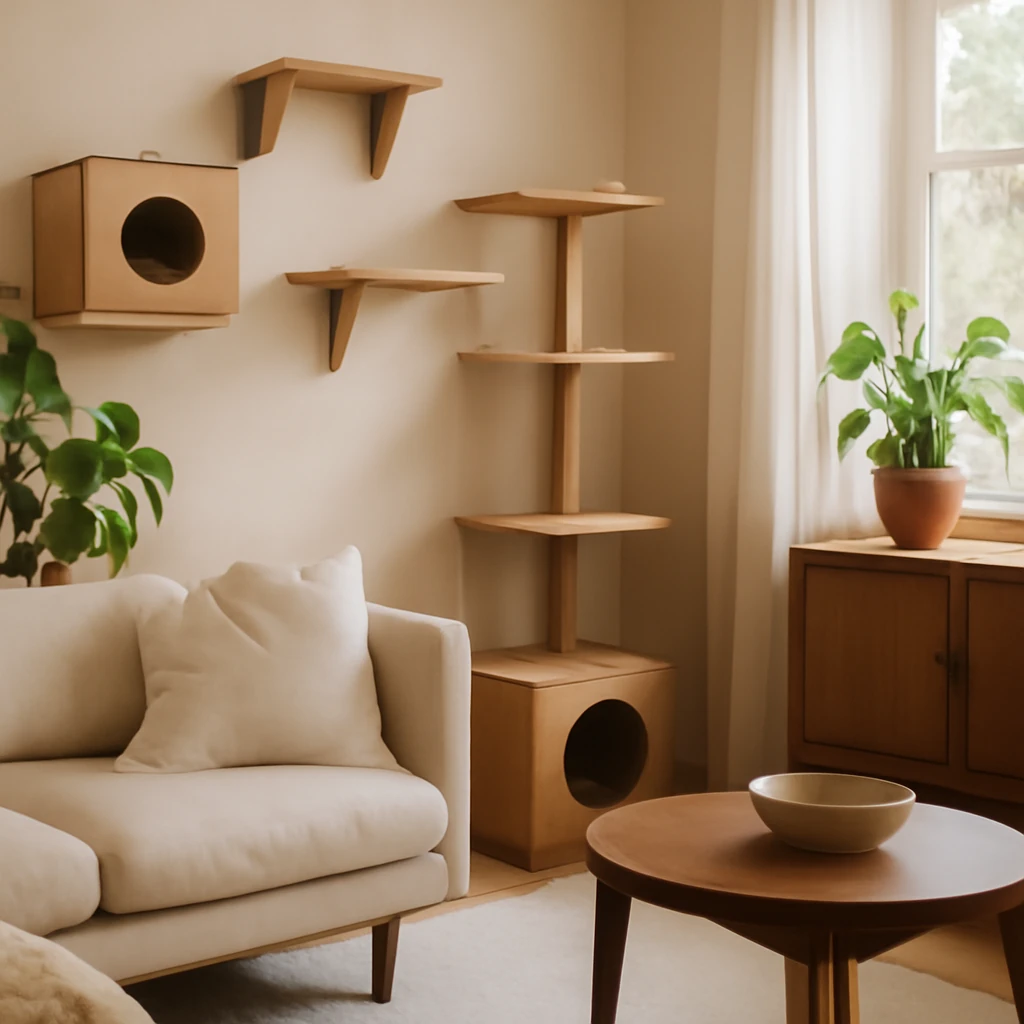
Designing modular, cat-friendly interiors: a European DIY guide to feline furniture
A stylish, space-saving DIY guide to cat furniture for European homes.
Bedroom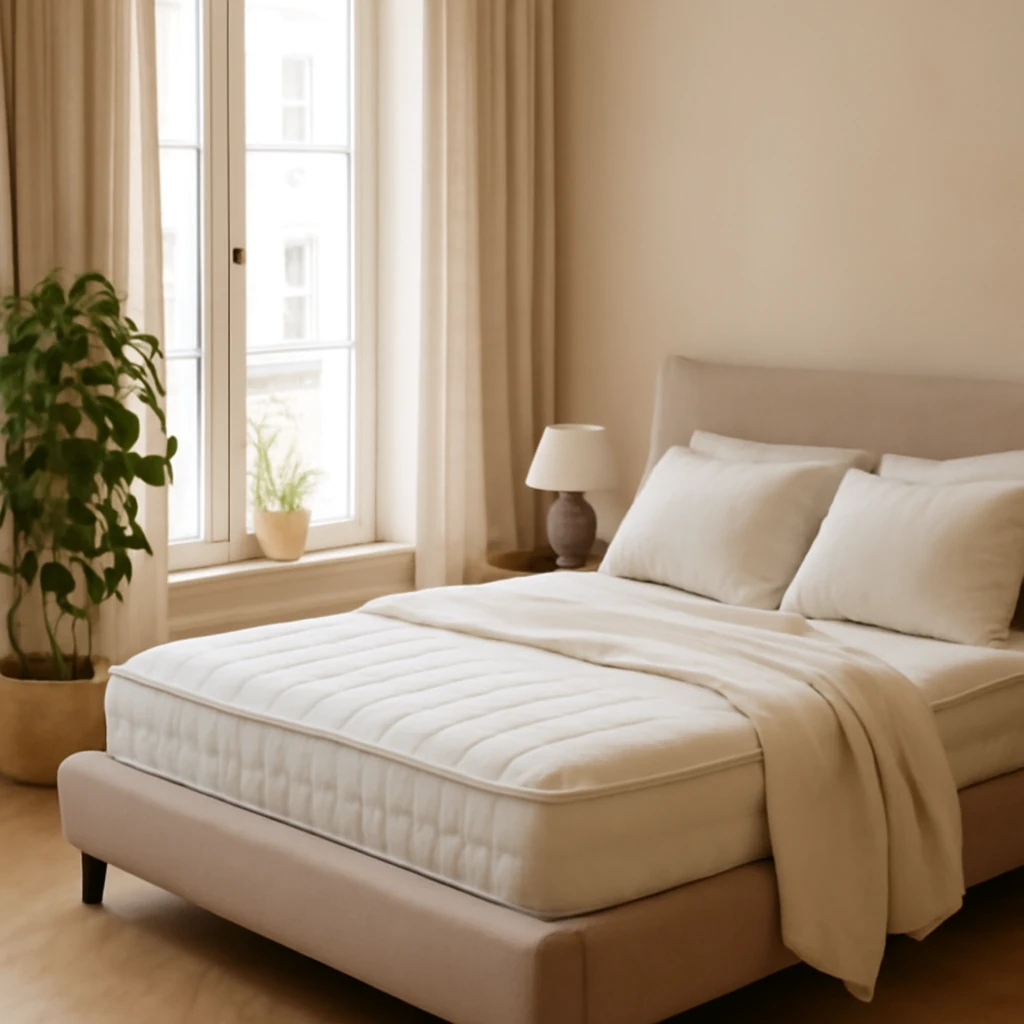
How to Choose the Right Mattress for Your European Bedroom
A practical guide to selecting the perfect European mattress for comfort and support.
Kitchen Design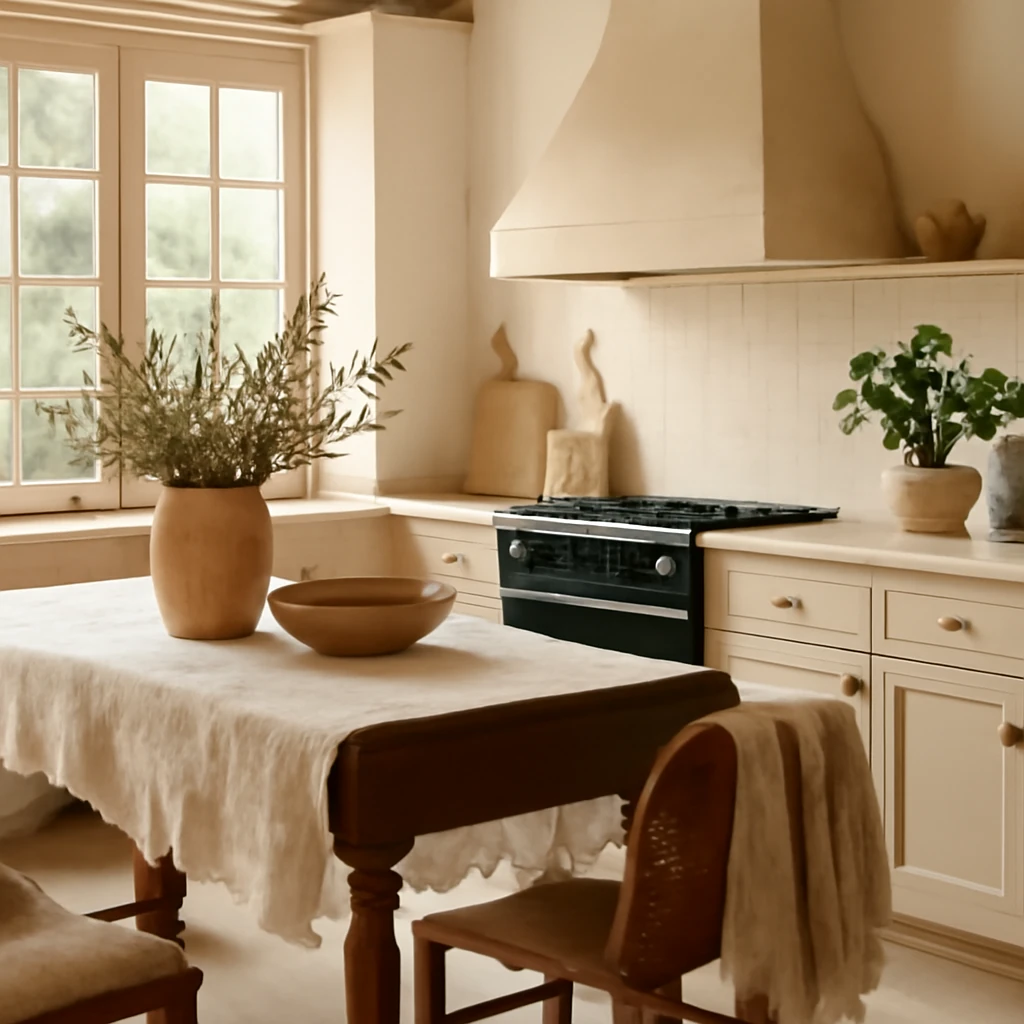
The Timeless Allure of Provencal Kitchens: A European Guide to Rustic Elegance
Sunlit Provencal kitchen design for European homes: rustic charm meets modern living.