
Explore interior trends, AI design insights, styling guides and real transformations
Small Kitchen, Big Style: Designing a 12 m² Kitchen Across Europe
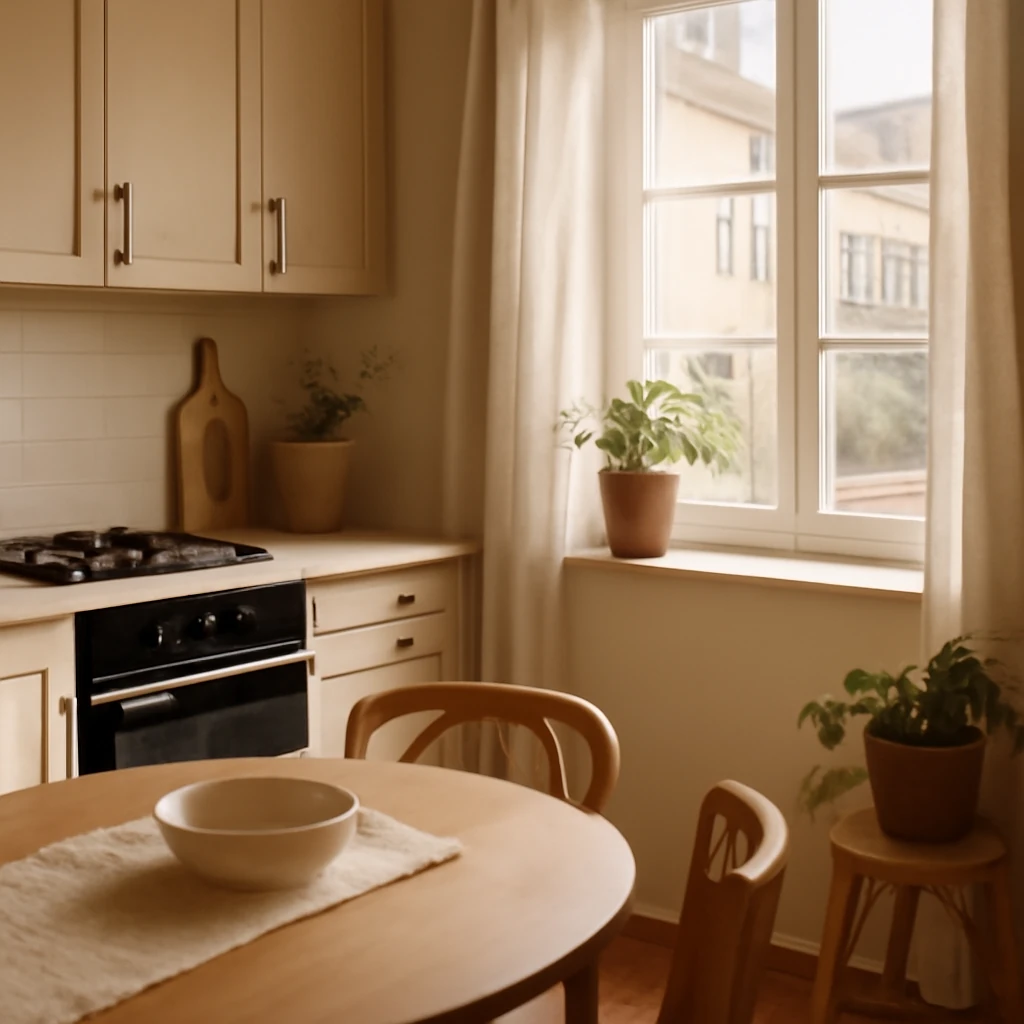
Introduction: designing a 12 m² kitchen for European homes
In many European homes, a kitchen measuring around 12 square metres sits at the heart of daily life. It is not merely a box for cooking, it must function as a workspace, a dining area and often a social hub for family and guests. The challenge is to balance storage, appliances, seating and circulation within a finite footprint, especially within older blocks or purpose-built flats with diverse layouts. A well-considered approach to layout, materials and finishes can transform a compact kitchen into a space that feels generous and well organised.
Across Europe, apartment layouts vary from compact city flats to more expansive loft-like spaces. The common thread is the need to maximise every square metre without compromising ergonomics or ambience. The guidance below translates broadly applicable principles into practical strategies you can apply in most European contexts, whether you live in a limestone townhouse, a pastel-painted panel block or a modern new-build.
Practical layouts for 12 m² kitchens
With 12 m² of floor area, the kitchen can take multiple form factors. The key is to define a clear working triangle between the sink, hob and fridge, while ensuring there is sufficient space for food preparation and dining. The layouts described here are among the most common in European renovations and new builds for this footprint.
- L-shaped kitchen: uses two perpendicular walls to create a generous work zone and a natural corner for storage.
- Straight run along a wall: all units placed along a single wall, ideal when the opposite wall is fixed by a window or structural element.
- Two-row kitchen: parallel runs along two walls with a central circulation aisle, offering efficient work zones and more storage.
- U- or P-shaped kitchen: a compact zone with a continuous work surface, excellent for highly functional cooking and integrated storage.
- Open plan kitchen-dining-living: a combined space that requires careful zoning to avoid clutter and to define different activities.
These layouts are adaptable to most European interiors. The choice depends on the room’s proportions, the position of doors and windows, and how you want to balance cooking with dining and relaxation. In many homes, the most functional solution integrates more than one layout, combining a primary work zone with a secondary dining or seating area that is visually and physically distinct from the cooking area.
L-shaped kitchen
The L-shaped arrangement makes efficient use of corner space and is one of the most versatile solutions for 12 m². It creates a distinct work zone along the two walls and leaves one area available for a dining table or a small sofa. The advantages are clear: you can separate wet and dry zones, place the sink near a window for natural light and ventilation, and position the hob on the opposite wall for a comfortable workflow. When space allows, it is worth extending tall units to the ceiling to maximise storage without encroaching on floor space.
In practice, an L-shaped kitchen can host a compact fridge tucked under the counter, a slim dishwasher next to the sink, and a two- or four-burner hob. The counter length along each wall should be planned to maintain a comfortable working triangle and leave room for occasional dining with a small table against the longer wall or in a corner that remains free for passage.
Straight run along a wall
If the room’s best configuration is a single, long wall, a straight-run kitchen can deliver a clean, uncluttered look. This arrangement works well when there is a window on the same wall or when structural elements limit corner work. For practicality, place the sink and hob within easy reach of each other and ensure there is a clear space for food preparation between cooking and cleaning zones. A tall pantry unit along the end of the run can provide substantial storage without interrupting the overall line of the kitchen. When possible, consider placing the dining area on the opposite wall or at the opposite end of the room to maintain good circulation.
To avoid the space feeling single‑purpose, employ a deliberate material and colour strategy. A lighter colour palette with uniform cabinet doors can visually extend the length of the wall, while a contrasting countertop or a timber edge can add warmth and depth.
Two-row kitchen
A two-row, or two-wall, layout is particularly efficient in rooms with a long rectangular footprint. One row can carry the sink and dishwasher, while the opposite wall hosts the hob and oven. The key is to maintain a minimum clearance of about 1,2 m to 1,5 m between the two runs, ensuring comfortable movement and safe appliance operation. If the space is narrow, consider compact, integrated appliances and a shallow-depth counter to preserve legroom.
In cases where dining belongs on the same footprint, you might locate a narrow extendable table or a fold-down table between the two rows. This keeps the central area open while still providing a functional dining surface when needed. If the kitchen doubles as a lounge, a small sofa or a pair of compact, modular chairs can be arranged in proximity to the dining zone, with careful attention to glare-free lighting and acoustic comfort.
U- and P-shaped kitchens
U- or P-shaped configurations create a continuous work surface around three sides of the space, offering substantial storage and a generous counter area. This layout is particularly effective when the room is square or near-square. The central island is a natural extension of the workspace, but in a 12 m² footprint the island should be compact and low-profile to preserve sightlines and circulation. A peninsula can substitute for an island, providing a seating area while keeping the workflow intact.
In European projects, U- and P-shaped designs often emerge in renovated flats where one wall has to accommodate a tall cabinet run, leaving the other walls to house appliances and seating. Where possible, soften the geometry with rounded corners on wall units and integrate a shallow breakfast bar to invite informal dining without reducing space for movement.
Open plan: zoning a 12 m² kitchen and living area
In many European homes, especially in city apartments or compact new-builds, the kitchen shares a single enlarged space with a living or dining zone. This kind of open plan requires deliberate zoning to avoid clashes between activities and to create a sense of coherence. At 12 m², you can still achieve a well‑defined separation of functions without sacrificing light or airiness.
- Working zone: the cooking area should be clearly defined with a continuous countertop, task lighting and sufficient vertical storage. Place heavy equipment near the walls to keep the floor clear and maintain easy access to the sink, hob and fridge.
- Dining zone: a compact dining table or a narrow console that can double as a plate‑putting area keeps the space flexible. When possible, orient the table so it does not block access to the kitchen work zones.
- Relaxation zone: a small sofa or two comfortable armchairs can anchor the living side. Use a restrained palette and textiles to soften the space and create a cosy conversation corner without crowding the kitchen workflow.
Colour and materials can help define zones within an open plan. For example, you might use lighter tones for the cooking area to reflect light and maintain a clean, hygienic impression, while introducing warmer textures or a subtle colour accent in the living zone to create a sense of separation. Layered lighting - bright task lighting over the work surfaces, plus ambient lighting in the living zone and a dimmable mood light - helps to reinforce the different functions after dark.
Colour and materials: defining zones with tact
Your material choices can unify or distinguish the zones while keeping the space coherent. Consider these approaches:
- Light, reflective surfaces on cabinets and splashbacks to maximise daylight and readability of the work area.
- A warmer, tactile material such as timber or a textured laminate for the dining surface to invite socialising.
- A uninterrupted work surface along the main wall with bold, contrasting handles or a slim metal edging to bring in a contemporary edge.
- A subtle shift in colour on the cabinet doors that marks the transition from kitchen to lounge without breaking the flow.
A well-planned open plan also considers quiet zones. Even a compact space benefits from soft floor finishes and acoustic-friendly upholstery that dampens kitchen noise and creates a calmer living area overall.
Balcony access and extending space
Many European apartments feature balconies or loggias that can extend the kitchen’s functional area. Where feasible, opening up a balcony or conservatory to become a dining or coffee‑and‑snack zone can dramatically increase perceived space. If structural constraints prevent full opening, partial removal of partitions or installing a glazed partition can help integrate the balcony into the floor area while maintaining thermal efficiency.
When a balcony becomes an extension, treat it as an extra kitchen zone: a narrow, weather‑proofed space with a small counter, storage and seating can serve as a breakfast nook or a casual dining spot. Insulation, glazing and heating considerations are essential to ensure the space remains comfortable year-round. If insulation upgrades are not possible, use textiles and soft furnishings to visually soften the boundary between interior and exterior, and delineate with lighting or a rug to prevent the area from feeling like a crowded annex.
Where to place seating and sofas in compact kitchens
In kitchens of this size, large bulky sofas are rarely appropriate. The aim is to create seating that is light, flexible and proportionate to the room. There are several practical options:
- Modular and compact sofas: small, modular seating units that can be rearranged to suit different occasions help maintain flexibility.
- Corner sectionals on the open plan edge can anchor the living zone without dominating the entire room, especially if the corner is near a window or a balcony extension.
- Rectangular or banquette seating: a low-backed banquette along a wall or under a window can provide a practical dining area and storage underneath, optimising space usage.
- Two‑seat or three‑seat sofas with light frames: opt for slim profiles to maintain sightlines and airiness, pair with cushions for comfort and warmth.
Whichever option you choose, ensure that seating does not obstruct foot traffic between the kitchen work zones. A clear 1,2 m to 1,5 m corridor is a sensible minimum to preserve ease of movement and safety around hot surfaces and appliances.
Five design rules for a harmonious 12 m² kitchen
- Prioritise circulation: ensure there is a clear path between the sink, hob and fridge, with unobstructed access to the dining area.
- Maximise wall storage: install tall units that reach the ceiling where possible, use pull-out compartments and corner carousels to make every inch count.
- Choose compact, integrated appliances: consider slimline dishwashers, compact fridge-freezers and induction hobs that save space and keep surfaces neat.
- Design for light and air: light-coloured cabinetry and reflective splashbacks amplify daylight, ensure mechanical ventilation and windows can vent properly.
- Define zones with colour and texture: use subtle tonal shifts to signal transitions between cooking, dining and living areas, without creating visual fragmentation.
Other practical considerations include a plan for waste management, good accessibility to electrical sockets near work surfaces, and the ability to close off the kitchen if needed. Even in an open plan, visual separation is achievable with a change in ceiling height, flooring material or lighting layer rather than a physical wall. The result is a cohesive space that feels larger and more purposeful.
Colour palettes and materials for a 12 m² kitchen-living space
Colour and material choices profoundly influence how a compact kitchen feels. A well-considered palette can make a kitchen feel calm, bright and expansive, while also reflecting local architectural character and personal taste. Below are palette ideas that work well in European contexts:
- Soft neutrals with a colour punch: off-white, pale grey or warm beige for cabinetry, with a vibrant green, blue or terracotta accent used sparingly in accessories or a single feature wall.
- Monochrome with warmth: a predominantly white and grey scheme paired with timber accents and a warm metal finish for handles and appliances.
- Timber and stone: natural materials like oak or walnut timber fronts paired with a porcelain or stone-look splashback to bring a timeless, European sensibility.
- Soft pastels: muted pastel cabinets can brighten a small kitchen while staying sophisticated and timeless, especially when contrasted with a white or stone countertop.
- Minimalist harmony: high-gloss or matt-slab cabinetry in subtle tones with linear hardware and concealed appliances for a cohesive, pragmatic space.
When selecting materials, balance aesthetics with practicality. Durable, easy‑to‑clean surfaces are essential in kitchens. Consider high-quality quartz or ceramic countertops, stain‑resistant splashbacks and resilient flooring that can withstand humidity and traffic. Textural variety - through wood, stone, metal or tile - adds warmth and depth, preventing the space from feeling clinical.
Lighting the compact kitchen and living area
Lighting plays a crucial role in small kitchens. A layered approach enhances functionality and mood. Practical layers include:
- Ambient lighting: ceiling-mounted fittings or concealed coves to provide even illumination.
- Task lighting: dedicated light over the work surfaces, with adjustable fixtures near the sink and hob.
- Accent lighting: subtle lighting to highlight architectural features or display shelving.
- Under-cabinet lighting: a practical and stylish way to illuminate counters without washing the room in glare.
In open plan configurations, lighting can help define zones after dusk. For example, dimmable master lighting above the dining area with warmer tones can create a cosy area, while cool, bright light on the cooking zone keeps tasks efficient. A floor or table lamp in the living zone can add warmth and softness without compromising functional illumination in the kitchen zone.
Storage strategies for 12 m² spaces
Storage is where small kitchens often fight for space. The goal is to keep surfaces clear while making efficient use of vertical and under-surface storage. Consider the following strategies:
- Full-height cabinetry: cabinets reaching the ceiling maximise storage, use the topmost zone for infrequently used items with appropriate safe access.
- Corner solutions: carousels and pull-out systems maximise corner units, which are otherwise wasted space.
- Integrated appliances: choose built-in ovens, dishwashers and refrigeration to maintain a clean, streamlined line.
- Hidden storage: use pull-out pantries, integrated bins and clever dividers within drawers to reduce clutter.
- Multi-functional furniture: dining surfaces that double as preparation space or with seating integrated into storage units help to reduce footprint.
Storage should be practical, accessible and well organized. Labelled containers and transparent drawers can help maintain organisation, while modular systems allow you to reconfigure as needs change over time. For European homes with long-term plans for the space, consider a soft organisation system that can adapt to family needs, holidays and entertaining.
Furniture and seating for flexibility
Furnishing a 12 m² kitchen requires careful sizing and proportion. Overly large furniture quickly makes a space feel crowded. Consider the following approaches:
- Compact seating: a slimline sofa or a pair of compact armchairs with slender frames will not overpower the room, especially when placed with attention to sightlines and circulation.
- Extendable dining solutions: a drop-leaf or extendable table can accommodate guests when needed and tuck away to preserve floor space otherwise.
- Bench seating: a long, narrow bench along a wall can provide casual seating and additional storage under the seat, freeing up space for legs and movement.
- Softer edges: choose furniture with rounded corners or soft upholstery to reduce visual heaviness and improve flow within the room.
Remember that the best seating does not intrude on the kitchen workflow. If you are combining a living and dining zone, consider a soft barrier such as a rug and a slight change in ceiling or wall colour to visually separate the interests without creating physical barriers.
Energy efficiency and sustainability in a compact kitchen
Within European buildings, energy efficiency translates into long-term comfort and cost savings. When planning a 12 m² kitchen, look for appliances with high energy ratings, well-insulated cabinetry, and efficient lighting. A well-insulated balcony or window can reduce heat loss, while a heat-recovery ventilation system helps maintain air quality with minimal energy use. In renovation projects, pay particular attention to thermal bridging and ensure any new partitions or openings are well sealed and draught-proofed. Sustainable design is not only about materials, it is about designing a space that remains comfortable throughout the seasons with intelligent mechanical systems and sensible detailing.
Practical examples of zone planning for comfort and flow
When 12 m² must perform multiple roles, explicit zoning becomes essential. Consider these practical approaches to ensure comfort and flow:
- Clear boundaries: define the cooking area with cabinetry or a change in flooring to signal the transition to the dining and living zones.
- Shared surfaces: use a continuous work surface with a built-in dining edge so that cook and guests can share the space without crowding the main work zone.
- Seating proximity: place the dining area within easy reach of the kitchen but far enough to avoid heat and steam reaching the seating.
- Flexible partitions: consider sliding or folding partitions or a glass screen to temporarily separate spaces if needed, while preserving the sense of openness when open plan is desirable.
Final considerations and a European design ethos
Designing a 12 m² kitchen across European homes requires a thoughtful approach to function, proportion and style. The most successful schemes balance efficiency with warmth, clarity with flexibility, and modern convenience with timeless finishing. A well-planned kitchen should be as pleasant to spend time in as it is practical for daily tasks. The aim is a space that is not merely used, but enjoyed, a space that welcomes conversation, nourishes routine and ages gracefully with the home.
In summary, focus on strong storage and clear circulation, select compact but capable appliances, define zones with materials and colour, and choose furniture with the smallest possible footprint that still offers comfort. With careful planning, a 12 m² kitchen can feel generous, cohesive and beautifully European in character.
You may also like these articles
 Kitchen Design
Window-Wide Work Zones: Reimagining the European Kitchen
Practical guidance for creating efficient, stylish window-side work zones in European kitchens.
Outdoor & Terrace
Porch Steps That Endure: A European DIY Guide to Wooden and Composite Stairs
Step-by-step guidance for durable wooden and composite porch stairs.
Small Spaces
Compact living, big possibilities: planning a 6x6 metre home across Europe
Small footprint, smart design: five layouts for a 6x6m home.