
Explore interior trends, AI design insights, styling guides and real transformations
The art of deep cleaning: a practical guide for European homes
Introduction
In many European households, a thorough deep clean is both a generous act of care for the living space and a practical investment in health and wellbeing. A well-structured approach to cleaning - one that moves methodically from the top of a room to the floor - can save time, reduce fatigue, and protect delicate surfaces. This guide translates universal cleaning principles into a European context, taking into account the variety of homes across the continent: urban apartments, compact Cedents and maisonettes, and larger family houses with balconies or terraces. Whether you live in a centuries-old building with timber floors or a contemporary flat with smooth laminates, the core ideas remain the same: plan, organise, and execute with care, using appropriate products and techniques for each material.
What follows is a practical, room-by-room framework designed for busy professionals, families with children and pets, and anyone who wants to maintain a pristine home without turning cleaning into a full-time pursuit. The focus is on intelligent, efficient methods, safe and ethical products, and routines that can be adapted to suit your lifestyle and space.
How to clean - general rules
A deep clean works best when rooted in strategy. Without a clear method, even a motivated cleaner can feel overwhelmed, leading to time overruns or missed areas. Adopt a simple, repeatable system to keep spaces consistently clean and healthier for inhabitants.
- Start with planning: draft a practical plan that lists rooms, tasks, and a realistic time frame. A master checklist will prevent omissions and help you stay on track.
- Work from top to bottom: begin with upper surfaces, light fittings, and shelves, and finish with floors. Dust and grime fall downwards, so tackling higher surfaces first reduces the need to re-clean lower areas.
- Invest in reliable tools and well-tested products: quality cloths, microfibre fabrics, brushes, and a small assortment of cleaners appropriate for different surfaces will pay dividends over time.
- Dress for comfort: wear flexible clothing and comfortable shoes to maintain freedom of movement during longer sessions.
- Clean dry first, then damp wipe: remove loose dust with a dry method, then use slightly damp cloths for deeper cleaning, followed by a final polish if necessary.
- Don’t try to do everything in one go: if a home is large, split the task across days or weekends. For example, dedicate one day to the kitchen and hallway, another to bedrooms and living spaces. A phased approach reduces fatigue and raises the quality of results.
For best results, schedule deep cleaning in natural daylight when possible. Light makes it easier to spot smudges and streaks, enhancing efficiency and accuracy.
Regular deep cleaning is not merely a cosmetic exercise, it supports healthier living by reducing dust, mould, and allergens that can accumulate in unseen places.
We plan the work
Planning the cleaning routine has a dual benefit: it saves time and it reduces the mental burden of undertaking a large task. A clear plan gives you control, boosts confidence, and helps you balance daily life with a thorough refresh of the home.
Consider distributing the workload across the week or month, especially if you have a busy schedule. For instance, you could reserve Monday for bathrooms, Tuesday for the kitchen, and midweek for living spaces. A flexible plan can be adjusted to suit changes in routine or family life.
- Start with a master inventory: list every room and the tasks you want to complete (windows, floors, furniture, soft furnishings).
- Divide the work into stages and assign priorities: for example, set aside 2–3 hours for the kitchen, 1–2 hours for bedrooms, and 1–2 hours for the living room per session.
- Create a simple checklist to ensure nothing is missed and to track progress.
If it has been a while since your last deep clean, focus on typically overlooked areas - behind furniture, beneath beds and wardrobes, behind radiators, and ventilation grilles. In these hidden zones, dust, allergens, and occasional mould can accumulate. A thorough refresh in these spaces yields visible and tangible improvements in air quality and comfort.
Preparing equipment and cleaning products
Before you begin, gather a reliable kit. This reduces interruptions and keeps the workflow smooth. A practical cleaning kit might include: a sturdy bucket, a microfiber mop and cloths, brushes of varying stiffness, sponges, spray bottles, and protective gloves. Use colour-coded cloths to prevent cross-contamination: for example, yellow for kitchens, blue for glass and mirrors, green for bathrooms, and red for toilets. This simple system enhances hygiene by reducing the transfer of bacteria between zones.
Wear gloves to protect hands from aggressive cleaners and dry skin. Choose well-fitting, durable gloves - latex or nitrile versions are common and effective.
Always check expiry dates and ensure you have the essential products for the surfaces in your home. European interiors often combine stone, wood, metal, and textiles, each requiring careful product selection. Marble or natural stone surfaces, for instance, may be damaged by acidic cleaners, while wood benefits from gentle, water-based products and appropriate polishes.
When storing products, ensure they are securely closed and kept out of reach of children and pets. A tidy storage space minimises the risk of accidental exposures and makes it easier to locate everything when you need it.
Consider non-toxic, lower-emission options where possible. Eco-friendly formulas and refillable containers align with sustainability goals and balance performance with health considerations for your family and pets.
In a European home, the cleaning kit might include eco-friendly all-purpose cleaners, glass fabrics, multi-surface sprays, a stone-safe cleaner for countertops, and a dedicated wood polish. Use the cloth colours thoughtfully to protect sensitive surfaces.
What to use for different surfaces
The choice of product depends on surface type and finish. Here are practical guidelines for common European materials and spaces.
- In kitchens where grease and splashes are frequent, opt for cleaners with grease-cutting components. Citrus-based or mildly alkaline formulations are often effective without harsh becoming aggressive to surfaces.
- For glass and mirrors, use a dedicated window cleaner that leaves minimal streaks. A soft, lint-free cloth is ideal for achieving a clear finish.
- Bathroom tiling benefits from a product with antiseptic properties to combat mould and lime scale. Ensure it is compatible with the grout and won’t corrode metal fittings.
- Wooden furniture generally requires a gentle touch. Use water-based polishes or soft cleaners designed for wood to maintain the finish without leaving residues.
- Laminates and parquet floors should be cleaned with a barely damp mop or cloth to protect the finish. Always dry thoroughly after cleaning to avoid warping or swelling, especially in timber floors.
- Electronics and delicate surfaces - telemetry screens, laptops, microwave panels and remotes - should be wiped with dedicated electronics-safe wipes or cloths to avoid scratches or moisture damage.
When cleaning soft furnishings, check care labels and avoid saturating fabrics. For cushions, pillows, and upholstery, a steam cleaner or a vacuum with a fabric attachment can refresh without excessive moisture.
Replacing household chemistry with natural alternatives
For households with sensitivity or allergy concerns, natural cleaning agents can be both effective and kinder to skin and air quality. Common pantry staples can be powerful cleaners when used correctly.
Vinegar and water in equal parts is a versatile solution for glass and mineral residues. Bicarbonate of soda excels at scouring ovens, sinks, and stainless-steel surfaces. Lemon juice helps tackle lime scale and acts as a deodoriser. Warm water with a mild soap or detergent can refresh upholstery and fabrics. A few drops of essential oil - such as tea tree or lemon - can provide a pleasant, hygienic fragrance and added antimicrobial properties.
A basic all-purpose solution can be prepared as follows: 1 cup of water, 1 cup of white vinegar, 2 tablespoons of bicarbonate, and 10 drops of lemon essential oil. Store in a spray bottle for convenient use in kitchens, bathrooms, worktops, and floors. Avoid using acidic mixtures on natural stone or wood surfaces unless the product is explicitly stone-safe.
Natural cleaners can be highly effective, but always test a small inconspicuous patch first and follow the surface manufacturer’s guidelines to avoid damage.
Where to start the deep clean
The order matters. Start by decluttering and moving items to their places, then remove textiles such as curtains or throws to launder or air them. If possible, relocate furniture slightly to access the areas behind and beneath. The aim is not only to dislodge visible dirt but also to reveal hidden dust that can accumulate in corners and tight gaps.
Next, perform a dry top-down clean - dusting surfaces, light fittings, and high shelves with a microfiber cloth or a vacuum brush attachment. This preps the space so that subsequent damp cleaning does not recontaminate surfaces with loose dust.
Very often, many people start with the floors, but this is less efficient because furniture and fittings collected dust will fall onto freshly cleaned floors. The rule remains universal: clean from top to bottom, from the farthest corner of the room toward the door to avoid stepping on freshly cleaned areas.
With the space cleared and dusted, move onto windows, frames, and sills, then proceed to walls and furniture. Finally, mop or wipe the floors and finish with a gentle polish or buff where appropriate.
In a European home, this sequential workflow makes an immense difference in time and effort over repeated cleaning cycles.
Window cleaning
Clean windows not only improve light but also extend the life of the frames and seals. Use a cloth or lint-free wipe with a glass cleaner that leaves minimal residue. Clean on a cloudy day if possible, direct sun can dry cleaners unevenly, leaving streaks that are harder to remove.
Wipe frames, sills, and seals thoroughly. Pay attention to rubber gaskets and fittings where dust and grime accumulate. These parts often trap dirt and can be overlooked during routine cleaning.
Windows are a core component of a bright, welcoming home, and their upkeep benefits both aesthetics and mood.
Wetting cleaning of walls
Walls deserve attention, particularly in kitchens and entryways where splashes, splatters, and fingerprints accumulate. Use a slightly damp cloth with a neutral cleaner for painted walls. For vinyl or non-woven wallpapers, check care instructions and use a soft cloth with mild soap solution as a safe approach. For textured or delicate wall coverings, a gentle wipe with a soft microfiber cloth may be preferable to avoid damaging the surface.
- Wipe gently around switches, door handles and other high-use zones where grime builds up most quickly.
- In kitchens, focus on areas near the hob and sink where grease and moisture are prevalent.
- In bathrooms and corridors, inspect walls for mould and signs of damp, and treat with an appropriate antiseptic product if necessary.
Routine wall cleaning reduces the build-up of dirt and helps preserve paint and finishes over time.
Regular wall maintenance is a straightforward way to preserve a room’s character and long-term value.
Cleaning furniture
Start with dusting to lift surface particles and prevent scratching during deeper cleaning. Microfibre cloths are especially effective as they trap dust rather than simply pushing it around. Don’t neglect the back panels, internal shelves, handles, and legs of furniture, which can accumulate dust and pet hair.
Move heavy pieces away from walls occasionally to access the areas that tend to accumulate dust and debris. This is particularly important for high furniture such as bookcases and display cabinets, where visible dirt is a frequent indicator of the overall cleanliness of a room.
Upholstered furniture can be refreshed with a vacuum using a soft brush attachment. For stubborn stains, consult fabric care guidelines to choose appropriate cleaners or consider professional upholstery cleaning where appropriate. Don’t forget cushions and decorative items, which can harbour dust and mites - these should be aired, vacuumed or washed as recommended by the manufacturer.
Proper furniture care contributes to a healthier living space and prolongs the life of investment pieces.
Room-by-room cleaning algorithm
Different rooms require slightly different approaches, given their functions and materials. Below is a practical framework for typical European living spaces.
Living room
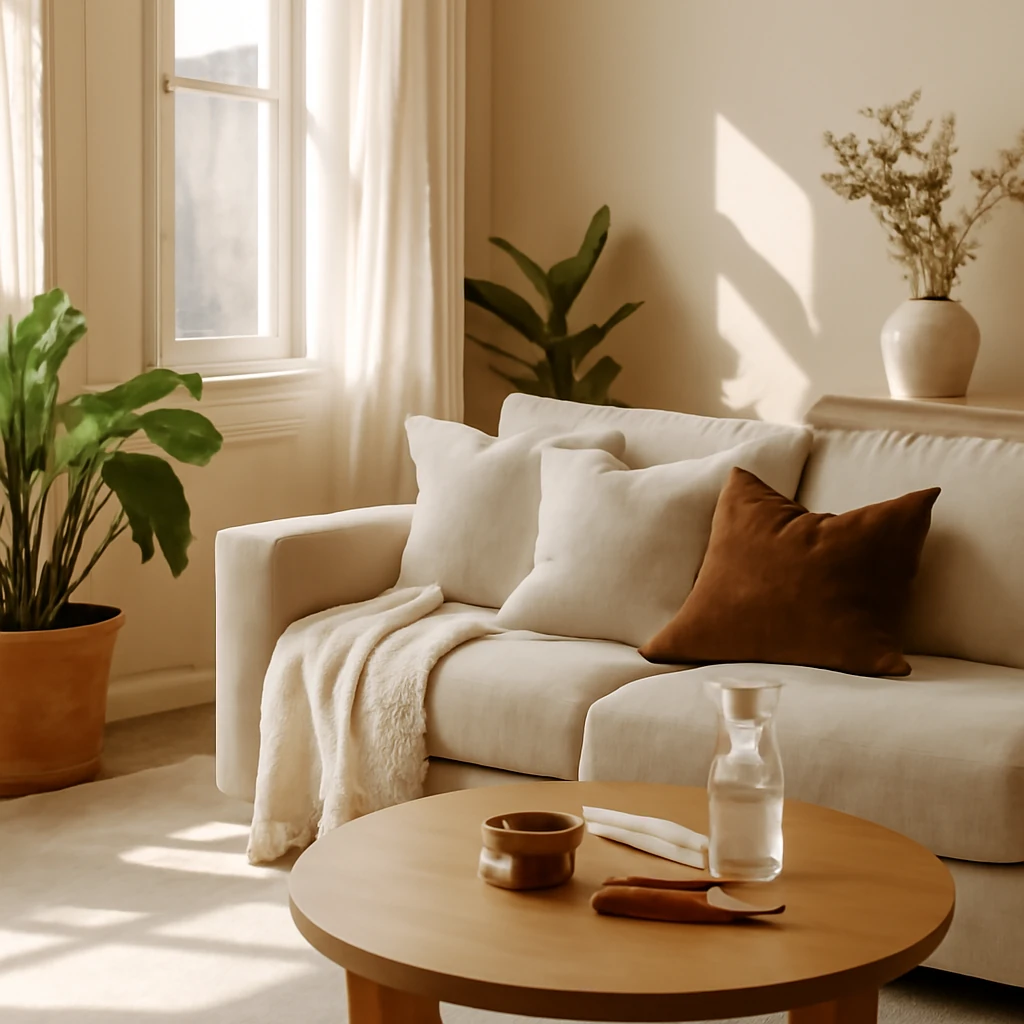
In the living room, clarity and calm are the goals. Begin by removing clutter - books, magazines, cushions - then vacuum the carpet or rug. Dust shelves, picture frames, and consoles, and wipe surfaces with a slightly damp cloth. If a fireplace exists, clean its surround and, if sized appropriately, clear the grate area. Finish by washing the floor or polishing hard surfaces as appropriate.
Keep decorative objects pristine by giving them a quick wipe during each deep clean, small surfaces can accumulate noticeable dust quickly.
For items on open display, consider placing them on regular scheduling to keep them consistently clean and ready to showcase.
Bedroom
The bedroom benefits from a tranquil, allergen-aware cleaning routine. Change bed linen, ventilate the mattress and air the pillows. Wipe dust from nightstands, mirrors, and bed frames. Inspect wardrobes: remove clothing, wipe shelves, and organise storage. Floors are addressed last, after all dry cleaning steps are complete. Linen, textiles and soft furnishings should be refreshed or cleaned as per their care labels to maintain fresh and hygienic sleeping spaces.
Finish with neatly made beds and a tidy appearance that supports restful environments.
Nursery or children's room
These spaces require careful attention to safety and non-toxicity. All surfaces - including toy storage, furniture, door handles, and windows - should be cleaned with child-friendly products. Regular wipe-down of toy surfaces is essential, and toys may need washing or occasional steam cleaning to ensure they remain sanitary. For younger children, involve them in age-appropriate tasks to teach good cleaning habits while keeping the atmosphere light and positive.
In this space, choose hypoallergenic products and avoid strong fragrances that may irritate sensitive airways.
Kitchen
The kitchen is often the most demanding room due to daily use and exposure to fats, odours, and moisture. Power down all appliances before cleaning. Wipe exterior surfaces of ovens, hobs, and range hoods, clean the interiors and any removable panels as per manufacturer guidance. Clean cabinet fronts and interior shelves, paying particular attention to the area around the sink. Use an antiseptic or anti-limescale product to tackle mineral deposits and ensure the sink and tap fixtures are gleaming. Don’t forget the interior of the trash bin and removal of odours from the bin itself. Finally, wipe shelving and internal surfaces to prevent residue and staining, and wash or replace textiles associated with the kitchen, such as curtains or chair pads, as needed.
Deep kitchen cleans benefit significantly from routine maintenance: a quick wipe-down after cooking prevents heavy build-up and reduces the effort required for periodic deep cleans.
Entrance and hallway
The entrance is the face of the home and a barometer of its cleanliness. Focus on the floor - tiles or wooden planks - ensuring it is free from grit that could be tracked indoors. Wipe surfaces such as mirrors, key shelves, and hooks. Check light fittings and switch plates for dust, and clean them as needed to maintain good illumination and a sense of order.
The hallway is a transit zone, keeping it pristine prevents dirt from spreading into other rooms. Use durable cleaning products that can stand up to frequent foot traffic and the occasional spill from coats or boots.
Bathroom and WC
A bathroom or WC is a zone of high humidity and bacteria risk. Begin with the toilet, using a dedicated cleaner and brush. Wipe the basin, taps, and mirrors, remove limescale from the shower or bath, and treat mould-prone corners with a suitable antiseptic product. Clean the floor, paying particular attention to grout joints. Don’t neglect the ventilation, clean the grille or fan to maintain effective extraction. Remember to inspect seals around the shower and doors, replacing or maintaining them as needed to prevent leaks and mould growth.
Give surfaces a final wipe to ensure a germ-free feel and a refreshing ambience.
Cleaning the floors
Floor care varies by material. Begin with dry cleaning - vacuum or sweep - to lift loose debris. Choose a cleaning solution appropriate to the floor type: laminate and vinyl floors respond to milder, non-alkaline products, stone and ceramic tiles benefit from products that include a mild disinfectant. When mopping, use a well-wrung mop to control moisture and avoid saturating wood floors, which can cause warping. For parquet or solid wood, use specialised products designed for wood finishes and ensure the floor is thoroughly dried after cleaning. In all cases, open windows or doors to aid drying and reduce humidity that could fuel mould growth.
Effective floor cleaning also involves transitioning from the far corner of the room toward the exit. This ensures you do not step on areas you have just cleaned and keeps the space organised throughout the process.
When cleaning floors, consider implementing a light polish or sealant in wooden areas where advised by the floor's manufacturer.
Final stage
At the end of the deep clean, re-check that you have achieved the desired results. Empty bins, launder cloths, and tidy away tools. Return items to their places, refresh the air with an opening of windows, and consider giving the space a light fragrance with a neutral diffuser or candle if appropriate for household safety.
Small touches matter: a vase of fresh flowers, a gentle scent, and a few decorative items in curated arrangements can help the home feel newly refreshed and create a sense of calm after a thorough cleaning.
How often should deep cleaning be performed?
The frequency of deep cleaning depends on lifestyle, household size, the presence of children or pets, and the level of foot traffic. As a general guideline, aim for a thorough refresh every two to four weeks. However, daily maintenance and lighter cleaning should occur more frequently to prevent the build-up of dirt and grime that makes deep cleans more arduous.
- Daily: wipe sinks, take out the rubbish, and ventilate rooms to maintain air quality and reduce odours.
- Weekly: change bed linen, vacuum, and mop floors to keep spaces consistently fresh.
- Monthly: clean inside the fridge, inspect ventilation paths, and refresh curtains or soft furnishings as needed.
- Quarterly and beyond: perform more intensive tasks such as deep cleaning behind heavy furniture, upholstery refresh, or professional cleaning for delicate fabrics or high-traffic areas.
Adopt a practical cheat sheet or calendar to track tasks and ensure all areas receive attention on a regular basis. The goal is a sustained sense of order, rather than sporadic, intensive efforts that leave rooms feeling exhausted rather than revitalised.
Final thoughts: making order a habit
Maintaining a clean, healthy home is not simply about a single, large event, it is an ongoing practice. By following a systematic, top-to-bottom approach and using appropriate products for each surface, you can keep your European home in excellent condition with less effort over time. Small routines - such as wiping down sinks after use, sweeping high-traffic hallways once a day, and airing rooms daily - help maintain momentum between deeper cleans. This approach integrates neatly with interior design goals: a tidy room feels more spacious, light appears brighter, and textures can be appreciated without interference from dust or grime.
In the long term, a well-executed cleaning plan supports not only aesthetics but also the tactile quality of materials. It protects finishes on wooden furniture, keeps mantelpieces free of grime, and prevents the gradual dulling of glass, mirrors, and metal fittings. A thoughtful, well-resourced cleaning routine is, ultimately, part of the design process itself - an act of care that enhances the living space and sustains its character for years to come.
Questions & answers
How should I organise cleaning by room? Which zones to prioritise?
Begin with a top-to-bottom approach in each room. In every space, start with ceilings, light fittings, and upper surfaces to remove dust, then clean furniture and fixtures, followed by walls and finally the floor. In the kitchen, prioritise the hob, fridge, and sink, in the bathroom, focus on sanitary fittings and grout, in the living room, tidy surfaces and electronics, and in bedrooms, handle wardrobes, mirrors, and bed frameworks. This sequence minimises recontamination and makes the process more efficient.
Adhering to this order in each room creates a reliable rhythm that reduces time and effort over repeated cleanings.
How often should a full deep clean of an apartment be scheduled?
Typically every two to four weeks, depending on use and lifestyle. High-traffic homes or households with children and pets may require more frequent attention. Pair a main deep clean with shorter, daily maintenance tasks to keep grime at bay and prevent overwhelming cleaning sessions. For allergy-prone households or those with very young children, more frequent refreshes may be beneficial.
Consistency is key: short, regular upkeep is far more manageable than sporadic, intense sessions that can be physically taxing and less effective in the long run.
How can I keep order after a deep clean?
Establish daily rituals and storage systems that reduce clutter and maintain cleanliness. Put things away immediately after use, use labelled storage boxes or baskets, and maintain a simple scheduling routine for quick touch-ups. Regular ventilation and humidity control help prevent mould and musty odours. A well-organised home, paired with a sustainable cleaning routine, supports a calm atmosphere and a stronger sense of home comfort.
By integrating these practices into daily life, your home remains both aesthetically pleasing and functionally efficient, with walls, floors, and furnishings preserved in excellent condition for longer.
You may also like these articles
 Bedroom
Bedroom Design in 2025: Seven Trends Shaping European Sleep Spaces
Seven trends redefining European bedrooms in 2025: calm, function and timeless style.
Small Spaces
Small-space Mastery: European apartments redefined for city living
Ten compact European homes show how small spaces can feel expansive.
Renovation
Wall Levelling: A European Guide to Perfect Walls
Practical, step-by-step guidance on wall levelling for European homes.