
Explore interior trends, AI design insights, styling guides and real transformations
The Sofa You’ll Love: Comfort, Craft and Clever Design for European Homes
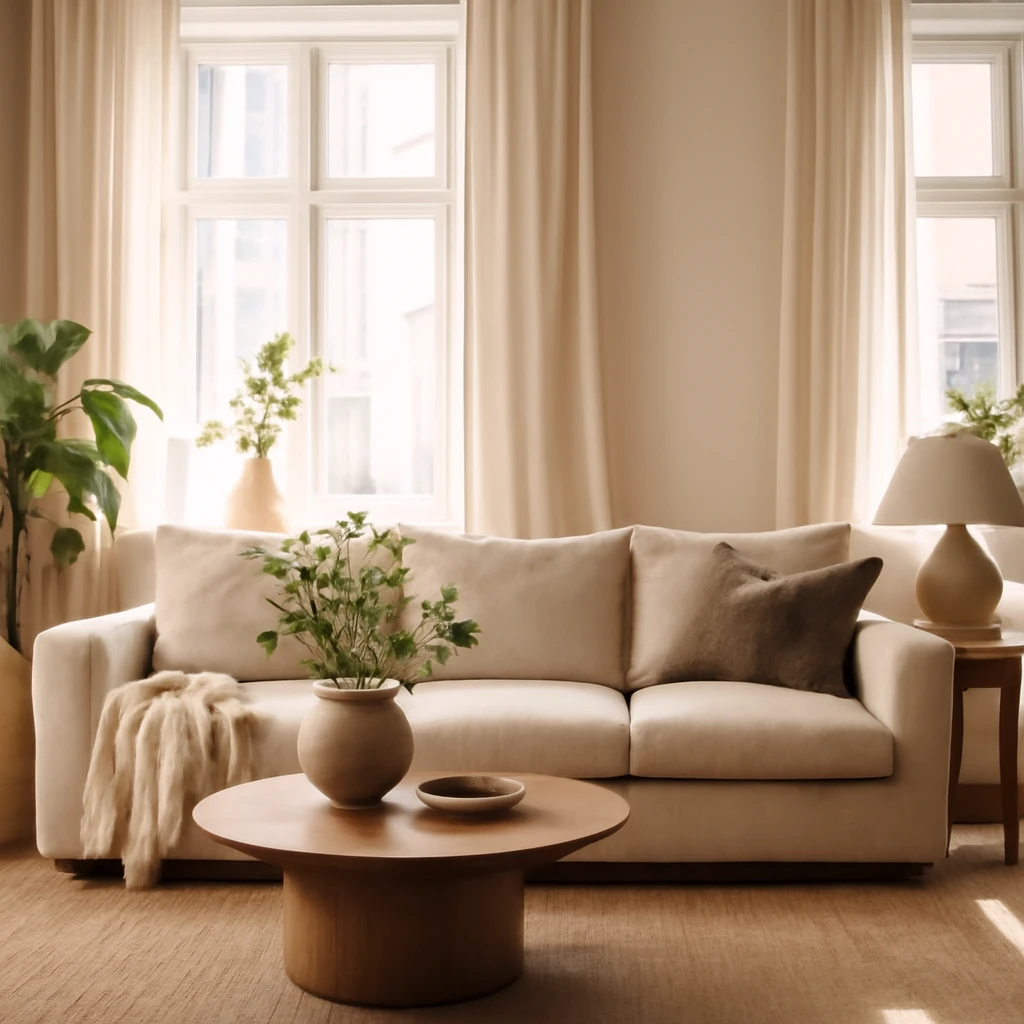
What makes a sofa truly comfortable
The notion of a good sofa is personal, but it is anchored in how well it fulfils its purpose. A soft, lounging sofa may be ideal for unwinding, yet not suitable for daily sleep. Conversely, a robust, timber-framed sofa may not suit those who prefer to rearrange furniture frequently. This guide explains the essential considerations to help you identify the best sofa for your space and lifestyle across contemporary European homes.
What sofas are most comfortable
For sleeping - a flat, even surface
Comfortable sleep comes from a surface that is flat, uniform and free of obvious hollows or ridges. For regular use as a bed, choose a sofa with a solid, continuous seat surface and no prominent seams between cushions. When two people sleep on a sofa bed, the transformation mechanism should create a mattress that lies evenly, with minimal gaps in the middle. Common European options include roll-out mattresses, accordion-type sleepers, and pull-out systems that ensure a smooth, level resting place.
To improve the sleeping surface further, a topper can be added. A thin mattress topper can even out minor irregularities, adjust firmness, and enhance comfort without adding bulk. When the topper is not needed, it can be stored in a wardrobe or dedicated storage within the furniture. If a thicker mattress is used, it can often be conveniently rolled and stored in a closet or storage area.
For seating - with a comfortable fill
The sofa’s seating comfort hinges on the fill. A cushion that feels inviting at first may behave differently once you sit for a while, depending on body weight and posture. Most manufacturers design for an average user around 100 kg per seat, but individual preferences vary. If your weight or how you sit differs markedly from the average, visit a showroom to test the model you’re considering - sit with your full weight and assess support and comfort, both with and without leaning back. Soft, inviting cushions can sometimes appear firm but offer exceptional comfort when used in practice. For different filling options, we discuss several common materials in more detail below.
Quality fillings should be resilient and rapidly regain their shape after use. If a seat develops a lasting indentation, the sofa may quickly lose its smart appearance and support. When evaluating fillings, consider how quickly the system recovers its original form and how well it returns to shape after daily use.
- Durable foam cushions with high resilience (HR foam) provide steady support and bounceback after use.
- Standard polyurethane foams vary in density, higher-density foams hold shape longer and resist sagging.
- Memory foams conform to the body for personalised support, then gradually regain form.
- Feather or down blends deliver a luxurious feel but may require more maintenance, look for an inner core of foam or fibre that prevents excessive shifting.
- Synthetic fibres offer good resilience and are easier to clean, making them suitable for households with children or pets.
A high-quality filling should be resilient and quick to recover its original form: prolonged sinking can ruin the sofa’s appearance and support.
For large families - modular sofas
A modular sofa, composed of individual elements, offers flexible configuration to suit changing spaces and activities. You can reassemble a straight sofa into an L-shape or a U-shape, split it into separate armchairs and ottomans, or reconfigure to create distinct seating zones. The modular format is especially practical in open-plan living rooms, family rooms, and multi-use spaces. The key is to choose components in consistent depths and heights so they can be combined seamlessly and reconfigured without gaps or awkward angles. For larger households, modular systems can also provide ample seating for gatherings while supplying comfortable, opportunistic sleeping options when required.
A modular sofa enables you to tailor the scale of the piece to your space and lifestyle, creating a cohesive seating arrangement that can be repurposed over time. When selecting modular components, consider the ease of reconfiguration, the strength of connection fittings, and the compatibility of seat depths with other furniture in the room.
Modular elements you may encounter
- Corner units that join at precise angles to form coherent L-shapes or U-shapes
- Independent sofa sections that can be used as standalone armchairs or arranged together
- Ottomans and poufs that can be linked to form chaise-like extensions
- Under-seat storage modules for bedding, blankets or seasonal items
What makes sofas truly durable
With a sturdy frame
The frame bears the structural load and largely determines the sofa’s longevity. The most robust frames are built from metal or solid hardwood. Frames built from engineered timbers or particleboard with a good framework can be affordable but may not endure as long as hardwood or metal constructions.
Metal frames can support substantial weight and are typically lighter, which makes moving a sofa easier and reduces stress on floor surfaces. A well-designed metal frame with reinforced joints can last for decades with regular use.
It is a common misconception that the sofa’s legs or feet are part of the frame. In a high-quality design, the frame remains independent of the legs, the frame supports the seating, while the feet or legs merely provide elevation and stability.
European sofas are available with frames in metal, solid wood, or a combination of both. Solid hardwood frames - especially from durable species such as oak, beech, ash, or walnut - offer superior strength but can add weight and cost. Plywood and engineered panels are often used to reinforce the structure where appropriate, balancing resilience with affordability.
Frames in European upholstery
- Solid hardwood frames for long-term durability and solid feel
- Metal frames for lightness and resilient support
- Hybrid constructions combining metal and timber for balance
With a reliable transformation mechanism
The transformation mechanism determines not only how the sofa becomes a bed but also how well the couch endures daily use. The most dependable systems include pull-out (roll-out) designs, accordion-type sleepers, and the pantograph mechanism, as well as the classic click-clack and other European favourites. The pantograph, which uses a telescoping linkage and a guided sprung system, enables effortless unfolding while minimising tilting or misalignment during operation.
Mechanisms with a smooth, well-engineered motion resist wobble and misalignment, preserving the sofa’s structure over time.
Popular sleeper mechanisms
- Pull-out or roll-out systems that extend a mattress from beneath the main seating
- Accordion (flexible) sleepers that fold into and out of the frame
- Click-clack or sofa-beds with an elastic or sprung support that flips into a resting surface
- Pantograph systems designed for easy, near-effortless conversion with consistent support
With an orthopaedic effect
A sofa intended for daily sleeping should offer a high-quality filling and an independent support structure. An ideal solution combines a supportive base with layers of comfort: a core of pocket springs or an innerspring unit may be paired with layers of high-density foam and a top comfort layer such as memory foam or dense fibre. Independent or pocket springs help prevent the springs from rubbing against each other, reducing noise and improving stability as you move through the night. This configuration delivers better spinal support and long-term durability.
Pocket springs can be arranged in a straight grid or a staggered pattern, the latter distributes weight more evenly and can be preferable for larger users.
Which sofas are the most practical
With robust armrests
Armrests are often more about proportion and durability than appearance. While not intended for daily use as seats, they must be strong enough to withstand occasional resting the forearm or light leaning. A useful design approach is to position armrests on sturdy, well-supported legs or directly on the frame, rather than relying solely on a soft, unsupported edge. For households with children or pets, opt for armrests that resist deformation and can bear minor impacts without cracking or detaching from the frame.
Durable armrests - whether solid or gently padded - help prevent accidental damage when children perch or adults recline near the corner.
With stain‑resistant upholstery
Upholstery with durable surface finishes performs best in active living spaces. Fabrics with stain-resistant finishes and tight weaves tend to resist snagging and accumulate less staining from everyday use. It is common to find fabrics treated with a coating or finish that makes cleaning easier, however, no fabric is completely immune to heavy staining or sharp marks. In families with children or pets, consider materials that balance ease of cleaning with tactile comfort and aesthetics. Avoid delicate fabrics in high-traffic zones unless you’re prepared for higher maintenance.
Among the widely used options are dense velvets and tightly woven fabrics with practical finishes, these tend to resist pilling and wear better in ordinary living rooms.
- Choose materials with a robust weave and natural resilience for busy living spaces
- Seek upholstery with a cleanable finish and proven stain resistance
- Test the fabric by sitting, rubbing and bending to gauge durability
Sofas that are easy to clean
Specific upholstery families are engineered for simple maintenance, including smooth surfaces that shed spills and easy-to-clean finishes. While no fabric is truly spill-proof, a well-chosen option can significantly simplify maintenance in homes with children or animals. For practical purposes, prioritise fabrics with stain resistance and a barrier finish that helps liquids bead away and makes blotting effective. Remember to follow the manufacturer’s care guidelines to retain the fabric’s appearance and performance over time.
With built-in storage
Storage within a sofa is incredibly advantageous in compact homes. Depending on the model, you may find:
- Bedding or seasonal storage within a lift-up or hinged seat base
- Hidden compartments beneath the armrests for small items such as remotes, glasses or chargers
- Under-base drawers or pull-out storage for toys and everyday clutter
Integrated storage helps keep living rooms tidy and makes the sofa a multi-functional piece of furniture rather than a single seating option.
In conclusion
- Comfort and purpose come first: choose a sofa that aligns with how you intend to use it, whether as a daily sitter, a guest bed, or a family gathering point.
- Quality cues matter: a sturdy frame, enduring fillings, a reliable transformation mechanism and practical upholstery together determine long-term performance.
- Practicality beats trend in busy homes: opt for robust armrests, stain-resistant fabrics and useful storage to maximise daily convenience and keep spaces orderly.
- In open-plan and small-space living, modular sofas offer expansive flexibility for seating and occasional sleeping arrangements, adapting to changing room layouts with ease.
- Always test in person: sit, lie down, and move around to understand how a sofa supports your body and whether the mechanism operates smoothly under real-life conditions.
Practical considerations for European homes
Across Europe, room dimensions vary widely, from compact city apartments to generous, daylight-filled living rooms. When selecting a sofa, measure both the length and depth of available wall space, ensuring the sofa can be delivered through doors and corridors with adequate turning room. If possible, sketch your floor plan and test several configurations in real life to visualise how the sofa will function with existing furniture, such as media cabinets, coffee tables, and storage units. For smaller rooms, consider narrower seat depths and modular configurations that allow you to re-arrange seating zones quickly for different activities, such as reading, watching films or entertaining guests.
The buying process: guidance for informed decisions
To ensure you invest in a sofa that performs for years, follow a structured buying approach. Start with a clear brief for what you require - sleeping function, daily sitting, or a combination. Visit reputable retailers or showrooms to compare frames, fillings, and mechanisms side by side. Use a simple checklist when evaluating options: frame integrity, mechanism reliability, seating comfort, upholstery durability, and storage capacity. If available, request a demonstration of how the sofa converts to a bed and test it from different angles to check for any creaks or tipping. Finally, inquire about warranties, aftercare services, and replacement parts to guarantee longevity and ease of maintenance.
Final reflections
- Choose a sofa that genuinely fits your tasks and daily habits rather than following fashion alone.
- Look for a robust frame, resilient fillings, dependable transformation mechanisms and practical, stain-resistant upholstery.
- Prioritise modularity and storage when space is tight, and remember to verify measurements and delivery constraints before finalising your decision.
You may also like these articles
 Living room
Grey Living Rooms: A Modern European Guide to Colour, Texture and Light
Timeless grey palettes for stylish European living rooms.
Bedroom
Bedroom trends for 2026: calm, colour and clever layouts across Europe
Timeless, restful European bedrooms: trends, palettes and smart layouts.
Colour & Materials
A Practical Guide to Green Sofas for European Living Rooms
Why green sofas work beautifully in European living rooms.