
Explore interior trends, AI design insights, styling guides and real transformations
Creating a Classic English-Style Living Room for Modern European Homes
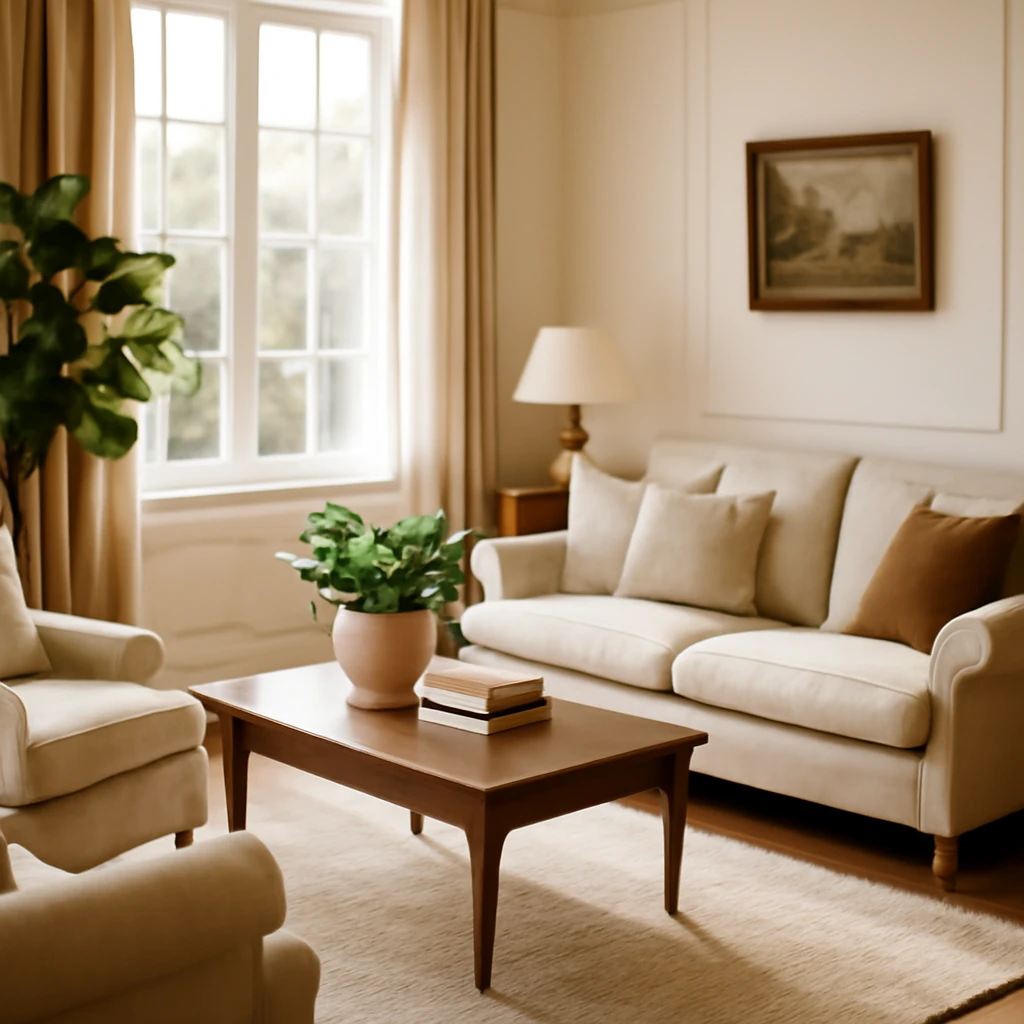
Principles of the English-style living room
The English living room is the epitome of respectability and comfort. In European homes, this aesthetic combines understated luxury with welcoming warmth, offering a versatile canvas that can be both refined and cosy. To achieve a contemporary English setting that feels authentic rather than nostalgic, several guiding principles help to balance formality with everyday practicality:
- Introduce monumental architectural features to emphasise the room’s solidity: consider arches, moulded cornices, coffered ceilings and a well-proportioned fireplace surround.
- Embrace a symmetrical layout. Classic interiors benefit from balanced seating arrangements and pairings of lighting, which create a sense of order and calm.
- favour a noble colour palette and luxury materials. Natural textures - wood, marble, leather and sumptuous textiles - are prioritised over loud, saturated hues.
- Choose furniture that communicates durability and longevity. Look for solid timber frames, traditional silhouettes and detailed joinery, with decorative touches such as carving or buttoning where appropriate.
- Layer with art and vintage accessories. These elements bring historical richness and a sense of lived-in sophistication.
- Incorporate heirloom and family pieces to convey continuity across generations, whether through crockery, mantel ornaments or gallery displays.
In Britain and across continental Europe, the English drawing room (the main living space for relaxation) has historically been complemented by a more intimate sitting room or a reception room used for formal occasions. In contemporary European homes, this versatility often translates into open-plan living with dedicated seating zones, or discrete areas that retain the courtesy and polish of a traditional parlour.
Zoning the space
To define and refine a classic English living room, zoning is essential. The goal is to create distinct zones for conversation, reading, dining or a quiet retreat, while preserving an overall sense of cohesion.
- Architectural details. Columns, pilasters, arches and volume-enhancing ceiling treatments give each zone a clear identity without dismantling the room’s unity.
- Finishes. A deliberate combination of materials - wood paneling with wallpaper, or fabric-wall panels with painted surfaces - helps to demarcate areas while maintaining continuity.
- Lighting. Localised lighting - wall sconces, table lamps and floor lamps - highlights functional zones and adds warmth. Classic lighting often employs paired fittings to reinforce symmetry.
- Furniture layout. Arrange seating to frame conversation spaces around a focal point, such as a fireplace or an architectural feature, with secondary zones for reading or informal dining.
- Amenities and accessories. Rugs, vases, mirrors and framed textiles define specific areas and add texture without clutter.
Large living rooms
In generously proportioned rooms, zoning can be enhanced by architectural elements and ceiling treatments. Consider architectural arches or decorative pilasters to carve out a guest area or a console-and-fireplace vignette. Two-level or coffered ceilings can give the space a refined sense of height, while still feeling intimate when paired with warm lighting and tactile surfaces. If a dining area is needed within a shared space, a discreet folding screen or a glass divider with a classic frame can create a soft boundary without visually shrinking the room.
- Architectural elements such as arches, columns and pilasters help define zones while preserving a seamless flow.
- Suspended ceilings or two-tier ceilings can add architectural interest, provided the room height allows for proper proportion.
- Sliding doors or partitions with large glazing can separate kitchen or study zones in a flexible, elegant way.
- Furniture should be arranged to form coherent blocks - conversation seating near the fireplace, a reading nook with a pair of easy chairs, and a console or small dining arrangement that respects the room’s rhythm.
Small living rooms
In compact spaces, restraint and clever detailing matter. Avoid oversized pieces that overwhelm the footprint. Instead, deploy multifunctional or modular pieces, and for a classic twist, employ a refined palette and selective symmetry.
- Mixed finishes and textures: use a restrained colour scheme with contrasting textures - soft textiles, wood panelling and a careful mix of wallpapers or textiles to delineate zones.
- Lighting variety. Different light sources with a shared design language create depth and ambience without crowding the space.
- Portable screens or slender room dividers can reconfigure the room as needed without blocking light or making the space feel smaller.
- Window treatments that enhance height - liner drapes or tailored curtains - help to draw the eye upward and lift the room visually.
- A well-placed rug can anchor a seating area and make a small room feel more intimate and cohesive.
Colour palette
A quintessential English living room favours warmth and sophistication. The typical palette balances light neutrals with rich accents to create a nuanced, timeless feel.
- Light neutrals form the base: ivory, cream, sand, warm greys and olive undertones - colours that reflect natural daylight and magnify spaces rather than overpower them.
- Rich accents anchor the scheme: terracotta, wine, chocolate, ochre, malachite or emerald greens provide depth when used in upholstery, wall panels or decorative textiles.
Colour is used to harmonise spaces. Light tones can dominate walls and ceilings, while darker tones appear in furniture upholstery, carpets or framed art to provide contrast. Conversely, a darker wall can set off pale wood furniture and light textiles, creating a dramatic yet balanced environment. In European homes with good daylight, a lighter base with upholstered pieces in saturated hues often yields a refined, contemporary English look.
Finishes and materials
The English interior relies on a sophisticated synthesis of finishes. Mixed materials are used deliberately to create warmth, texture and a sense of history.
Walls
Common wall treatments in English-inspired spaces include versatile paint finishes, traditional wallpapers and wooden panels. Specific approaches include:
- Paint. Water-based acrylic or lime-based paints in a wide colour range can be tinted to match the palette, with high-quality finishes that are easy to maintain.
- Wallpaper. Classic geometric patterns, stripes or small florals in tasteful scales are enduring choices for feature walls or hallways within the living room context.
- Wooden panels. Solid timber panels or veneered surfaces add warmth and tactility, often complemented by oil or glaze to accent wood grain.
- Textiles. Thick, durable fabrics in rich colours and patterns can be used on wall panels or as decorative textiles to enhance wall texture and provide acoustic benefits.
A familiar approach is a wooden dado rail along the lower portion of the wall, with a contrasting finish above. The upper section may be painted, wallpapered or fabric-wrapped to add depth and texture without compromising legibility of the space.
Ceiling
Ceiling design is central to the room’s perceived scale. Traditional English rooms often employ decorative coffers (coffered ceilings) which are typically white and help to visually raise the ceiling. Alternative options include a smooth white ceiling with a restrained plaster frieze around the perimeter. In contemporary projects, designers might incorporate subtle brass or glass details within the coffers or integrate concealed LED lighting to enhance ambience.
Flooring
Wood floors are foundational in English interiors for their durability and timeless appeal. Preferences commonly include:
- Engineered oak or solid oak planks in a darker or warm reddish hue, which pair well with traditional rugs and leather furniture.
- Wide-plank parquet or modular parquet patterns as a contemporary nod to historic charm.
Natural timber floors are resilient and versatile: they can be refinished, toned and oiled or waxed to suit evolving design schemes, ensuring longevity beyond trends.
Doors
Doors in English-inspired interiors typically feature timber construction with raised panels and vintage hardware. Prefer natural finishes such as light oak, ash or weathered oak for light interiors, or walnut, merbau or weathered oak for richer schemes that read as more opulent.
Windows
European living rooms often use timber-framed compared to modern plastic windows, with traditional configurations such as casement or sash to preserve classic proportions. Windows should be easy to operate and maintain while visually reinforcing the room’s period or rustic character. True divided lights and existing sills can be emphasised with subtle mullions or archival-inspired hardware.
Other important details
To cultivate a cosy, Victorian-inspired atmosphere, consider these elements:
- Fireplace with a clean white surround and a rectangular or arched opening. If a traditional wood-burning fireplace is not feasible, a functional electric or bioethanol fireplace can provide the visual effect with minimal maintenance. A decorative fireplace humidifier or a subtle flame-effect unit can enhance the sense of life within the space.
- Plaster mouldings. Depending on the project, mouldings can be restrained with smooth, simple cornices or richly decorated with rosettes and medallions for a more opulent mood.
- Wingback chairs. The classic wingback offers comfort and a sense of formality, especially when paired with a footstool, a floor lamp and a warm throw. Choose upholstery in a jewel tone or a textured fabric to create a focal point.
Furniture
Victorian-inspired furniture is known for its quality, durability and long service life. The arrangement will depend on room size and function, but a typical English living room includes several essential pieces that contribute to the sense of permanence and refinement.
Soft seating
Seating usually comprises one or two substantial sofas, possibly accompanied by a matching chair and a footstool. A traditional icon is the Chesterfield sofa, often upholstered in leather in wine, chocolate or emerald tones. Equally valued are large, plush sofas in solid-toned fabrics or tapestries with subtle patterns that complement wood and metals.
A pair of coffee tables
Two coffee tables placed on either side of the sofa create practical surfaces for lamps, books and decorative objects while maintaining a balanced silhouette. The tables can be used as small pedestals for lighting and as a comfortable staging area for conversation.
Journal table
A central or side occasional surface is essential for displaying accessories such as vases, magazines and family keepsakes. A well-chosen table also serves as a convenient service point for tea and refreshments during social gatherings.
Vitrine for tableware
A display cabinet or vitrine blends storage with opportunity to showcase dinner services, antique pieces or cherished collectibles. The cabinet design should be in harmony with the room’s overall scale and finish, with glass doors that respect the space’s line and proportion.
Bookcase
A bookcase in the living room acts as a substitute for a private library or study. It provides organised storage for volumes and decorative objects, reinforcing a sense of intellectual hospitality and country-house charm.
Lighting
Lighting in classical interiors follows a three-tier approach: ambient, task and accent lighting. Each layer contributes to the room’s mood, warmth and readability of corners and features.
- Ambient light. A central ceiling fitting - typically a multi-arm chandelier or a grand pendant - provides an even wash of light. The appropriate material and finish (bronze, brass or antique gold) harmonise with the room’s hardware and wood tones.
- Task and feature lighting. Wall sconces, table lamps and floor lamps positioned at consistent heights illuminate seating zones, fireplace corners and artwork. Pairing lamps helps maintain balance and avoids harsh shadows.
- Accent lighting. Decorative lighting such as lamps with textile shades or carved bases can highlight architectural details or framed works, reinforcing the room’s hierarchy and focal points.
Decorative elements
Decor is the DNA of the English living room. It should feel curated, not crowded. Beyond textiles and furniture, consider a refined approach to accessories and art to craft an interior with character and coherence.
Vases, trinket boxes, figurines
Ceramics and boxes add tactile interest, while hand-painted vases with global motifs express a sense of travel and history. Prefer artefacts in natural materials - bone, ceramic, wood, bronze - grouping them into intimate vignettes rather than scattering them indiscriminately.
Art, prints and tapestries
In traditional England, large-scale paintings and tapestries in ornate frames often anchor a wall gallery. Modern updates lean towards simpler frames and toned-down mats, allowing the artwork to breathe while staying true to the space’s sense of dignity and proportion.
Rugs
Rugs are essential for warmth and acoustics. A large rug under a sofa arrangement defines the seating zone, while smaller, carefully chosen rugs can delineate an additional retreat or reading corner. The palette should stay within the room’s colour language to maintain harmony.
Cushions
Cushions provide comfort and visual contrast. A mix of textures and patterns - velvet, damask, jacquard - works well when one colour ties them back to the sofa upholstery and another introduces a richer accent from the palette.
Curtains
Traditional English window dressings are layered. A light voile or muslin underlay paired with heavier drapery or tailored curtains creates depth, texture and warmth. Consider tiebacks or tasselled finials to reinforce a sense of craftsmanship and refinement.
Wall-mounted artefacts
Wall decor can include a gallery of framed prints, a curated collection of antique arms or armour, or architectural pieces such as cartouches and medallions. When arranged with intention, these elements contribute to a coherent, story-filled wall composition.
Mixing with other styles
While the English living room is stylishly cohesive on its own, designers often blend it with complementary styles to introduce personality and modern practicality. Useful pairings include:
- Classic restraint. A refined, white-lacquered furniture line, restrained carved details, high-quality upholstery and tailored fabrics provide a measured, sophisticated counterpoint to more ornate elements.
- Colonial-inspired touches. Leather-topped tables, timber furniture with natural finishes, and ethnographic accessories can add warmth and depth while preserving the room’s character.
- Contemporary loft accents. Exposed brick, aged metals, and pared-back silhouettes can be integrated as accents to bring a current edge without overpowering the room’s essence.
In European contexts, such combinations are common as households adapt traditional comforts to modern living - creating rooms that feel both timeless and current.
You may also like these articles
 Interior Design
Boho Interiors Across Europe: A Practical Guide to Bohemian Living
A practical guide to Bohemian design for European homes: colour, texture and natural materials.
Small Spaces
How to Plan and Draw the Wardrobe of Your Dreams
A comprehensive, space-smart guide to designing your dream European wardrobe.
Bathroom Design
Tiles for the Bathroom in 2025: Trends Shaping European Interiors
Discover the 2025 bathroom tile trends that blend texture, tone and sustainability.