
Explore interior trends, AI design insights, styling guides and real transformations
Living Room Design in 2025: Modern European Interiors
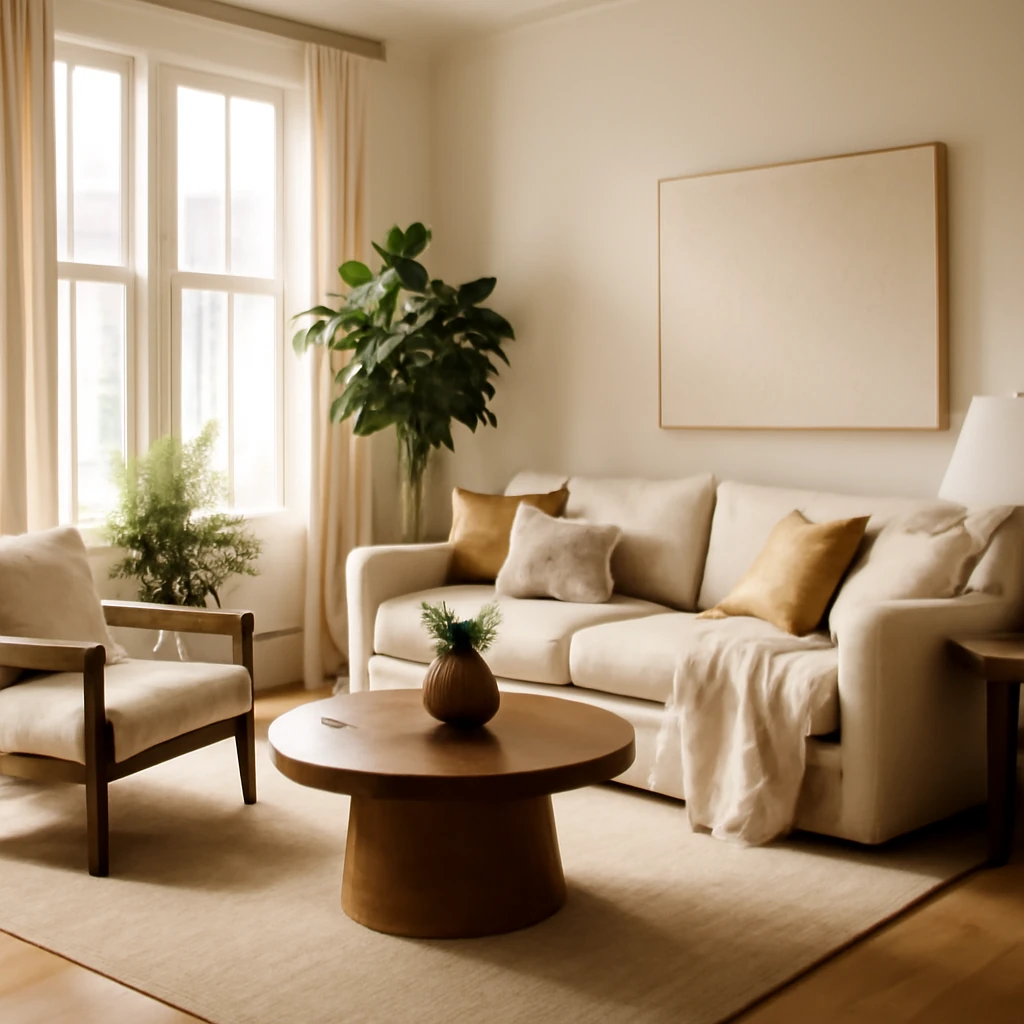
The living room in 2025 across Europe blends timeless elegance with practical comfort. From compact city flats to generous family spaces, contemporary European living rooms are defined by thoughtful layouts, tactile materials, restrained colour stories and lighting that choreographs mood from morning to midnight. This guide distills current thinking from leading design studios, offering a blueprint for spaces that feel polished, welcoming and liveable in equal measure.
Contemporary furnishing ideas for the living room: furniture that defines the space
In the best European living rooms, furniture decisions shape usability as much as style. The trend is toward pieces with clean lines, refined proportions and modular options that adapt to changing needs. Neutral backdrops - woven textures, warm timber and soft textiles - provide a versatile canvas for colour accents, art décor and statement lighting. The aim is a balanced composition where every item earns its place and circulation remains generous.
Elegant, compact living rooms with integrated storage
Smaller living rooms benefit from built‑in storage, low-profile sofas and wall-mounted shelving that keep sightlines open. Neutral tones - creamy whites, warm greys, stone and timber - help spaces feel calm. Use a restrained colour palette and select one or two rich textures to create depth: a velvet chair, a linen sofa, or a wool rug. The result is a serene, uncluttered environment that still feels luxurious and complete.
Luxurious neoclassical living rooms with sumptuous upholstery
Neoclassical styling remains an enduring European favourite for quiet luxury. Think soft, curved silhouettes, pigment-rich velvets, and antique-inspired timber detailing balanced with contemporary lines. A subtle palette of ivory, champagne and latte often anchors the room, allowing sculptural lighting, gilded accents or a marble-topped coffee table to take the focal role without overwhelming the space.
Open-plan kitchens and living rooms with colour accents
Open-plan layouts continue to dominate European homes, combining practicality with sociable living. Introduce colour through a tailored kitchen island, a bold upholstered sofa, or a striking rug. The rest of the space remains a calmer counterpoint - think light walls, matte ceramics and a restrained timber floor - so the vibrant accents read as intentional features rather than dominant statements.
Bright contemporary living rooms with a white modular sofa
White, when used with care, provides a luminous backbone for modern living rooms. A white modular sofa paired with glass or metal detailing can create an uncluttered, high‑end look. Add warmth with natural woods, woven textures, and a curated mix of blackened metal lighting. A single punch of colour - blue, olive, or terracotta - keeps the space human and welcoming.
Light-filled interiors with neoclassical features
High ceilings, tall windows, and mouldings are celebrated for their architectural poetry. In living rooms with neoclassical cues, preserve the classical ceilings and frames while updating the furniture with modern fabrics and streamlined silhouettes. A cooling light palette - cream, soft greys, pale blues - paired with warm textiles and a stone or wood floor can evoke Parisian apartment charm or a Lisbon townhouse mood alike.
Art Deco mood with charcoal furniture and luxe detailing
Art Deco thrives across Europe as a glamorous, timeless reference. Look for strong geometric forms, lacquered surfaces, and deeply saturated hues in charcoal or midnight blue. Pair with brass or gold accents and mirror surfaces to amplify light and create a sense of theatre without clutter.
White interiors with velvet upholstery
The white room remains endlessly versatile, allowing colour to come via upholstery, soft furnishings, and art. Velvet upholstery in ivory, pearl, or pale champagne adds tactility and subtle sheen. Combine with chrome or brass lighting and a glass coffee table to maintain a contemporary edge while retaining warmth and texture.
Open-plan living with Art Deco influences and refined surfaces
In open‑plan spaces, the links between kitchen, dining and lounge areas are expressed through material continuity, lighting and furniture scale. Art Deco cues - gleaming surfaces, bold yet elegant silhouettes, and carefully curated accessories - can unify zones, while neutral floors and walls keep the room cohesive and timeless.
Luxurious rooms with gold details and sculpted ceilings
Gold detailing - whether in lighting fixtures, wall appliques, or occasional tables - adds warmth and a sense of occasion. Pair with sculpted plasterwork, delicate cornices or subtle ceiling reliefs to achieve a refined European vibe that feels both historical and fresh.
Glam kitchen-living with an island and a reading nook by the window
A well‑considered island can define the living area within a larger open plan, offering worktop, seating and storage without visually dividing the room. A window-side reading nook with a comfortable armchair, good lighting and a small side table creates a cosy focal point and invites long, relaxed moments at the end of the day.
Wall treatments: panels, mirrors and wallpapers - top choices for beautiful interiors
How walls are finished defines the mood as much as the furniture. European designers favour materials that blend tactility with durability - wood panels, soft textiles, fibreboard finishes, and reflective surfaces that multiply daylight. The following approaches exemplify current thinking in 2025.
Neoclassical living with delicate mouldings and white skirtings
Fine mouldings, subtle cornices and white skirting boards lend a timeless elegance to living rooms. Pair with neutral wall colours and carefully chosen upholstery to create a composition that feels curated rather than staged. Built‑in shelving that follows the wall contours helps maintain a streamlined look while adding practical display space for books and objets d'art.
Decorative light panels in suede-like or textile textures
Textured panels in suede-inspired or textile finishes offer a soft, tactile dimension to walls. They absorb sound and warm the room, while remaining visually light. Use these panels to frame seating areas or as a backdrop for a feature fireplace or artwork, ensuring the panels do not overwhelm the space.
Chinoiserie wallpapers with cascading motifs
Chinoiserie-inspired wallpapers can bring a delicate lyric to a room - think botanical motifs, lacquered finishes and graceful branches in restrained colourways. Used thoughtfully, such wallpapers read as refined, cosmopolitan and distinctly European in current design vocabulary.
Marble-look porcelain for fireplaces, tabletops and surfaces
Porcelain stoneware that mimics marble has proved durable and versatile across European homes. It’s ideal for fireplace surrounds, coffee and side tables, and kitchen islands alike. The subtle veining and cool tones create a premium, cohesive aesthetic without the maintenance concerns of real marble.
Classical interiors with ornate plaster details
For those who adore tradition, ornate plasterwork - delicate cornices, friezes and rosette motifs - can be reinterpreted with modern materials and restrained colour schemes. The result is a space that feels heritage-rich yet visually fresh, suitable for contemporary living with classical gravitas.
Colour palettes for 2025: refined European sensibilities
Colour language in European living rooms tends toward calming, adaptable scales that suit daylight variations across cities. The palettes below capture prevalent moods: serene neutrals accented with strategic colour pops, and harmonies that feel both timeless and current.
White with blue accents and pale grey parquet
A white‑on‑white base offers pristine modernity, while soft blue accents and pale grey parquet floors introduce colour and warmth. A subtle ceiling detail or a covetable European lighting fixture can complete the look, ensuring the space reads as fresh yet intimately inviting.
Cream and sand palette with chocolate detailing
Warm neutrals in cream and sand create a cosy, sophisticated backdrop. Introduce chocolate accents through timber furniture, leather detailing, or a deep-framed mirror to anchor the room. This palette works particularly well in living rooms that bridge living and dining areas, where seamless material and colour continuity are essential.
Pastel interiors in grey and white with pink accents
Soft grey and white create a serene stage, while gentle pinks can be introduced via textiles, cushions or a single statement armchair. The result is an airy space that feels relaxed and subtly romantic, perfect for contemporary family living or boutique apartment schemes.
Elegant minimalism in grey with gold details
Grey tones provide a modern, adaptable canvas. Elevate the look with carefully chosen gold accents in lamps, picture frames or a coffee table detailing. It is a palette that exudes confidence without shouting, ideal for spaces designed to endure changing trends while remaining stylish.
Designing small living rooms: ideas for compact European homes
Smaller living rooms in European cities demand clarity, practicality and clever detailing. The aim is to create warmth and function in limited footprints while preserving a sense of air and light through thoughtful material choices and scale.
Elegant small living rooms with refined furniture
In compact spaces, opt for furniture with slender profiles, modular configurations and lift-up storage. A compact sofa, a pair of slim armchairs and a single coffee table with generous leg space can visually expand the room. Lighting plays a crucial role: a floor lamp and wall sconces can provide layered illumination without crowding the planes of the room.
Expressive kitchen-living spaces in ash and stone tones
When the kitchen and living area share a footprint, continuity of material and colour is key. Ash‑toned cabinetry, stone countertops and a restrained tile choice can unify the zone while a bold kitchen island or a furniture statement carries the character of the space without overpowering it.
Built‑in furniture in Art Deco style
Integrated storage and bespoke cabinetry can transform a small living room into a serene, organised space. In Art Deco-inspired configurations, opt for glossy fronts, symmetrical layouts and refined hardware. The result is a polished, enduring aesthetic with a modern edge.
Chic small open-plan living with glass partitions
Glass partitions offer flexibility without sacrificing light or visual continuity. They help define zones - living, dining, and study - while keeping the space feeling expansive. Choose framed glass for a touch of sophistication or frosted panels for more privacy where needed.
Bright European living rooms with mouldings and light furniture
Even compact rooms can feel celebratory with a touch of architectural detail. Lightweight mouldings around doors and ceilings paired with pale woods and light upholstery create an uplifting atmosphere that still reads as refined and well-considered.
Window-side seating with a cosy corner
A window alcove or bay seat becomes a magnet for everyday life - a built‑in bench with cushions, a small reading light and a couple of cocktail chairs can form an intimate, sunlit corner perfect for quiet mornings or late-night conversations.
Costs and planning for interior design in Europe
Budgeting for interior design varies by country and city, but most European projects share several common stages. A well‑defined process helps ensure the design intent is realised with clarity, quality and predictability. Typical service levels are commonly offered in three tiers: Standard, Optimised and Full.
- Standard project: measured plans, floor and ceiling layouts, basic electrical and data layouts, three‑dimensional visualisations, material selection, and a preliminary budget estimate.
- Optimised project: all Standard elements plus detailed wall elevations, tiling layouts, full interior finishings, and the design of bespoke cabinetry or doors where needed.
- Full project: all Optimised elements plus construction supervision, site visits, on‑site adjustments to drawings, and coordination with engineering services to ensure compliance and timely delivery.
Costs for design and renovation depend on location, scope and finish levels. A transparent, well‑communicated plan helps align expectations and avoid budget overruns. When engaging a design firm, it is wise to discuss project phasing, serial deliveries of materials, and lead times for high‑quality finishes and custom joinery. Remember that in many European markets, project management and coordination form a substantial part of the final result, ensuring that every detail - from plaster coving to the alignment of doorframes - meets the highest standards.
Trends and practical notes for 2025: what to watch and how to apply them
As living rooms across Europe continue to evolve, a few practical tendencies recur: durable materials chosen for long life, timeless silhouettes that can evolve with taste, and lighting plans calibrated to complement daylight in northern climates as well as sunny southern homes. By prioritising scale, proportion and finish quality, you can achieve a space that feels contemporary yet respectful of tradition.
When planning a European living room in 2025, consider how the space will be used across the year. A properly designed lounge should accommodate daily family life, occasional entertaining and quiet moments for reading or study. The best rooms also adapt to changing seasons: a lighter textile in summer, a heavier velvet or wool when the weather turns cooler, and lighting that shifts from task to ambient to decorative as needed.
Closing thoughts: shaping your living room for lasting appeal
European living rooms in 2025 are defined by thoughtful restraint and curated luxury. The most successful spaces balance calm, comfortable materials with distinctive accents, whether through wall treatment, a statement light, or a bespoke piece of furniture. By combining well‑considered layouts with durable finishes and a measured application of colour, you can create a living room that remains elegant, welcoming and distinctly yours for many years to come.
You may also like these articles
 Living room
The European Living Room: Planning, Palette and a Timeless Way to Light
Inspiration and practical guidance for European living rooms.
Interior Design
Baroque Interiors for Modern Europe: Luxury, Restraint and Statement Details
A refined guide to infusing Baroque drama into contemporary European homes.
Tips & How-To
How to Create a Full Design Project Yourself: A Practical Guide for European Homes
From first measurements to final drawings: a complete DIY design roadmap.