
Explore interior trends, AI design insights, styling guides and real transformations
Recliner design for European interiors: comfort, technology and timeless style
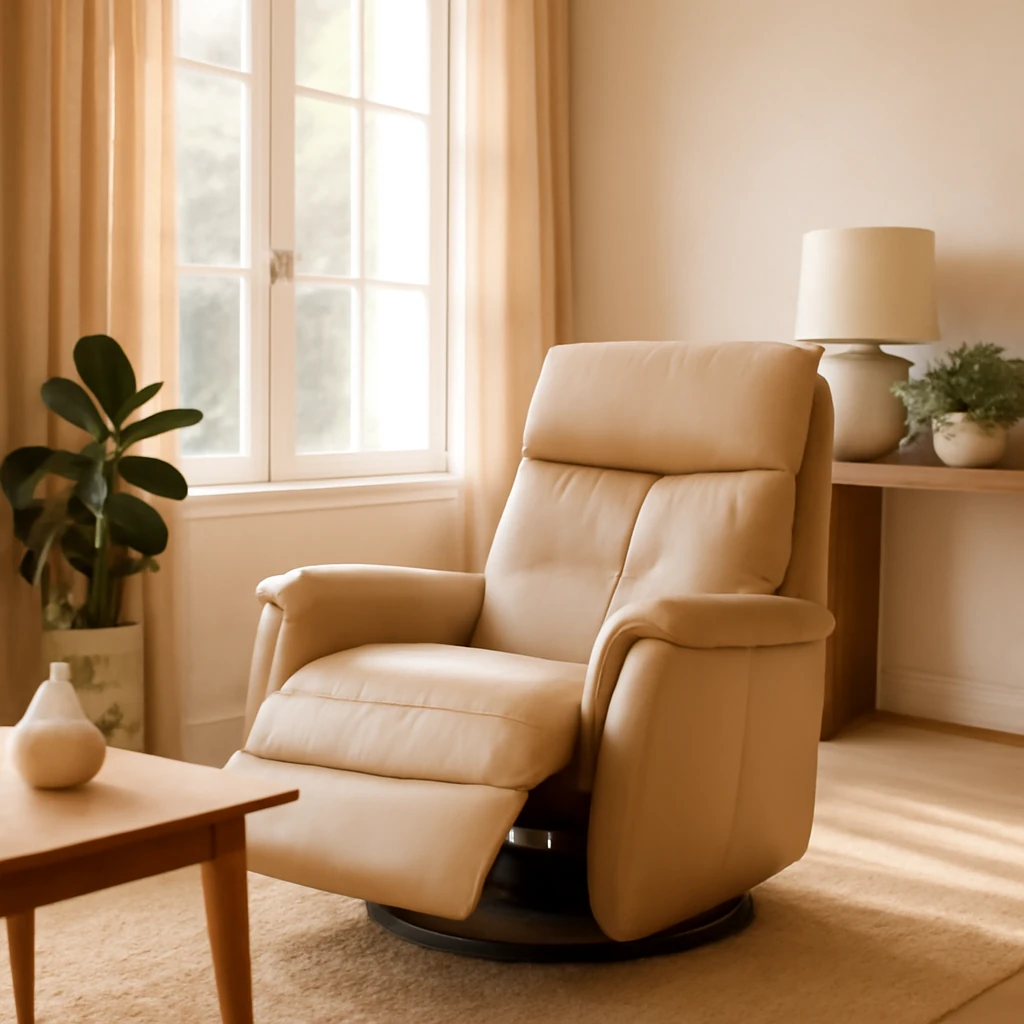
Introduction: The recliner's return to European living rooms
In European homes, the recliner has shed its image as a niche leisure chair and become a versatile anchor for modern living spaces. Rarely is it confined to a distant lounge corner, more often it sits beside a sofa, anchors a seating cluster, or stands as a design statement in compact city apartments. The best models combine thoughtful mechanics with refined upholstery, delivering comfort without compromising on style. This article surveys what makes a great recliner in today’s European context - covering mechanism, materials, ergonomics and how to choose one that suits a range of room layouts.
What is a recliner?
At its core, a recliner is a chair with a backrest that tilts and a footrest that extends, enabling a shift from an upright position to a more relaxed posture. Over the decades, the design has diversified to meet different preferences and spaces. In Europe, you’ll encounter manual and electric variants, as well as combinations that let you adjust the headrest, lumbar support and even seat depth. Some models offer a full recline that lays the user nearly flat, while others provide multiple intermediate positions for reading, watching television or taking a nap.
- Movement mechanisms: many recliners employ a lever-operated system, a clean push-back action, or a multi-motor arrangement controlled by a handheld remote.
- Adjustability: most chairs allow backrest adjustment, footrest extension, and a tilting headrest, some include a memory setting that saves preferred configurations.
- Functionality: in addition to reclining, high-end models may offer swivel, tilt, massage or heating options, and some integrate small storage or a slim side table.
Compared with a traditional rocking chair, a recliner focuses on restoring comfort through postural support and a wider range of movement. The aim is to support the spine and hips while offering a sense of weightless relaxation, achieved through careful balance of frame geometry, cushioning and upholstery layers.
How recliners work: mechanisms and control
There are several families of recliner mechanisms, each with distinct advantages for different room types and budgets. Understanding these can help you select a model that remains comfortable and reliable for years of daily use.
Manual and push-back systems are the most economical and quiet options. A lever or push mechanism unlocks the reclining angle, and a subtle spring or scissor action supports the back and legs as you tilt. These models are typically lighter, easier to service, and well-suited to compact spaces where wall clearance is important.
Electric and motorised systems use one or more electric motors to control the backrest, footrest and sometimes the headrest. A handheld remote, touch controls or even integrated wireless remotes offer precise, programmable positions. Advanced electric chairs may feature memory settings, allowing you to retrieve several preferred configurations at the touch of a button. For European homes, where plug types and voltage vary, many manufacturers offer region-specific options and, increasingly, battery-powered adjuncts for smoother performance if power is temporarily unavailable.
Hybrid and modular designs combine manual elegance with optional electric assist. You may choose a manual base and add a motorised headrest or footrest, providing hybrid flexibility without committing to a full motorised system. This approach is appealing in spaces where you want the option of powered comfort without the higher energy consumption of a full chair.
Many modern recliners include additional features that enhance comfort and convenience: memory settings for lumbar or neck support, USB charging ports, integrated lighting, and quiet massage or heat modules. When evaluating these features, consider how they affect weight, footprint and reliability. In Europe, serviceability and spare-part availability are important, as is the ease of repairing a worn mechanism rather than replacing the entire chair.
Materials, finish and build quality
A great recliner begins with a strong, durable frame. In European interiors, responsibly sourced timber such as beech, birch or oak is commonly chosen for the internal structure because of its rigidity and fatigue resistance. Metal frames - steel alloys with reinforced joints - offer even greater longevity for high-use environments, particularly in family homes or shared spaces where a chair may endure frequent use by several people daily.
Seat and back support is created from a combination of high-density foams and engineered fibres. The aim is a comfortable, supportive seat that resists sagging over time. A well-designed recliner balances cushion firmness with the ability to contour to the user’s body, while avoiding excessive pressure on the hips and lower back. In Europe, many manufacturers provide foam density information and warranties that cover cushion performance for several years.
Upholstery options range from full-grain and corrected-grain leathers to a wide spectrum of performance fabrics. Leather offers timeless sophistication and ease of cleaning, yet it can feel warm in summer unless properly ventilated. Fabrics in high-performance synthetics or blends deliver excellent stain resistance, durability and easy maintenance - key considerations for homes with children or pets. In all cases, look for covers that are removable for cleaning and that can be replaced to refresh the chair’s appearance without purchasing a whole new unit.
Colour and finish should harmonise with the room. Light beiges, warm taupes and greys are versatile backdrops for contemporary interiors, while deeper tones such as charcoal, navy and chocolate pair well with timber accents and metallic details. A popular European approach is to use natural wood tones to soften the chair’s mechanical presence, enabling it to blend with a sofa ensemble rather than dominate the seating arrangement.
Inspection matters. A solid chair will show precise stitching, even tension and well-finished edges around moving parts. A chair that passes fatigue testing - reliably reclining and returning to upright without creaking or misalignment - offers better long-term value. When possible, test the chair by reclining several times and note any unusual noises or friction in the mechanism.
Ergonomics and comfort in practice
Ergonomics are central to the recliner’s value. The seat depth, back height and lumbar support must align with the user’s proportions. In Europe, where body types vary across populations, adjustable headrests and modular cushions help accommodate a broad range of users. A well-designed recliner supports the spine’s natural curvature in any reclining position and distributes body weight evenly to reduce pressure on the hips and lower back. For long sessions - watching films, reading, or working on a laptop - a chair should feel supportive without forcing a single posture.
Zero-gravity or near-zero-gravity positions - where the chair reclines to distribute body weight evenly across the seat - are increasingly common in premium models. These settings can reduce spinal load and ease tension in the neck and shoulders. However, the most important factor is adjustability: a chair should offer a range of comfortable angles rather than a single “optimal” position.
Space, scale and European living rooms
European living rooms often feature compact footprints, bright natural light and flexible layouts that adapt to daily routines and seasonal gatherings. A recliner should integrate gracefully with surrounding furniture. Consider the chair’s footprint and the clearance required for the footrest to extend and for someone to pass by. In smaller rooms, choose a slender profile, a graceful headrest, or a streamlined arm to keep visual weight balanced. For larger living spaces, a more substantial chair can act as a design focal point when paired with a restrained palette and careful lighting.
Smart features and optional extras
In recent years, recliner design has progressed beyond comfort into intelligent convenience. European makers are equipping chairs with thoughtful features that enhance daily life without inflating the price. The following features are common in mid-range and premium models:
- Integrated USB charging ports for devices, including fast-charging standards;
- Seat heating or cooling cushions for year-round comfort;
- Cooling cup holders or climate-controlled accessories for beverages;
- Small built-in storage or a retractable side table for laptops, magazines or snacks;
- Quiet massage modules that target the neck, shoulders and lower back;
- Quiet motors with smooth, gradual action and long service life.
For room-adjacent work zones or multi-use spaces, hybrid designs that combine a manual base with a small motorised headrest or footrest offer flexibility without excessive power use. When evaluating electric features, check power consumption, warranty coverage and the availability of spare parts in your country. A reputable retailer should provide access to trained technicians for repair or part replacement over the chair’s lifespan.
Regional considerations: climate, care and cleaning
Climate influences upholstery choices. Leather remains elegant and durable in many European climates but may feel warmer in summer or colder in winter unless adequately ventilated or treated. Breathable fabrics and lighter-colour textiles can help regulate temperature in warm months. For coastal or humid regions, corrosion-resistant hardware and sealed movement tracks are advisable. In compact city flats, furniture with removable covers or modular cushion systems simplifies cleaning and refreshes the look with minimal effort.
Pricing, value and care
Prices for recliners vary across Europe, reflecting mechanism complexity, materials and brand positioning. Entry-level manual models typically start around £600–£1,000, mid-range motorised chairs £1,800–£3,500, and premium multi-feature models with massage and cooling can exceed £4,000. When investing, consider long-term costs: warranty terms, spare-part availability and access to local service technicians. A chair that lasts ten years with modest maintenance offers better value than a cheaper model that requires frequent servicing or replacement.
Testing and showroom experience: what to look for
In-showroom testing is essential. Sit in the chair across multiple positions, stand and sit again to judge ease of use and transition, and check the footprint in both upright and fully reclined states. Bring your typical activities to the test - reading, video calls, or working on a laptop - to assess support and comfort. Listen for motor noise and observe the smoothness of transitions between positions. Ask about service intervals, spare-parts availability and whether the retailer can demonstrate any massage or heating functions so you understand their practical benefits and limitations.
Case studies: integrating recliners into European homes
In contemporary European interiors, a recliner often functions as a flexible solution for multi-purpose rooms. In a family living space, a compact electric recliner can sit beside a sofa and accommodate a quick transition from casual lounging to desk work. In a compact city apartment, a small manual recliner offers comfort without visually overpowering the room, while a coordinating ottoman and matched textiles create a cohesive palette. In a larger living area, a statement leather recliner can become the design focal point when paired with a restrained rug, sculptural lighting and a simple coffee table. The key is to ensure the chair’s texture, colour and scale feel deliberate rather than incidental.
Design styles: from classic to contemporary
Recliners span a spectrum of design languages - from refined, minimalist lines to plush, enveloping forms. European designers often prioritise the chair’s silhouette and its relationship with surrounding furnishings. A slender profile with clean edges can help the chair feel lighter in a room with a substantial sofa, while a broader, cocooning form creates a welcoming vignette in a cosy living space. Pairing materials such as full-grain leather with timber arms, or modular fabric cushions on a wooden base, communicates quality and restraint. When space allows, a reclining chair can act as a flexible anchor that shifts the room’s emphasis with changes in lighting and textiles.
Care and maintenance: preserving comfort for years
To ensure your recliner retains comfort and appearance, establish a routine of regular care. Vacuum the upholstery to remove dust, clean spills promptly with the appropriate cleaner for the material, and follow the manufacturer’s guidance for leather or fabric care. For leather, schedule conditioning to prevent drying and cracking. For fabrics, use approved stain-repellent treatments and, where possible, remove covers for professional cleaning. Rotate cushions if the design allows and arrange periodic maintenance on the mechanism after several years of frequent use.
Space planning: practical tips for placing a recliner
Effective placement depends on room layout, traffic flow and lighting. A recliner works well as a secondary relaxation seat adjacent to a larger sofa or near a window to create a quiet reading nook. If space is limited, consider a chair with a slimmer profile and a recessed base to minimise visual bulk. Ensure there is enough clearance to fully extend the footrest without impinging on coffee tables, consoles or walls. In open-plan spaces, anchor the recliner with a soft rug and a coordinated textile scheme to integrate it with the rest of the seating area.
Case studies: practical integration examples
In practice, a European living room might feature a compact electric recliner with a neutral leather finish placed beside a modular sofa in a muted palette. A matching ottoman doubles as a footrest and a temporary seating option when entertaining. In another scenario, a small fabric recliner with a light oak base can sit opposite a wall of built-in storage, creating a balanced composition where textures - soft fabric versus hard wood - generate visual warmth without clutter.
Future-proofing your recliner choice
As interiors trend toward lighter, more flexible spaces, the recliner’s role is evolving. Designers increasingly pair recliners with oversized sofas, modular shelving and acoustic textiles to create zones that invite relaxation without visual heaviness. Expect more modular frames that allow cushion swaps or base finishes to refresh a room, and a broader palette of sizes to suit a wide range of body types. In Europe, accessibility and sustainability are important considerations, with growing demand for repairable components, recyclable materials and clear disclosures about sourcing.
Conclusion
The recliner is no longer a niche piece reserved for traditional lounges, in European homes it is a reliable ally for daily living. When chosen with attention to mechanism, upholstery, ergonomics and aesthetics, a recliner offers enduring comfort, intelligent features and understated luxury. By balancing form and function, buyers can select a chair that complements existing interiors, adapts to evolving routines and remains comfortable for years to come.
You may also like these articles
 Small Spaces
Studio Living at 25m²: A European Design Blueprint
A practical guide to designing a stylish 25m² European studio.
 Trends
Japandi Interiors: Calm, Functional Minimalism for European Homes
Japandi for European homes: calm, minimal, and practical.
Colour & Materials
Wall finishes for European hallways: eight top materials and ideas
Smart, durable hallway finishes and design ideas for European homes.