
Explore interior trends, AI design insights, styling guides and real transformations
From Vertical Gardens to Repurposed Tools: 25 Wallet-Friendly Garden Tricks for European Homes
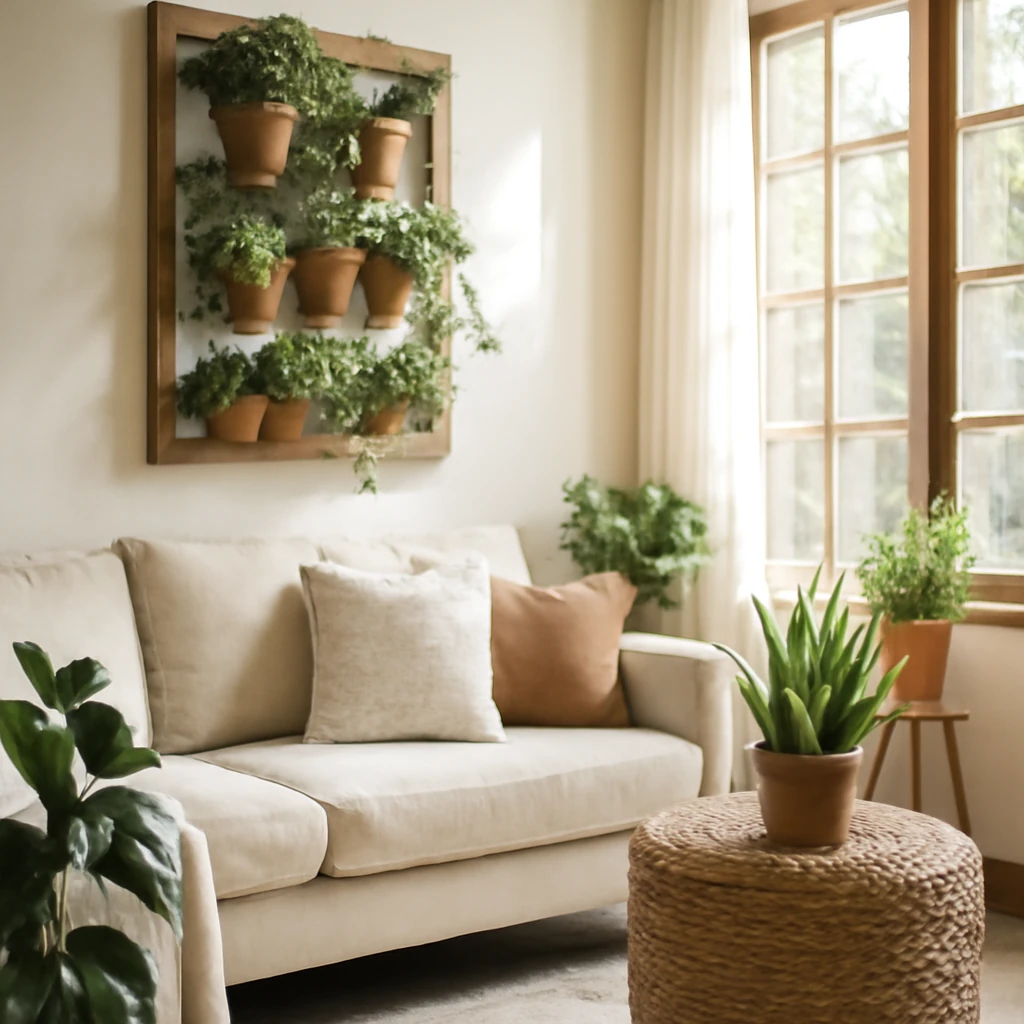
Vertical garden
In compact European spaces, a vertical garden can transform a balcony, terrace, or courtyard. Use slim frame trellises, wall-mounted panels, or freestanding lattices to train climbing plants such as sweet peas, climbers, or compact roses. Choose lightweight pots that can hang or perch on rails, leaving floor space free for seating. For rapid impact, combine annual climbers with a few evergreen climbers to keep colour through the seasons. A well-planned vertical garden also helps define zones, creating a cosy green edge around outdoor seating areas.
Wood ash against pests
Wood ash, used sparingly, can act as a deterrent for some garden pests and help raise soil pH where appropriate. Scatter a light layer around fruit and vegetable beds or along the edges of the border, avoiding direct contact with young seedlings or plants that prefer acidic soils. Always test on a small area first and monitor for any signs of stress. In Europe, ash is widely available from wood-fired heating, making it a budget-friendly, locally sourced option when used thoughtfully.
Table from a stump
Turn a fallen tree stump into a rustic, weatherproof table for the patio or edge of the seating area. Sand the top smooth, treat with a suitable outdoor sealant, and top with a durable wood or glass surface. It’s a simple, sculptural way to introduce natural materials into the garden, preserving a sense of history in your outdoor space while providing a functional surface for tea, chats, or a tray of cold drinks on warm evenings.
Mustard against beetles
To deter beetles on crops such as potatoes, prepare a simple spray using dry mustard or mustard powder mixed with water and a dash of vinegar. Apply to the foliage when pests are detected, ensuring you target the lower leaves without drenching every stem. This traditional, low-cost method can reduce pest pressure while avoiding harsh chemicals. Always apply on calm days to minimise drift and follow local guidelines for edible crops.
Speeding up germination
Speed up seed germination by soaking seeds in a mild hydrogen peroxide solution for about 12 hours. For cabbage families, a shorter soak may be sufficient, for tomatoes and beetroot, a full day can help. Rinse thoroughly before sowing. This technique can improve germination rates, shorten the lead time before transplanting, and is particularly useful for late-start crops in cooler European springs.
Petals as decoration
Fallen petals and blooms offer an inexpensive, natural décor option. Thread petals into decorative garlands for fences or pergolas, float petals in a weatherproof bucket of water as a reflective centrepiece, or press and display a few on garden signs. The soft colours bring a gentle, seasonal charm to the exterior, particularly in early summer when blossoms begin to fade.
Nettle against aphids
A nettle infusion is a traditional, chemical-free deterrent against aphids. Chop two kilograms of fresh nettle leaves and steep in a large container of water for about 24 hours. Strain and spray on the affected plants, taking care to apply the mixture when temperatures are cooler to avoid leaf scorch. This home remedy also encourages a robust, nutrient-rich compost pile when added to the composting stream.
Plants in pots
If planting a full flower bed isn’t practical, bring a touch of life to entryways and corners with container-grown plants. Pot-grown geraniums, fuchsias, hydrangeas, or compact citrus (where climate allows) can anchor a doorway, frame a veranda, and soften a boundary. Choose containers with drainage, quality saucers, and a good potting mix to ensure healthy roots and less maintenance over the season.
Moisture retention in pots
Keep pot-bound plants hydrated with effective moisture-retention strategies. Use a layer of mulch on the surface, incorporate coarse materials such as perlite or expanded clay, or consider modern capillary mats for larger containers. For a low-tech solution, place a few damp towels or commercial moisture-retention pads beneath larger pots to reduce daily watering requirements, especially in sunny, windy European summers.
Care for peppers
If pepper plants set fruit early and flowering slows, prune a portion of the fruit to encourage the plant to redirect energy into new growth and flowering. Ensure good air circulation around the plant by light hoeing and avoiding soil crusts. To support long season production, refresh the soil with organic matter and mulch to maintain stable moisture levels, while preventing soil from drying in heatwaves common to southern Europe.
Tea for onions
Used tea leaves can be a gentle supplement for onions, helping to stimulate robust growth. Dry the leaves first and scatter around the base of onion sets or seedlings, then water as normal. This adds a modest nutrient boost while recycling kitchen waste in a practical, garden-friendly way.
Rosy success with a potato tuber
For roses, a clever trick involves a potato tuber placed adjacent to the rose root with the cut rose grafting points tucked inward. Cover the tuber as it roots, and once new shoots emerge, remove the protective cover. This method, when done correctly, can promote strong growth and sometimes assist in stabilising new grafts, offering a novel approach to a classic garden challenge in European climates.
Banana peel fertiliser
Banana peels freashly sliced and dried can be used to enrich compost, or they can be steeped in water to produce a potassium-rich fertiliser for flowering plants. In pots or beds, a diluted banana-peel infusion can support fruiting and overall plant health, adding a gentle, natural nutrient source that recycles kitchen waste.
Yeast for growth
A small amount of live yeast in water can act as a microboost for soil microbial activity when used sparingly. Dissolve about 100 grams of fresh yeast in 10 litres of water, let it ferment briefly, then dilute and apply to the soil or compost. Use this once a month during the growing season to support vigorous vitality, while avoiding overuse that could disturb the natural balance of beneficial organisms.
Magnesium sulphate
Magnesium sulphate, or Epsom salt, can benefit leafy and flowering plants when used in moderation. A common guideline is one tablespoon per litre of water for a soil drench or foliar spray. This is particularly helpful for cabbage family plants and flowering ornamentals in soils that are lacking in magnesium. Always test on a small area first and avoid repeated applications during hot, bright days.
After rain
Heavy rain or irrigation can increase potato tuber formation by encouraging soil moisture movement. After a good soak, gently mound soil around potato plants to insulate the developing tubers and promote stable growth. This traditional technique supports higher yields and reduces sun exposure on developing tubers as the season progresses across Europe’s varied climates.
To reach the root
Consider simple, practical drip irrigation using plastic bottles with small holes near the root zone. Bury a bottle at the plant base with the neck just above soil level, ensuring the holes are open to release a measured stream of water. This minimalist system is especially useful on balconies or small plots where precise watering saves water and time while keeping roots properly hydrated.
Burdock leaves for pests
Leaves from burdock can be used to deter pests such as cabbage moths and other leaf-eating insects when crushed and steeped in water. Strain the solution and apply to the garden via a spray, focusing on the undersides of leaves. This traditional remedy offers a natural and readily available option for organic gardeners who prefer not to rely on chemical controls.
Soap spray for pests
A mild soapy spray is a gentle way to deter slugs, aphids, and other squatting pests. Mix a small amount of eco-friendly dish soap with water and apply to affected areas during cooler parts of the day. Avoid applying on sunny afternoons to prevent leaf scorch. Reapply after rainfall to maintain efficacy, and always test on a small patch first to ensure plant safety.
Garlic infusion
A garlic-infused spray can bolster plant resilience. Crush four garlic cloves and steep in a litre of hot water for around 24 hours. Strain the liquid, dilute with water, and apply to foliage. This natural immune-boosting treatment is a familiar garden ally in many European countries and pairs well with organic pest management strategies.
No mosquitoes with citrus and scent
While a lemon tree may not thrive in all European climates, hardy alternatives can help repel mosquitoes around seating areas. Consider containerised lemon balm, lavender, marjoram, or rosemary planted near doors and seating zones. In milder regions, a small citrus plant on a sheltered wall can be kept outdoors for part of the year, helping to fragrance the air while contributing to mosquito deterrence.
Practical use of household items
Old tools and containers can find new life in the garden. Replace a broken rake with a compact tool rack built from repurposed handles, or turn jars and glass containers into planters and terrariums. Such reuse reduces waste and adds a playful, tactile dimension to outdoor spaces, reflecting a modern, resourceful European aesthetic.
Creative décor with jars and pallets
Give a garden a finished, design-conscious look by reusing old jars as container planters, wind chimes, or lanterns. Pallets can become lightweight, modular planters or a framework for vertical plant displays. This approach aligns with contemporary European design sensibilities that value sustainability, texture, and a rustic-meets-modern vibe across outdoor spaces.
Composting kitchen scraps
Composting kitchen scraps is essential for a sustainable garden. Create a compact, well-ventilated compost area with a balanced mix of green and brown materials, turning regularly to aerate. In urban European settings, consider a compact tumbling bin or a bin with a front door for easy access. The resulting rich compost will enrich pots and beds, reducing the need for synthetic fertilisers and closing the nutrient loop within the home garden.
No more weeds with a smart spray
To keep weeds at bay without resorting to harsh chemicals, try a targeted spray made from a mix of vinegar, salt, and a mild dish soap. Apply on dry days when the sun will help the solution work. Use carefully to avoid drift onto desirable plants, and reapply after rain. This approach combines utility with a straightforward, economical mindset typical of European garden enthusiasts.
New life for old items
Old tools can be repurposed into clever storage and functional features. A broken rake can become a vertical organiser for gloves, trowels, and brushes, while an unused wheelbarrow can serve as a portable planter or a mobile potting station. This recycling-minded approach echoes a broader European design discipline that celebrates craft and sustainability in everyday objects.
The creative edge
Reimagine furniture and garden accessories with inexpensive materials. Replace worn pots with repurposed glass jars, and use pallets as frames for flower arrangements or as a lightweight, modular garden screen. By mixing old and new, you create a tactile, layered outdoor environment that feels curated yet effortless - a hallmark of contemporary European outdoor living.
You may also like these articles
 Bathroom Design
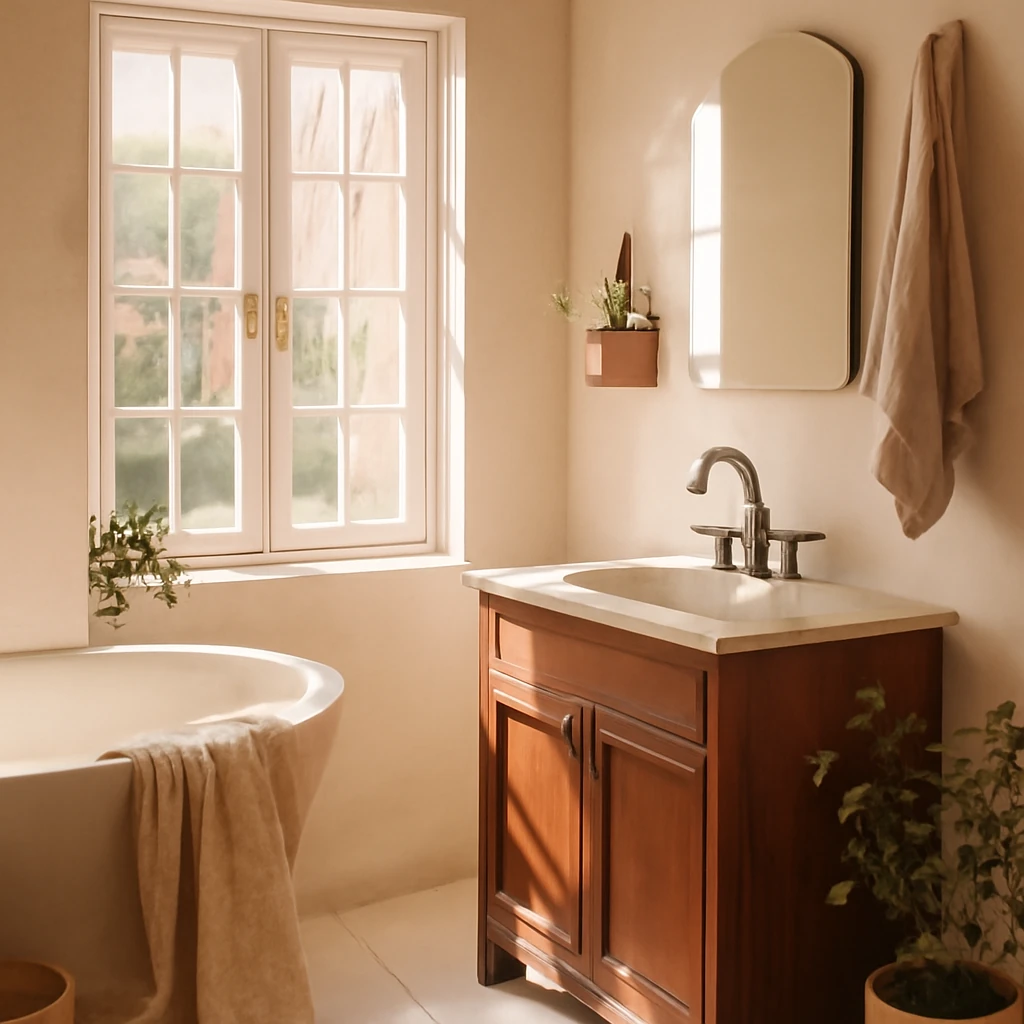
Four Square Metre Bathrooms: European Design Solutions for Small Homes
Ingenious design ideas to maximise a 4 m² European bathroom.
Renovation
Demolishing walls in a renovation: a practical European guide
A practical, regulator-friendly guide to planning, permits, and safely demolishing interior walls.
Bedroom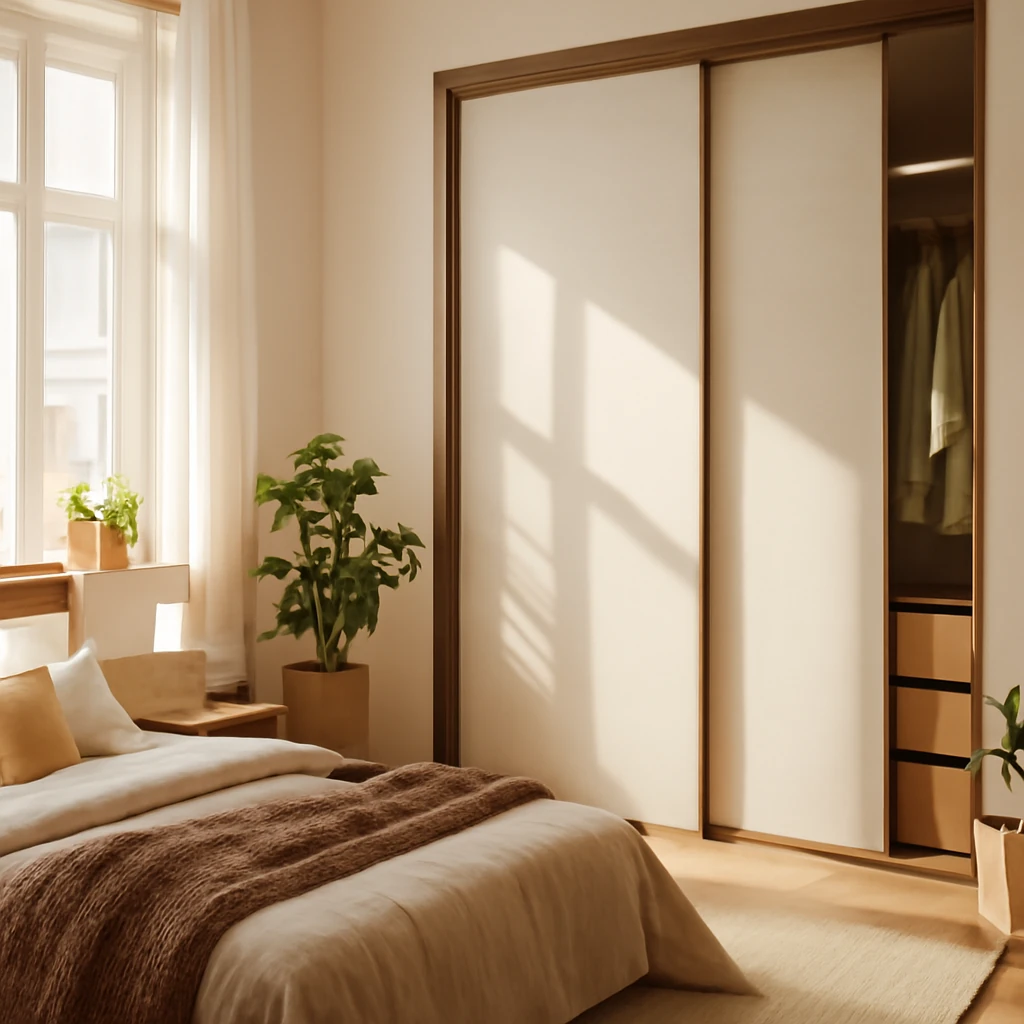
Smart Sliding Wardrobes: Maximising Space in European Bedrooms
Smart space-saving wardrobes for serene European bedrooms.