
Explore interior trends, AI design insights, styling guides and real transformations
Designing European Private Yards: Plan, Plant, and Perfection
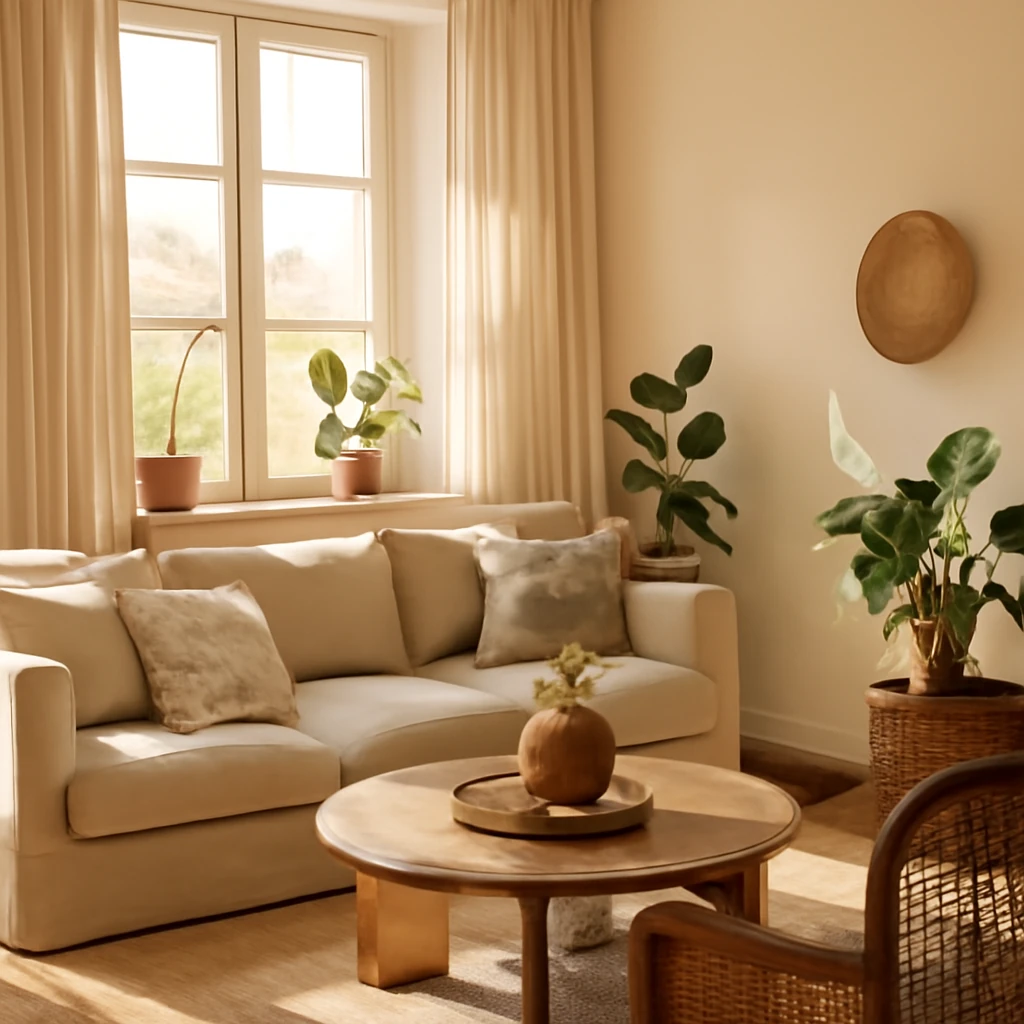
What you need to know about landscape design
Landscape design for a private European yard is an art of shaping outdoor space to harmonise with architecture and the interior aesthetic. A well-planned plot becomes an extension of the home, a place for relaxation, and a bridge to nature. Yet creating a beautiful exterior is a multi-faceted endeavour that requires thoughtful planning, sensible plant choices, and informed decisions about materials and spaces. Across Europe, climate, soil, and architectural language vary, a successful design respects these realities while delivering timeless appeal.
Key considerations include the site’s topography, the local climate, soil composition, and the overall house style. In drier regions, drought-tolerant planting and efficient irrigation are essential, while in cooler, wetter climates, moisture-loving species and robust drainage are priorities. Lighting, circulation, and accessibility through the space complete the practical framework that underpins a lasting landscape.
When choosing a direction for the landscape, several stylistic avenues commonly inform European projects:
- Classic - symmetry, formal edges, panelled hedges, and focal water features.
- Scandi-inspired - minimalism, natural materials, evergreen and conifer companions, restrained colour palettes.
- Provencal and Mediterranean - sun-warmed colours, lavender and roses, terracotta textures, rustic timber furniture.
- Contemporary - clean lines, concrete, metal, and bold, sculptural planting.
Beyond aesthetics, a landscape must meet real needs: children playing areas, spaces for entertaining, or pockets for contemplation. In families where entertaining is frequent, a generous outdoor living zone may be prioritised, in urban plots, privacy and smart space optimisation take centre stage.
In practice, design unfolds as a careful dialogue between site, climate, and the home. The result should feel like a coherent extension of the interior, formed by materials, textures, and greenery that resonate with the surrounding landscape.
DIY or professional help: when to hire a landscape designer
Transforming a yard is feasible as a DIY project if you approach it with curiosity, time, and foundational knowledge. The advantages of a DIY approach include lower upfront cost and a sense of ownership over the finished space. Practical tasks such as laying out a flower bed, installing simple paving, or planting a hedge can be highly rewarding.
However, certain elements benefit greatly from professional input. Complex drainage systems, large-scale planting schemes, water features, and automated irrigation are areas where expertise pays dividends in reliability and long-term performance. In addition, a designer can translate your short and long-term goals into a cohesive plan that respects local climate, soil health, and planning regulations.
Consider engaging a professional if you encounter any of the following:
- The site has uneven terrain, slopes, or difficult drainage patterns.
- You want a unique project with structural elements such as retaining walls, cascading planting beds, or integrated lighting.
- Automated irrigation or sophisticated lighting networks are required to maintain planting and enhance usability after dark.
For smaller or simpler spaces, a staged approach can be effective: begin with hardscaping and zoning, then introduce planting gradually as the structure and circulation mature.
Planning the yard: the seed of a good design
Planning starts with a thorough assessment of the site and a clear definition of zones. Think of the yard as a composition of interdependent areas: a formal arrival sequence, a practical service zone, and a comfortable recreational space. A well-planned yard will also consider year-round usability, not just peak summer moments.
Begin with a site analysis that covers:
- Sun exposure across the day and seasons
- Wind patterns and microclimates around the house
- Soil type, drainage, and moisture levels
- Existing structures, utilities, and boundaries
- Access routes for people, vehicles, and maintenance equipment
With this understanding, map out functional zones. A typical arrangement includes:
- Formal or welcoming zone at the entry, featuring a clear path to the house and a focal plant or sculpture.
- Utility area for the garden shed, composting, vegetable beds, and waste storage.
- Entertainment and recreation zone such as a patio, dining area, barbecue space, and a pool or water feature where feasible.
In smaller plots, visual tricks help portray a sense of space. Winding paths, reflective surfaces, and layered planting can expand perception, while keeping maintenance practical.
Zoning and detailing the plot
Defining boundaries between zones need not be heavy-handed. Techniques include hedging, arches, pergolas, and varied ground coverings. Each boundary should offer a gentle transition rather than a sharp barrier.
- Hedges such as boxwood or yew provide year-round structure and formal edges when clipped, otherwise, they can be allowed to touch a natural form for a softer look.
- Arches and pergolas with climbing plants create green corridors that slow foot traffic and reveal new spaces behind them.
- A mix of ground coverings - grass, gravel, timber decking - helps delineate zones while enriching textures underfoot.
For instance, a barbecue zone can be screened with a low hedge or a timber screen to give a private feel without isolating the space. The recreation zone might feature a soft lawn for play, with surrounding perennial borders to reduce maintenance while adding colour across seasons.
Perimeter and approach: the home’s frame
The area around the house, including the apron and the small foreground garden, should harmonise with the architectural language. The approach to the front door is especially important, it sets the tone for the entire property.
- Consider symmetrical planting or carefully balanced asymmetry to reinforce the chosen style.
- Container planting can quick-start a palette without heavy soil preparation. Choose containers in complementary materials and colours to the house exterior and paving.
- Lighting and small architectural details, such as lanterns, pedestals, or sculpture, can ground the entrance with personality.
In contemporary designs, geometric shapes and restrained plant palettes work well, while traditional homes benefit from measured order and classical planting beds.
Outdoor living spaces: where form meets function
Outdoor living is the heart of a European private yard. The goal is to create comfortable, inviting spaces that function across the seasons while remaining low-maintenance. A few well-considered elements can transform a yard into a daily living room outdoors.
Barbecue and dining zones
Position the barbecue and dining area at a practical distance from the house to reduce cooking odours indoors, yet close enough to supervise meals. A robust paving base is essential for stability and safety, with non-slip surfaces that withstand weather and foot traffic. A roof cover or pergola provides shelter from rain and sun, while discreet heating or a fire feature extends usability into cooler evenings.
Patios and seating
Open terraces laid with timber decking or cladding offer warmth and texture. Woven outdoor furniture or rattan pieces paired with cushions in weather-friendly fabrics create a relaxed ambience. Consider modular seating that can be reconfigured depending on the number of guests and the activity of the moment. Soft lighting through pendant lanterns, string lights, or low-level lanterns enhances mood without glare.
Pergolas and shaded zones
Pergolas, trellises, and suspended structures define intimate corners while encouraging vertical growth of climbing plants. A well-planned shade structure can transform a hot, sunny corner into a comfortable retreat during peak summer.
Water features and pools
Water features bring movement, sound, and cooling effects. A small decorative pond with water lilies or a shallow stream bed made from natural stones can be a focal point without demanding extensive maintenance. For swimming, consider a freestanding pool or a compact, well-integrated pool that fits the plot’s proportions and local regulations. Surround the water feature with Mediterranean-type planting - lavender, rosemary, and olive-hued evergreens - to evoke a relaxed, resort-like feel.
Gardens and micro-ecosystems
Even small yards can host dynamic plant communities. Aim for layered planting with trees, shrubs, perennials, and ground covers that provide interest across seasons. Native and well-adapted species will generally thrive with less maintenance and lower water use, supporting environmental sustainability while celebrating local character.
Plants: trees, shrubs, flowers, and lawns
Plant selection anchors the landscape’s character. European gardens benefit from a mix of structure, colour, texture, and seasonal interest. Consider the site’s sun exposure, wind, soil type, and water availability when assembling a planting plan.
Trees
Trees establish scale, provide shade, and shape the year, but their growth requires space and patience. For larger plots, majestic species such as oaks, maples, or lindens create enduring structure. On smaller plots or in sheltered urban spaces, ornamental trees such as small cultivars of cherry, Japanese maple, or weeping birch add elegance without overwhelming the space. When selecting fruit trees, consider compatible pollinators and the orchard's eventual spread.
Shrubs
Shrubs form hedges, accents, and backdrops. Evergreens like boxwood or privet offer year-round structure, while flowering shrubs such as hydrangea, lilac, and spirea deliver seasonal colour and scent. For a more natural look, allow some species to self-seed or flow into borders to soften edges.
Flowers and perennials
Perennials provide a stable backbone for late-spring to autumn colour. Think peonies, phlox, hostas, and lavender for a classic European palette. Annuals, such as petunias and calendula, offer vibrant seasonal bursts and can be refreshed each year. Group plants by light and moisture needs to simplify maintenance and ensure consistent bloom.
Lawns
A well-kept lawn offers flexibility for play, picnics, and visual calm. In temperate regions, blend high-quality turf with meadow-like grass varieties to achieve a robust yet soft appearance. In drier climates, consider drought-tolerant grass mixes or alternative ground covers that stay green with less water input.
Vertical gardening and climbers
Living walls and trellises maximise small spaces and add privacy. Climbing plants such as roses, clematis, or grapevines cover fences and pergolas, delivering colour, fragrance, and shade. Avoid planting climbers directly on fragile brickwork without a proper support system, ensure you provide trellis structures or wires to guide growth away from mortar and brick.
Ground coverings and pathways
Pathways and borders shape the rhythm of the garden. Choose a mix of hard and soft materials to balance practicality and aesthetics. In temperate and coastal climates, natural stone and durable paving offer timeless appeal, while timber boards and composite decking provide warmth underfoot. A well-considered path plan enhances accessibility and encourages exploration of the landscape.
- Natural stone such as slate or granite is durable and timeless, with a tactile quality underfoot. For a softer approach, consider sandstone slabs with gaps filled by gravel or groundcovers like thyme.
- Concrete and paving come in various shapes and tones. They offer clean lines suitable for contemporary schemes but can become slippery when wet, ensure proper drainage and non-slip finishes.
- Wood and timber create warmth and are inviting to walk on, but require maintenance against moisture and decay, durable timbers such as larch are often preferred for longevity.
- Gravel and loose surfaces are economical and permeable but can be noisy and dusty, pair with edge restraints to maintain tidy lines.
Lighting along pathways is essential for safety and atmosphere. Low-level fixed lighting or solar wall lamps along the course of the path guides guests and extends usability after dusk.
Fencing, boundaries, and privacy
Fencing should reflect the property style while providing security and privacy. In Europe, typical options include brick or stone piers with metal or timber infill for classic looks, timber panels for a woodland or rustic vibe, and metal or composite panels for a contemporary edge. The height and design must respect local planning guidelines and neighbour relations, and may vary by country, district, or private development rules.
- Height considerations commonly range from 0.5 to 2.0 metres, with higher privacy screens sometimes required on shared boundaries or within gated communities.
- Wholly solid fencing offers maximum privacy but may influence light and airflow, consider half-height screens with climbers to soften appearance and preserve openness.
- Integrate gate design with the overall aesthetic, ensuring functional access for pedestrians and vehicles while maintaining a cohesive look.
Other boundary enhancements include living hedges, wrought-iron motifs, and arched trellises that can become living corridors, softly partitioning spaces without creating a heavy architectural statement.
Architectural elements and decor
A subtle dose of architectural detail can elevate a landscape from good to great. Pergolas, trellises, and trellised walkways offer structure for vining plants and create intimate shelter in hot weather. Garden furniture, lighting, sculpture, and decorative features should be chosen to echo the home’s material language and colour palette.
Garden sculptures and decorative features
Shared European taste often leans toward classic ornament paired with modern restraint. A well-chosen sculpture or a pair of sundials can anchor a space, while more contemporary pieces should be kept minimal to avoid visual clutter. Materials range from stone and metal to ceramic and timber, with scale and proportion aligned to the surrounding architecture.
Water and movement
Water features introduce serenity and a sensory dimension. A small stone bowl fountain, a meandering dry creek bed, or a discreet waterfall can animate spaces without overwhelming them. Where space permits, a plunge pool or a compact swimming area framed by plantings can become a design feature in its own right.
Furniture and lighting
Outdoor furniture should be weather-resistant and comfortable. Materials like powder-coated aluminium, synthetic wicker, and treated timber perform well in many European climates. Lighting should balance safety with atmosphere: uplights to highlight trees, subtle path lighting, and warm-toned lanterns that invite lingering evenings outdoors.
Maintenance and seasonal planning
A successful European garden balances beauty with practicality. Choose plantings with maintenance needs aligned to your routine and local climate. A well-designed plan reduces ongoing work and encourages a sustainable approach to irrigation, pruning, and seasonal changes.
Seasonal tasks include pruning and shaping evergreens in late winter or early spring, mulching borders to conserve moisture, and planning continuous colour through a mix of early bloomers and late-performers. For regions with dry summers, consider drought-tolerant species and smart irrigation strategies that deliver water only when needed and at the roots where it is most effective.
Putting it together: practical steps to realise the project
- Define goals: how you intend to use the space, the required zones, and your preferred style.
- Evaluate the site: observe light, wind, drainage, and soil, map existing features and boundaries.
- Draft a zone plan: allocate parade/arrival, utility, and recreation zones with clear circulation.
- Choose materials with cohesion: paving, fencing, and furniture should share a unifying language.
- Plan planting with seasonal interest: a mix of trees, shrubs, perennials, and grasses that suit local conditions.
- Design for maintenance: select hardy species and integrate irrigation and lighting that require minimal upkeep.
- Phase the project: start with essential hardscape elements, add planting and decor in stages to manage budget and workload.
With patience and a clear vision, a European private yard can become a vibrant, year-round space that complements both the home and the landscape beyond it.
In conclusion
Well-conceived outdoor spaces extend the home, enriching daily life with texture, scent, and light. The best designs harmonise climate realities with personal routines, delivering beauty that lasts beyond a single season.
Remember that successful landscape design is a balanced dialogue between topography, climate, and architecture. Start with strong zoning, align materials with the house, embrace sustainable planting, and gradually introduce features that enhance usability and delight. A thoughtfully planned, well-executed European yard will not only increase curb appeal but also create a lasting habitat for people and nature alike.
You may also like these articles
 Furniture
Ottomans: the versatile furniture ally for European interiors
How ottomans blend seating, storage, and style across European homes.
Interior Design
Euro Two-Bedroom Flats: Flexible Layouts for European Living
Smart layouts and stylish zones for compact European homes.
Small Spaces
Smart Solutions for Small Toilets: European Design Principles
Effortless space-saving ideas for European small toilets.