
Explore interior trends, AI design insights, styling guides and real transformations
Open Balcony: 39 Stylish Ideas for European Terraces
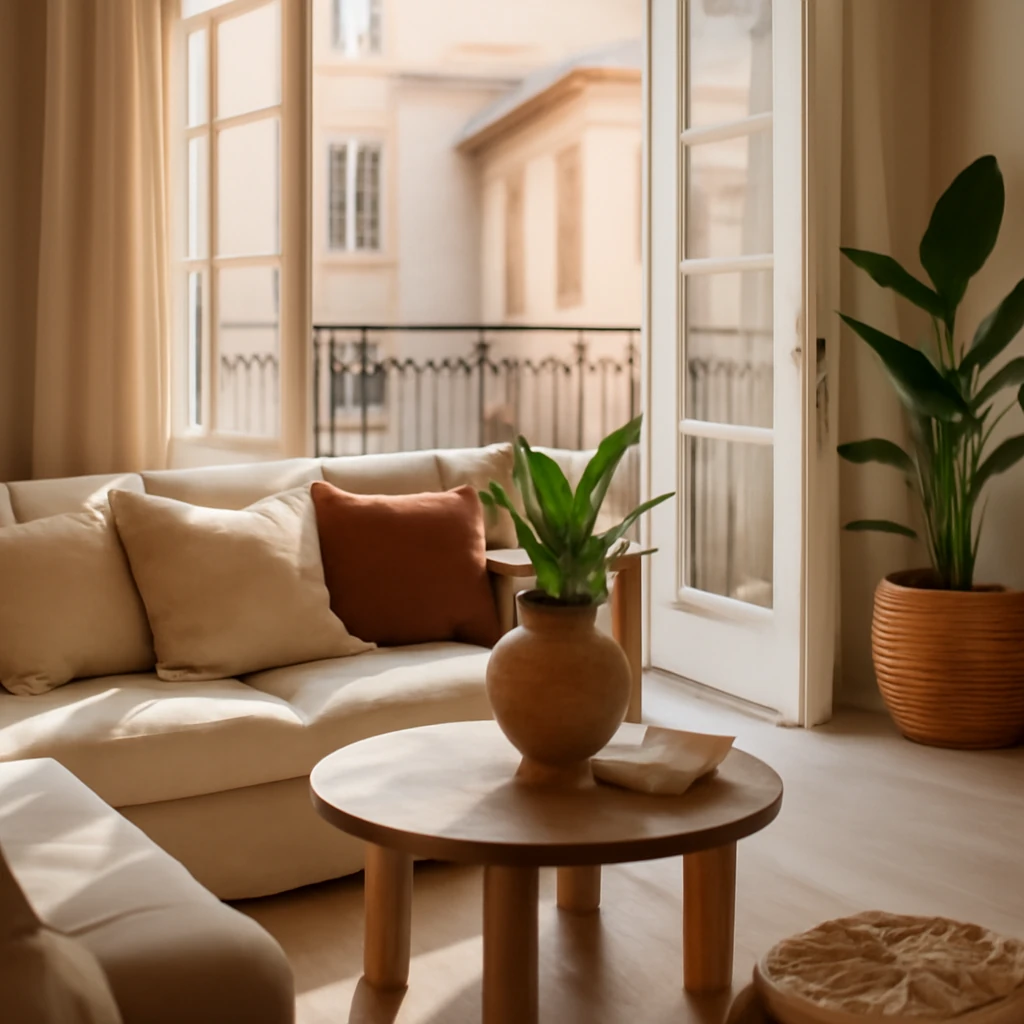
Open Balcony Makeovers: 39 European Ideas for Outdoor Living
Balconies are more than small ledges above the street, in many European cities they are integral parts of homes, offering a glimpse of nature, a place to grow herbs, a spot to unwind after a commute. With climate variations across the continent, a well designed balcony can be used from early spring to late autumn, and even into winter with the right strategies. This article presents 39 stylish ideas adapted to European living - practical, affordable, and respectful of shared spaces.
From decluttering to choosing materials that survive rain and sun, to clever planting schemes and atmospheric lighting, every balcony can become a destination. Whether you have a narrow 1.2 m by 2.5 m slit of a balcony or a generous 4 m by 2.8 m terrace, the same principles apply: optimise space, choose durable materials, and create zones for seating, dining, and greenery.
Plan in stages: declutter, measure, and define zones
Start with a decisive declutter. If the balcony has served as storage, removal of unnecessary items will immediately free space and improve air flow. But don’t discard everything - savvy storage that blends with the design is essential. Consider built-in benches with lift-up storage, or a small storage chest that doubles as a side table.
Next, measure accurately. Record width, length, the height of any barriers, and where doors swing. Mark useful reference points: sun exposure hours, prevailing wind, drainage points, and where you can safely install lighting and power if required. For long balconies, think of two seating zones, separated by a low visual barrier such as a planter screen or a foldable screen so groups can cosy up without feeling crowded.
Furniture essentials for compact European balconies
- Foldable chairs and tables made of weather‑resistant metals or durable hardwoods, they can be stacked, folded, and moved as needed.
- A compact dining set in a light colour or natural wood to keep the space feeling airy.
- A storage bench or a shallow trough that doubles as a seat, perfect for cushions and throws.
- A nest of small tables that can be expanded when entertaining and tucked away when not in use.
- Lightweight planters with integrated drainage, choose detachable wheels for easy repositioning.
Green living: plants and planters
Plants bring texture, colour, and a sense of privacy. On European balconies, you’ll generally find a mix of sun‑loving species and shade-tolerant varieties. Use a mix of freestanding planters, wall planters, and a small trellis or lattice to create vertical greenery without crowding the floor.
Tips for choosing plants and containers:
- Group planters in odd numbers (three, five) to create natural focal points, vary heights for depth.
- Choose planters in UV‑resistant materials (ceramic, powder‑coated metal, or composite) that won’t crack or fade in sun and rain.
- If the balcony is high above ground level, avoid heavy pots near edges and use lighter materials or wheels for easy repositioning.
- Consider a “mini‑greenhouse” effect with a clear cover on cooler evenings to extend the growing season.
Soft furnishings: textiles for outdoors
Outdoor fabrics should withstand wind, rain, and sun. Look for cushions, throws, and rugs made from solution‑dyed acrylic, polyester blends, or wrapped in protective coatings. The colours can echo architectural tones or provide a cheerful counterpoint to the surrounding façade, but avoid cluttering with too many patterns on a small balcony.
- Choose cushions with removable, washable covers, store them inside when heavy rain is forecast.
- Use an outdoor rug to define the seating area and soften the floor, choose anti‑slip underlays for safety.
- Coordinate textiles with plant pots and planters to create cohesion rather than a patchwork effect.
Lighting and atmosphere
Lighting is pivotal in creating a welcoming atmosphere and extending usability into the evening. Layer lighting: ambient, task, and accent. Use energy‑efficient fixtures that withstand outdoor conditions.
- Solar or battery‑powered wall washers can softly illuminate seating zones without complicated wiring.
- String lights or lanterns add warmth. Dimmable options are ideal for adjusting mood.
- Path lights along the edge or foliage lighting to highlight greenery, ensure compliance with safety guidelines for balconies.
Flooring and weatherproofing
The balcony floor should be comfortable, safe, and easy to maintain. Outdoor rugs can soften the space, while deck tiles or timber boards add warmth. Choose non‑slip surfaces in areas prone to rain or morning dew. If the balcony has drainage challenges, ensure planters and seating do not block water flow.
Privacy and boundaries
On European city balconies, privacy is important without cutting light. Use a mixed approach: a lightweight screen, creeping vines trained on a trellis, and tall planters placed along the edge. Consider a light, sheer outdoor curtain only where it won’t catch wind aggressively. The aim is to feel cocooned without turning the balcony into a closed box.
Seasonal adjustments and year‑round use
Even in temperate climates, winter evenings can be chilly. Consider a compact outdoor heater or heat‑retaining cushions for colder days. For sun protection, a retractable awning, a pergola with a breathable fabric roof, or adjustable shading helps manage heat and glare. The aim is to create a space that adapts to the weather, not one that becomes unusable for half the year.
Maintenance and care
Outdoor spaces require regular care. Clean surfaces with mild detergent, check for loose screws or nails in furniture, and protect fabric from prolonged moisture. Winter storage can extend the life of soft furnishings. A simple seasonal rota - jemmying down cushions, sweeping leaves, inspecting planters - prevents small problems from becoming costly repairs.
Practical design: 39 ideas distilled for European balconies
Below is a curated collection of practical ideas that translate well across European contexts, from compact inner‑city balconies to larger terraces overlooking courtyards. The suggestions are organised to help you envision zones, material choices, and budget steps. The goal is a cohesive setting that feels calm, comfortable, and lightly curated rather than cluttered.
1. Design with intention: define zones
Even a narrow balcony benefits from deliberate zoning: a small seat for coffee, a compact table for meals, and a narrow area for greenery. Visual harmony comes from repeating materials and colours across zones, so the space feels intentional rather than opportunistic.
2. Storage that disappears
Concealed storage benches and slim cabinets are your friends. When designed well, they look like part of the balcony architecture rather than extra clutter. Use lift‑up lids to access cushions, throws, and gardening supplies without sacrificing floor space.
3. Foldable and stackable furniture
Foldable chairs and extendable tables make it easy to adapt the balcony for two or a small gathering of four. Choose pieces with clean lines and slim profiles in materials that resist corrosion and moisture.
4. Light timber and neutral palettes
Light timber furniture or powder‑coated aluminium in pale neutrals helps reflect light and keeps the balcony feeling airy. Pair with monochrome planters to create a streamlined look.
5. Vertical planting
Vertical greenery reduces floor clutter and adds privacy. Install a wall‑mounted planter system or a simple trellis with climbing plants, the result is living texture without taking up precious space.
6. Mixed planters for depth
Use a combination of tall, mid‑height, and ground planters to create depth. Choose planters of varied materials - ceramics, metal, and wood - to add tactile contrast.
7. Quiet textiles, bold accents
Neutral bases with a single bold colour highlight can feel sophisticated. Introduce a pop of colour through cushions, a throw, or a rug, while keeping the rest of the palette calm.
8. Outdoor rug as a room divider
An outdoor rug defines the seating area and adds warmth underfoot. Ensure the rug is UV‑fast and easy to clean.
9. Cushions and throws in durable fabrics
Opt for cushions with removable covers and readily washable textiles. Avoid dark colours that fade quickly in bright sun, instead, choose light to mid tones that age well.
10. Lighting as decor
A good lighting plan is decorative yet functional. Combine task lighting by the seating area with ambient, film‑like lighting along planters for a subtle glow.
11. Wind protection without blocking daylight
Use lightweight screens or bamboo shading to cut wind, but avoid heavy barriers that close you off. The goal is to soften the breeze while keeping light intact.
12. Weatherproof storage strategies
Invest in storage solutions that survive rain and sun, with rust‑resistant hardware and reinforced seals on lids. Durable storage prevents clutter from creeping back after a few months.
13. Sustainable materials
Choose FSC‑certified wood, recycled metal finishes, and fabrics that resist microbial growth. A European balcony can be stylish and responsible at the same time.
14. Minimal overhead lighting
Keep ceiling fixtures to a minimum on small balconies to preserve headroom, instead, opt for wall washers or floor lamps that sit on the edge of the seating zone.
15. Green wall or herb garden
A compact herb garden in tiers or a green wall brings fresh aroma and flavour while taking up little footprint.
16. Quiet corners for reading
Place a comfortable lounge chair with a small side table where you can read in the afternoon sun or enjoy a quiet cup of tea after work.
17. Balcony as a micro‑office nook
If space allows, install a small foldable desk and a compact chair to create a solar‑powered, quiet spot for occasional work with a view. Ensure the setup does not overwhelm the space and has adequate shade and stability.
18. Anticipate weather with covers
Protect cushions and textiles with weather‑proof covers, choose flat storage bags that fit under benches when not in use.
19. Personal moments: lighting for evenings
A subtle, layered lighting scene encourages relaxation and socialising. Dimmed bulbs, fairy lights, and a couple of lanterns create a romantic and cosy atmosphere.
20. Framing the view
Arrange seating to face the maximised view rather than the wall. A compact sofa aligned with the balcony railing can feel cinematic and restful.
21. Weather‑ready plants
Choose plant varieties that tolerate European climates - lavender, rosemary, thyme, hardy grasses, and small evergreen shrubs work well in pots and window boxes.
22. Wall storage ideas
Utilise vertical space with shelving or wall hooks for small tools, hoses, or outdoor maintenance items. Keep the floor open to avoid a cramped feeling.
23. Tone on tone with textures
Combine textiles with different textures - woven rattan, linen‑look cushions, and smooth ceramics - to add depth without busy colour mixing.
24. Weather‑resistant flooring options
Consider a modular deck tile system or outdoor‑grade vinyl planks for a quick refresh that lasts for years and is easy to clean.
25. Seasonal planting calendar
Plan a seasonal rotation of plants to keep the balcony looking fresh and to ensure year‑round interest. A simple calendar helps you time pruning, fertiliser, and replacement.
26. Privacy with a green backdrop
Climbing plants produce a soft green screen that feels natural and elegant. Train them along a trellis that can be removed or repositioned.
27. Acoustic control
Hard surfaces reflect sound, add soft textiles to dampen noise in busy urban settings. A rug, cushions, and a curtain at the seating edge can soften echoes.
28. Compact dining for two or four
A small bistro table fits two, and a modular set expands for guests. Choose tables with integral storage or a slim profile to save space.
29. Personal scent and ambience
Herbs and flowering plants bring fragrance that enhances the balcony experience. Tie fragrance into the design with planters placed near seating areas.
30. Matching hardware and fittings
Coordinate handles, hinges, and planters to create a cohesive look, avoiding mismatched hardware helps the space feel refined.
31. Seasonal textiles storage
Use vacuum‑sealed bags or breathable containers to store summer textiles during winter to extend their life and preserve colour.
32. Sustainable irrigation
Opt for a drip irrigation kit or self‑watering planters to minimise maintenance while keeping plants healthy.
33. Multi‑level planters
Tiered plant stands create layers of greenery without occupying much floor space. They also offer an interesting visual rhythm.
34. Low‑maintenance greenery
Choose plants that require little attention, such as sempervivums, sedums, or hardy grasses that survive European seasons with minimal care.
35. Integrated seating with the architecture
Seats built into the balcony edge or along a wall create a seamless, built‑in feel, add cushions in weather‑resistant fabrics for comfort.
36. Mirror trick to enlarge the sense of space
A weather‑proof mirror or reflective planters can visually increase depth, use with care to avoid glare in hot sun.
37. DIY planters from reclaimed timber
Custom planters add warmth and texture, ensure treated timber resists rot and is sealed against moisture ingress.
38. Quiet stone or ceramic planters
Choose stone or ceramic containers that feel premium and weather‑resistant, avoid porous materials that crack in frost.
39. Personalisation through art and textures
Even a balcony can benefit from a carefully chosen piece of outdoor art, a sculptural pot, or a handmade textile, keep scale appropriate to the space and avoid clutter.
Case study: a practical plan for a typical European balcony
Consider a typical 2.0 m by 3.5 m balcony facing roughly south, with moderate wind exposure and a concrete floor. A practical approach would be:
- Clear the space and measure accurately.
- Define two zones: seating and herbs with a narrow walkway at the edge.
- Choose a compact bistro table, two folding chairs, and a storage bench.
- Install a small trellis with climbers for privacy and greenery.
- Add a weather‑proof outdoor rug, cushions in a single accent colour, and warm lighting.
With a few well‑chosen pieces, the balcony becomes a tiny but deeply satisfying extension of the home, usable for morning coffee, late‑afternoon reading, and seasonal entertaining.
Budgeting and sourcing: planning the investment
European balconies vary in size and exposure, so prices will differ. Start with a budget plan that accounts for furniture, lighting, weatherproof textiles, planters, and maintenance. Prioritise durable pieces with minimal maintenance and a timeless aesthetic to ensure longevity and style across seasons. When sourcing, look for suppliers offering modular components that can be reconfigured as needs change, and favour standard sizes for easier replacement or expansion in the future.
Finally, approach balcony design as you would any room: define purpose, select materials with care, and allow a little room for experimentation. A well‑planned balcony increases living space, expands daylight, and elevates the overall feel of a home.
Conclusion: a balcony as a daily escape
With thoughtful planning and careful material selection, an open balcony can become a cherished outdoor room. The European climate recognises the value of well‑designed exterior spaces, and with the right combination of shelter, light, and greenery, your balcony will look and feel expansive, inviting, and alive all year round.
You may also like these articles
 Living room
Gypsum Board Ceilings for European Living Rooms: Design Ideas
Elevate European living rooms with versatile gypsum board ceilings
Small Spaces
Playful contrasts and vintage accents in a 45.5 m2 European family home
Bold contrasts and vintage charm shape a smart 45.5 m2 European family home.
Small Spaces
Entrance Hall Design 2026: Trends, Colours & Ideas
European guide to hallway redesign: style, storage and textures.