
Explore interior trends, AI design insights, styling guides and real transformations
Eight clever storage ideas for small European flats
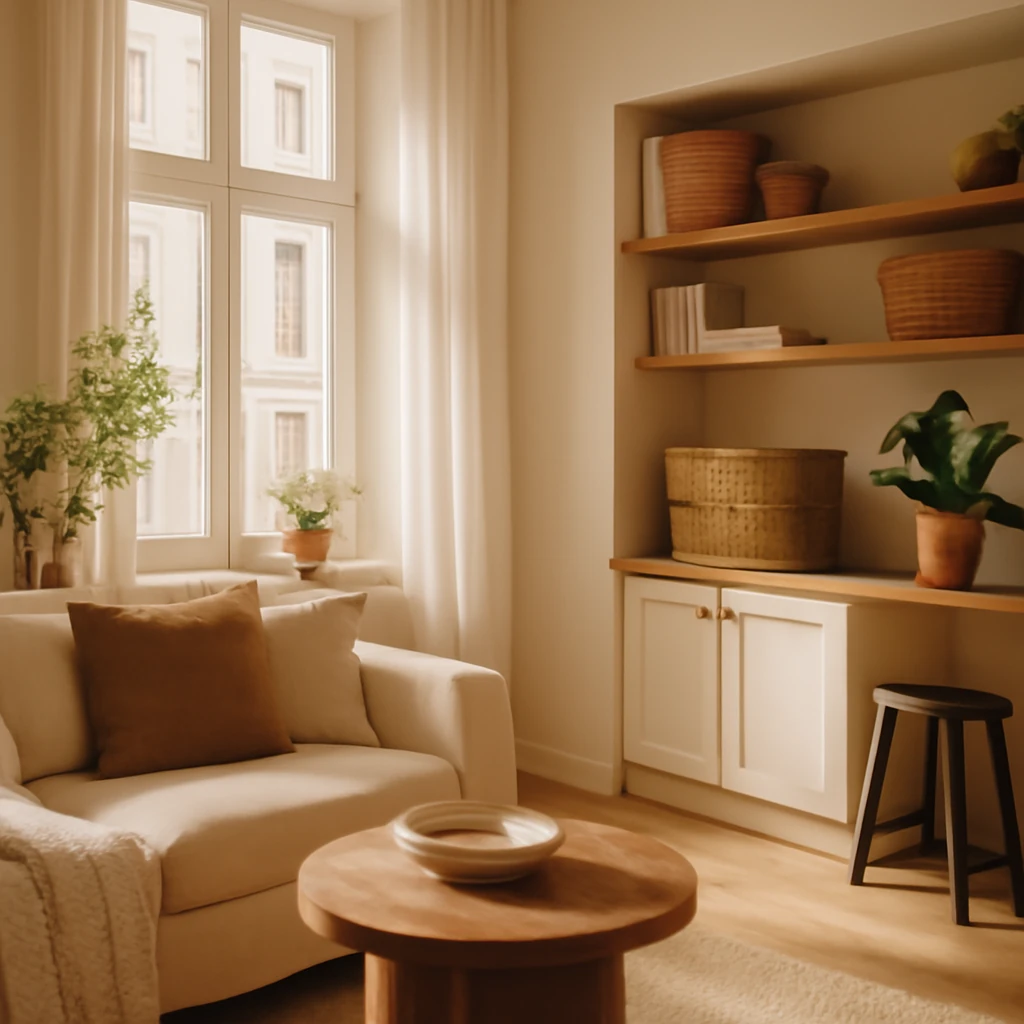
Introduction: storage as design in European homes
Across Europe, living spaces are frequently compact, especially in city centres where centuries of urban growth meet modern living. Design today celebrates not just aesthetics but also function, turning every square metre into a usable, beautiful space. Clever storage is not merely about tucking things away, it is about shaping environments that feel calmer, more organised and generously proportioned in appearance. This article presents eight practical ideas for creating extra storage even in small flats, drawing on universal European examples and adaptable techniques that work with a range of architectural styles - from pared-back Scandinavian to warm bohemian and sleek contemporary interiors. Each solution prioritises accessibility, dust protection, and visual coherence, so your belongings remain within reach without compromising the room's character.
Under the bed
Under bed storage is one of the simplest, most reliable ways to gain extra space. In many European homes the bed is the central anchor of the bedroom or even a multi‑purpose zone in a studio. If your bed lacks a lift mechanism, opt for flat containers, low baskets or vacuum-sealed bags that slide easily on the floor. Closed containers are preferable to keep dust at bay and to maintain a calm, orderly look. Consider modular stacks that align with the bed frame, so the room retains its clean silhouette. Use this space for seasonal clothing or footwear, spare bedding for guests, or items you rotate seasonally. The key is to select containers that are easy to pull out and to label contents so you can locate things at a glance.
Storage principles: choose low, closed systems that don’t protrude into the living area, opt for uniform heights to keep the line of sight uncluttered.
Practical tip: position the containers in short stacks along the bed’s length, leaving a clear walk path and avoiding heavy items that require lifting from awkward angles.
Above the doorway
In many flats a surprising amount of vertical space above doors remains unused. A slim, unobtrusive shelf or a compact P-shaped shelving unit can be installed above door frames to hold books, baskets with small items, textiles or rarely used appliances. When the storage unit is finished in the same colour as the ceiling or wall, it becomes nearly invisible, preserving the room’s architectural honesty while delivering extra capacity. For chic minimalism, use a single rail with small baskets. For a warmer, cosier vibe, select woven baskets or fabric bins that add texture without visual clutter.
Under seating
Benches in hallways, banquettes in dining areas or kitchen nooks often hide a surprising amount of space. Choose seating with a lift mechanism or with integrated drawers, so the interior feels like a true storage solution rather than an afterthought. This area is ideal for stowing children’s toys, craft materials, textiles, or seasonal items that you do not need daily. A clean, uninterrupted top surface also makes the seating area look deliberate and intentional, rather than a repository for junk. To maintain calm in the space, ensure the seat base and side panels align with the surrounding furniture so there is a seamless, gallery-like feel.
In the room corner
Unutilised corners offer significant potential for storage if approached with a bespoke mindset. In bedrooms or living spaces, transform a corner into an open mini wardrobe or a compact shelving hub. Install two levels of hanging rods to maximise vertical usage: the upper rail for blouses and shirts, the lower for trousers and skirts. Add corner shelves for shoes or accessories, forming a complete storage zone that still feels light thanks to streamlined supports and cohesive finishes. The caveat is maintenance: garments on hangers in open corner spaces require regular tidying. When styled well, a corner wardrobe can become a striking architectural feature, especially in bohemian, Nordic, or vintage-inspired interiors where textures and metals add depth.
Storage tip: use a colour that blends with the wall to keep the corner visually quiet, consider soft, powdery finishes or natural wood tones for a timeless look.
On the inside of doors
Doors are often overlooked as storage surfaces. Whether interior room doors or wardrobe doors, they can support fabric organisers with pockets, hanging hooks or slim rails. Use them for shoes, accessories, cleaning products, or smaller items that tend to crowd shelves. The door organiser frees up shelf and drawer space inside the wardrobe, allowing larger items to be stored more efficiently. For a cohesive look, select organisers in a fabric that echoes the room’s colour scheme, so the door becomes a soft, functional backdrop rather than a busy focal point.
Under the window
Windowsills in European homes frequently run shallow, yet the space underneath can be repurposed beautifully. If you replace a standard sill with a wider one, you can install sliding drawers or open shelves beneath it. For deeper window bays, consider narrow bookcases or decorative niches flanking the opening, they create a warm, library-like feel while providing additional storage for books, plants or decorative boxes. This approach balances daylight with storage, ensuring the window remains a source of light and a design feature rather than merely a boundary for furniture.
Behind the headboard
If the bed is not placed flush against a wall, there can be a hidden opportunity behind the headboard. Install a slim, recessed shelf or a deep behind-headboard unit that doubles as a storage platform. This is an ideal spot for storing extra pillows, throws, or seasonal blankets that would otherwise occupy wardrobe space. A behind-headboard shelf also offers a convenient surface for books, a small reading lamp, or decorative objects, replacing bulky bedside tables with a cleaner profile that suits minimalist or mid-century-inspired interiors.
Styling note: keep contents curated, rotate a small selection of essentials to avoid a cluttered appearance.
In an old suitcase
A vintage or sturdy modern suitcase can be repurposed into a distinctive storage element that adds character to a room. Use it as a coffee table base, at the foot of the bed as a bench, or as a bedside container. Inside, it stores items that you do not need every day, such as keepsakes, albums, documents, or seasonal accessories. When chosen thoughtfully, a suitcase becomes a design feature as well as a practical container, especially in interiors that celebrate heritage materials like leather, canvas or distressed wood. If you want a sleek look, choose a case with reinforced corners and neutral tones that complement the surrounding palette.
Practical considerations for suitcase storage include ensuring the interior is clean and dry, and that the lid is easy to open with one hand. Labeling or pairing with a matching tray can help keep items organised and visually cohesive.
Practical design guidance for European small spaces
These eight ideas work best when supported by consistent design principles. Start by auditing what you truly need to store and what you can live without. Then group items by function and frequency of use, so you can tailor each storage solution to its purpose. A few universal guidelines help you make the most of every centimetre while keeping spaces peaceful and navigable.
Uniform dimensions and modularity: use units of similar height to create a rhythm that your eye can follow. Stack or nest modules when appropriate to adjust to changing storage needs.
Concealment vs display: mix closed containers with a few well-chosen open shelves or transparent boxes to maintain a sense of light and air in the room.
Materials and finishes: blend natural woods, soft textiles and matte metals to create a cohesive aesthetic that suits most European interiors. The finish should resist wear but be gentle to the eye.
Colour strategy: align storage with the room palette. If the space is small, choose furniture in light neutrals or the same tint as the walls to extend the sense of space, use accent colours sparingly to highlight features rather than crowd the room.
Ventilation and hygiene: ensure materials used in storage do not trap moisture or odours. Use breathable fabrics for baskets and avoid sealed spaces for items that need air circulation.
Choosing materials for longevity
durability and ease of maintenance are vital when selecting storage solutions for compact living. In European homes, where humidity varies across regions, opt for materials with good moisture resistance and stable finishes. Solid wood or high quality plywood with a protective seal works well for furniture that will be opened frequently, such as under-bed drawers or lift-up benches. Laminate surfaces with tight edge detailing are practical for door-mounted organisers and shelves, offering resistance to knocks and chips. For textiles, choose machine-washable covers or interliners that can be refreshed seasonally. Finally, consider hardware with soft-close mechanisms for doors and drawers to reduce noise and wear, a small but meaningful detail that improves daily living in busy flats.
Final thoughts: making storage feel like part of the design
Storage in small European homes should feel seamless and intentional. The goal is not to overcrowd but to optimise with elegance. By treating every available surface as a potential storage opportunity and by selecting systems that align with the room's architecture and style, you can create environments that are both practical and beautiful. The eight ideas outlined here are adaptable to a range of spaces, from studio apartments in dense city centres to more generous layouts in the suburbs. Start with a plan, measure your spaces carefully, and test configurations before committing. A thoughtful approach to storage will not only free space but also reduce daily stress, giving you more room to enjoy the things you value in your home.
End of article
You may also like these articles
 Bathroom Design
Tiles for the Bathroom in 2025: Trends Shaping European Interiors
Discover the 2025 bathroom tile trends that blend texture, tone and sustainability.
Interior Design
Designing a Modern European Home: From Planning to Personal Style
A practical guide to crafting functional, stylish European interiors.
Renovation
Understanding pre-finish in European homes: a practical guide to white box stages
A practical European guide to pre-finish apartments and the white box stage.