
Explore interior trends, AI design insights, styling guides and real transformations
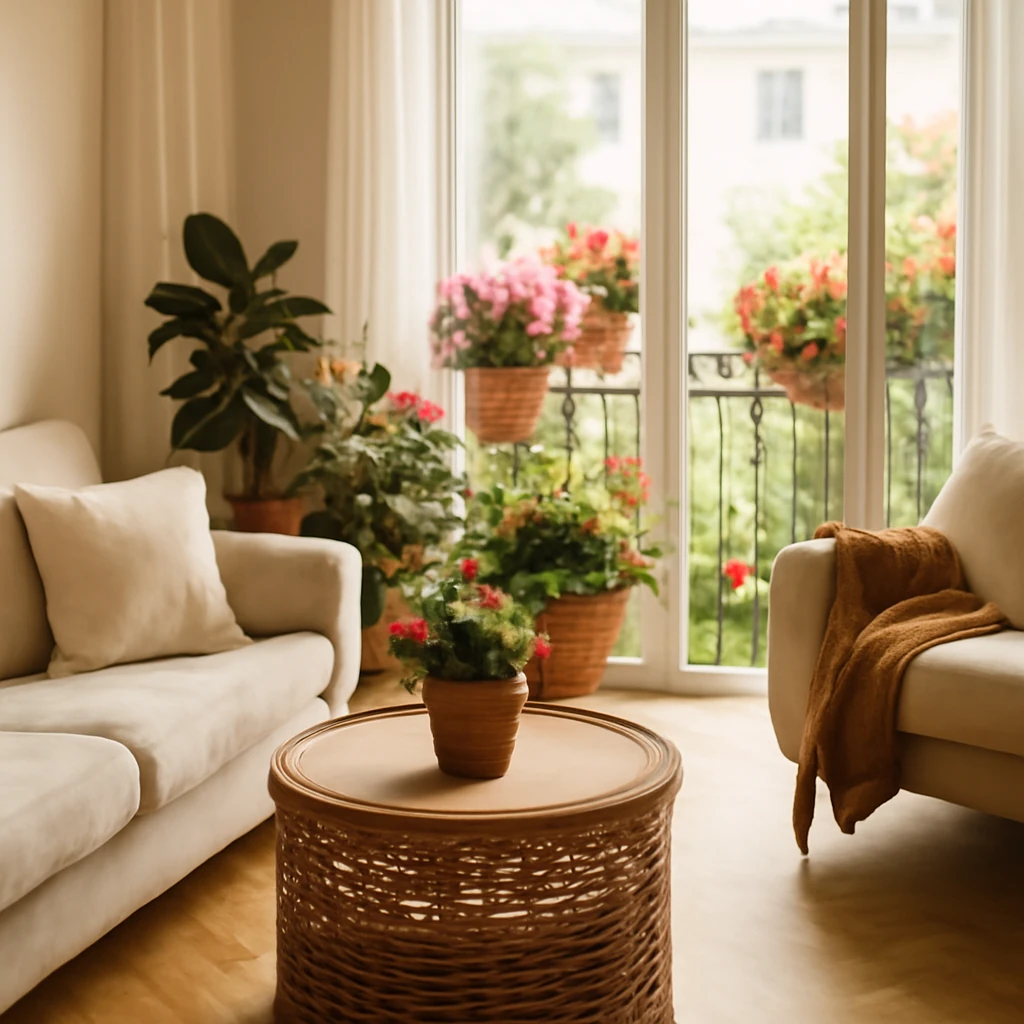
Balcony blooms across Europe: 14 plants that flower all summer
Balcony blooms across Europe: 14 plants that flower all summer
Living in European cities often means balconies and terraces are compact, yet they can become vibrant outdoor rooms with colour and scent throughout the summer. The secret is a thoughtful plant mix, the right containers, and a clear understanding of sun, wind and microclimates. From the cool north to the sun-drenched south, a well-planned balcony garden can deliver colour from late spring until early autumn. This guide offers practical rules and a ready-to-use plant list, organised by exposure and growing habit, tailored to a European context.
Core principles for balcony gardening
- Assess light and temperature: The direction your balcony faces determines how much light and warmth your plants receive. North-facing balconies are shaded and cooler, south-facing spaces receive bright sun most of the day. East- or west-facing balconies sit between these extremes and often provide gentle morning or late-afternoon sun.
- Start with healthy stock: Begin with sturdy plugs or cuttings grown indoors in pots. Transplant when the risk of frost has passed and outdoor conditions are stable.
- Container choice matters: Use a mix of pots, troughs, and window boxes with good drainage. Trailing varieties suit hanging baskets, upright varieties need solid supports and stable stands.
- Timing and frost risk: In most European climates, avoid placing tender plants on balconies until night temperatures reliably exceed 5–7°C. For enclosed spaces, 10–12°C at night is a sensible threshold before introducing sensitive specimens.
- Ventilation and airflow: Even on sheltered balconies, ensure adequate air movement to prevent dampness and fungal issues.
- Watering discipline: Water regularly, adjusting for rainfall and plant type. Flowering varieties typically require more frequent watering during hot spells, use rainwater where possible.
- Feeding and soil: Feed every 3–4 weeks during peak growth with a balanced fertiliser formulated for flowering plants. Use a light, well-draining potting mix and refresh annually in longer-season climates.
Choosing by sun exposure
North-facing balconies
Shaded or partially shaded balconies, where light levels are lower and nights stay cool, suit shade-tolerant and compact varieties. The aim is to create a lush, low-maintenance palette that still brings colour and life to the space.
Violas (pansies)
- Height: up to 15–20 cm.
- Flowering: from late spring through autumn in mild climates, flowers come in lilac, yellow, orange and a variety of mixed tones.
- Longevity: grown as annuals in most European cities, perennials in some milder regions.
Keep the soil evenly moist, violas dislike drought. Plant in sheltered pots with good drainage and deadhead to extend flowering.
Lobelia erinus
- Height: 10–30 cm.
- Flowering: spring to autumn with small blossoms in blue, purple, lilac or white.
- Longevity: typically an annual.
Moderate, regular watering is essential. Avoid waterlogging for healthy roots.
Sweet tobacco (compact varieties)
- Height: 20–60 cm depending on cultivar.
- Flowering: all summer, bell-shaped blooms with a pronounced fragrance in the evening.
- Longevity: annual.
Keep the soil evenly moist and avoid over-watering. Compact varieties are best for smaller balconies to maintain air circulation.
South-facing balconies
South-facing spaces offer ample sun and warmth, ideal for sun-loving annuals and perennials. The priority is reliable flowering with careful watering in heat waves.
Geraniums (Pelargonium)
- Height: 40–90 cm depending on cultivar.
- Flowering: from late spring to autumn, clusters of blooms in pink, red, lilac and purple tones.
- Longevity: perennial in milder climates, treated as an annual elsewhere.
Moderate watering supports vibrant blooms, direct sun usually enhances colour. Deadhead to prolong flowering.
Portulaca (moss-rose)
- Height: 10–30 cm.
- Flowering: June to September, single or double flowers in white, pink, orange and yellow.
- Longevity: annual.
Thrives in full sun and well-drained soil, drought-tolerant and forgiving of light droughts if soil drains well.
Zinnia
- Height: 30–100 cm depending on cultivar.
- Flowering: June to the first frosts, large, showy inflorescences in pink, yellow, white, purple.
- Longevity: annual.
Water deeply during dry spells, avoid overhead watering to minimise leaf scorch. Pinch early to develop strong, compact stems for better air circulation.
East and West-facing balconies
Balconies facing east or west receive a mix of sun and shade, with morning or late-day light. This range suits a broad set of cultivars from medium-height annuals to reliable perennials that tolerate variable light and heat.
Tagetes (marigolds)
- Height: 20–120 cm depending on variety, choose compact types for balconies.
- Flowering: from early summer to autumn frosts, blooms in orange, yellow and copper tones.
- Longevity: annual.
Marigolds are vigorous and easy to care for, their scent helps deter some pests. They perform well in containers and provided soil drains well.
Oxeye daisy (Leucanthemum vulgare)
- Height: 10–60 cm for compact cultivars.
- Flowering: late spring to early autumn with classic white petals and yellow centres, some cultivars offer cream or pale pink tones.
- Longevity: often perennial in milder climates, treated as annual elsewhere.
Bright, cottage-garden appeal and pairs well with foliage plants. Ensure good drainage and avoid waterlogged roots in cooler springs.
Tuberous begonia
- Height: up to 60 cm.
- Flowering: late spring through autumn, large, showy blossoms in pinks, reds, oranges and whites, many with semi-double forms.
- Longevity: perennial in some climates with winter storage, often grown as a seasonal pot plant elsewhere.
Begonias prefer shelter from the strongest afternoon sun on hot days, keep soil evenly moist but not waterlogged. In milder climates, tubers can be stored through winter to extend life.
Ampel and trailing varieties for drama
Trailing growths soften the balcony edges and work beautifully in hanging baskets and high planters.
Ampel Petunia
- Height: cascades 70–120 cm.
- Flowering: late spring to autumn, large, funnel-shaped blossoms in white, pink, lilac, purple or bi-colour.
- Longevity: perennials in warmer climates, widely treated as annual on European balconies.
Petunias prefer regular watering and good drainage. In heavy rain reduce or pause watering. They perform best on south-east or south-facing balconies where light supports long flowering.
Fuchsia
- Height: starting at 20 cm, with trailing stems that can exceed 1 m.
- Flowering: late spring to autumn, pendulous blossoms in pink, red, purple or white, often two-tone.
- Longevity: perennial in mild climates, typically grown as a seasonal pot plant in cooler zones.
Fuchsias prefer sheltered, airy spots and evenly moist soil. Regular feeding during the season helps maintain vigour.
Gypsophila (Baby’s Breath)
- Height: 20–50 cm.
- Flowering: typically July to September, tiny white or pale pink flowers in airy cluster heads.
- Longevity: annual or short-lived perennial depending on climate.
Gypso is relatively drought-tolerant once established but benefits from deep watering when the soil dries. It pairs well with bolder blooms to add lightness and texture.
Climbing and vertical interest
Climbing plants bring privacy and drama to a balcony. Train them on railings, trellises, or a discreet freestanding frame. Two dependable choices for European balconies are:
Clematis
- Height: 100–400 cm with proper support.
- Flowering: two main flushes, late spring and late summer to early autumn, with large, bright flowers in blue, white, pink or purple.
- Longevity: perennial.
Clematis requires regular moisture and well-drained potting soil. Do not let pots dry out completely, protect roots with mulch or shade in very hot afternoons. In colder climates, choose hardy varieties and provide winter protection for the roots.
Sweet pea (climbing varieties)
- Height: 45–200 cm depending on support and cultivar.
- Flowering: June to autumn, fragrant blooms in pastel colours including pink, red, purple and white.
- Longevity: annual.
Sweet peas thrive with steady moisture and a supported vine. Start indoors in early spring in colder regions and transplant after frost risk passes. Use a light, well-drained soil and avoid over-watering to prevent root issues.
Care and maintenance through the season
With proper care, a balcony garden can offer sustained colour for many weeks. The following practical guidelines help maintain healthy displays from late spring through autumn.
- Watering discipline: Water deeply when the top 2–3 cm of soil dries. In hot weather, containers warm quickly, so check daily in midsummer. Use rainwater where possible and water early in the day to minimise evaporation.
- Soil protection and replenishment: Start with a fresh potting mix and add compost mid-season to sustain nutrients. A light mulch helps retain moisture and reduces soil temperatures on sunny balconies.
- Fertilising: Apply a balanced flowering fertiliser every 3–4 weeks during peak flowering. Follow the label directions and avoid over-fertilisers, which can encourage foliage growth over blooms.
- Deadheading and pruning: Regularly remove spent blooms to prolong flowering. Pinch back leggy stems on trailing and climbing varieties to maintain a tidy, dense habit.
- Repotting and soil refresh: If roots become crowded, upgrade to a larger pot or split the plant where feasible. Perennials kept in pan-style containers may benefit from division or relocation to ensure air and root space.
- Winter care: In colder northern and central European climates, many balcony plants are treated as annuals. Some can be overwintered indoors or in a sheltered loggia. Store tubers and bulbs in a cool, dry, and dark place above freezing, check each species guidance for winter storage requirements.
- Pest and disease vigilance: Common issues include aphids, whiteflies and powdery mildew on susceptible species. Ensure good air circulation, water at the base of plants, and remove affected leaves promptly. If needed, employ approved organic controls or consult a local garden centre.
Putting it together: a ready-to-use balcony plant list for Europe
Whether you live in a compact city apartment or a longer terrace in the European countryside, the following groups provide a practical starting point. They are chosen for reliability, flowering potential and suitability to different sun exposures. Use this as the basis for a seasonal palette tailored to your balcony’s microclimate and wind exposure.
North-facing balcony selection (compact and shade-tolerant)
- Viola (pansy)
- Lobelia erinus
- Sweet tobacco (compact varieties)
- Optional: small evergreen foliage for year-round structure if shade permits
South-facing balcony selection (full sun)
- Geranium (Pelargonium)
- Portulaca (moss-rose)
- Zinnia
East/West-facing balcony selection (mixed sun)
- Tagetes (marigolds)
- Oxeye daisy (Leucanthemum vulgare)
- Tuberous begonia
Ampel and trailing for drama
- Ampel Petunia
- Fuchsia
- Gypsophila (Baby’s Breath)
Climbers and vertical interest
- Clematis
- Sweet pea (climbing varieties)
Note: The above choices are starting points. Local conditions, microclimates and available space will shape the final selections. Avoid overcrowding pots to maintain air and root health, and consider varying pot heights and planters to create architecture within the balcony.
Design and practical tips for a European balcony garden
Beyond selecting plants, the design of the space plays a crucial role in your balcony garden experience. Consider these ideas to maximise impact while keeping maintenance manageable.
- Vary heights and textures: Use a mix of tall plants on stands, mid-height shrubs in window boxes, and trailing blooms from hanging baskets. This creates depth and keeps the eye moving.
- Choose a cohesive colour palette: Start with a neutral base - greens and soft earthy tones - and add bursts of colour through a few well-chosen bloom shades. A cohesive palette reads as a designed space rather than a random collection of pots.
- Materials and finishes: Opt for planters in terracotta, ceramic, or powder-coated metal to suit your architectural style. Textural contrasts between containers and seating also enrich the overall look.
- Seating and shade: Include compact seating and a small table to enjoy the space. If the balcony lacks shade, consider a light canopy or shade cloth for comfort during peak sun hours.
- Privacy and wind protection: Use tall planters, trellises, or lattices with climbing plants to create privacy if overlooking neighbours. Wind can be harsh on high balconies, secure tall plants and use heavier pots to minimise movement.
- Season extension and microclimates: Blackout curtains or windbreaks can extend usable time in cooler spring and autumn weeks. Position heat-loving plants in warmer microclimates near walls that absorb heat during the day.
- Edible options: Include compact herbs and leafy greens in window boxes or shallow troughs. Basil, parsley, chives, thyme and salad greens can be grown alongside flowering annuals, providing fresh harvests for summer cooking.
Seasonal calendar and practical planning
Balcony gardening benefits from a simple seasonal plan. Use the following as a rough guide to timing and care across Europe. Adapt to your local climate and the onset of last frosts in spring and first frosts in autumn.
- Late winter to early spring: bring in starting stock from indoors, refresh soil, assess drainage and sun exposure, plan for any structural supports for climbers.
- Late spring: plant out frost-sensitive specimens once night temperatures stabilise around 5–7°C, begin regular watering and feeding for new blooms.
- Early summer: monitor for pest and disease, deadhead spent flowers, adjust watering during heat waves, replenish mulch to conserve moisture.
- Mid to late summer: maintain a steady flowering rhythm, consider a mid-season swap for early autumn interest (e.g., switch to slightly cooler shades or add annuals with later bloom times).
- Autumn: prepare perennials for potential overwintering in sheltered spaces where feasible, store tubers and bulbs as required, reduce watering and plan for next year’s palette.
Edible balcony ideas
In European cities, balconies are ideal for compact culinary herbs and microgreens. A small herb corner in a shallow trough or rail planter can provide basil, parsley, chives, thyme and rosemary, which pair well with flowering plants and add fragrance and utility to the space. Choose drainage-friendly containers and place herbs where they receive steady sun to maximise aroma and flavour while keeping the balcony tidy.
A final note on climate and local adaptation
Europe hosts a diverse range of climates, from maritime temperate to continental and Mediterranean. The plants listed here are widely adaptable and reliable in many contexts, but always consider local conditions such as prevailing winds, salt spray near coasts, and urban heat island effects in dense city centres. When in doubt, consult a local nursery or horticultural society for varieties best suited to your microclimate and balcony size. A modest, well-planned balcony garden can be a year-long source of colour, scent, and a sense of connection to the outdoors, even in compact urban environments.
You may also like these articles
 Lighting
Bedroom Lighting: A Step-by-Step Guide for European Homes
A practical guide to layered bedroom lighting across Europe.
Tips & How-To
Eight Online Interior Planning Tools for Realistic Design
Plan with confidence: eight online tools to design, budget, and tour your future spaces.
 Trends
Dressing the Christmas Tree 2026: Modern European Trends and Timeless Craft
Dressing the Christmas tree for 2026 with European taste and trend-led palettes.