
Explore interior trends, AI design insights, styling guides and real transformations
Compact living: eight ways to curate a stylish small living room
Introduction
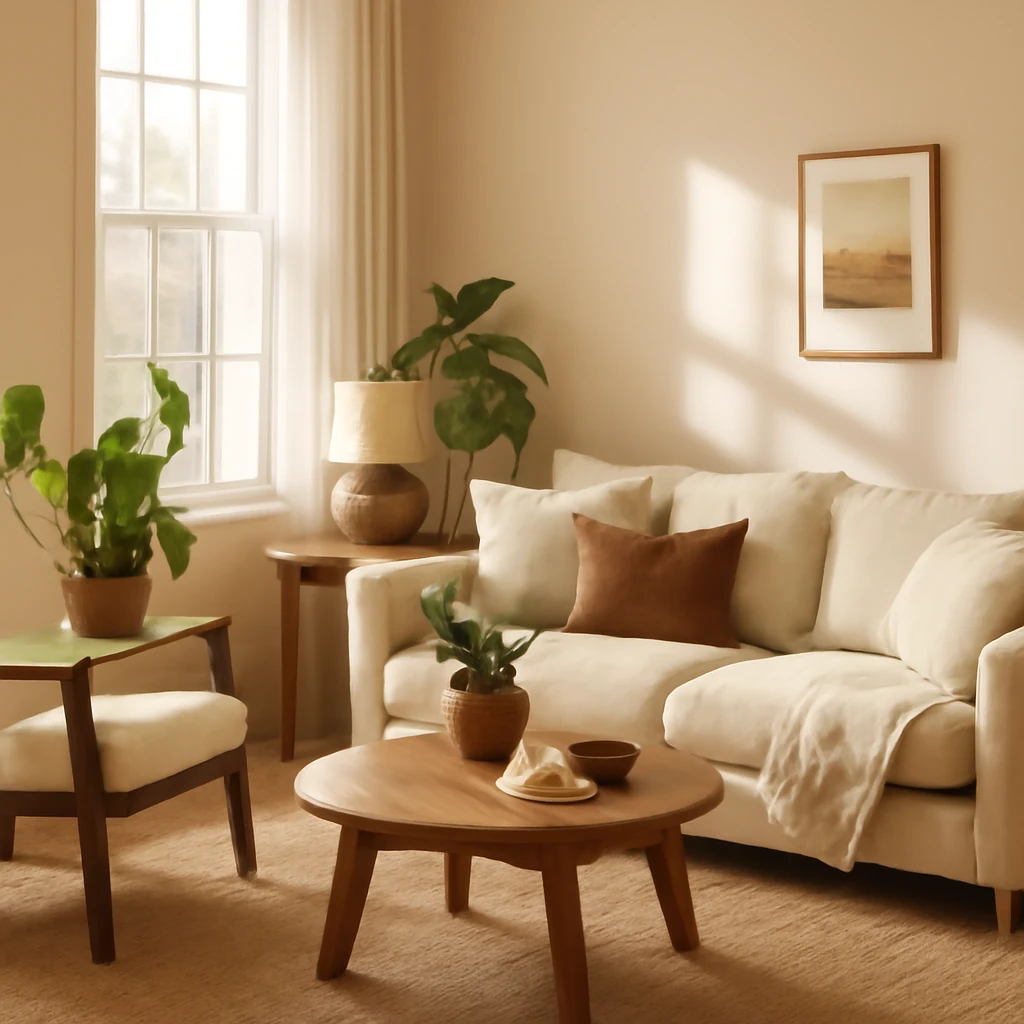
In contemporary European city living, apartments have become increasingly compact. Even generous living rooms in new-build or renovated flats are often part of an open-plan layout, demanding smart choices to balance comfort, function and aesthetics. The living room is a key social and daily-use zone: it must welcome guests, support relaxation and accommodate work or study when needed. By applying modular systems, thoughtful zoning and attention to scale, a small living room can feel calm, cohesive and generously scaled. This article presents eight practical ideas to organise a compact living room with style, drawing on universal principles that translate across housing typologies from compact studios to modest two-bedroom flats.
Choose compact furniture
In a small European flat, every centimetre matters. Avoid furniture with heavy visual weight, especially pieces with tall backs or oversized arms. Instead, opt for pieces on slender legs or wall-mounted designs that appear to float above the floor, preserving sightlines and air. Corner chairs, slim sofas and modular units that can be reconfigured offer flexibility without crowding the room. When selecting items, scale them to the room: a sofa two to three seats wide in a room of roughly 20–35 m², with a compact coffee table, will maintain movement space and prevent the area from feeling boxed in.
Practical tips include choosing upholstery in lighter or neutral tones to reflect the light and make the space feel larger. Tufted or structured fabrics provide texture without visual heaviness, while matte finishes reduce glare and contribute to a calm atmosphere. For European homes with limited storage, consider furniture that also offers concealment - an ottoman with a hidden compartment, a slim-console that can double as a desk, or a coffee table with drawers. The goal is to keep the floor visible and the seating footprint purposeful, rather than decorative only.
- Proportion matters: match the size of seating to the room, avoiding oversized and low-slung sofas in tight layouts.
- Floating furniture: raise the pieces off the floor visually to enhance airiness.
- Soft silhouettes: choose rounded edges or streamlined backs to keep sightlines open.
- Compact sofas:** consider 2.5-seater or “short-back” options that still provide comfort but save space.
Ditch the sofa
In smaller spaces, a full sofa may occupy precious floor area. A pair of snug armchairs or a compact modular seating arrangement can create an intimate conversation zone with less footprint. Armchairs positioned at a slight angle around a small square or round coffee table can feel welcoming without dominating the room. If privacy or quiet is needed, a pair of lounge chairs with a small side table between them can function as a cosy reading nook. The key is to prioritise legroom and ease of movement - chairs should be easy to slide and rearrange for different activities, such as hosting a guest or enjoying a movie night alone.
When opting for two chairs instead of a sofa, pay attention to the rhythm of the space: one substantial chair can visually balance a short-length room, while two smaller chairs create an intimate, flexible seating cluster. If you still want a longer seating option, a modular chaise or a pair of compact settees that can be joined or separated offers a versatile solution without committing to a single long sofa.
Combine with the bedroom
Many European city flats are studio layouts where the living area serves multiple functions. The secret is smart zoning and furniture that morphs between day and night use. A sofa bed or a sofa with integrated storage can transform the day space into a comfortable sleeping area for guests or for nightly rest without requiring a separate bedroom. When choosing a sofa bed, look for a system with a robust frame, a comfortable mattress, and a mechanism that’s easy to operate. It should sit elegantly in day mode and recline smoothly at night.
Consider partial room dividers or screens to delineate living and sleeping zones while preserving openness. A tall bookshelf, a shallow cabinet, or a curtain panel can softly separate spaces without shutting off light. If possible, position the bed or sleeping area away from the primary light source to create a more restful retreat. When the bed is hidden behind a flexible screen, the room can function as a welcoming lounge by day and a proper bedroom by night, maximising the use of a compact footprint.
Merge two zones
In many European cafés and contemporary homes, the dining area is integrated with the living space to conserve floor area. In a small flat, a dining table placed close to the sofa creates a multi-functional hub for eating, socialising and working. Use a standard-height dining table adjacent to the seating area so that the soft furnishings hedge against noise and heat while not interrupting circulation. The sofa can substitute part of the seating in the dining area, when space is tight, a small dining table with two chairs can double as a work surface or a place to play board games on a rainy afternoon.
Tips for success include selecting chairs that tuck neatly under the table, using chairs with slim profiles to minimise visual bulk, and opting for a bench-like seat along one side of the table to free up space. Acoustic considerations matter here: choose soft seating and friendly textiles to absorb sound, making the combined zone feel calm rather than chaotic when the table is in everyday use.
- Table height: consider a standard dining height so the transition from sofa to table feels natural.
- Seating balance: ensure there is enough seating so at least four people can gather without crowding.
- Storage synergy: a sideboard or slim cabinet near the dining area can store table linens, cutlery and charging devices, keeping surfaces clear.
Place the sofa in a niche
If a room includes a recess, alcove or bay window, a wall-to-wall sofa can create a seamless seating zone that reads as built-in furniture. This arrangement frees central floor space and can make the room feel larger than its actual size. Emphasise the niche with layered lighting and a colour accent to signal a dedicated retreat within the room. A slim coffee table or a multi-purpose side table tucked beside the sofa will keep the central area uncluttered, while a folding or compact stool can serve as extra seating when hosting guests.
In European designs, alcove seating often accompanies thoughtful storage under the bench or along the baseboard. Choose cushions that are durable and easy to wipe, with cover fabrics suitable for frequent use. If the niche is near a window, consider light curtains or a sheer shade to control glare while preserving daylight. A small step or platform can raise the seating to a slightly more prominent position, creating a cosy, theatre-like nook without sacrificing accessibility.
Centre-stage seating in open-plan spaces
In many open-plan kitchens and living rooms, placing the sofa toward the centre of the space can help define a distinct living zone without constructing walls. A centre-positioned sofa with a back that faces the dining or kitchen area creates visual separation, guiding movement and establishing a natural flow. Choose a model with an attractive back or a low profile so that sightlines remain clear from both sides of the room. If there is a view or a focal point beyond the seating area, ensure the sofa is angled or oriented to take advantage of it while preserving the room’s balance.
In a centre setup, lighting becomes crucial. Use layered lighting to delineate zones: overhead lighting to illuminate the whole room, wall lamps or sconces flanking the sofa for reading, and a compact floor lamp to soften the edges and add warmth. A rug can anchor the living zone and help define it in the absence of walls. Materials and colours should unify the space across zones - soft neutrals with restrained colour accents create a cohesive, elegant palette that makes the room feel larger than its footprint.
Rethink the soft group as storage
An innovative approach to maximise every square metre is to design the seating area around storage. A low bench or bench-like seating along a long wall can double as seating and storage: build a long, shallow cabinet underneath with a cushioned top so it becomes a place to sit, read, or watch TV, while the internal compartments keep spare throws, cushions, and magazines neatly out of sight. This arrangement is both practical and stylish in narrow rooms where traditional sofas may dominate the floor plan.
Key considerations include durability of the bench, ease of cleaning, and the accessibility of the storage compartments. Use soft-close drawers or deep, soft-cornered bins to prevent accidental bumps and to maintain a calm, clutter-free surface. When arranged correctly, this approach provides generous storage without sacrificing a chic, contemporary look.
- Hidden storage: embed drawers or lift-up lids in the bench for maximum capacity.
- Seating comfort: cushion depth and firmness should support long conversations or naps, not just short sits.
- Visual weight: keep the bench at a similar height to the sofa to maintain balanced proportions.
Extend living space to the balcony
If a glass balcony, conservatory or loggia is accessible, it can become an extension of the living room, especially in European apartment layouts where climate allows for seasonal use. Treat the balcony as a light-filled annex by adding compact seating, a small weatherproof coffee table, and a few shelves for books. Weather protection for cushions and textiles is essential, pick fabrics rated for outdoor use or outdoor-ready cushions with quick-drying fills. A rug in a colour that echoes the living room can visually connect the spaces, while lighting - such as a wall lantern or ambient string lights - creates a welcoming atmosphere after dark.
Even a narrow balcony can function as a contemplative corner: consider a pair of compact chairs facing outward or a slim bench with a backrest. This setup provides a private spot for a morning coffee, a quiet email session, or a relaxed chat with a guest while still maintaining the open-floor layout of the apartment.
Additional tips for a cohesive small living room
While the eight ideas above offer structural strategies, the details that finish a small living room will determine its comfort and character. Lighting, textiles, and colour play crucial roles in making a compact space feel inviting rather than cramped.
- Lighting layers: combine ceiling ambient lighting with floor and table lamps to create flexible levels of brightness. Dimmable options enable you to shift the mood - bright for day tasks, warmer for evenings.
- Textile warmth: soft rugs, throw blankets and cushions add comfort and texture without heavy visual weight. Choose fabrics that are easy to clean and maintain in daily living.
- Colour strategy: stick to a coherent palette with two or three accent colours. Lighter neutrals enlarge the room, while restrained colour pops on cushions, art or accessories create focal points without overwhelming the space.
- Storage discipline: integrate storage into seating, media units and cabinetry to avoid visible clutter. In compact interiors, neat organisation is as important as the furniture itself.
- Ventilation and acoustics: ensure the space remains comfortable. Use textiles and soft furnishings to absorb sound and maintain airiness, especially in open-plan layouts.
- Personal touches: select a few well-considered accessories that reflect your taste. In small spaces, fewer but well-chosen pieces read as intentional design rather than clutter.
Conclusion
Small living rooms across Europe are not limitations but opportunities: by prioritising scale, versatility and thoughtful arrangement, you can create a space that feels larger, more functional and endlessly adaptable. Whether you opt for compact furniture, a sofa-free arrangement, a bed-within-a-lamiliar-room, or a hybrid seating-and-storage solution, the essential goal remains the same: design a living room that supports real life - relaxation, conversation, work and play - without compromising style. With careful planning, even the smallest flat can offer a refined, comfortable living environment that genuinely feels like home.
You may also like these articles
 Interior Design
American Style in European Interiors: A Practical Guide
European take on American design: open plans, islands, and layered textures.
Living room
Mastering a 20 m² Living Room: European Design Lessons
Compact living room mastery: clever zoning, light, and style.
Living room
The Click-Clack Sofa: A Practical, Flexible Cornerstone for European Living Rooms
A comprehensive guide to the versatile click-clack sofa for compact European homes.