
Explore interior trends, AI design insights, styling guides and real transformations
Smart design for a 20 m² European studio: living well in a compact space
Introduction
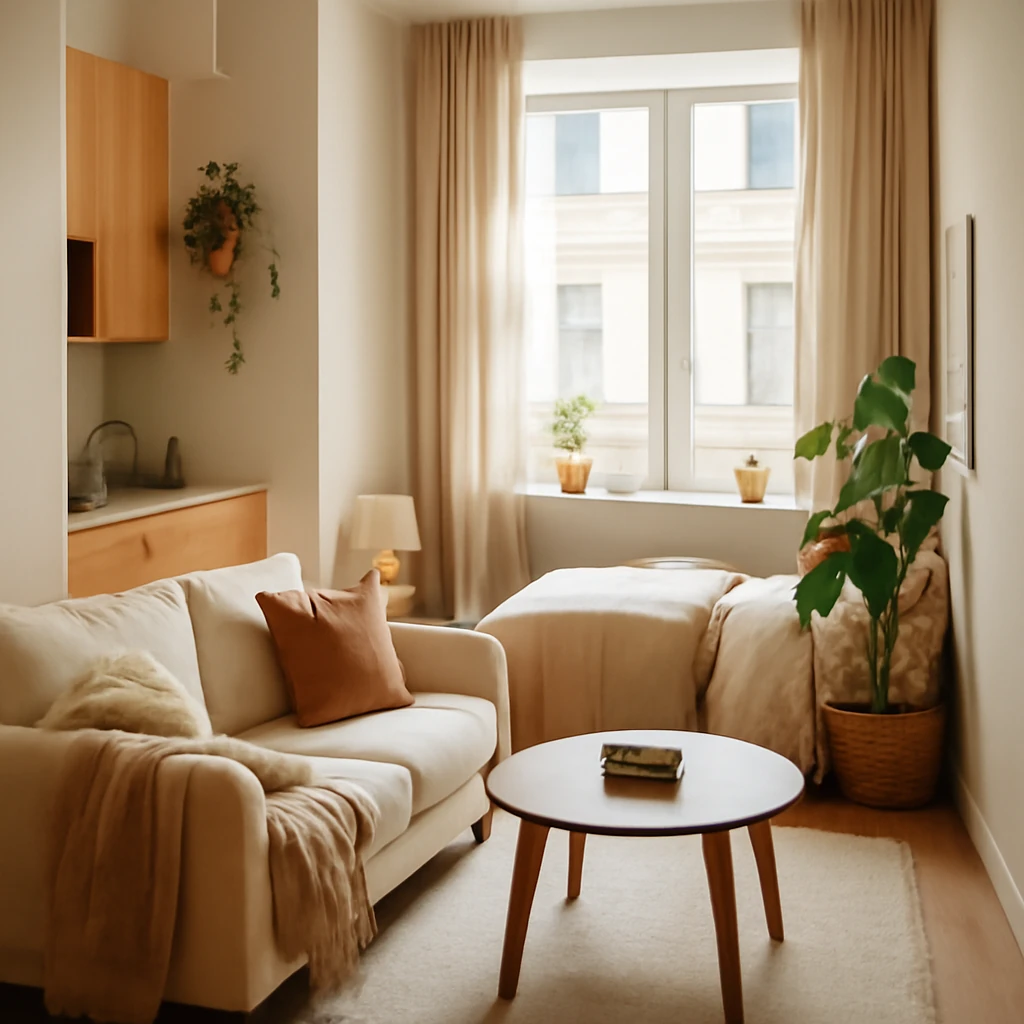
Across European cities, compact living is increasingly the norm. A 20 square metre studio presents a rewarding design challenge: to create a personal sanctuary that feels generous, is easy to live in every day, and remains stylish as life evolves. This guide draws on contemporary practice from a range of European contexts, translating principles into practical steps you can apply in a flat, loft or maisonette. The aim is to design a space that performs multiple roles - living, dining, working and sleeping - without compromising comfort or aesthetics.
Contemporary trends for a 20 m² studio in Europe
Small-footprint interiors rely on a handful of reliable strategies that visually expand space and enhance everyday life. Here are essential techniques used by designers across Europe:
- Use a light colour palette. Neutral bases and pale walls reflect light and keep rooms feeling airy. A monochrome canvas gives furniture the freedom to be bolder as needed.
- Layered lighting for zoning. A mix of ceiling, wall and task lighting marks different zones without heavy partitions.
- Combine large and small lighting fixtures. A bright pendant over the dining area paired with a tall floor lamp near the seating creates depth and contrast.
- Play with height. Where possible, vary ceiling levels or use ceiling features and low-profile storage to draw the eye upward and create a sense of airiness.
- Shelving and light partitions. Mobile screens and open shelving define zones while preserving flow and daylight.
- Mirrors and glossy surfaces. Reflective materials bounce light and visually enlarge the space, used with balance to avoid reflections that feel chaotic.
Plan and zoning
Understanding how a space is laid out is essential when choosing the right zoning approach. In European practice, several configurations suit a 20 m² studio, each offering distinct opportunities to delineate functions without sacrificing openness.
- Rectangular plans are straightforward to zone. Visual separation of kitchen, dining and living areas can be achieved through colour, lighting and furniture orientation.
- Square plans invite more creative partitions. A discreet screen or a low bookshelf can carve out a sleeping zone while preserving an airy feel.
- Irregular shapes benefit from customised storage furniture that follows the room’s contours, turning awkward corners into useful space.
Two-level possibilities
Where ceiling height allows, a mezzanine can provide a compact sleeping area while freeing the living zone below. In practice, this works best when the lower level is a day zone and the upper level carries a small bed and essential storage. Ensure safe access and adequate headroom, and keep the stairs or ladder as a slim, efficient feature.
Balcony or loggia integration
If the dwelling includes a balcony or sheltered terrace, extending the functional footprint can be rewarding. A compact outdoor dining nook, a storage cabinet or a small workstation for pleasant weather tasks expands the living area without adding permanent footprint indoors.
Single occupant versus family
For a single resident, zoning can be light and flexible. A folding screen or a sliding panel can provide privacy when needed without isolating the space. For families, anticipate shared spaces and concealed storage to manage daily clutter. Durable finishes and soft edges are advisable for high-traffic zones and child safety.
Colour and materials
The palette for a 20 m² studio should cultivate calm and clarity while offering opportunities to inject personality. Start with a light neutral base and build interest with texture and restrained colour accents.
- White and warm neutrals: creams, ivories and pale stone keep the walls calm and the space legible.
- Soft natural tones: gentle beiges, taupe and greys add depth without diminishing light.
- Pastels with a neutral backdrop: a pale blue, sage or blush can act as accents while the base remains light.
This approach does not prevent personality. Bold pockets of colour can appear in textiles, rugs and cushions if distributed evenly to avoid visual weight. Try colour pairings such as:
- Blue with chocolate brown or charcoal
- Bright orange with calm mint
- Green apple with pale sky blue
If you enjoy change, swap textiles and accessories seasonally to refresh the space without structural alterations. A carefully chosen palette makes it easy to evolve the design over time.
Finishes and materials
Choose materials that balance durability with tactile appeal. A 20 m² studio benefits from a cohesive texture story that helps define zones while remaining legible as a single room.
Walls
Walls narrate the room’s architecture. Instead of heavy patterns across all surfaces, consider a feature wall with a geometric print or textured wallpaper to anchor a zone. For a restrained approach, keep walls monochrome and rely on furniture finishes or textiles to add depth. A faux brick texture or plaster can work well in modern or industrial-inspired schemes.
Floor and ceiling
A unified floor tone helps knit zones together. Light timber or warm tiles extend the feeling of space, while darker accents ground seating areas. Ceilings should read bright and even, consider subtle coving or gentle joins to differentiate zones without bulk. If the ceiling height permits, consider a slightly varied ceiling plane to create a sense of depth without enclosing the room.
Zoning and storage strategies
Storage is the backbone of a compact home. The better you organise, the more spacious the space feels. European designers employ a blend of tall wardrobes, integrated storage within furniture, and smart use of every recess.
- Incorporate tall wardrobes that reach the ceiling to maximise vertical storage with minimal floor space used.
- Utilise balcony or exterior alcoves for seasonal items or overflow wardrobe space.
- Choose sofas, beds and ottomans with built in storage or lift mechanisms to hide essentials.
- Divide the room with light, modular storage rather than heavy walls.
- Make clever use of under-bath space or ceiling recesses for pantry or storage compartments.
- Rely on floating shelves, slim cabinets and pockets to keep surfaces clear.
Lighting and decor
Refuse to rely on a single ceiling light. Layered lighting creates ambience, defines zones and enhances the perception of space. Combine ceiling lights with floor and table lamps to craft warmth and depth.
- Place larger luminaires to act as architectural features while leaving room to move.
- Install plug in wall lights where appropriate to add warmth without occupying valuable floor space.
- Conceal cords and keep surfaces uncluttered by integrating wiring into furniture or concealed channels.
Thoughtful lighting, paired with restrained decor, makes a small flat feel calm and expansive. Avoid overloading walls with knickknacks, curate a few pieces that reinforce the room’s character and remain easy to relocate if needed.
Furniture layout for a 20 m² studio
In compact living, furniture must perform several roles. Look for pieces that transform, nest or fold to maximise flexibility. Consider:
- a sofa bed or wall bed that folds away neatly
- a wardrobe with integrated storage and a pull out bed if required
- a drop leaf table or folding dining table with compact chairs
- bench seating with hidden storage or a chest that doubles as a coffee table
- compact kitchen appliances and a quiet, efficient hood
The television is best mounted on the wall to free floor space. Under shelving with drawers or pull out trays helps keep everyday items within reach but out of sight.
Layout ideas by space and use
Kitchen area
Vertical design is most efficient for the kitchen. Consider tall cabinets that reach the ceiling, paired with a slim dining area defined by a compact table or a breakfast bar. A small refrigerator, a washer dryer combo where space allows, and a quiet extraction hood can all be accommodated with careful planning.
Bedroom or sleeping zone
To maximise space, invest in two function furniture. A bed with built in storage or a wall bed that folds up keeps the floor clear for daily living. Hidden storage under the bed or a low platform helps maintain a calm surface, while a soft headboard or fabric panel creates a cosy atmosphere without dominating the room when the bed is in use as a sofa.
Keep loose items in closed storage and hide away odds and ends in baskets with lids that double as seating. A room divider is a practical way to create privacy without closing the space. A fixed or modular media console mounted on the wall saves precious floor area.
Entrance and circulation
Plan a slim but practical entry with storage for outerwear and shoes. A bench with a lift top or a small cabinet can hold footwear and bags, while wall hooks keep everyday items handy and off the ground.
Working area
If a dedicated work zone is needed, consider converting a sheltered balcony or a narrow corner into a compact desk and task chair. Wall mounted shelving keeps supplies organised and within reach without encroaching on living space.
Children's corner
In a family studio, a dedicated zone for a child becomes essential. Position the child’s bed along a wall away from the main seating area and introduce a low storage unit and soft play mat. Screens or curtains can create flexible boundaries between play and living zones when required.
Bathroom and wet zone
Most European studios feature a combined bathroom to optimise space. If separation is desired, lightweight screens or slim partitions can delineate areas without visually closing the room.
Veranda or balcony
When available, an adjoining balcony can extend living space. A compact outdoor seating area and a slim work surface turn this zone into a seasonal extension of the kitchen or living area.
Ventilation and services concealment
Hidden services pose a design challenge in a compact footprint. Practical approaches include:
- fitted cabinetry that conceals wires and plumbing
- purpose built service channels or ventilated bulkheads
- finishes that integrate rather than expose service elements
How to visually enlarge the space
- Avoid clutter and maintain negative space to allow the eye to travel freely.
- Choose light tones and moderate contrasts to preserve airiness.
- Position furniture to preserve clear circulation paths and lines of sight through the room.
Practical tips for space savings
Employ professional strategies to maximise functionality in a small flat:
- select transformable furniture such as sofa beds, bed frames with storage or fold away tables
- prioritise built in appliances and integrated fittings
- create storage within drawers under seating or in niches near windows or doors
- hide oversized items such as washing machines or vacuum cleaners in cabinets and incorporate folding worktops within alcoves
Living with a 20 m² studio: a design checklist
To balance practicality and aesthetics, maintain a simple, cohesive design language across the space. The aim is not a museum of furniture but a comfortable home that adapts to daily routines. If you are renovating, consider modular and reconfigurable elements that can evolve with your needs and moves.
Design directions for a 20 m² studio
Minimalism
Minimalist design thrives in compact spaces by prioritising function, light and clean lines. Choose a restrained material palette and keep surfaces clear. Storage should be integrated into walls and furniture with doors that blend into the walls. Lighting should be generous and straightforward to ensure clarity and legibility of the space.
Neo-classical
Neo classical can translate well into a studio when softened with light wood, pale fabrics and restrained ornament. The aim is a refined, legible environment that feels elegant without overpowering the space. Avoid heavy ornate pieces and maintain a balanced rhythm across rooms.
Loft
The loft aesthetic celebrates openness and industrial charm while remaining comfortable. In a small studio, reduce partitions and expose natural textures such as brick or wood. Use pale walls with warm timber for a hospitable climate, softened with textiles and curved edges to soften rigid geometry.
Contemporary
A modern approach with light colours and modular furniture suits compact housing. Use movable partitions, light shelving and a restrained palette to maintain flexibility and visual calm. When possible, choose furniture that can be reconfigured quickly for different occasions.
Eco
Eco style emphasises natural materials and breathable textures. Wood, stone, linen and wool appear across surfaces in a palette of quiet greens, whites and earthy tones. Bring living plants into the scheme to reinforce air and vitality without crowding the floor space.
Scandinavian
Scandinavian interiors excel in small spaces by combining warmth with simplicity. White walls, natural timber floors and soft textiles create a serene backdrop for functional furniture. Storage should be plentiful but unobtrusive, with a focus on keeping surfaces clear.
Contemporary (revisited)
In a compact contemporary style, expect smooth finishes, subtle contrasts and a calm, curated look. Materials such as glass, metal and light wood can be mixed to create a polished, breathable environment that reads larger than its footprint.
High-tech
High tech rooms rely on built in systems, smart lighting and energy efficient appliances. Keep finishes crisp and cool, with concealed wiring and clean lines. The space should feel efficient as well as refined.
Provencal
Provencal style in a small dwelling means gentleness: soft whites, limestone hues, delicate florals and natural textures. It can be adapted with modern touches to maintain lightness, using woven textiles and light wood accents to soften industrial lines.
Organisation of storage
Storage is the backbone of a successful studio. The aim is to prevent clutter while ensuring every item has a home. European designers frequently employ tall, ceiling-height wardrobes, integrated storage within seating and beds, and clever use of recesses and alcoves.
- Install wardrobes that run up to the ceiling to maximise height.
- Utilise every alcove and balcony for seasonal storage or overflow items.
- Choose ottomans and benches with discreet storage and beds with lift mechanisms.
- Separate zones with light, movable storage modules rather than heavy walls.
- Maximise bathroom space with compact, clever storage solutions and built in niches.
- Rely on floating shelves, hooks and pocket organisers to keep surfaces clear.
Finishing touches and decor
Decor in a small space should be purposeful. Avoid filling every surface. Retain negative space on walls and select a small set of accessories that reinforce the room’s character rather than clutter it.
Case-free furniture arrangement for a 20 m² studio
In a compact dwelling, avoid oversized furniture and heavy dark storage. Look for transforming pieces such as sofa beds, beds with storage or extendable tables and folding chairs. Prioritise built in appliances and features that allow for concealed storage. Mount the television on the wall to keep the floor free. Use under seating drawers or wall mounted shelving to keep daily items within reach but neatly tucked away.
Practical steps before you start
Before selecting furniture or finishes for a 20 m² studio, take a disciplined approach:
- measure the space precisely and note architectural features such as columns, radiators and window recesses
- draw a simple plan with scale and test different furniture layouts on paper or in a planning app
- consider a single cohesive design language to ensure cohesion as you add pieces over time
- seek professional advice if you are planning structural changes or major electrical work
Acoustics and privacy
Acoustic comfort matters in a studio. Hard surfaces can amplify noise and create a sense of bustle. To improve sound quality and privacy, integrate textiles, rugs and soft wall panels. Consider a lightweight screen or curtain to separate sleeping areas when needed without visually closing the space.
Ventilation, heating and climate control
In compact homes, efficient climate control is essential. Choose well insulated windows and consider compact, quiet heating or cooling options. A linear thermal break and strategically placed vents help maintain even temperatures across zones without creating noise or drafty corners.
Budget considerations and sustainability
Small spaces can be elegant and affordable when planned carefully. Prioritise durable, modular furniture that can be reconfigured as needs change. Consider second hand or refurbished pieces where appropriate, and select finishes that wear well over time. A concise palette and a limited number of high quality details reduce the need for frequent replacement and help the space age gracefully as circumstances shift.
Implementation checklist
- Create a clear plan with a single grid or scale drawing
- Choose transformable furniture and built in appliances to maximise floor area
- Define zones with lighting, colour and storage rather than walls
- Ensure all surfaces and edges are safely finished for daily use
- Test your layout with temporary furniture before committing to built in elements
Conclusion
Designing a 20 m² studio in a European city is a nuanced, rewarding endeavour. By prioritising proportion, a calm colour base, layered lighting and intelligent storage, you can craft a space that feels larger than its floor area and genuinely adapts to your changing needs. The best solution balances practicality with aesthetics, remains coherent over time, and welcomes future moves with gracefully adaptable furniture and finishes.
You may also like these articles
 Renovation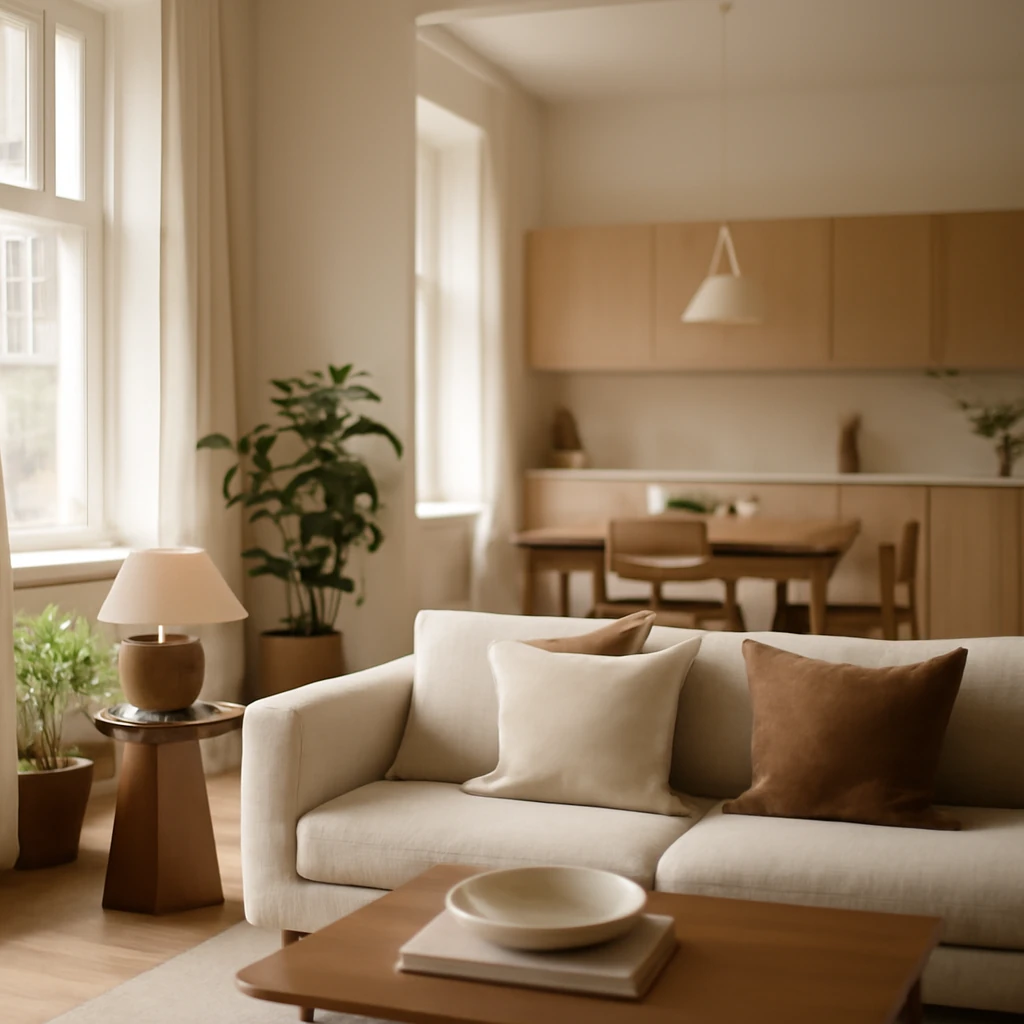
Calm, open-plan two-bedroom: a modern European renovation
A self-designed two-bedroom renovation with a serene palette and smart storage.
Tips & How-To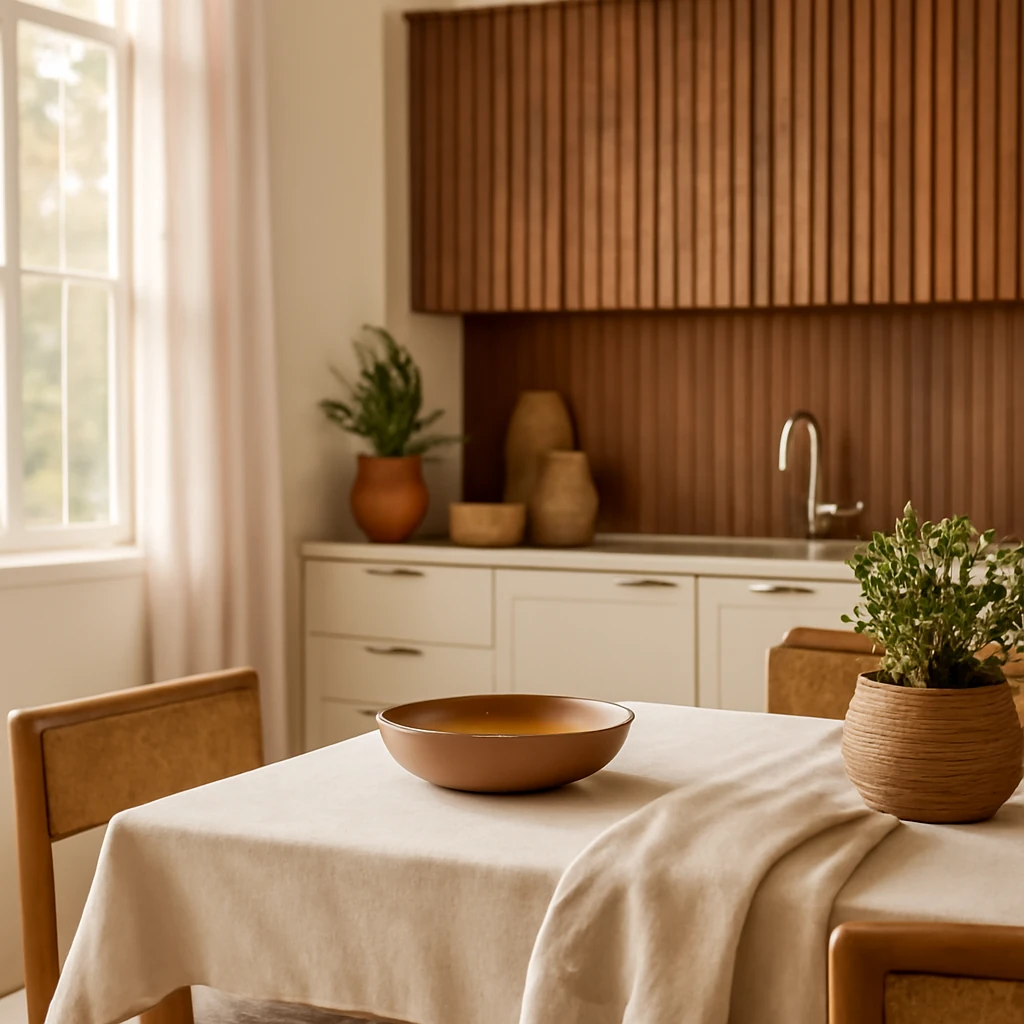
Rising Slats in the Kitchen: A Practical Guide to Panels and Batten
Slim kitchen slats add texture, space and light.
Tips & How-To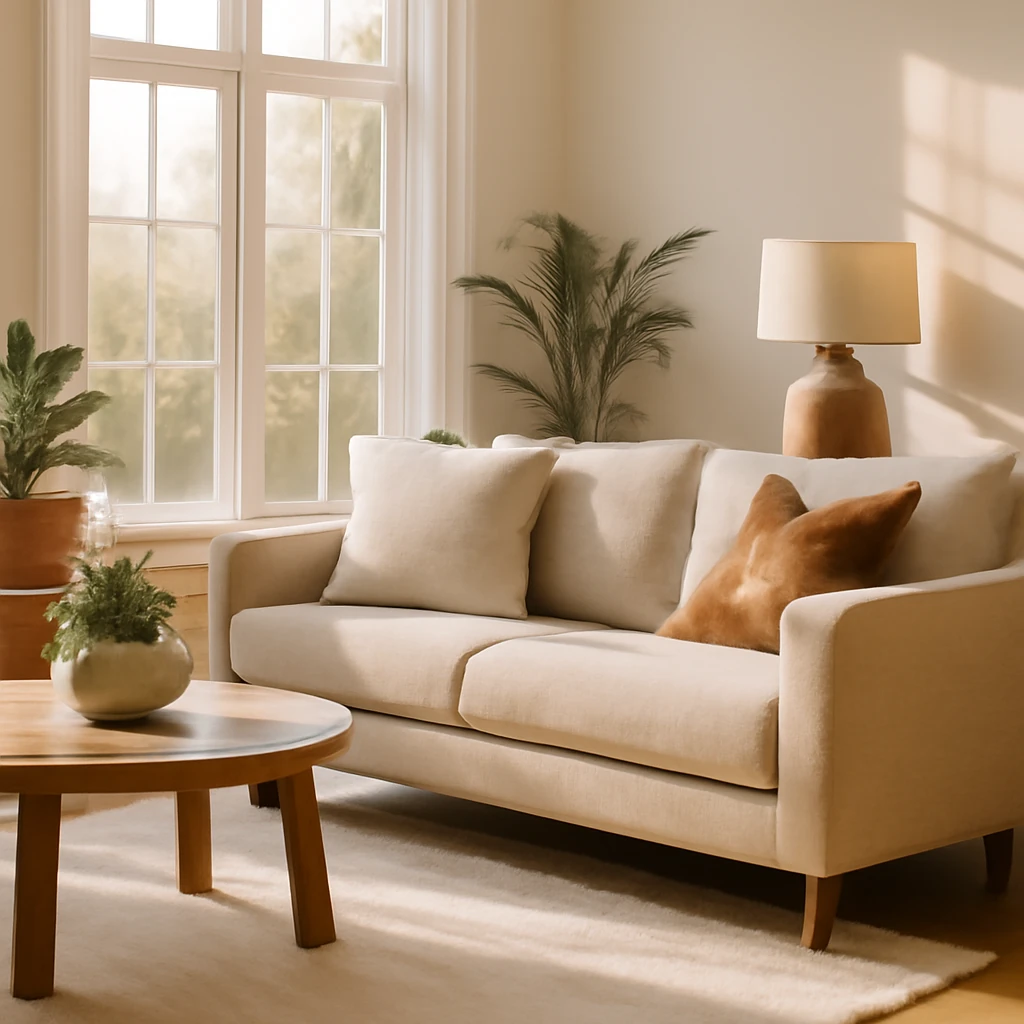
The Sofa Buyer's Blueprint: 8 Essentials for a Durably Stylish Couch
A practical guide to choosing a durable, comfortable sofa for European homes.